
Pruning
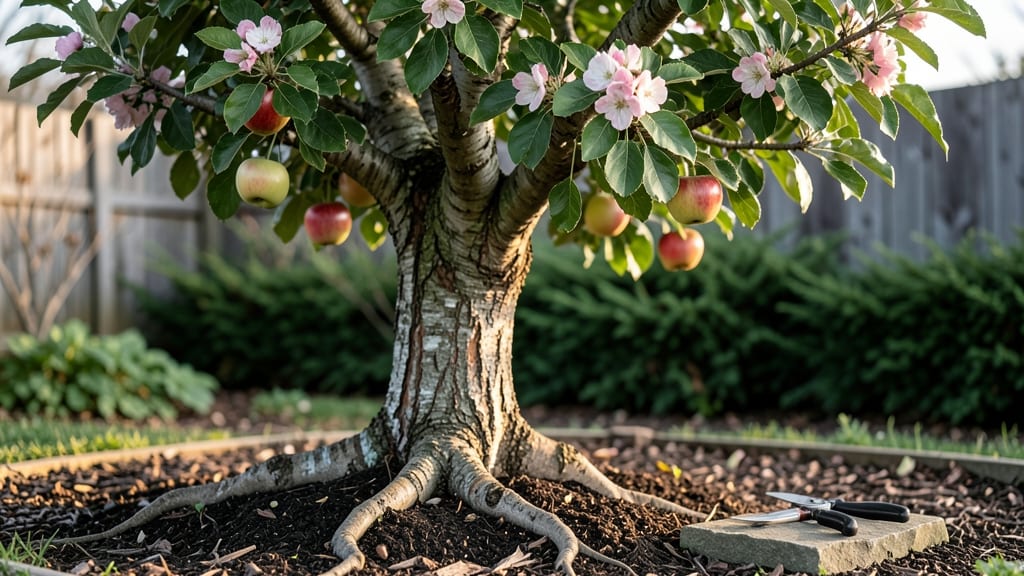
An apple tree’s life of apple tree begins with a single branch and can stretch for decades—if you prune it right from day one.
I’ve watched mine go from a spindly sapling to a fruit-bearing giant, and the difference between a thriving tree and one that struggles comes down to three key pruning seasons that match the Pacific Northwest’s damp winters and mild summers.
The first five years are all about shaping the tree’s structure—opening the center for sunlight and air, removing weak branches, and training it to grow strong. My ‘Gala’ tree, for example, now produces 50 pounds of fruit every fall because I started pruning when it was just 3 feet tall.
The secret? Cutting back aggressive growth in late winter and thinning out crowded branches in early summer.
By maturity, your tree should be a well-balanced canopy with sunlight reaching every branch. That’s when the real bounty begins—hundreds of apples per season if you keep up with annual pruning.
The older the tree, the more strategic you get: removing dead wood, thinning fruit clusters to prevent overburdening, and watching for signs of disease in those damp PNW winters.
This isn’t just about fruit—it’s about longevity. With proper care, apple trees live 30-50 years, and some even longer. The key is adapting your pruning to the tree’s age and the region’s unique climate. Let’s break down how to keep yours productive for decades.
📚 In This Guide
- What you need
- Instructions
- Tips and common mistakes
- Wrapping up and next steps
What you need
- ● Pruning shears: Bypass pruners (sharp, 6–8 inch blades) for small branches. Must be sterilized with rubbing alcohol or bleach solution (1 part bleach to 9 parts water).
- ● Loppers: 1 pair (8–12 inch) for thicker branches (½–1½ inch diameter). Look for ratcheting or bypass types for precision.
- ● Pruning saw: 1 folding saw (for branches >1½ inch thick). Test sharpness before use!
- ● Gloves: Heavy-duty gardening gloves (cut-resistant, like mechanics’ gloves) to protect from thorns and splinters.
- ○ Disposable pruning bags: 2–3 (for collecting debris). Optional but handy for cleanup!
- ● Rubbing alcohol (70%+) or bleach: For sterilizing tools between cuts (prevents disease spread).
- ○ Pruning sealant (optional but recommended): Wound dressing (like Tanglefoot Tree Wound Pruning Sealer) for cuts >½ inch.
- ● Ladder or step stool: If your tree is >6 feet tall. Prioritize safety—use a stable, non-slip ladder!
- ● Weather check: Prune on a dry, calm day (avoid rain or wind). Ideal temps: 40–60°F.
- ● Tool sharpening: Hone blades with a file or sharpening stone before starting.
- ● Tree health assessment: Inspect for disease (e.g., apple scab), pests (aphids, codling moths), or dead wood before pruning.
- ● Safety gear: Safety glasses (to shield from debris) and closed-toe shoes.
- ● Notebook & pen: To sketch a simple branch map before cutting (helps visualize the tree’s structure).
- ● ✨ PNW-specific: Watch for fire blight (blackened, oily branches)—sterilize tools thoroughly if you spot it!
- ● 🌡️ Timing hack: Prune dormant trees (late winter/early spring) to avoid fungal growth in wet PNW winters.
- ● 🎯 Tool care: Oil pruners after use to prevent rust (especially important in damp climates!).
Instructions for year-round apple tree care in the Pacific Northwest
Here’s how to keep your apple tree thriving through every season—no pruning mistakes here.
🌿 Step 1: Winter Pruning for Structure and Health
Start in late winter or early spring, just before buds swell but before new growth begins. This is the ideal time to shape the tree and remove dead, diseased, or crossing branches. Use sharp pruning shears to make clean cuts at a 45-degree angle just outside the branch collar—the swollen area where the branch meets the trunk.
Remove any branches that rub against each other, as these create wounds that invite pests and disease. Thin out crowded branches to improve airflow and sunlight penetration, which is especially important in the Pacific Northwest’s damp climate. Aim to open the center of the tree so light reaches all branches—this prevents fungal issues and encourages better fruit production.
After pruning, apply a thin layer of dormant oil spray (if using) to smother overwintering pests like scale or mites. This step is critical in our region, where mild winters can leave pests lingering. Water the base of the tree if the ground isn’t frozen, but avoid overwatering—apple trees are surprisingly drought-tolerant once established.
☀️ Step 2: Summer Pruning for Fruit and Airflow
Mid-to-late summer is the time to fine-tune the tree’s shape and encourage next year’s fruit. Focus on removing water sprouts—those fast-growing, vertical shoots that steal energy from fruit production. These shoots are easy to spot: they’re thin, upright, and often appear at the ends of branches.
You can also thin out some of the fruit itself during this season. Leave 6-8 inches between developing apples to ensure they reach full size and quality. Overcrowded fruit leads to small, misshapen apples and increases the risk of disease. Use sharp pruners to snip off excess fruit at the stem, being careful not to damage nearby branches.
Watch for any branches that are growing inward or crossing—these should be pruned back to maintain an open canopy. In the Pacific Northwest, where humidity is high, good airflow is key to preventing fungal diseases like apple scab. After pruning, give the tree a deep watering to help it recover, especially if summer has been dry.
✂️ Step 3: Fall Cleanup and Disease Prevention
As leaves begin to fall, take time to clean up any debris around the tree. Rake up fallen leaves, fruit, and small branches, then dispose of them in the trash—not the compost—since they can harbor fungal spores and pests. This is a non-negotiable step in our climate, where wet autumns create perfect conditions for disease spread.
Inspect the tree for any signs of disease, such as black spots on leaves (apple scab) or sawdust-like frass from borers. If you spot issues, treat them immediately with a copper fungicide or neem oil, following label instructions. Prune out any branches showing signs of infection, cutting back to healthy wood.
Apply a 2-3 inch layer of mulch around the base of the tree, keeping it a few inches away from the trunk to prevent rot. This helps regulate soil temperature and retains moisture, which is especially useful in the Pacific Northwest’s rainy fall season. Avoid piling mulch against the trunk, as this can trap moisture and encourage rot.
⏰ Step 4: Year-Round Monitoring and Adjustments
Even when you’re not actively pruning, keep an eye on your apple tree throughout the year. In early spring, check for signs of fire blight, a bacterial disease that causes blackened, oozing branches. If you spot it, prune infected branches 6 inches below the affected area and sterilize your tools with rubbing alcohol to prevent spreading the disease.
During dry spells, water deeply once a week to encourage strong root growth. Apple trees need consistent moisture, especially in our region’s variable climate. Avoid overhead watering, as wet foliage increases the risk of fungal diseases. Instead, use a soaker hose or drip irrigation to deliver water directly to the roots.
Finally, fertilize in early spring with a balanced, slow-release fertilizer (like 10-10-10) to support new growth. Follow the package instructions for application rates, and avoid over-fertilizing, which can lead to excessive leafy growth at the expense of fruit production. A well-fed tree in the Pacific Northwest will reward you with bountiful harvests for years to come.
Tips & tricks for perfect year-round apple tree care
Let’s cut through the confusion—these are the game-changing insights I’ve learned after years of watching apple trees thrive in the Pacific Northwest’s tricky climate.
The Right Tools Make All the Difference: Invest in a good pair of bypass pruning shears for clean cuts and a pruning saw for thicker branches. I’ve seen too many people struggle with dull tools that tear bark, creating wounds that invite disease. Sterilize your tools between cuts with rubbing alcohol—this prevents spreading bacterial infections like fire blight, which can devastate your tree. In Step 1, when you’re making those 45-degree cuts, make sure your shears are sharp enough to slice through cleanly without crushing the branch.
Timing Is Everything: The window for winter pruning is narrow—you want to prune just before buds swell but before new growth begins. In the Pacific Northwest, this typically means late February to early March, depending on your microclimate. If you prune too early, you risk encouraging early bud break, which can be damaged by late frosts. If you wait too long, you’ll be pruning new growth that was already energized for the season. Watch for those first tiny green buds as your signal to stop pruning.
Visual Cues for Better Pruning: When thinning fruit in Step 2, look for apples that are evenly spaced along the branch rather than clustered. Aim for 6-8 inches between fruits—this spacing ensures each apple gets enough sunlight and nutrients to reach its full potential. Also, prioritize keeping fruit on the outside of the tree where it’s more accessible for harvesting and where sunlight can reach more easily. If you’re unsure which branches to remove, hold your hand up to the tree: if light can pass through your fingers, the center needs thinning.
Mulch Matters More Than You Think: That 2-3 inch layer of mulch in Step 3 isn’t just decoration—it’s a critical part of your tree’s health. Use organic mulch like wood chips or straw, and keep it 2-3 inches away from the trunk to prevent rot. In our rainy climate, mulch helps regulate soil temperature and prevents water from pooling against the trunk. I’ve seen trees with mulch piled right against the trunk develop rot within a year, so this is one detail that makes a huge difference over time.
Pro Tips for Life Of Apple Tree
- Let’s cut through the confusion—these are the game-changing insights I’ve learned after years of watching apple trees thrive in the Pacific Northwest’s tricky climate.
- The Right Tools Make All the Difference: Invest in a good pair of bypass pruning shears for clean cuts and a pruning saw for thicker branches.
- Timing Is Everything: The window for winter pruning is narrow—you want to prune just before buds swell but before new growth begins.
Frequently asked questions
Got questions about nurturing your apple tree through the seasons? You’re not alone! Here are answers to the most common queries from Pacific Northwest growers—whether you're a first-time pruner or a seasoned orchard keeper.
When is the best time to prune an apple tree in the PNW?
The ideal window is late winter to early spring (February–March), just before buds swell but before active growth begins. This timing minimizes disease risk and promotes strong spring growth. Avoid pruning in fall—it invites fungal infections like apple scab, which thrives in the PNW’s damp climate.
How do I know if I’m pruning too much or too little?
Strike a balance: Remove no more than 25% of the tree’s total canopy in one season. Signs of over-pruning include sparse foliage, weak growth, or excessive water sprouts. Under-pruning? Look for crowded branches, poor fruit production, or a "messy" shape. Aim for an open center with sunlight reaching the core.
My apple tree has dead branches—how do I remove them safely?
Dead branches (called dpliers) are easy to spot—they’re brittle, lack bark, or ooze dark sap. Cut them back to the collateral bud (a side bud facing the tree’s center) using clean, sharp pruners. Disinfect tools with rubbing alcohol between cuts to prevent disease spread. Never leave stubs—this invites rot.
Can I prune an apple tree in summer? What about fall?
Summer pruning (June–August) is possible but risky—it stresses the tree and opens wounds to pests. If you must, remove only water sprouts or suckers (shoot-like growths) on a dry, sunny day. Fall pruning (September–October) is a no-go in the PNW; it delays healing and invites fungal diseases like Venturia (apple scab). Save heavy pruning for winter!
How do I protect my pruned apple tree from PNW-specific pests/diseases?
PNW’s wet climate favors apple scab and codling moths. After pruning, apply a copper fungicide (like Bordeaux mix) to cuts, and wrap wounds with tree paint or pruning sealant. For pests, use pest-netting in spring and beneficial nematodes for soil-dwelling threats. Clean up fallen leaves in autumn—they harbor overwintering pests!
Wrapping up and next steps
The life of an apple tree in the Pacific Northwest is a rewarding journey—one that thrives with patience, precision, and seasonal care. From winter’s dormant pruning to summer’s growth checks, each step shapes a tree that yields bountiful harvests for years to come.
Your efforts don’t just nurture fruit; they cultivate a legacy of resilience and beauty.
Ready to transform your orchard? Start small—pick one tree this season and apply what you’ve learned. Over time, your skills (and your harvest!) will flourish. 🌱