
Pruning
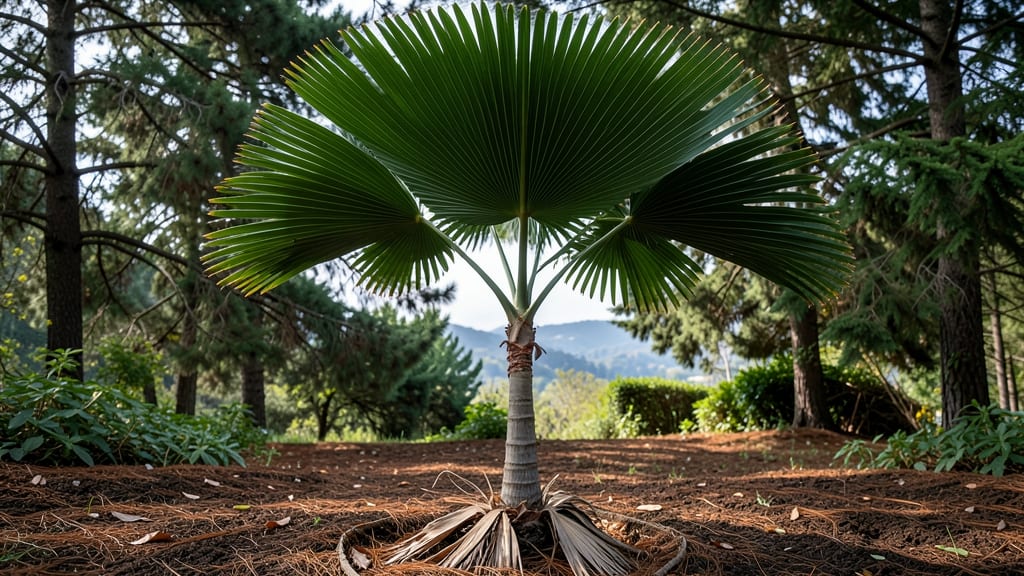
Pruning a majesty palm tree outdoors in the Pacific Northwest means keeping its fronds lush while protecting it from chilly winds and damp winters. ✨ I’ve wrestled with this tropical beauty through three PNW winters, and the key is timing—wait until late spring when new growth signals it’s ready.
The right cuts prevent frost damage while encouraging that signature fan-shaped canopy.
You’ll need sharp pruners, a ladder (for taller palms), and a bucket to collect fronds—no fancy tools, just the basics. The trick is removing only dead or yellowing fronds at the base, never more than a third of the canopy at once.
This keeps the tree strong enough to handle our region’s unpredictable weather, from sudden cold snaps to windy coastal storms.
What you’ll end up with is a palm that looks like it belongs in a Florida grove but thrives in your backyard. The new fronds will unfurl glossy and vibrant, and the trunk stays sturdy against winter’s occasional freeze.
Plus, you’ll avoid the sad, browned fronds that scream "neglect" to every neighbor who drives by.
This method works for palms in containers too—just move them to a sheltered spot before the first frost. For advanced gardeners, consider wrapping young trunks in burlap for extra protection during cold snaps. Let’s get those fronds looking like they’ve always belonged in your climate.
📚 In This Guide
- What you need
- Instructions
- Tips and common mistakes
- Wrapping up and next steps
What you need
- ● Pruning shears: Bypass pruners (sharp, 6–8" blades) for small fronds and stems.
- ● Loppers: 18–24" for thicker branches (rated for 2" cuts).
- ● Pruning saw: Heavy-duty (10–12" blade) for stubborn, thick stems.
- ● Gloves: Heavy-duty leather or palm-tree-specific gloves (thorn-resistant!).
- ● Disinfectant: 70% isopropyl alcohol or bleach solution (1:9 water ratio) to sterilize tools.
- ● Heavy-duty trash bags: 30+ gallon capacity for frond disposal (PNW winds = messy cleanup!).
- ● Ladder or lift: Extendable (16–20 ft) for tall Majesty Palms (safety first!).
- ○ Pruning sealant: Optional but handy (latex-based) to coat cut surfaces and prevent disease.
- ● Cold-weather gear: Long sleeves, hat, and sunscreen (yes, even in winter—PNW sun is sneaky!).
- ● Windbreak: Tarps or screens to shield your workspace if gusty conditions are forecasted.
- ○ Mulch or bark: Optional 2–3" layer around the base post-pruning to insulate roots.
- ● Check local pruning regulations—some PNW cities require permits for trees over 10 ft tall!
- ● Schedule pruning on a dry, mild day (50–70°F) to avoid stressing the tree.
- ● Gather a helper—Majesty Palms can get top-heavy, and two hands make light work!
Step-by-Step guide for pruning Majesty palm trees in cold climates
Here's how I prune my Pacific Northwest Majesty palms to keep them healthy through winter.
✂️ Step 1: Choose the Right Time for Pruning
Prune your Majesty palm in late winter or early spring, just as new growth begins but before buds fully swell. This timing lets the tree recover before summer heat arrives. In the PNW, aim for February or March when temperatures stay above 40°F—cold weather stresses newly cut branches.
Watch for the first signs of fresh growth at the base of fronds. These appear as small, tight buds along the trunk. Pruning too early removes protective foliage, while waiting too long risks winter damage to new shoots. I always check the weather forecast for a stretch of dry, mild days before starting.
🌿 Step 2: Identify and Remove Dead or Damaged Fronds
Start by removing any brown, crispy fronds that show no green tissue. These dead fronds drain energy from the tree. Use clean, sharp pruners to cut 1-2 inches below the point where the frond attaches to the trunk—this prevents water from pooling and causing rot.
Look for fronds with yellowing or blackened tips from winter burn. These often have some green tissue remaining, so cut back only to the last healthy section. I test by gently pulling on the frond—if it resists, it's still alive. Remove only what's clearly dead to maintain the tree's natural shape.
✂️ Step 3: Thin the Canopy for Better Airflow
Step back and assess the tree's overall shape. Majesty palms grow best with open, airy canopies that prevent fungal diseases. Remove every third frond from the bottom up, focusing on those that overlap or crowd others. This creates space for new growth while maintaining the tree's elegant form.
Use your pruners to make clean cuts at the base of the frond stem. Avoid leaving stubs—these can trap moisture and invite infection. If a frond is too large to cut at the base, remove it in sections, working from the bottom up. I always wear gloves to avoid the sharp, serrated edges of palm fronds.
💧 Step 4: Clean Up and Protect the Tree
After pruning, rake up all debris and dispose of it in the trash—not the compost. Palm fronds can harbor pests and diseases that spread to other plants. Wipe down your pruners with rubbing alcohol to sterilize them between cuts, especially if your tree shows signs of disease.
Apply a balanced palm fertilizer (like 8-8-8) around the base of the tree to replenish nutrients lost during pruning. Water deeply but avoid soaking the trunk. Majesty palms in the PNW benefit from mulch around the root zone to insulate roots during cold snaps. I use 3 inches of wood chips to retain moisture and regulate soil temperature.
Tips & tricks for pruning Majesty palm trees in cold climates
Here's what I've learned after years of pruning my Pacific Northwest Majesty palms—these details make all the difference for winter resilience.
Timing is Everything: The February or March window isn't just about avoiding winter damage—it's about catching that perfect moment when new buds appear but haven't fully opened. I've found that checking for those tiny tight buds at the frond base is more reliable than just guessing dates. If you're unsure, do the "bud test" by gently peeling back the outer frond layers to spot the green growth underneath. This visual cue works better than calendar dates alone.
Cutting Technique Matters: When removing fronds in Step 2, make sure your cuts are always 1-2 inches below the attachment point—this prevents water from pooling against the trunk, which is especially critical in our wet PNW winters. I've seen too many cases where improper cuts led to rot during our rainy seasons. Also, if you're dealing with large fronds, remove them in sections from the bottom up to avoid straining your arms while maintaining control.
Canopy Thinning Strategy: That "every third frond" rule in Step 3 isn't arbitrary—it creates the ideal airflow pattern that prevents fungal diseases common in our damp climate. Start from the bottom and work your way up to maintain the tree's natural shape. Pro tip: If your tree looks particularly dense, you can remove up to one-third of the fronds without harming it. Just avoid taking more than 25% of the total canopy in any single session to prevent stress.
Post-Pruning Protection: After cleaning up, that 3 inches of wood chips mulch isn't just decoration—it's insulation against our cold snaps. I've seen trees with insufficient mulch suffer from root shock during sudden temperature drops. Also, consider adding a lightweight frost cloth around the trunk during our coldest nights, especially for younger palms. This extra layer can make a huge difference in protecting new growth.
Pro Tips for Majesty Palm Tree Outdoor
- Here's what I've learned after years of pruning my Pacific Northwest Majesty palms—these details make all the difference for winter resilience.
- Timing is Everything: The February or March window isn't just about avoiding winter damage—it's about catching that perfect moment when new buds appear but haven't fully opened.
- I've seen too many cases where improper cuts led to rot during our rainy seasons.
Frequently asked questions
Got questions about keeping your majesty palm tree thriving outdoors in the Pacific Northwest? Here are some common concerns—and practical answers—to keep your palm looking regal year-round.
Can a majesty palm survive winter in the PNW?
A majesty palm tree is tropical but can tolerate brief cold snaps (down to 20°F) with proper care. In the PNW’s wet, mild winters, wrap the trunk in burlap or palm wrap and mulch heavily. Avoid pruning in winter—wait until spring (March–April) when new growth signals safety.
How often should I prune my majesty palm outdoors?
Prune only when necessary: remove dead fronds (brown, brittle leaves) and yellowing fronds (signs of stress). In the PNW, this is usually 1–2 times per year—spring for cleanup and late summer to prep for winter. Over-pruning stresses the tree; aim to leave ⅔ of the fronds intact for photosynthesis.
Why are my majesty palm fronds turning yellow or brown?
Yellow fronds often mean overwatering or nutrient deficiency (common in PNW’s acidic soil). Brown tips? Underwatering or salt buildup from tap water. Check drainage—majesty palms hate soggy roots. Fertilize in spring/summer with a balanced palm fertilizer (8-2-12 ratio).
Are there cold-hardy alternatives to majesty palms?
If you love the look but need hardier options, consider:
- Windmill Palm (Trachycarpus fortunei): Survives 10°F and thrives in PNW’s shade.
- Needle Palm (Rhapidophyllum hystrix): Cold-tolerant (15°F) and low-maintenance.
- Dwarf Palmetto (Sabal minor): Handles 15°F and grows well in containers.
How do I safely remove a dead majesty palm trunk?
If your palm is beyond saving, remove the trunk in late winter (when the tree is dormant). Wear gloves and safety goggles—the trunk is hard and fibrous! Cut the trunk into 2–3 ft sections with a pruning saw or chainsaw, then grind or chip the wood. Do not compost—palm wood decomposes slowly.
Wrapping up and next steps
The Majesty Palm Tree thrives in your Pacific Northwest outdoor space with the right pruning care—especially when winter’s chill tests its resilience! 🌿❄️ By mastering cold-hardy techniques, you’ll keep its lush canopy vibrant while avoiding common pitfalls.
Whether you’re trimming for health, aesthetics, or safety, these PNW-tested tricks ensure your palm stays majestic year-round.
Ready to level up your green thumb? Grab your tools, follow the steps, and watch your Majesty Palm flourish—one strategic cut at a time. 🌟 Next up: Monitor your tree’s growth, celebrate its progress, and share your pruning wins with fellow plant lovers!