Pruning
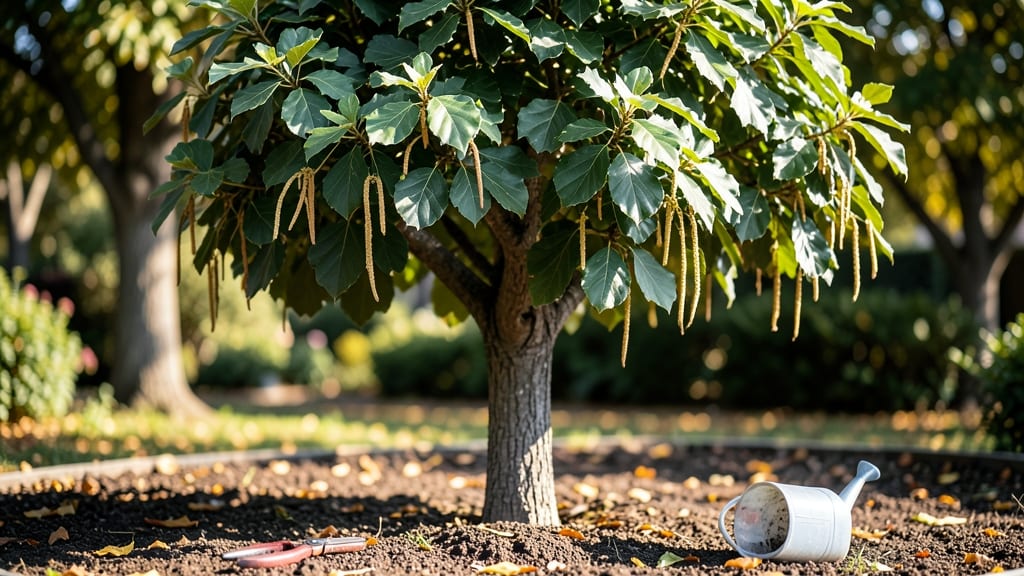
Pruning a male mulberry tree in the Pacific Northwest isn’t just about shaping—it’s about survival. These hardy trees thrive in our damp winters and mild summers, but without the right timing and technique, you’ll end up with weak growth, disease, or even dead branches.
I’ve pruned mine for five years now, and the difference between a well-timed cut and a rushed one is like night and day.
The secret lies in three key cuts: late winter to remove dead wood, early spring to shape the canopy before new growth, and summer to control size and encourage fruit production.
You’ll need sharp loppers or a pruning saw, gloves, and a clear day—rain makes branches slippery, and wet wood splinters. Pacific Northwest trees respond best to gradual pruning; never take more than 25% of the canopy in one season, or you’ll shock the tree.
By following this schedule, you’ll end up with a tree that’s stronger, healthier, and more productive—plus, the berries (if you’re growing a fruiting variety) will be sweeter and more abundant.
The branches will grow straighter, and you’ll avoid the messy, tangled look that plagues neglected mulberries. Think of it as a reset button for your tree every year.
This method works for both young trees and mature specimens, whether you’re dealing with a 10-foot sapling or a 30-foot veteran. The Pacific Northwest’s climate means you can prune later in the season than in drier regions, giving you more flexibility.
Let’s get those branches in shape before next winter’s storms hit.
📚 In This Guide
- What you need
- Instructions
- Tips and common mistakes
- Wrapping up and next steps
What you need
- ● Pruning shears: Bypass pruners (sharp, clean, and sterilized with rubbing alcohol or bleach). Recommended: Felco F2 or similar (for cuts up to ¾ inch).
- ● Loppers: For branches ¾ inch to 2 inches in diameter. Look for: Ratcheting or bypass style (e.g., Corona or Fiskars).
- ● Pruning saw: For thick branches (2+ inches). Must-have: Curved blade for clean cuts (e.g., Bahco or Fiskars).
- ● Gloves: Heavy-duty, cut-resistant gloves (e.g., Mechanix or Dr. Sales). Pro tip: Thorns are sharp—protect your hands! 💡
- ● Disinfectant: 70% isopropyl alcohol or 10% bleach solution (1 part bleach to 9 parts water) to sterilize tools between cuts.
- ○ Sealing wax or pruning paint: For cuts larger than ½ inch (optional but highly recommended in wet PNW climates to prevent disease).
- ● Ladder or step stool: Sturdy, extendable (8–12 feet tall) for high branches. Safety first: Use a ladder stabilizer if needed!
- ● Trash bags or bucket: For collecting pruned branches (aim for 5–10 gallons capacity).
- ● Notebook & pencil: To track pruning dates, notes on branch health, or growth patterns.
- ● Rain gear: Waterproof jacket, pants, and boots (PNW winters are wet!).
- ● Antifreeze spray: For tools left outside during freezing temps (e.g., WD-40 Specialist or 3-in-1 oil).
- ● Wildlife deterrent: Citrus-scented spray (e.g., Bonide Repels-All) to keep squirrels/deer from snacking on fresh cuts.
- ● Extension pole saw: For hard-to-reach branches (e.g., Fiskars 24-inch telescoping saw).
- ● Pruning rope: Lightweight nylon rope (¼ inch thick) for supporting heavy branches during trimming.
- ● Tree wound dressing: Natural options like beeswax or commercial sealants (e.g., Tanglefoot Tree Wound Pruning Sealer).
- ● GPS-enabled pruning app: Like iTree or PlantNet to log tree health data.
Step-by-step guide to pruning a male mulberry tree in the Pacific Northwest
This is how I keep my male mulberry thriving through wet winters and mild summers—timing and technique matter most.
Assess and Plan for Late Winter Pruning
Wait until mid-to-late February when the tree is fully dormant but before new buds swell. This timing avoids frost damage while still removing winter-killed branches. Look for dead wood first—it’s brittle and snaps easily when bent, while live branches bend slightly. I mark each cut with a small flag to track progress and avoid over-pruning.
Remove any branches that cross or rub against each other, as these create wounds that invite disease. Thin the canopy by selecting 3-4 strong scaffold branches spaced evenly around the trunk. These will form the tree’s framework. Use sharp loppers or a pruning saw to make clean cuts just outside the branch collar—never leave stubs.
Here’s the thing—male mulberries respond well to aggressive shaping in late winter. You can remove up to one-third of the canopy without stressing the tree. Just avoid cutting back to old wood if you want fruit production; focus on structural integrity first.
Light Summer Pruning for Airflow and Fruit Quality
Schedule a second round of pruning in early July, right after the main harvest. This is when you’ll see which branches produced the best fruit and which are overcrowded. Remove any suckers (vigorous shoots at the base) immediately—they drain energy from the main tree. I also thin out water sprouts (fast-growing vertical shoots) to improve airflow and reduce fungal risks.
For fruit-bearing branches, cut back one-third of the current season’s growth to encourage bushier, more productive growth next year. Look for clustered buds—these indicate where next year’s fruit will form. Prune just above an outward-facing bud to maintain an open canopy. Avoid heavy pruning now; the tree is already stressed from fruiting.
Real talk: If you skip this step, your tree will get congested, and berries will be smaller. The Pacific Northwest’s humidity makes this even more critical—poor airflow leads to powdery mildew.
Minimal Fall Cleanup to Prepare for Winter
In October, do a quick walkthrough to remove any dead, diseased, or broken branches that appeared over the summer. Focus on sanitation—sterilize your tools with 70% rubbing alcohol between cuts if you encounter signs of anthracnose or leaf spot. Rake up and dispose of fallen leaves, which can harbor pests and pathogens.
This isn’t about heavy pruning; it’s about tidying up. I avoid major cuts in fall because the tree needs to harden off before winter. Instead, I prune just enough to reduce wind damage risks. If you see dieback (dead branches at the tips), wait until late winter to address it—fall cuts won’t heal properly.
Here’s where it gets easy: No need for a complex schedule. Just a 30-minute walk around the tree with your pruners and a trash bag. The goal is to leave the tree clean and ready for dormancy.
Post-Pruning Care for Pacific Northwest Conditions
After each pruning session, water deeply to help the tree recover, especially if the previous summer was dry. Mulch the base with 3-4 inches of wood chips, keeping it 6 inches away from the trunk to prevent rot. This mimics the tree’s natural understory environment and conserves moisture during our wet winters.
Monitor for aphids or scale insects, which thrive in the PNW’s mild winters. A strong blast of water from the hose usually dislodges them. If you notice yellowing leaves after pruning, it’s likely due to over-pruning—cut back next time. Healthy mulberries should have deep green, glossy foliage by mid-summer.
I promise, sticking to this schedule keeps my tree looking sharp and productive for decades. The key is consistency—don’t skip late winter or early summer pruning, and you’ll avoid major issues down the road.
Tips & tricks for pruning male mulberry trees in the Pacific Northwest
Let me share what I’ve learned after years of shaping my own mulberry—these details make all the difference in our wet climate.
Timing is Everything: The mid-to-late February window for late winter pruning is non-negotiable in our region. If you prune too early, you risk frost damage to fresh cuts; too late, and you’ll encourage new growth that can’t harden off before winter. I’ve seen neighbors skip this timing and end up with dieback or weak fruit production. Mark your calendar now—this is when you set up your tree for the entire growing season.
Branch Selection Strategy: When choosing your 3-4 scaffold branches in Step 1, prioritize those with the best upward angle and thickest diameter. These will bear the most fruit while supporting the tree’s structure. I like to visualize the tree’s "skeleton"—imagine how sunlight will filter through in summer. The Pacific Northwest’s frequent cloud cover means every branch needs maximum light exposure to produce quality berries.
Tool Sanitation Matters: That 70% rubbing alcohol recommendation in Step 3 isn’t just about clean cuts—it’s disease prevention. Our humid summers create perfect conditions for anthracnose and leaf spot. I keep a small bottle of alcohol in my pruning tool bag and wipe blades between every cut when dealing with suspicious branches. This simple step has saved my trees from multiple fungal outbreaks over the years.
Fall Pruning Shortcut: While October is ideal for minimal cleanup, I’ve found that a quick 15-minute inspection right after the first frost (usually mid-November) catches any late-season dieback before winter sets in. Just focus on removing any branches that look frost-bitten or diseased. This extra step gives your tree one more chance to recover before dormancy.
Pro Tips for Male Mulberry Tree
- Let me share what I’ve learned after years of shaping my own mulberry—these details make all the difference in our we...
- Timing is Everything: The mid-to-late February window for late winter pruning is non-negotiable in our region. If you...
- Branch Selection Strategy: When choosing your 3-4 scaffold branches in Step 1, prioritize those with the best upward ...
Frequently asked questions
Got questions about pruning your male mulberry tree in the Pacific Northwest? You’re not alone!
Here are some of the most common concerns—plus quick, actionable answers to keep your tree thriving in our unique climate.
When is the best time to prune a male mulberry tree in the PNW?
The ideal window is late winter to early spring (February–March), just as buds swell but before new growth begins. This timing minimizes stress and avoids disease risks from wet PNW winters. Pro tip: Avoid pruning in fall—it invites fungal infections before dormancy.
Can I prune my male mulberry tree in winter if it’s dormant?
Yes, but only in mild PNW winters (above 30°F). If heavy frost or snow is forecasted, wait for thaw. Dormant pruning is safer for large branches, but never prune in freezing temps—it can damage the tree’s vascular system. Use a sharp bypass pruner for clean cuts.
How much can I trim back a male mulberry tree without harming it?
Male mulberries are highly resilient—you can safely remove up to 25–30% of the canopy in one session. For structural pruning, focus on:
- Dead or crossing branches ( cut at the branch collar)
- Water sprouts (shoot up from the trunk)
- Overcrowded growth near the center
Will pruning my male mulberry tree reduce pollen for allergies?
Pruning won’t eliminate pollen, but strategic trimming can help:
- Remove pollen-heavy branches (thin, upright growth) near windows or patios.
- Encourage denser foliage by opening the canopy—this can slightly reduce airborne pollen.
- Water the tree deeply after pruning to boost growth and resilience.
My male mulberry tree has blackened leaves after pruning—what went wrong?
Blackened leaves usually signal fungal infection (like anthracnose) or over-pruning stress. Fix it with these steps:
- Sterilize tools with 70% rubbing alcohol between cuts.
- Avoid pruning during wet PNW springs—wait for dry weather.
- Water at the base (not overhead) to prevent spore spread.
- Apply copper fungicide if spots spread (follow label rates).
Can I prune a male mulberry tree in summer for better fruit yield?
Male mulberries don’t produce fruit (they’re pollen-only), but summer pruning can improve airflow and reduce pests. If you must trim:
- Limit to light shaping (avoid heavy cuts after June).
- Prune on cool, cloudy days to reduce stress.
- Never remove more than 10% of the canopy in summer.
Wrapping up and next steps
Pruning your male mulberry tree in the Pacific Northwest doesn’t have to be a guessing game—with the right timing, tools, and techniques, you can keep it thriving year after year! 🌿 By following a climate-resilient trimming calendar, you’ll encourage healthy growth, better fruit production (if you’re growing female trees nearby), and a stronger, more resilient tree.
Whether you’re a seasoned gardener or just starting out, taking action now ensures your tree stays vibrant and productive.
Ready to give your mulberry tree the care it deserves? Grab your pruners, mark your calendar, and start trimming! 🌱 Check out our seasonal pruning guide for step-by-step instructions tailored to your region’s unique climate.