Pruning
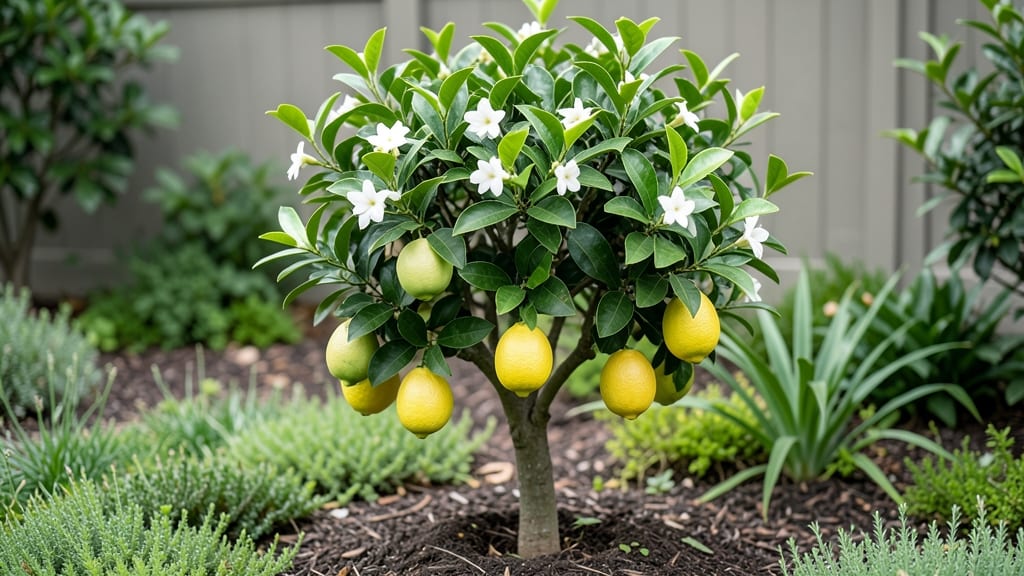
A mini lemon tree indoors in the Pacific Northwest isn’t just possible—it’s a fragrant, sunlit centerpiece that rewards patience with tiny, tart lemons. I’ve grown mine through three winters, and the secret isn’t fancy equipment but matching its Mediterranean roots to our damp, gray climate.
The right light, humidity tweaks, and a little winter coaxing turn it from a struggling houseplant into a productive little tree.
You’ll need a 10-15 gallon container with drainage, a bright south-facing window (or grow lights for 12+ hours daily), and well-draining potting mix—think cactus soil with perlite. Water when the top inch feels dry, but never let it sit soggy; root rot is the silent killer of indoor citrus.
Humidity’s the game-changer here: a pebble tray or humidifier keeps leaves from curling like they’re begging for rain.
By summer, you’ll see glossy new leaves and—with luck—tiny blossoms. Prune sparingly in late winter to shape the tree, and fertilize lightly every 6 weeks with citrus-specific feed.
The first lemons might take 2-3 years, but the journey? That’s the reward: watching buds form in February, then tiny fruit ripening by Christmas.
PNW-specific tip: Move your tree outdoors in warm months (60°F+ nights) for fresh air and sunlight—just avoid cold drafts. Pests like spider mites hate humidity, so your pebble tray doubles as defense. Stick with this, and you’ll have a tree that thrives year-round, not just survives.
📚 In This Guide
- What you need
- Instructions
- Tips and common mistakes
- Wrapping up and next steps
What you need
- ● Mini lemon tree (Citrus × limon): Choose a dwarf variety (like 'Meyer' or 'Improved Meyer') from a reputable nursery or online seller. Size: 1–3 ft tall.
- ● Well-draining potting mix: Use a blend of cactus/succulent mix (50%), perlite (25%), and peat moss or coco coir (25%). Quantity: 1–2 gallons, depending on pot size.
- ● Pot with drainage holes: Size: 10–15 inches in diameter (for mature trees) or 5–7 inches for seedlings. Material: Terracotta or ceramic (preferred for breathability).
- ● Fertilizer: Balanced liquid fertilizer (10-10-10 or 20-20-20) for general growth.
- ● Citrus-specific fertilizer (higher in nitrogen and micronutrients) for flowering/fruiting.
- ● Pruning tools: Sharp bypass pruners (for clean cuts).
- ● Sterilizing alcohol wipes (to prevent disease).
- ● Grow lights: LED full-spectrum bulbs (12–16 hours/day) if natural light is limited.
- ● Humidity tray or pebble tray (especially useful in dry PNW winters).
- ● Support stake (for taller trees) or trellis (for shaping).
- ● Citrus food supplements: Epsom salt (for magnesium) or iron chelates (if leaves yellow).
- ● Spray bottle (for misting leaves in low-humidity months).
- ● A sunny spot: South- or west-facing window (or supplement with grow lights).
- ● Consistent care routine: Watering, fertilizing, and pruning schedules (we’ll cover these in detail!).
- ● Patience: Mini lemon trees may take 2–5 years to bear fruit indoors!
Step-by-step indoor lemon tree cultivation for Pacific Northwest growers
Mastering this citrus staple indoors means understanding its tropical roots and adapting to your cooler climate.
Select the Right Variety and Container
Choose a dwarf variety like 'Meyer' or 'Improved Meyer'—these thrive indoors and produce fruit reliably. The 4-inch pot you start with will need upgrading to 6-8 inches within a year, but avoid anything larger than 12 inches until the tree is at least three years old. Citrus roots prefer being slightly root-bound, which encourages flowering.
Use a well-draining citrus potting mix—never garden soil. The 1-gallon container you'll use initially should have drainage holes, and I recommend adding a 2-inch layer of gravel at the bottom to prevent soggy roots. Your Pacific Northwest humidity will appreciate this extra drainage, as citrus hates wet feet.
Position for Maximum Light Without Scorching
Place your lemon tree within 3-4 feet of a south-facing window—this is critical for Northwest growers where natural light is weaker. If your space lacks sufficient sunlight, supplement with a 14-hour grow light daily. The tree will tell you if it's getting enough light: new leaves should be bright green and glossy, not pale or yellow.
Rotate the pot quarter-turn weekly to prevent lopsided growth toward the light source. In winter, when days are shortest, move the tree to the brightest spot in your home—even a well-lit kitchen can work if supplemented with artificial light. Watch for leaf drop in winter; this is normal if humidity stays low, but excessive dropping signals a need for more light or warmth.
Maintain Ideal Temperature and Humidity
Keep your lemon tree in a spot where temperatures stay between 65-75°F during the day and 55-60°F at night. Northwest homes often struggle with dry indoor air, so use a humidifier or place the pot on a pebble tray filled with water. Mist the leaves daily in winter when indoor heating dries the air—citrus loves humidity levels around 50-60%.
Never let the tree sit near drafts or cold windows—citrus is tropical and sensitive to sudden temperature drops. If you notice yellowing leaves with brown edges, it's usually a sign of low humidity or cold stress. Increase airflow gently with a small fan on low setting to mimic outdoor conditions, but avoid direct drafts that can cause leaf burn.
Water with Precision to Prevent Root Rot
Water when the top 1-2 inches of soil feel dry—stick your finger in the soil to check. In summer, this might mean watering every 5-7 days, while winter slows growth and reduces watering to every 10-14 days. Always water until it runs freely from the drainage holes, then empty the saucer to prevent root suffocation.
Your Pacific Northwest's softer water is actually ideal for citrus—no need for special treatments. Overwatering is the #1 killer of indoor lemon trees, so when in doubt, wait another day. You'll know you're doing it right when you see small, dark green leaves emerging regularly and the tree maintains a firm, upright stance without wilting between waterings.
Fertilize and Prune for Fruit Production
Feed your tree monthly from spring through fall with a balanced citrus fertilizer (10-10-10 or similar). Reduce to every 6-8 weeks in winter when growth slows. Young trees need less—start with half-strength applications until the tree is two years old. Watch for new growth flushes after fertilizing; this is your signal the tree is thriving.
Prune in late winter or early spring to shape the tree and encourage airflow. Remove any dead, diseased, or crossing branches first, then trim back overgrown limbs to maintain an open center. Never cut more than 25% of the foliage at once—this stresses the tree. You'll reward your efforts with white blossoms by early summer, followed by fruit in 9-12 months for dwarf varieties.
Tips & tricks for perfect indoor lemon tree cultivation
Here's what nobody tells you about keeping your citrus thriving in Pacific Northwest conditions.
Container Upgrade Strategy: When transitioning from your initial 4-inch pot to 6-8 inches, do it gradually. Start with a 5-inch pot after 3 months to help the tree adjust to its new root space. This prevents shock from going straight to the larger size. The root-bound condition you want is achieved through this gradual progression, not by forcing the tree into too much space too soon.
Light Supplement Hack: If you're using a grow light for those shorter winter days, position it just 6-8 inches above the tree's canopy. This closer distance compensates for the lower light intensity of indoor bulbs. I've found that a simple LED grow light on a timer works better than expensive specialty lights—just ensure it runs for the full 14 hours daily as specified. The key is consistency over intensity.
Temperature Transition Tip: During our Pacific Northwest winters when indoor temps drop below 60°F at night, move your lemon tree away from exterior walls and glass doors. These areas act as cold bridges, pulling heat from your tree. Place it on a stable surface like a plant stand to improve airflow underneath—this helps maintain that critical 55-60°F nighttime range without needing a space heater.
Fertilizer Timing Secret: The monthly spring-through-fall feeding schedule works perfectly, but here's the pro move: alternate between liquid and slow-release fertilizers. Use liquid fertilizer for the first month to give your tree an immediate nutrient boost after winter, then switch to slow-release granules for the remaining months. This two-step approach prevents nutrient burn while ensuring steady growth. Always water thoroughly before and after fertilizing to protect those delicate roots.
Pro Tips for Mini Lemon Tree Indoor
- Here's what nobody tells you about keeping your citrus thriving in Pacific Northwest conditions.
- Container Upgrade Strategy: When transitioning from your initial 4-inch pot to 6-8 inches, do it gradually.
- Light Supplement Hack: If you're using a grow light for those shorter winter days, position it just 6-8 inches above the tree's canopy.
Frequently asked questions
Got questions about keeping your mini lemon tree indoor thriving in the Pacific Northwest?
You’re not alone! Here are answers to the most common concerns—from pruning to troubleshooting—so you can enjoy fresh lemons year-round without the guesswork.
How often should I prune my indoor mini lemon tree?
Prune your mini lemon tree 2–3 times a year, focusing on shaping in early spring (before new growth) and light maintenance after flowering. Avoid heavy pruning in winter—this tree needs its energy to survive the shorter days. Use clean, sharp shears and remove dead or crossing branches first. See our step-by-step pruning guide for PNW-specific tips!
Can I grow a mini lemon tree from seed, or should I buy a grafted one?
While you can grow a lemon tree from seed, it’ll take 5–10 years to bear fruit—and the lemons may not taste true to the parent plant. For faster results (and better quality), opt for a grafted dwarf variety like ‘Meyer’ or ‘Improved Meyer.’ These are bred to thrive indoors and produce lemons in 2–3 years!
Why are my lemon tree’s leaves turning yellow, even with proper watering?
Yellow leaves often signal overwatering or nutrient deficiency. Check the soil—if it’s soggy, let it dry out more between waterings. For yellowing between veins (a classic sign of iron deficiency), use a citrus-specific fertilizer every 4–6 weeks. Pro tip: Flush the soil with water monthly to prevent salt buildup from tap water!
Do indoor lemon trees need sunlight like outdoor ones?
Mini lemon trees crave 6–8 hours of bright, indirect light daily. In the PNW’s cloudy winters, supplement with a grow light (12–14 hours/day). South-facing windows are ideal, but east or west works too. Watch for: Leaves stretching toward light = not enough sun; brown patches = too much direct sun (use a sheer curtain).
How do I get my indoor lemon tree to flower and fruit?
Flowering and fruiting depend on 3 key factors:
- Light: Ensure full-spectrum grow lights or a sunniest window spot.
- Temperature: Keep it 65–75°F (avoid drafts or cold windows).
- Care: Prune to encourage airflow, fertilize with low-nitrogen citrus food, and maintain 50–60% humidity (a pebble tray helps!).
What’s the best temperature range for a mini lemon tree in winter?
Keep your tree in a 60–70°F range during winter to mimic its natural dormancy. Avoid placing it near heating vents (which dry out the air) or drafty windows. If your home drops below 55°F at night, move it to a warmer room or use a space heater with a thermostat nearby.
Wrapping up and next steps
Growing a mini lemon tree indoors in the Pacific Northwest is totally doable—just follow the right care tips, especially when it comes to pruning to keep it healthy and fruitful!
With patience and a little attention to light, water, and seasonal adjustments, your citrus tree can thrive year-round, even in cooler climates. 🌱
Now that you’ve got the know-how, roll up your sleeves and start pruning! Grab your shears, pick a sunny spot, and watch your lemon tree flourish. Before you know it, you’ll be harvesting sweet, homegrown lemons—what’s not to love? 🍋✨