
Pruning
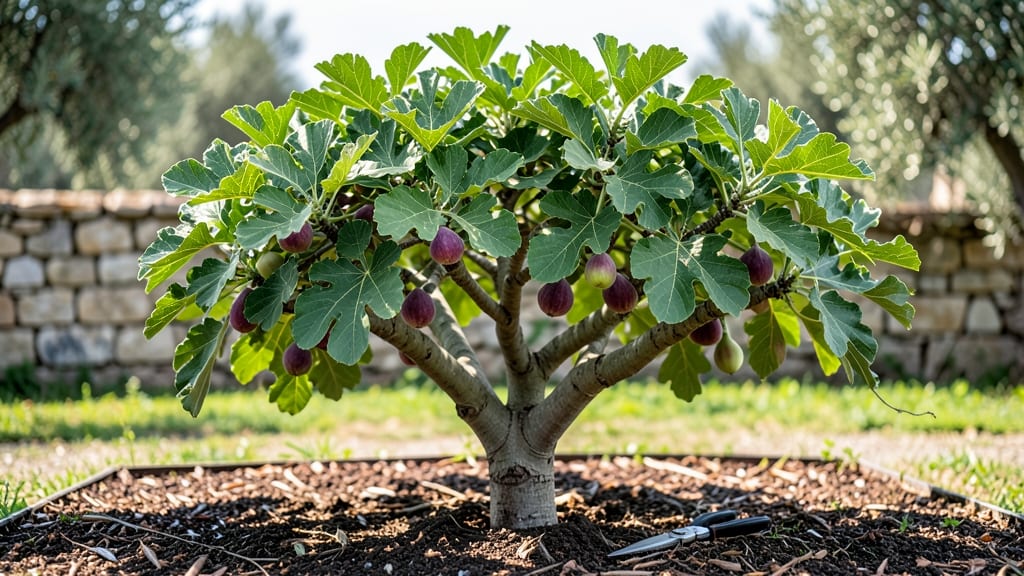
Growing Miss Figgy fig trees in the Pacific Northwest means you can finally enjoy homegrown figs without the fear of frost wiping out your harvest. This cold-hardy variety thrives where others fail, and with the right pruning, it rewards you with sweet, plump fruit year after year.
I learned the hard way that winter prep is everything—skipping it means risking lost crops, but doing it right guarantees a bountiful summer.
The secret to success starts with choosing the right spot: full sun and well-draining soil are non-negotiable. Miss Figgy tolerates cooler climates better than most figs, but it still needs shelter from harsh winds and late frosts.
Once established, it’s surprisingly low-maintenance—just consistent watering and annual pruning to shape the tree and encourage fruit production. The first harvest might surprise you with its size and flavor, especially after a winter of proper care.
Pruning in late winter or early spring is where the magic happens. You’ll remove dead wood, thin out crowded branches, and shape the tree to maximize sunlight exposure for fruit development. The result?
A productive, compact tree that bears fruit reliably even in the PNW’s cooler summers. With each passing season, the tree grows stronger and more resilient, proving that cold-hardy doesn’t mean low-yield.
This variety is perfect for gardeners who love fruit trees but live in zones where traditional figs struggle. Whether you’re a beginner or a seasoned gardener, Miss Figgy delivers on its promise of cold-resilient fruit—with just a little extra attention to winter prep and pruning.
Let’s get your tree set up for success this season.
📚 In This Guide
- What you need
- Instructions
- Tips and common mistakes
- Wrapping up and next steps
What you need
- ● Pruning shears: Bypass pruners (sharp, clean, and sterilized with rubbing alcohol) for cuts under ½ inch in diameter.
- ● Loppers: 1 pair (for thicker branches, ¾–1½ inches in diameter). Look for bypass blades to avoid crushing.
- ● Pruning saw: 1 handheld saw (for branches thicker than 1½ inches). A curved-tooth saw works best for fig wood.
- ● Gloves: Heavy-duty, cut-resistant gardening gloves (fig thorns are no joke!).
- ● Disinfectant: 70% isopropyl alcohol or a 10% bleach solution (for sterilizing tools between cuts).
- ● Rubbing alcohol wipes (for quick cleanups on the go).
- ● 5-gallon bucket (for collecting pruned branches/debris).
- ● Twine or zip ties (to secure large branches during pruning).
- ● Ladder or sturdy stool (if your tree exceeds 6 feet tall).
- ● Water spray bottle (to rinse tools and wounds post-pruning).
- ● Hand pruners with a ratchet mechanism (for fatigue-free pruning sessions).
- ● Tree wound paint (like Tanglefoot Tree Wound Pruning Seal)—controversial but useful for large cuts.
- ● Extension pole pruners (for high branches without a ladder).
- ● Labeling tags (if you’re grafting or propagating cuttings).
- ● Compost bin (to repurpose pruned branches as mulch).
- ● Safety glasses (to shield against flying debris).
Step-by-step pruning guide for cold-hardy fig trees in the Pacific Northwest
Here's how to coax maximum fruit production from your Miss Figgy while protecting it through our wet winters.
Time Your Pruning for Dormancy and Spring Growth
Prune your Miss Figgy fig tree during late winter or early spring, ideally between mid-February and early March when the tree is still dormant but just before buds begin to swell. This timing ensures you remove dead wood while preserving next year's fruit potential. In the Pacific Northwest, our cooler springs mean you can delay pruning slightly longer than in warmer climates—wait until you see tight, brown buds forming along the branches.
I always prune after the worst winter storms have passed but before new growth appears. This gives the tree time to heal before the growing season kicks in. If you prune too early, you risk exposing fresh cuts to late frosts. If you wait too long, you'll remove next year's fruit buds along with the dead wood.
Remove Dead, Diseased, and Weak Wood First
Start by eliminating any branches that are completely dead—these will be brittle, dark, and show no sign of life when scratched. Next, remove branches with cankers, fungal spots, or oozing sap, cutting back to healthy wood at least 6 inches below the affected area. These cuts should expose fresh, light-colored wood rather than the dark, diseased tissue.
For weak or crossing branches, prioritize those growing inward or rubbing against others. These create entry points for pathogens and compete with stronger growth. I make clean cuts at a 45-degree angle just outside the branch collar—the swollen area where the branch meets the trunk. This ensures proper healing and prevents water from pooling on the cut.
Thin the Canopy for Air Circulation and Light Penetration
Figs need good airflow to prevent fungal diseases like fig rust, which thrives in our damp Pacific Northwest climate. Step back and look at your tree's structure—aim to create an open, vase-like shape with 6-8 main scaffold branches spaced evenly around the trunk. Remove any branches growing straight upward ("water sprouts") or those growing too close together.
For each remaining branch, thin out competing growth by cutting back to a strong lateral bud facing outward. This encourages the tree to develop a sturdy framework rather than a dense tangle. In Miss Figgy's case, you'll want to preserve at least 3-4 strong branches per main scaffold to ensure good fruit production. Remember, you can always prune more later, but you can't put back what you cut off.
Shape for Fruit Production and Winter Protection
Figs produce fruit on current season's growth, so focus on maintaining 4-6 inches of healthy wood on each branch. For branches that are too long, cut back to a strong outward-facing bud or a lateral branch. This encourages bushier growth that will bear more fruit. In the Pacific Northwest, we often see figs struggle with winter dieback, so I recommend leaving more wood than you think you need—you can always prune back more in subsequent years.
For young trees, I make the cuts just above a leaf bud to encourage branching. For mature trees, aim to maintain a balanced shape that allows sunlight to reach the center of the tree. This prevents the inner branches from becoming weak and shaded out. After pruning, disinfect your tools with 70% rubbing alcohol to prevent spreading disease between cuts.
Apply Post-Pruning Care for Strong Recovery
After pruning, apply a layer of 2-3 inches of wood chips around the base of the tree (but not touching the trunk) to protect roots and retain moisture. Water deeply to help the tree recover from the stress of pruning. In our wet climate, we don't need to worry about drought stress, but keeping the soil consistently moist helps the tree establish new growth quickly.
Monitor the tree closely in the weeks following pruning. If you see new growth emerging from old cuts, you've pruned too aggressively. If branches remain bare with no buds, you may have removed next year's fruit potential. In that case, leave more wood next time. The goal is to find that sweet spot where the tree looks open and airy but still has plenty of buds to produce fruit.
Tips & tricks for perfect Miss Figgy pruning
These essential techniques will help you master pruning your cold-hardy fig tree while maximizing fruit production in our Pacific Northwest climate.
Timing is Everything: The mid-February to early March window is critical because it balances winter dormancy with bud swelling. I've learned the hard way—pruning too early exposes cuts to late frosts, while waiting too long risks removing next year's fruit buds. Check for tight, brown buds along branches as your visual cue to begin. In our cooler climate, you can safely delay slightly longer than warmer regions, but don't wait until buds start swelling actively.
Pruning Technique for Healthy Growth: When making cuts, always aim for the branch collar—the swollen area where the branch meets the trunk. This ensures proper healing and prevents water from pooling on the cut surface. For diseased branches, cut back to at least 6 inches of healthy wood below the affected area. I've found that making clean cuts at a 45-degree angle just outside the collar creates the best healing response. Remember, you can always prune more later, but you can't put back what you cut off.
Canopy Structure Matters: Aim for an open, vase-like shape with 6-8 main scaffold branches spaced evenly around the trunk. This structure allows for proper air circulation, which is crucial in our damp climate to prevent fungal diseases like fig rust. For each remaining branch, thin out competing growth by cutting back to a strong lateral bud facing outward. In Miss Figgy's case, preserving at least 3-4 strong branches per main scaffold ensures good fruit production while maintaining structural integrity.
Pro Tips for Miss Figgy Fig Tree
- These essential techniques will help you master pruning your cold-hardy fig tree while maximizing fruit production in our Pacific Northwest climate.
- Timing is Everything: The mid-February to early March window is critical because it balances winter dormancy with bud swelling.
- Pruning Technique for Healthy Growth: When making cuts, always aim for the branch collar—the swollen area where the branch meets the trunk.
Frequently asked questions
Got questions about pruning your Miss Figgy Fig Tree for a cold-hardy harvest? Here are answers to the most common queries from PNW gardeners—no fig-fiddling required!
When’s the best time to prune my Miss Figgy in the Pacific Northwest?
Prune Miss Figgy in late winter or early spring (February–March) before new growth starts. Avoid pruning in fall—it can stimulate tender growth vulnerable to frost. If you must prune in summer, do it after harvest to avoid stressing the tree.
How cold-hardy is Miss Figgy, and do I need extra winter protection?
Miss Figgy tolerates temps down to 10°F (-12°C), but young trees or harsh winters may need help. Wrap the trunk with burlap or frost cloth and mulch heavily (4–6 inches) around the base. Avoid heavy mulch near the trunk to prevent rot.
What’s the best pruning technique for maximizing fig production?
Use the open-center method: Remove dead/diseased wood, thin out crowded branches, and cut back last year’s growth to 2–3 buds from the main stem. Leave 3–5 main branches for airflow and sunlight. Miss Figgy thrives with 60–70% sunlight.
Can I grow Miss Figgy in containers, and how does pruning differ?
Yes! Container-grown Miss Figgy needs more frequent pruning (every 6–12 months) to control size. Use dwarfing root pruning (trim roots every 2 years) and prune 1/3 of the canopy annually. Move pots indoors or to a garage if temps drop below 20°F (-7°C).
My Miss Figgy’s leaves are yellowing—did I prune wrong?
Yellow leaves often mean over-pruning or nutrient deficiency. If you cut too aggressively, the tree may struggle to recover. Fertilize with citrus-specific mix (high in zinc/manganese) and water deeply. Avoid pruning again until new growth appears.
How do I encourage bigger figs on Miss Figgy?
Bigger figs = balanced pruning + sunlight. Thin out overlapping branches to improve airflow, and prune to expose the trunk for better sunlight penetration. Water deeply but infrequently (1–2 inches/week) and fertilize with low-nitrogen, high-potassium mix during fruiting season.
Wrapping up and next steps
Pruning your Miss Figgy fig tree isn’t just about shaping—it’s about unlocking a bountiful, cold-hardy harvest in the Pacific Northwest! 🌿 With the right tools, timing, and techniques, you’ll turn winter’s chill into next year’s sweetest rewards.
Remember, patience and precision pay off, so take your time and trust the process.
Ready to transform your fig tree into a thriving fruit powerhouse? Start by scheduling your next pruning session—whether it’s a seasonal check-in or a deep winter trim. Grab your shears, channel your inner green thumb, and watch your Miss Figgy flourish! 🌱✨