Pruning
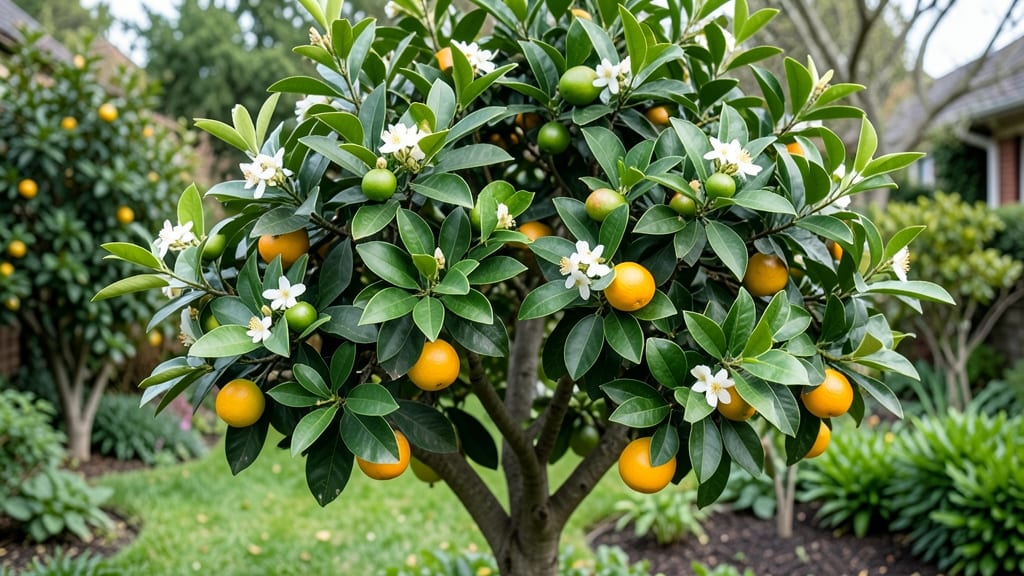
Growing an orange tree indoors isn’t just possible—it’s a year-round fruit promise you can keep on your windowsill. 🌱 I’ve watched my Meyer lemon tree bear fruit indoors, and the same principles apply to dwarf orange varieties like Calamondin or Improved Meyer.
The key isn’t just sunlight or water; it’s creating a microclimate that mimics the Mediterranean warmth these trees crave.
Start with the right setup: a 10-15 gallon pot with drainage holes, well-draining soil mix (equal parts potting soil, perlite, and compost), and a south-facing window where temps stay above 60°F. Humidity is the game-changer—mist leaves regularly or use a pebble tray to keep air moist, especially in winter when indoor heat dries the air.
Fertilize lightly every 6-8 weeks with citrus-specific food, and you’ll see new growth within weeks.
By spring, you’ll notice tiny blossoms forming—proof your tree is happy. With patience (and maybe a little hand-pollination with a paintbrush), those flowers turn into bright orange fruit by fall or winter.
The scent alone makes it worth the effort, but the taste? That’s the real reward. Just be ready for a 3-5 year wait before your first harvest, though some varieties fruit earlier.
Troubleshooting is simple: yellow leaves mean overwatering; brown edges signal low humidity. Pests like spider mites? Wipe leaves with soapy water. The beauty of indoor citrus is that you control every variable—no more guessing games. Ready to turn your kitchen into an orchard?
📚 In This Guide
- What you need
- Instructions
- Tips and common mistakes
- Wrapping up and next steps
What you need
- ● Orange tree (Citrus × sinensis or dwarf variety) – Choose a dwarf or semi-dwarf variety (e.g., 'Calamondin' or 'Meyer lemon-orange hybrid') for indoor spaces. Ensure it’s healthy, with no signs of pests or disease.
- ● Large container (15–25 gallons) – Use a durable, well-draining pot with drainage holes. Ceramic or fabric pots work well.
- ● High-quality potting mix – A blend of cactus/succulent mix (50%) + perlite/vermiculite (30%) + compost (20%) ensures aeration and drainage.
- ● Slow-release citrus fertilizer – Look for a balanced formula (e.g., 6-6-6 or 10-10-10) with micronutrients like iron and zinc.
- ● Pruning tools – Bypass pruners (sterilized with rubbing alcohol) for clean cuts, and sharp scissors for smaller trims.
- ○ Support structure (optional but helpful) – A small trellis or bamboo stake to guide growth if your tree becomes top-heavy.
- ● Grow lights (LED or fluorescent, 12–16 hours/day) – Full-spectrum bulbs (5000–6500K) mimic sunlight for indoor trees.
- ● Humidity tray or pebble tray – Helps maintain 40–60% humidity, especially in dry climates.
- ● Spray bottle (with water) – For gentle leaf misting to prevent browning.
- ● Citrus-specific pest control – Neem oil or insecticidal soap for aphids, scale, or spider mites.
- ● pH testing kit – Ensures soil stays in the ideal range (6.0–7.0) for citrus.
Step-by-step guide to growing citrus trees indoors
Here’s how to nurture a thriving dwarf citrus tree that bears fruit year-round.
🪴 Step 1: Choose the Right Container and Soil
Start with a 12-15 inch diameter pot with drainage holes—citrus roots need room to spread but also air circulation to prevent rot. I use a well-draining potting mix (equal parts peat moss, perlite, and sand) to mimic the Mediterranean soil these trees love. Avoid garden soil—it compacts and suffocates roots.
Fill the pot 2/3 full with the mix, leaving space for roots to grow downward. Tap the container gently to settle the soil but keep it loose. The first true leaves will tell you if drainage is right—yellowing leaves mean poor airflow or soggy roots.
☀️ Step 2: Position for Bright, Indirect Light
Citrus trees need 6-8 hours of bright, indirect sunlight daily—think east or west-facing windows, or a grow light if natural light is weak. South-facing windows can scorch leaves, so I use sheer curtains to diffuse harsh afternoon rays. You’ll know the light is perfect when new growth is dark green and glossy, not pale or stretched.
Rotate the pot a quarter turn weekly so the tree grows evenly. If leaves yellow between veins, it’s a classic sign of chlorosis—your tree needs more direct sunlight or a chelated iron supplement.
💧 Step 3: Water Deeply and Maintain Humidity
Water when the top 2 inches of soil feel dry—citrus trees hate soggy roots but also can’t tolerate drought. I use room-temperature water to avoid shocking the roots, and I pour it slowly until it drains freely from the bottom. Empty the saucer after 10 minutes to prevent root rot.
Humidity is key, especially in dry indoor air. Place the pot on a pebble tray filled with water and pebbles, or mist the leaves 2-3 times weekly. Brown leaf tips? That’s your cue to increase humidity—citrus trees thrive in 50-60% humidity.
✂️ Step 4: Prune for Shape and Fruit Production
Prune in early spring before new growth starts, cutting back overly long branches to encourage bushier growth. I remove dead, crossing, or inward-growing branches first, then trim the tips of remaining branches to 1/3 their length. This redirects energy to fruiting instead of just foliage.
Watch for flower buds in late winter—these will turn into fruit. If your tree blooms but drops flowers, it’s likely too cold (below 60°F) or not getting enough light. Once fruit forms, thin it so only 4-6 oranges remain per branch—they’ll be sweeter and larger.
🌱 Step 5: Fertilize and Overwinter for Success
Feed every 4-6 weeks in spring and summer with a balanced citrus fertilizer (6-6-6 or 8-3-9). I halve the recommended dose to avoid burning roots—citrus trees are sensitive to salt buildup. Flush the soil with water after fertilizing to prevent buildup.
In winter, reduce watering and stop fertilizing. Citrus trees need a rest period of 50-60°F and shorter daylight to set fruit for the next season. If leaves drop, it’s normal—just don’t let the soil dry out completely.
Tips & tricks for perfect indoor citrus tree growth
Here's what I learned after years of growing thriving citrus trees indoors—these details make all the difference between a struggling plant and a fruit-bearing beauty.
Container Selection: The 12-15 inch diameter pot size is perfect for dwarf varieties, but don't overlook the material. Terracotta pots help regulate moisture better than plastic, which can trap too much humidity around the roots. If you choose plastic, add extra perlite to improve drainage. I also recommend adding a layer of small gravel at the bottom of the pot before soil—this creates a drainage reservoir that prevents waterlogging while still allowing excess moisture to drain away.
Light Optimization: Those crucial 6-8 hours of bright, indirect light can be tricky in winter months. If your natural light is insufficient, supplement with a full-spectrum LED grow light for 12-14 hours daily during shorter days. Position the light about 6-12 inches above the tree and adjust as it grows. I've found that rotating the tree weekly (as mentioned) also helps prevent the tree from growing lopsided toward the light source, which can create weak stems that struggle to support fruit.
Pruning Technique: When trimming those tips to 1/3 their length in Step 4, use clean, sharp pruning shears and make cuts just above a leaf node or bud. This encourages new growth in the right direction. I also recommend saving your pruned branches—you can propagate new trees from them! Place the cuttings in water with just the bottom few inches submerged, and you'll see roots forming in about 4-6 weeks. Just be patient—citrus cuttings take longer to root than many other plants.
Winter Care: The 50-60°F temperature range during winter is critical, but don't let that be your only concern. Citrus trees also need a relative humidity of 40-50% during winter months. If your home's air is particularly dry, consider using a small humidifier near the tree or placing it on a humidity tray with pebbles and water. You'll notice the leaves stay plump and vibrant rather than crispy and brown at the edges—a sure sign of proper winter care.
Pro Tips for Orange Tree Indoor
- Here's what I learned after years of growing thriving citrus trees indoors—these details make all the difference between a struggling plant and a fruit-bearing beauty.
- Container Selection: The 12-15 inch diameter pot size is perfect for dwarf varieties, but don't overlook the material.
- Light Optimization: Those crucial 6-8 hours of bright, indirect light can be tricky in winter months.
Frequently asked questions
Got questions about growing an orange tree indoors? You’re not alone! Here are some of the most common concerns—and their solutions—to help you cultivate a thriving citrus tree year-round.
Can I grow an orange tree indoors from seed?
While it’s possible, grafted trees (available at nurseries) are far more reliable for fruiting indoors. Seed-grown trees take 5–10 years to bear fruit (if ever) and may not produce true-to-type oranges. If you’re patient, start with a navel or Valencia seed—just know it’s a gamble!
How long does it take for an indoor orange tree to bear fruit?
With proper care, a grafted dwarf variety (like ‘Calamondin’ or ‘Meyer Lemon’) can produce fruit in 2–3 years. Seedlings may never fruit indoors due to limited sunlight and space. Patience is key! Focus on light, pruning, and pollination (gentle shaking helps) to encourage blooms.
Why isn’t my indoor orange tree fruiting?
Common culprits include:
- Insufficient light: Place near a south-facing window or use a grow light (12–14 hours/day).
- Lack of pollination: Oranges are self-pollinating, but a soft brush can help transfer pollen.
- Overwatering/underwatering: Let soil dry slightly between waterings; soggy roots = no fruit.
- Nutrient deficiency: Feed with a citrus-specific fertilizer every 4–6 weeks in spring/summer.
What’s the best indoor orange tree for small spaces?
Dwarf varieties thrive in containers:
- Meyer Lemon (sweet, cold-hardy, fruiting)
- Calamondin (tiny oranges, fragrant, great for bonsai)
- Dwarf Navel Orange (slower-growing but reliable)
How do I protect my indoor orange tree in winter?
Most citrus trees need a cool (not cold!) rest period to fruit:
- Move to a 50–60°F (10–15°C) spot (like a garage or unheated room).
- Reduce watering but don’t let soil dry completely.
- Avoid fertilizing during dormancy (late fall–early spring).
- Watch for spider mites—dry air is their favorite! Use a hygrometer to keep humidity above 40%.
Can I harvest oranges from my indoor tree?
Oranges are ready when they’re fully colored, slightly soft, and release easily from the tree. Indoor fruit may be smaller or less sweet than outdoor-grown, but they’re still delicious. Store at room temp for 1–2 weeks or refrigerate for longer shelf life.
Wrapping up and next steps
Growing an orange tree indoors isn’t just a dream—it’s a rewarding journey that brings fresh citrus straight to your kitchen! With the right pruning techniques, container size, and care, you’ll enjoy vibrant foliage and sweet fruit year-round. 🌱✨
Ready to take the next step? Start by observing your tree’s growth and adjusting pruning as needed—every trim brings you closer to that first homegrown orange! Share your progress with fellow plant lovers or explore advanced indoor citrus care to keep your tree thriving.