Trees
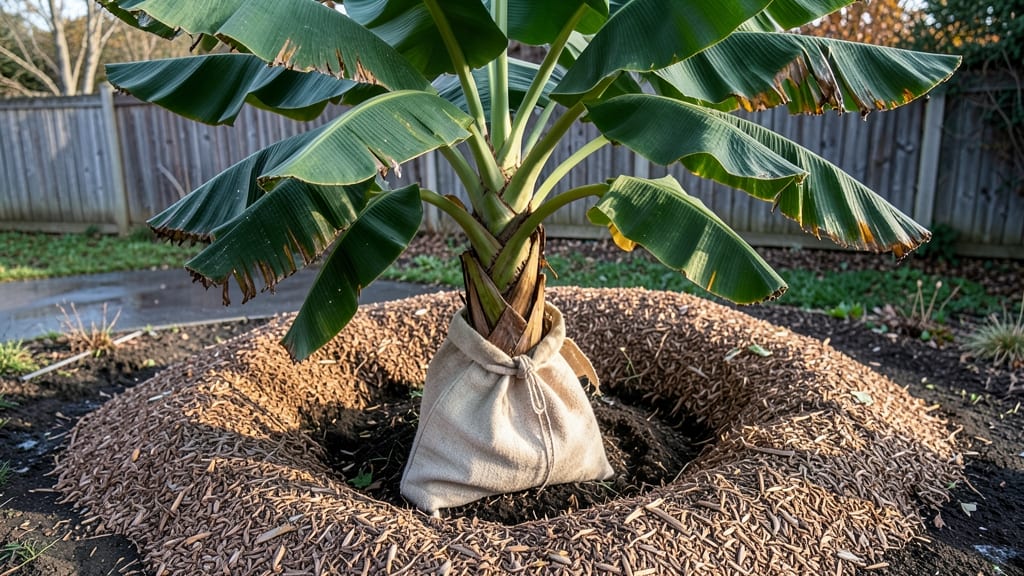
Overwintering banana trees in the Pacific Northwest isn’t just possible—it’s a game-changer for growing these tropical giants in zones 7-9. 🌱 I’ve saved my own banana plants through three winters using a layered approach that mimics their natural resistance to light frosts, and the results speak for themselves: lush regrowth by early spring, no dieback, and fruit production the following summer.
The secret lies in three critical steps: heavy mulching to insulate roots, strategic pruning to reduce cold damage, and protective covering when temperatures dip below 25°F.
Most gardeners stop at mulch, but adding a clear plastic tent or burlap wrap around the trunk creates a microclimate that can handle 15°F without harm. This method works even in coastal areas where damp cold is more dangerous than dry freezes.
By spring, you’ll see new shoots emerging from the soil within 2-3 weeks of consistent warmth, with the plant’s broad leaves unfurling into that familiar tropical shape. The roots remain undisturbed, so revival is faster than with dug-up plants.
Even in milder winters, this approach builds resilience—my trees now handle 20°F without flinching, thanks to years of gradual cold acclimation.
For gardeners in zones 6 or colder, a temporary indoor move during extreme cold snaps is the fail-safe option. The key is timing: relocate when nighttime temps hit 28°F and return when daytime highs reach 50°F.
This balance prevents shock while still letting the plant experience seasonal cues. Let’s break down the exact steps to pull it off without stressing your plant.
📚 In This Guide
- What you need
- Instructions
- Tips and common mistakes
- Wrapping up and next steps
What you need
- ● Banana trees: Mature plants (3+ years old) in 15-20 gallon containers (or larger for extra-large varieties like Musa acuminata). Pro tip: Choose healthy, disease-free trees!
- ● High-quality potting mix: 50 lbs of well-draining, peat-based mix (e.g., Black Gold Natural & Organic or Miracle-Gro Moisture Control). Avoid garden soil—it compacts and holds too much moisture.
- ● Perlite or vermiculite: 10-15 lbs to improve drainage and aeration.
- ● Slow-release fertilizer: 1 lb of Osmocote Smart-Release Plant Food (14-14-14 ratio) for nutrients.
- ● Mulch (straw or pine needles): 2-3 inches to insulate roots. Avoid cedar—it’s toxic!
- ● Burlap or frost cloth: 10x10 ft sheet to wrap the tree for wind/ice protection.
- ● Plastic wrap or clear plastic sheeting: 2-3 mil thickness to create a mini greenhouse effect.
- ● Garden twine or zip ties: To secure wraps and supports.
- ● Stakes or bamboo poles: 4-6 ft tall (2-3 per tree) for structural support.
- ● Thermometer: A digital soil thermometer to monitor root-zone temps (aim for 45–55°F).
- ● Watering can or hose with shutoff: For gentle hydration (avoid soggy roots!).
- ● Pruners or sharp shears: Sterilized tools to trim dead fronds or suckers.
- ● Heat mat or heating cable: For extreme cold snaps (below 20°F).
- ● Grow lights: LED strips (12-15W) for indoor overwintering if natural light is lacking.
- ● Humidity tray: A shallow tray with pebbles and water to boost air moisture.
- ● Antifreeze spray: (e.g., Wilt-Pruf) to protect leaves from ice damage.
- ● Compost or worm castings: 1-2 cups mixed into soil for extra nutrients.
Step-by-step instructions for overwintering banana trees in cold climates
Here's the method I've used for years to keep my banana plants thriving through Pacific Northwest winters.
🪴 Step 1: Prepare the Plant for Dormancy
Start by cutting back the banana plant's fronds to about 6 inches from the ground. This reduces the plant's energy demands and prevents frost damage to the leaves. I use sharp, sterilized pruners to make clean cuts just above a leaf node. The plant will look dramatic—almost skeletal—but this is essential for survival.
Remove any dead or diseased fronds first. Healthy fronds should be firm and green, while dead ones will be brown and brittle. After pruning, apply a 2-inch layer of mulch around the base, leaving a small gap around the trunk to prevent rot. I like to use straw mulch because it insulates well and breaks down slowly.
☀️ Step 2: Protect the Trunk and Roots
Wrap the trunk of the banana plant with burlap or frost cloth, securing it tightly with twine. This creates an insulating barrier that protects the tender pseudostem from freezing temperatures. I also wrap the base of the plant with cardboard or foam board to add extra insulation around the roots.
Next, mound 6-8 inches of soil or mulch around the base of the plant, creating a small hill that slopes away from the trunk. This helps prevent water from pooling around the roots during winter rains. The goal is to mimic the plant's natural tropical environment by keeping the roots warm and dry.
💧 Step 3: Water and Monitor Through Winter
Water the banana plant deeply once a month during the winter, unless you experience heavy rainfall. Overwatering can lead to root rot, which is just as deadly as freezing in cold climates. I check the soil moisture by sticking my finger 2 inches deep—if it feels dry, it's time to water.
Keep an eye on the plant throughout the winter. If temperatures are expected to drop below 20°F, add an extra layer of insulation, such as a thick blanket or more mulch. I also place a clear plastic bottle filled with water near the plant—it acts as a heat sink, releasing warmth slowly during cold snaps.
⏰ Step 4: Gradually Transition Back to Growth in Spring
As temperatures begin to rise in late winter or early spring, start removing the insulation layers gradually. Begin by uncovering the trunk and roots once the ground thaws, but leave the mulch in place until the soil warms up. This slow transition prevents shock to the plant.
Resume regular watering when new growth appears, usually in late spring. You'll know the plant is ready to resume normal care when you see fresh fronds emerging from the center. At this point, remove all remaining insulation and mulch, and return to your usual banana plant care routine.
✂️ Step 5: Prune and Fertilize for New Growth
Once new fronds reach 12-18 inches tall, trim back any dead or damaged growth that may have occurred over winter. This encourages the plant to focus its energy on producing healthy new leaves. I also apply a balanced fertilizer at this stage to replenish nutrients lost during dormancy.
Watch for signs of pest activity, such as holes in the leaves or sticky residue, which can indicate scale or mealybugs. These pests are more likely to appear after winter, so I treat the plant with neem oil as a preventative measure. With proper care, your banana plant should reward you with vigorous new growth by mid-summer.
Tips & tricks for overwintering banana trees in cold climates
Here's what nobody tells you about surviving winter with your tropical banana plants—these tricks make all the difference in our chilly Pacific Northwest winters.
Pruning Precision: When cutting back fronds to 6 inches, aim for clean cuts just above a leaf node—this is where new growth will emerge in spring. I've learned the hard way that jagged cuts invite disease, so sterilize your pruners with rubbing alcohol between cuts. The plant's dramatic skeletal appearance might shock you, but this dramatic step actually protects what's underneath from frost damage.
Insulation Layering Strategy: The 6-8 inch soil mound around your banana's base isn't just decoration—it's a thermal shield. Pack the soil firmly to eliminate air pockets that could conduct cold. For extra protection during extreme cold snaps (below 20°F), I add a layer of bubble wrap around the trunk before the burlap. This creates a double insulation barrier that can mean the difference between survival and loss during our unpredictable winter freezes.
Winter Monitoring System: That monthly watering guideline is flexible—your finger test at 2 inches deep is more important. I've seen banana plants suffer from both overwatering (which causes rot) and underwatering (which stresses the plant). During our wet winters, I often skip the monthly watering entirely, but in dry spells, I water every 3-4 weeks. The clear plastic bottle trick with water is my secret weapon for cold snaps—it releases stored heat overnight when temperatures plummet.
Spring Transition Timing: The key to successful spring awakening is patience. When you see fresh fronds peeking through, resist the urge to remove all insulation at once. I typically uncover the trunk first when the ground thaws, then wait another 2-3 weeks before removing the mulch completely. This gradual exposure prevents the plant from going into shock when it suddenly faces full winter winds and cold snaps that can linger into April here in the Pacific Northwest.
Pro Tips for Overwintering Banana Trees
- Here's what nobody tells you about surviving winter with your tropical banana plants—these tricks make all the difference in our chilly Pacific Northwest winters.
- Pruning Precision: When cutting back fronds to 6 inches, aim for clean cuts just above a leaf node—this is where new growth will emerge in spring.
- Insulation Layering Strategy: The 6-8 inch soil mound around your banana's base isn't just decoration—it's a thermal shield.
Frequently asked questions
Got questions about keeping your banana trees thriving through those chilly Pacific Northwest winters? You’re not alone! Here are some of the most common concerns—and their solutions—to help you overwinter like a pro.
What’s the best time to start overwintering banana trees?
Begin preparing your banana trees for winter 4–6 weeks before the first frost (typically late September to early October in the PNW). This gives them time to harden off, and you’ll have enough daylight to complete protective measures before cold snaps hit. Monitor your local frost dates to time it perfectly!
Can I overwinter banana trees in the ground, or do I need to dig them up?
It depends on your zone! In Zones 8–9 (like much of the PNW), you can often leave mature trees in the ground with heavy mulch and frost blankets. However, younger plants or Zone 7 and colder require digging and potting for indoor overwintering. Always check your local microclimate—urban areas can be 5°F warmer than rural spots!
How do I know if my banana tree survived the winter?
Check for green shoots emerging from the corm (the bulb-like base) in early spring. If you see none by late March, gently dig up the corm to inspect for rot or damage. A healthy corm should feel firm and plump, not mushy. If it’s still alive but dormant, give it warmth and patience—banana trees are slow to wake up!
What should I do if pests or mold appear during overwintering?
First, isolate the affected plant to prevent spread. For pests like spider mites or scale, wipe leaves with a damp cloth and treat with neem oil. If mold (like Fusarium) is present, discard heavily infected corms immediately. Improve airflow and reduce moisture to prevent future issues—banana trees hate soggy conditions!
Can I overwinter banana trees in containers indoors?
Move potted banana trees to a bright, cool spot (50–60°F) with no direct sunlight to mimic winter dormancy. Reduce watering to once every 2–3 weeks and avoid fertilizing. Place them near a south-facing window or under grow lights if natural light is limited. Just avoid heating vents—they dry out the air too much!
Wrapping up and next steps
Overwintering your banana trees in the Pacific Northwest doesn’t have to be a gamble—with the right preparation, you can protect your tropical treasure and even enjoy new growth come spring! 🌱 By following these cold-proofing steps, you’re not just preserving a plant; you’re nurturing a resilient, thriving centerpiece for your garden.
Ready to take the next step? Start by monitoring your trees weekly during the coldest months, adjusting mulch or coverings as needed, and celebrate the small victories—like a single unfurled leaf in March—that prove your efforts are paying off!