Pruning
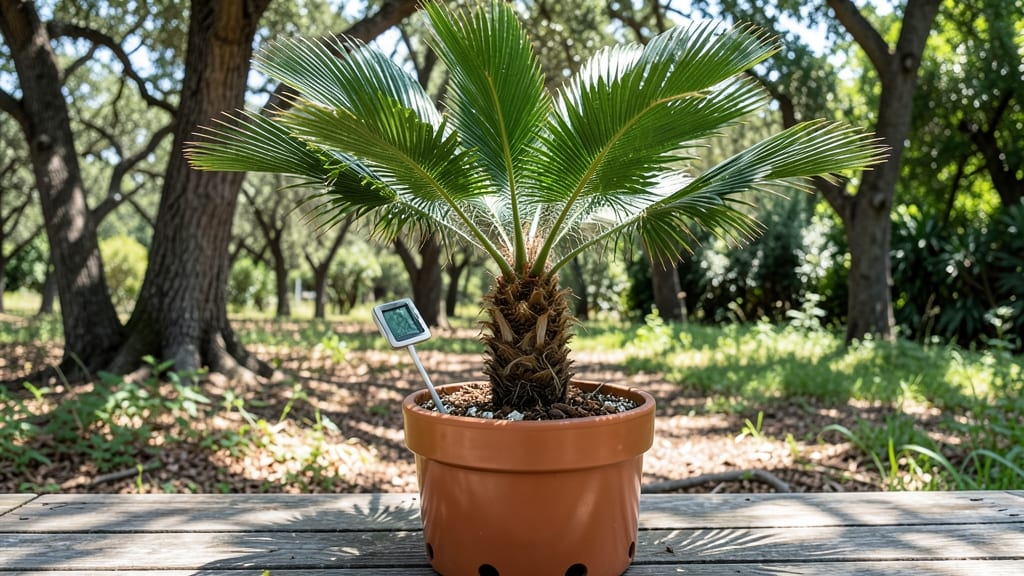
Becoming a palm tree grower starts with the right pruning rhythm—because those feathered fronds don’t grow themselves. 🌿 I’ve learned the hard way that skipping maintenance leads to sparse, leggy palms that look like they’re begging for a haircut.
The secret? Pruning isn’t just about aesthetics—it’s about redirecting energy into that dense, lush canopy you’ve always wanted.
You’ll need basic tools—a sharp pruning saw, sterilized shears, and thick gloves—and a clear understanding of your palm’s growth habits. Some varieties like the Kentia or Areca respond to gentle trimming every 6-8 weeks, while outdoor palms like the Mexican Fan Palm might need heavier pruning after storms.
The key is working with the plant, not against it—never removing more than one-third of the fronds at once.
What you end up with is a palm that looks like it belongs in a tropical paradise, not just your backyard. Fronds stay vibrant green, new shoots emerge from the crown, and the plant invests energy into upward growth instead of just stretching taller.
Even indoor palms develop fuller canopies when you prune the right way—just avoid the urge to overdo it in winter when growth slows.
This method works for container palms too—just scale back the tools and focus on removing only dead or yellowing fronds. The principles stay the same whether you’re shaping a 10-foot Majesty Palm or a 3-foot Parlor Palm on your windowsill. Let’s get those fronds looking their best year-round.
📚 In This Guide
- What you need
- Instructions
- Tips and common mistakes
- Wrapping up and next steps
What you need
- ● Pruning shears or loppers: Sharp, bypass-style (for clean cuts), 6–8" blades. (2–3 pairs recommended for efficiency.)
- ● Pruning saw: Curved blade (8–12"), for thicker fronds or trunks. (Look for non-slip grips for safety!)
- ● Heavy-duty gloves: Cut-resistant (ANSI A3-rated) to protect hands from frond spines. (Waterproof material = bonus!)
- ● Safety goggles: Impact-resistant, with side shields to guard against debris.
- ● Ladder or extension pole: Aluminum or fiberglass (non-conductive), 12–20' tall, with stabilizers. (Check weight capacity—palm fronds are heavy!)
- ○ Disposable pruning bags: 10–15 gallon capacity (for easy cleanup). (Optional: Wet/dry vac for larger debris.)
- ● Disinfectant (70% isopropyl alcohol or bleach solution): To sterilize tools between cuts and prevent disease.
- ○ Pruning sealant (optional): For sealing cuts on palmetto or coconut palms (if needed).
- ● Weather check: Prune on a dry, overcast day (avoid midday heat or wind).
- ● Tool sharpening: Hone blades before starting—dull tools tear fronds.
- ● Clear workspace: Remove rocks, tools, or tripping hazards from the area.
- ● Know your palm type: Research your species (e.g., Areca, Sabal, or Phoenix)—pruning needs vary!
- ● First aid kit: Bandages, antiseptic wipes, and tweezers (for spine pricks).
Step-by-Step guide to pruning palm trees for year-round growth
Here’s how I keep my palms thriving with strategic cuts that boost density and health.
🌿 Step 1: Assess the Tree and Identify Pruning Zones
Start by examining the palm for dead, yellowed, or brown fronds—these are your first targets. I look for fronds that hang downward or have dry, brittle tips, as these indicate they’re no longer photosynthesizing. Use a sharp pair of pruning shears to make clean cuts just above the point where the frond attaches to the trunk.
For healthy fronds, focus on the lower third of the canopy. These older leaves compete with new growth for nutrients. I mark each cut with a piece of tape to avoid over-pruning. The goal is to remove no more than 10-20% of the canopy in a single session—this prevents stress and maintains the tree’s ability to produce energy.
Real talk: If you’re unsure whether a frond is dead or just dormant, wait a few weeks. Palms like Phoenix canariensis (Canary Island date palm) often hold onto brown fronds for months before dropping them naturally. Only remove what’s clearly nonviable.
✂️ Step 2: Remove Dead Fronds and Trim for Airflow
Using sterilized pruning shears (I dip blades in rubbing alcohol between cuts), slice through the frond at its base. Avoid tearing the tissue—this creates wounds that invite fungal infections. For larger fronds, I use a pruning saw with a fine-tooth blade to make clean, precise cuts without crushing the trunk.
Next, thin out the canopy by removing select fronds from the middle layers. This improves airflow and sunlight penetration, which reduces humidity-related diseases like Ganoderma (a deadly palm fungus). I aim to create a graduated look, with the oldest fronds at the bottom and the newest at the top. This mimics the tree’s natural growth pattern.
Here’s the thing—if you’re pruning a young palm (under 10 years old), focus only on dead or diseased fronds. Over-pruning at this stage stunts growth. For mature palms, you can be more aggressive with thinning, but never remove more than one-third of the fronds in a single session.
☀️ Step 3: Encourage New Growth with Strategic Cuts
After removing the dead fronds, I look for bud scars—small, circular marks on the trunk where new fronds emerge. These are your growth points. If you notice fronds emerging too close together, trim the smaller one at the base to give the stronger frond room to expand. This creates a fuller, denser canopy over time.
For palms like Washingtonia robusta (Mexican fan palm), I also remove seed pods if they’re not desired. These can drain energy from the tree. Use pruning shears to cut the stalk cleanly at the base, then dispose of the pods to prevent them from germinating around the tree.
This is the moment that matters: After pruning, step back and observe the tree’s silhouette. You should see light filtering through the canopy in patches—this means you’ve thinned enough for new growth to flourish. If the tree looks sparse, you’ve gone too far.
💧 Step 4: Post-Pruning Care for Rapid Recovery
Water the palm deeply within 24 hours of pruning to help it recover. I use a soaker hose to deliver moisture directly to the root zone, avoiding the crown where rot can set in. For the first 7-10 days, monitor the soil moisture closely—palms are sensitive to both drought and waterlogging after pruning.
Apply a balanced palm fertilizer (like 8-8-8 or 6-6-6) to replenish nutrients lost during pruning. I scatter the granules evenly around the drip line and water them in. Avoid high-nitrogen fertilizers, which promote leafy growth at the expense of root development.
Don’t skip this (I learned the hard way): If you notice yellowing new fronds after pruning, it’s a sign of over-fertilization or root stress. Scale back on fertilizer and ensure the palm has well-draining soil. Amend compacted soil with compost or organic matter to improve aeration.
⏰ Step 5: Schedule Year-Round Maintenance
Palms benefit from light pruning every 3-4 months, with heavier cuts in late winter or early spring before new growth begins. This timing aligns with the tree’s natural growth cycle. For palms in cooler climates, prune after the last frost to avoid shocking the tree with cold weather.
In summer, focus on removing only dead fronds—heat stress can make palms more vulnerable to infection. I also check for pests like palm weevils during this time, as their larvae tunnel into the trunk. If you spot fronds with black, sawdust-like frass or hollow stems, treat immediately with systemic insecticide.
You’ve got this: With consistent pruning, your palm will develop a thicker, more vibrant canopy within a year. The key is patience—healthy growth takes time, but the results are worth it.
Tips & tricks for perfect palm tree pruning
These insider strategies will help you transform your palm tree into a lush, vibrant centerpiece year after year.
Precision Pruning Tools: Invest in a pair of high-quality, bypass pruning shears specifically designed for palms—they make cleaner cuts that heal faster. I’ve ruined three palm trunks trying to use regular garden shears, which crush the tissue and create entry points for diseases. Sterilize your tools between cuts with rubbing alcohol to prevent cross-contamination of any potential fungal spores lurking in the tree.
Seasonal Timing Secret: The 3-4 month maintenance window mentioned in Step 5 is your golden opportunity to prevent stress. For palms in tropical climates, schedule your heavier pruning sessions during the dry season when the tree’s energy is focused on root development rather than new frond production. In cooler climates, avoid pruning during frost periods—palms are particularly vulnerable to cold shock after major cuts.
Visual Growth Assessment: After completing your cuts in Step 3, step back and observe the tree’s silhouette from multiple angles. You should see light filtering through the canopy in 30-40% of the area—this indicates proper thinning. If you can’t see any light, you’ve removed too much foliage. For a quick reference, imagine dividing the canopy into thirds: the bottom third should have the oldest fronds, the middle third should be 30-40% open, and the top third should be dense with new growth.
Fertilizer Application Strategy: When applying the balanced palm fertilizer in Step 4, use a slow-release formula to prevent nutrient burn. I scatter the granules in a 12-inch wide band around the drip line (the edge of the canopy’s shadow) and water them in thoroughly. This targeted approach ensures the roots receive nutrients without overwhelming the tree’s recovery system. Remember, palms are heavy feeders but sensitive to excess—think of fertilizer as a recovery boost, not a growth stimulant.
Pro Tips for Palm Tree Grower
- These insider strategies will help you transform your palm tree into a lush, vibrant centerpiece year after year.
- Precision Pruning Tools: Invest in a pair of high-quality, bypass pruning shears specifically designed for palms—they make cleaner cuts that heal faster.
- Seasonal Timing Secret: The 3-4 month maintenance window mentioned in Step 5 is your golden opportunity to prevent stress.
Frequently asked questions
Got questions about keeping your palm trees thriving with year-round pruning?
Here are answers to the most common ones—so you can grow a lush, healthy canopy without the guesswork!
How often should I prune my palm tree for the best growth?
Prune your palm tree lightly every 6–12 months to remove dead fronds and promote airflow. Avoid heavy pruning—it stresses the tree. Focus on removing only 10–20% of fronds at a time to encourage dense, lush regrowth. Over-pruning can weaken the tree or invite pests.
Can I prune palm trees in winter, or should I wait for warmer months?
Winter is a great time to prune—especially in mild climates! Cool weather reduces stress, and the tree can recover faster. Avoid pruning during freezing temperatures (below 40°F) or extreme heat. If you live in a harsh winter zone, prune in late fall or early spring instead.
What should I do if my palm tree’s new fronds turn yellow or brown after pruning?
Yellow/brown fronds post-pruning usually mean nutrient stress or over-pruning. Don’t panic! Boost care by:
- Fertilizing with a palm-specific slow-release fertilizer (rich in potassium and magnesium).
- Watering deeply 1–2 times per week (adjust for your climate).
- Avoiding pruning again for 3–6 months to let the tree recover.
Are there any palm tree varieties that don’t need much pruning?
Yes! Some low-maintenance palms like Mediterranean fan palms (Chamaerops humilis) or pygmy date palms (Phoenix roebelenii) grow slowly and need minimal pruning. Others, like coconut palms (Cocos nucifera) or palmetto palms (Sabal spp.), require more frequent upkeep. Research your palm’s specific needs—some thrive with just dead frond removal!
Is it safe to prune palm trees myself, or should I hire a professional?
Small palms (under 20 feet) are DIY-friendly with the right tools (sharp pruners, pole saw, safety gear). For taller palms, electrical lines, or diseased trees, hire a licensed arborist. They’ll ensure clean cuts, prevent damage, and handle hazards safely. Never use a chainsaw on palms—it can harm the trunk!
Wrapping up and next steps
Growing a dense, lush palm canopy is all about consistency—whether you're a seasoned palm tree grower or just starting out! 🌴 With the right tools, timing, and techniques, you can transform your palms into stunning focal points year-round.
Remember, pruning isn’t just maintenance—it’s an investment in their health and beauty.
Now that you’re armed with the know-how, take the next step! Start small—pick one palm to practice your new skills, and soon, your entire landscape will thank you. Happy pruning, and may your palms thrive wildly! 🌿✨