
Pruning
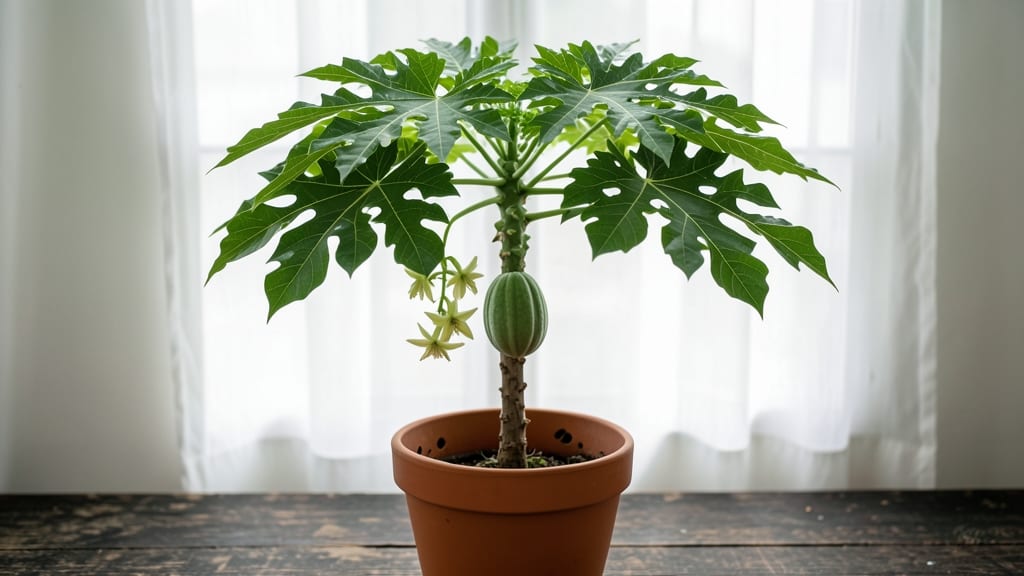
Growing papaya trees in pots lets you enjoy tropical fruit even in the Pacific Northwest’s chill winters—no greenhouse needed. 🌱 I’ve kept mine thriving for three years by adapting pruning techniques for cold snaps, and the key starts with the right container.
A 5-gallon pot is the minimum, but I swear by 10-15 gallons for mature trees, because root space makes all the difference when temperatures dip below 50°F.
The trick to cold-hardy papayas is balancing warmth and protection. Use a fast-draining cactus mix with perlite, and keep the pot near a sunny window or under grow lights during winter. Water only when the top inch feels dry—overwatering in cool weather is how I lost my first tree.
Fertilize lightly with a balanced 10-10-10 every 6 weeks in spring and summer, then cut back in fall to let the plant rest.
By winter, you’ll prune aggressively to shape the tree and protect it from drafts. Cut back leggy branches by half, and move the pot indoors if nights drop below 45°F. The result? A compact, productive tree that rebounds with new growth come spring, often bearing fruit by midsummer.
Even in Zone 8, this method works—just watch for spider mites and treat them early with neem oil.
This approach works for both beginners and experienced growers, whether you’re on a balcony or a covered patio. The secret isn’t fancy equipment—it’s paying attention to the plant’s signals. Next up, we’ll cover how to spot root-bound conditions and when to repot for long-term success.
📚 In This Guide
- What you need
- Instructions
- Tips and common mistakes
- Wrapping up and next steps
What you need
- ● Pruning shears: Bypass pruners (sharp, sterilized with rubbing alcohol) – 1 pair (for small branches).
- ● Loppers: Heavy-duty, 8–12-inch reach – 1 pair (for thicker branches).
- ● Hand saw: Pruning saw with curved blade – 1 (for stubborn, woody growth).
- ● Rubbing alcohol (70%+) or bleach solution: For sterilizing tools – small bottle.
- ● Garden gloves: Cut-resistant, waterproof – 1 pair (to protect from thorns and sap).
- ○ Sealing wax or pruning paste: (Optional but recommended for large cuts) – small tube.
- ● Disposable pruning bags: (For collecting debris) – 1–2 bags.
- ● Papaya tree pot: Ensure it’s drainage-friendly (holes at the bottom) and 12+ inches deep for mature roots.
- ● Well-draining potting mix: Cactus/succulent blend (or add perlite/pumice for aeration) – 2–3 gallons.
- ● Horticultural oil spray: For treating sap-sucking pests post-pruning.
- ● Rooting hormone: If propagating cuttings from pruned branches.
- ● Pot saucer or tray: To catch runoff and protect surfaces.
- ● Cold frame or frost cloth: For protecting young/pruned trees during PNW winters.
How to prune your papaya tree pot for Pacific Northwest winters
Cold-hardy pruning keeps your tropical papaya thriving in PNW's chilly seasons.
🌿 Step 1: Time Your Pruning for Late Fall
Prune your papaya tree pot 4-6 weeks before the first frost date in your area—typically mid-October in the Pacific Northwest. This timing gives the plant enough time to heal and prepare for dormancy. Look for the first yellowing leaves or a noticeable drop in daytime temperatures as your cue.
Use clean, sharp pruning shears to make cuts just above a leaf node or bud. Avoid cutting into old, woody growth—focus on new, flexible stems. If you see any brown, mushy stems, those need immediate removal to prevent disease from spreading through the plant.
✂️ Step 2: Remove Weak and Damaged Growth
Start by removing any dead, diseased, or crossing branches—these compete for energy and invite pests. Look for stems that are brown, brittle, or hollow at the center; these won’t survive the winter. Snip them off at the base, then dispose of them in the trash, not your compost.
Next, trim back any leggy or overly long branches to encourage a bushier shape. Cut just above a leaf node where new growth can emerge. If your papaya has any fruit still on the tree, leave it—it’ll ripen before cold sets in, but don’t let it stay past mid-November or it’ll rot.
☀️ Step 3: Shape for Winter Protection
After removing weak growth, shape the tree into a compact, rounded form. This helps it retain heat better during cold snaps. Aim for a 4-6 inch diameter at the base and no taller than 3 feet—this size is easier to protect with mulch and row covers.
Pay special attention to the center of the plant. If it’s too dense, air can’t circulate, leading to rot. Thin out any branches growing inward, cutting them back to the main stem. This ensures sunlight reaches the inner leaves, keeping them healthier through winter.
🪴 Step 4: Move and Insulate the Pot
Once pruned, move your papaya pot to a protected location—like a garage, shed, or under a porch—where temperatures stay above 40°F. If you can’t move it indoors, wrap the pot in bubble wrap or frost cloth and cover the top with a clear plastic dome to trap warmth.
Add a 2-3 inch layer of mulch around the base of the plant (use the straw mulch from your supplies) to insulate the roots. Water the soil lightly before insulating—just enough to keep it moist but not soggy. Check weekly for moisture, as winter air can dry out potted plants faster than you’d expect.
Tips & tricks for perfect papaya tree pot pruning
Here's what nobody tells you about keeping your tropical papaya thriving through PNW winters—these tricks make all the difference.
Timing is Everything: That 4-6 week window before frost isn't just arbitrary—it's when your papaya's natural defenses kick in. I learned this the hard way after pruning too early and watching my plant struggle through cold snaps. If you're unsure about frost dates, check your local agricultural extension service for exact timelines.
Tool Prep Matters: Before you even touch your plant, sterilize your pruning shears with rubbing alcohol. I've seen too many gardeners skip this step and end up spreading fungal diseases between cuts. Also, make sure your shears are sharp—dull blades crush stems instead of making clean cuts, which invites rot. A quick test: if your shears don't cut a piece of paper cleanly, they're not sharp enough.
Fruit Management Strategy: The instructions mention leaving fruit until mid-November, but here's the secret: harvest any ripe fruit first, then remove the rest. Ripe fruit will continue to ripen off the tree, while unripe fruit left too long will indeed rot. I've had success with a simple test—if the fruit gives slightly when gently squeezed, it's ready to pick. This prevents the mess of rotting fruit while still getting your harvest.
Winter Insulation Hacks: When wrapping your pot, don't just cover the top—wrap the entire pot including the bottom. Cold can creep up from below, especially if you're placing it on concrete or cold ground. For extra protection, place the pot on a layer of foam insulation boards before adding the mulch. This creates an additional barrier against temperature fluctuations that can stress your plant.
Pro Tips for Papaya Tree Pot
- Here's what nobody tells you about keeping your tropical papaya thriving through PNW winters—these tricks make all the difference.
- Timing is Everything: That 4-6 week window before frost isn't just arbitrary—it's when your papaya's natural defenses kick in.
- Tool Prep Matters: Before you even touch your plant, sterilize your pruning shears with rubbing alcohol.
Frequently asked questions
Got questions about growing papaya trees in pots in the Pacific Northwest? You’re not alone! Here are some of the most common concerns—and their answers—to help you thrive with your tropical friend in a cooler climate.
Can a papaya tree survive winter in a pot in the PNW?
A papaya tree (Carica papaya) is not cold-hardy and cannot survive freezing temps (below 32°F/0°C). In the PNW, move your pot indoors or to a protected garage during winter. Use a grow light if natural light is limited, and reduce watering to keep roots from rotting.
How do I protect my papaya tree from frost in a pot?
Wrap the pot in bubble wrap or frost cloth and place it near a sunny wall or under a clear plastic cover (like a tent). Avoid mulching the soil—it can trap moisture and freeze. If temps drop below 40°F (4°C), bring it inside immediately. A heat lamp or space heater near the pot can also help.
What’s the best pot size for a papaya tree in the PNW?
Start with a 5-gallon pot for young trees, then upgrade to 10–15 gallons as it matures. Papayas have shallow but sprawling roots, so prioritize width over depth. Ensure pots have drainage holes to prevent root rot, and use a lightweight mix like cactus/succulent blend with perlite.
How often should I prune my potted papaya tree in winter?
Prune lightly in early winter (before dormancy) to remove dead or yellowing leaves. Avoid heavy pruning—papayas are sensitive! Focus on shaping the tree and encouraging airflow. In the PNW’s short growing season, prune again in late winter (Feb–March) to stimulate new growth before moving outdoors.
What can I do if my papaya tree’s leaves turn yellow?
Yellow leaves often signal overwatering, nutrient deficiency, or root stress. Check the soil—it should be slightly dry between waterings. If leaves are crispy, it’s underwatered; if mushy, roots may be rotting. Feed with a balanced fertilizer (10-10-10) every 4–6 weeks in growing season. Move the pot to brighter light if indoors.
Are there cold-hardier alternatives to papaya for PNW pots?
If papayas prove too finicky, try these tropical-but-hardier pot plants:
- Citrus trees (e.g., Meyer lemon) – Tolerate brief chills (down to 20°F/-7°C) with protection.
- Guava (Psidium guajava) – Handles temps to 25°F (-4°C) and produces fruit.
- Avocado (Persea americana) – Cold-sensitive but slower-growing; prune aggressively.
- Banana (Musa spp.) – Die back in winter but regrow from rhizomes.
All need winter care but are more forgiving than papayas!
Wrapping up and next steps
Growing a papaya tree in a pot in the Pacific Northwest is totally doable with the right cold-hardy pruning techniques!
By following these steps—like selecting the perfect container, timing pruning for winter resilience, and protecting your tree with cozy mulch and frost cloth—you’ll keep your tropical beauty thriving even in cooler climates. 🌱❄️
Ready to give it a try? Start small—pick a healthy papaya plant, grab your pruning shears, and begin with confidence. Your next step? Check out our planting guide for extra tips on soil, sunlight, and seasonal care. Happy pruning! 🌟