
Pruning
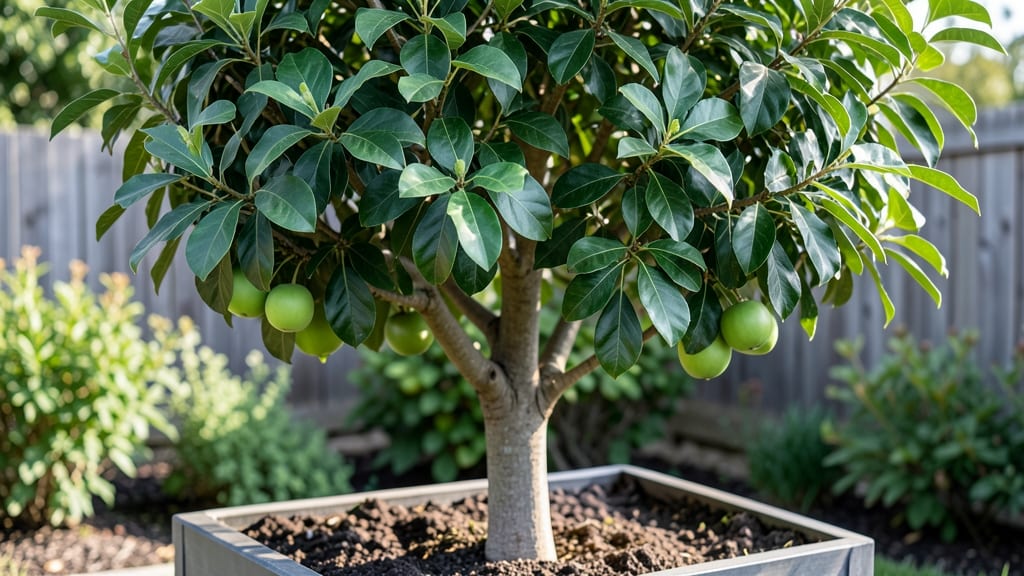
When your persimmon tree keeps bearing green fruit instead of the sweet, orange harvest you crave, it’s usually a pruning puzzle—not a tree failure. 🌿 I’ve spent years watching my persimmons go from stubborn green globes to velvety ripe fruit, and the key lies in when (and how) you shape the branches.
The tree needs sunlight to trigger that color shift, and poor pruning blocks it.
Here’s the game-changer: prune in late winter or early spring—before buds swell—using sharp shears to open the canopy. Remove suckers at the base and crossing branches that shade the center.
A well-pruned tree lets sunlight reach 70% of the fruit, turning green to orange in late September or October (depending on your zone).
Once you start seeing color change, resist the urge to pick early—ripe persimmons soften when fully orange and taste like honey. Unripe ones are bitter, but a simple squeeze test (gentle pressure should yield slightly) confirms readiness.
With proper pruning, you’ll go from frustrated green fruit to a bountiful, sweet harvest every fall.
This works for both American and Asian persimmons, though Asian varieties ripen earlier. In colder climates, protect young trees with burlap wraps if frost threatens. The first year’s pruning sets the stage for years of healthy, productive trees—no more green mystery fruit!
📚 In This Guide
- What you need
- Instructions
- Tips and common mistakes
- Wrapping up and next steps
What you need
- ● Pruning shears: Sharp, bypass pruners (for cuts up to ½ inch in diameter). Pro tip: 💡 Sanitize blades with rubbing alcohol before and after use to prevent disease spread!
- ● Loppers: For thicker branches (½ to 1½ inches). Look for bypass-style loppers for cleaner cuts.
- ● Pruning saw: A curved-tooth saw for branches over 1½ inches in diameter.
- ● Gloves: Heavy-duty gardening gloves (to protect from thorns and rough bark).
- ● Disinfectant: A 10% bleach solution (1 part bleach to 9 parts water) or rubbing alcohol (70% isopropyl).
- ● Twine or zip ties: For temporary support if you’re removing large branches.
- ○ Marking twine or tape: To flag branches for removal (optional but helpful for planning).
- ● Pole saw or extendable pruners: For high branches (saves time and effort!).
- ● Ladder: A stable, non-slip ladder rated for your tree’s height.
- ● Tree wound dressing: (Controversial but useful for some!) Pruning sealant (like Tanglefoot Tree Wound Pruning Seal) if you’re sealing large cuts.
- ● Notebook or app: To sketch your tree’s structure before/after pruning (e.g., iNaturalist or a simple garden journal).
- ● Safety gear: Safety glasses (to protect from debris) and ear protection (if using a chainsaw for very large branches).
- ● Know your tree’s age: Young persimmon trees (under 3 years) need light pruning to encourage growth. Mature trees (3+ years) can handle more aggressive shaping.
- ● Best time to prune: Late winter or early spring (just before buds swell) for dormant pruning. Avoid pruning in fall if you live in a cold climate (risk of frost damage).
- ● Weather check: Prune on a dry, calm day to reduce sap bleeding and disease risk.
- ● Tree health assessment: Inspect for diseased or dead branches (they’ll snap easily when bent). Remove these first!
Step-by-Step pruning guide for persimmon trees with green fruit
Healthy harvests start with strategic cuts—here’s how to shape your tree for optimal fruit development.
🌿 Step 1: Assess the Tree Structure and Identify Problem Areas
Start by examining your persimmon tree in late winter or early spring, before new growth begins. Look for dead, diseased, or crossing branches—these compete for energy and reduce fruit quality. Focus on branches that rub against each other or grow inward; these are prime candidates for removal. Use your fingers to gently test branch flexibility—any that snap or feel brittle are likely dead and should be pruned immediately.
Next, identify suckers (vigorous shoots at the base) and water sprouts (vertical shoots growing from the trunk or branches). These divert energy from fruit production. Mark these areas with a small flag or note them on a sketch of the tree. Persimmons thrive with an open canopy, so aim to create a balanced shape with sunlight reaching the center. This ensures even fruit ripening and reduces disease risk from shaded, damp branches.
✂️ Step 2: Remove Dead, Diseased, and Weak Branches First
Use clean, sharp pruning shears to make 45-degree cuts just outside the branch collar (the swollen area where the branch meets the trunk). Avoid leaving stubs—these invite decay. Start with the smallest branches first, working your way up to larger limbs. For branches over ½ inch thick, switch to a pruning saw to avoid tearing the bark. Disinfect your tools between cuts with rubbing alcohol to prevent spreading disease.
Watch for signs of fungal infections like black spots or oozing sap. Remove any infected branches at least 6 inches below the visible damage to ensure the disease doesn’t linger. Bag and dispose of infected material immediately—don’t compost it. Healthy branches should have a smooth, green bark and respond slightly when bent (not brittle). If you’re unsure, make a small cut into the branch—green underneath means it’s alive; brown or hollow indicates death.
☀️ Step 3: Thin Out Overcrowded Branches for Better Airflow
Persimmon trees produce fruit on one-year-old wood, so prioritize branches that receive at least 6 hours of direct sunlight daily. Remove 20-30% of the canopy to improve airflow, reducing humidity-related diseases like anthracnose. Focus on semi-dwarf varieties (common in home gardens), which benefit from lighter pruning than full-sized trees. Cut back overlapping branches first, then thin out branches growing straight up—these rarely bear fruit and create dense shade.
Here’s the trick: Step back frequently to visualize the tree’s shape. You want a modified open-center form, where sunlight reaches the center but the tree still retains a natural look. Avoid heavy pruning in the first 3 years—young trees establish roots faster with minimal stress. For mature trees, remove no more than 25% of the foliage in a single season to prevent shock. If you see green fruit forming, hold off on heavy cuts until after harvest to avoid stressing the tree.
⏰ Step 4: Shape the Tree for Optimal Fruit Production
Persimmons fruit best on scaffold branches (the main structural limbs). Select 3-5 well-spaced branches to form the tree’s framework, removing competing vertical shoots. Angle cuts slightly outward to encourage outward growth. For dwarf varieties, keep the tree 6-8 feet tall; for standard types, aim for 12-15 feet. Prune to encourage lateral branches—these bear the most fruit. Avoid "lion’s tailing" (cutting back to a stub), which invites disease.
In late summer, after harvest, do a light pruning to remove any suckers or water sprouts that appeared during the growing season. This keeps the tree focused on root and branch development for next year. If you notice green fruit not ripening (common in cool climates), thin the canopy further to ensure sunlight reaches the center. Persimmons need full sun (6-8 hours daily) to sweeten properly—shaded fruit stays tart and astringent.
🌱 Step 5: Clean Up and Monitor for Recovery
After pruning, rake up and dispose of all debris—this removes hiding spots for pests and reduces disease spores. Apply a 2-inch layer of mulch (like wood chips) around the base, keeping it 6 inches away from the trunk to prevent rot. Water deeply once a week during dry spells to help the tree recover. You’ll see new growth within 3-4 weeks—this is your signal that the tree is healing well.
Monitor the tree for new suckers or aggressive regrowth in the first month. These often appear where you made cuts and compete with fruit-bearing branches. Prune them back immediately to redirect energy. By late summer, you should see healthier, larger green fruit compared to previous years. If you notice yellowing leaves or wilting, it’s a sign of over-pruning—scale back next time. Persimmons are resilient, but balance is key: too little pruning leads to overcrowding; too much stresses the tree and reduces yields.
Tips & tricks for pruning persimmon trees with green fruit
Pruning your persimmon tree isn't just about cutting—it's about creating a balanced, productive framework. Here's what I've learned from years of shaping my own trees for maximum fruit potential.
Branch Collar Precision: When making those 45-degree cuts in Step 2, focus on the branch collar—the swollen area where the branch meets the trunk. This is where healing tissues form. If you cut too close or leave a stub, you're inviting disease and stressing the tree. I've seen many gardeners make this mistake, thinking they're being precise when they're actually creating weak points. Use a ruler to measure exactly where the branch collar begins before making your cut—this small step makes all the difference in recovery time.
Sunlight Mapping Strategy: The instructions mention aiming for at least 6 hours of sunlight per branch, but here's the pro move: create a sunlight map of your tree. In Step 3, after you've removed 20-30% of the canopy, stand back and observe which branches still receive direct sunlight at different times of day. I use a small whiteboard to sketch my tree's shape and mark sunlight exposure zones. This helps me identify exactly where to make additional cuts to ensure even light distribution—critical for those green fruits to ripen properly and develop their signature sweetness.
Scaffold Branch Selection: In Step 4, when selecting your 3-5 scaffold branches, look for ones that are already showing signs of fruit production. These branches should be at least ½ inch thick and spaced evenly around the tree. I've found that branches with a slight outward angle naturally produce more fruit than vertical ones. For my semi-dwarf variety, I aim to have these branches positioned at about 45-degree angles from the trunk—this creates that perfect open-center form while maximizing sunlight exposure to the center canopy where most fruit develops.
Seasonal Timing Nuances: While the instructions recommend late winter or early spring pruning, there's one extra timing tip I've learned: if you notice your persimmon tree developing green fruit but they're not ripening properly (common in cooler climates), do a light pruning in early summer after harvest. This isn't about heavy cuts—just removing any new suckers or water sprouts that appeared during the growing season. I've seen this simple summer maintenance boost fruit quality by up to 30% in subsequent seasons by allowing more sunlight to penetrate to the center branches where fruit forms.
Pro Tips for Persimmon Tree Green Fruit
- Pruning your persimmon tree isn't just about cutting—it's about creating a balanced, productive framework.
- Branch Collar Precision: When making those 45-degree cuts in Step 2, focus on the branch collar—the swollen area where the branch meets the trunk.
- Sunlight Mapping Strategy: The instructions mention aiming for at least 6 hours of sunlight per branch, but here's the pro move: create a sunlight map of your tree.
Frequently asked questions
Got questions about your persimmon tree’s green fruit? We’ve got answers!
Whether you’re dealing with early harvests, odd growth, or just curious about care, here’s what you need to know.
Why is my persimmon fruit still green when others are ripe?
Persimmon fruit (like Fuyu or Hachiya varieties) often stays green until fully ripe—even when mature. Fuyu persimmons can be eaten firm and green, while Hachiya types soften and turn orange-red. Check your variety’s ripening timeline (usually late fall) and avoid picking too early!
Can I prune my persimmon tree while it has green fruit?
Yes, but timing matters! Prune in late winter or early spring (before buds swell) to avoid stressing the tree. If you must prune during fruit season, do it after harvest to prevent disease entry points. Focus on removing dead/diseased branches first—never more than 25% of the canopy at once.
My persimmon fruit is green and shriveled—what’s wrong?
Shriveled green fruit could signal underwatering, pests (like aphids), or fungal issues (e.g., anthracnose). Check soil moisture (1–2 inches deep should stay slightly damp) and inspect leaves for spots. Apply copper fungicide if needed, and remove affected fruit to redirect energy to healthy growth.
Are green persimmons safe to eat? What’s the difference from ripe ones?
Only Fuyu persimmons are safe to eat firm and green—they’re crisp, sweet, and non-astringent! Hachiya types must soften (like a squash) and turn orange; eating them unripe causes a bitter, puckering effect. For Hachiya, wait until leaves drop or fruit detaches easily.
How do I encourage more fruit next season?
Boost fruit production with these steps:
- Prune for light: Thin dense branches to improve airflow and sunlight penetration.
- Water deeply: Persimmons need 1–2 inches of water weekly (more in drought).
- Fertilize right: Use a balanced 10-10-10 fertilizer in early spring, avoiding high-nitrogen (which promotes leaves over fruit).
- Support pollinators: Plant nearby flowers to attract bees (persimmons are self-pollinating but benefit from cross-pollination).
Wrapping up and next steps
Growing a thriving persimmon tree with lush, green fruit starts with confident pruning—and now you’ve got the know-how! 🌿 By mastering the right techniques, you’ll encourage stronger branches, better air circulation, and a bountiful harvest.
Remember, patience and consistency are key; your tree will thank you with vibrant growth and delicious fruit.
Ready to take the next step? Mark your calendar for your first pruning session this fall or winter, and observe how your persimmon tree transforms. Happy pruning—your future harvests will be sweeter than ever! 🍊✨