
Companion Plants
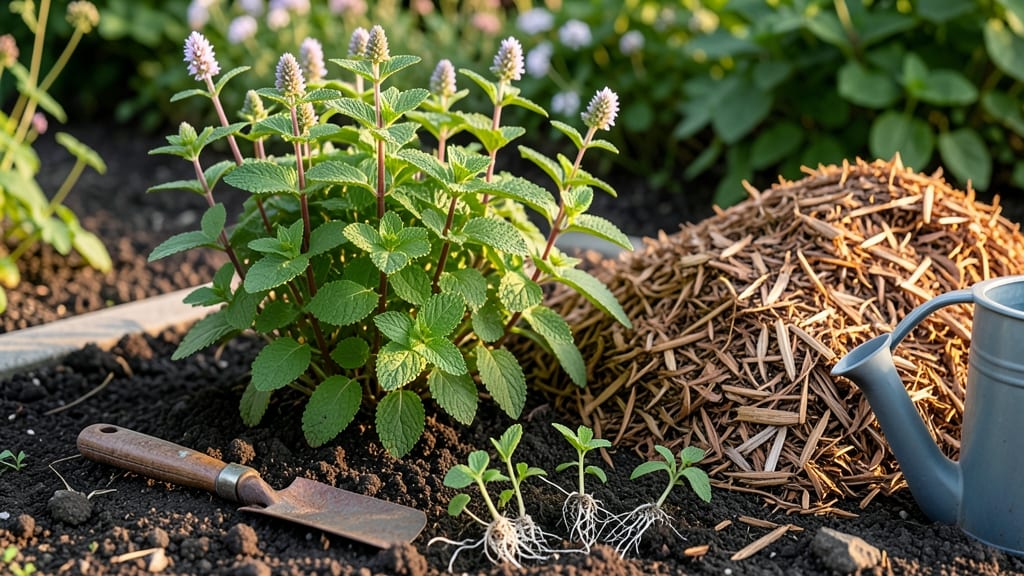
Planting mint under apple trees isn't just clever—it's a game-changer for both your orchard and your garden ecosystem. 🌿 I've watched mint transform my apple trees into pest-repellent powerhouses while improving the soil beneath them.
The aromatic leaves deter apple maggots and other pests naturally, while the roots help break down thatch and add organic matter.
Here's the thing—mint thrives in partial shade, making it perfect for the dappled light under apple canopies. You'll need a container or buried pot to control its aggressive spread, since mint can take over if left unchecked.
Plant it in early spring or fall when the soil is workable, and keep it 12-18 inches away from the tree trunk to avoid root competition.
By midsummer, you'll notice fewer pests on your apples and lush mint growth that smells like a mountain meadow. The mint's deep roots also help aerate the soil, giving your apple trees better access to nutrients. Plus, you'll have fresh mint for cooking right at your fingertips!
This method works best in USDA zones 3-9, where apple trees thrive. Just be prepared to trim the mint back in late summer to keep it from overwhelming your tree's space. The payoff—healthier trees and fewer pests—is worth the little extra effort.
📚 In This Guide
- What you need
- Instructions
- Tips and common mistakes
- Wrapping up and next steps
What you need
- ● Mint plants: 3–5 healthy mint cuttings or nursery-grown plants (preferably peppermint (Mentha × piperita) or spearmint (Mentha spicata) for best results).
- ● Organic mulch: 2–3 inches of straw, wood chips, or shredded leaves to retain moisture and suppress weeds.
- ● Compost or well-rotted manure: 1–2 gallons to enrich the soil with nutrients.
- ● Watering can or hose: With a gentle spray nozzle for even hydration.
- ● Pruning shears: Sharp, clean shears to trim mint runners and encourage bushier growth.
- ○ Gloves (optional but recommended): To protect your hands from mint’s oils and soil debris.
- ● Garden trowel or spade: For digging small holes (6–8 inches deep) near the tree’s drip line.
- ● Soil pH tester: To ensure the soil is slightly acidic to neutral (pH 6.0–7.0), ideal for mint.
- ○ Mulch fabric or landscape fabric: (Optional) To contain mint’s aggressive roots if needed.
- ● Slow-release fertilizer: Balanced 10-10-10 or organic options like fish emulsion for extra vigor.
- ○ Container or raised bed: (Optional) If you prefer to grow mint in pots to control spread.
How to plant mint under apple trees for natural pest control
Here’s the simple, effective way to use mint’s natural benefits while keeping your orchard thriving.
🌱 Step 1: Choose the Right Mint Variety and Planting Time
Select peppermint or spearmint—both repel pests like ants, aphids, and even deer. Avoid creeping charlie (field mint) unless you want it to spread aggressively. The best time to plant is early spring, when soil temperatures reach at least 50°F. This gives roots time to establish before summer heat.
I always plant after the last frost date in my zone. Mint grows best in partial shade, so under apple trees is perfect—it gets dappled light without scorching. If your trees are young, wait until they’re at least 3-4 years old before planting mint nearby to avoid competing for water.
🪴 Step 2: Prepare the Soil and Planting Site
Mint thrives in well-draining soil with moderate fertility. Loosen the top 6 inches of soil under the tree’s drip line (the area where branches naturally drop leaves). Mix in 2 inches of compost from your materials list to enrich the soil without overwhelming the apple tree’s roots.
Dig small holes 12 inches apart—mint spreads quickly, so spacing prevents overcrowding. If your soil is heavy clay (common under fruit trees), add a handful of perlite or sand to each hole to improve drainage. Water the holes deeply 24 hours before planting to settle the soil.
☀️ Step 3: Plant Mint and Water for Establishment
Place mint plants (or cuttings rooted in water) into the holes, ensuring the crown sits just below soil level. Press soil gently around the roots to eliminate air pockets. Water immediately after planting until soil is moist 2 inches deep—this encourages root growth without drowning the plant.
Here’s the thing—mint loves moisture but hates soggy roots. Mulch the area with 2 inches of straw or wood chips (from your materials) to retain moisture and suppress weeds. Keep the mulch 6 inches away from the apple tree’s trunk to prevent rot. Water 2-3 times per week until mint shows new growth.
💧 Step 4: Maintain Mint for Pest Control Benefits
Once established, mint needs minimal care but thrives with consistent moisture. Water deeply once a week during dry spells, aiming for 1 inch of water per week. Overhead watering can spread fungal diseases, so use a soaker hose or drip irrigation near the mint’s base.
Trim mint back by one-third in early summer to encourage bushier growth and stronger pest-repelling oils. If mint spreads beyond your desired area, dig up and relocate stray runners in early spring or fall. The key is keeping it contained—uncontrolled mint can outcompete young apple tree roots.
✂️ Step 5: Harvest and Use Mint for Maximum Benefits
Harvest mint leaves regularly to promote growth and boost essential oils. Pinch back stems just above a set of leaves to encourage branching. The best time to harvest is morning, after dew has dried but before the sun intensifies. Use freshly picked mint to make pest-repelling sprays (steep leaves in water, strain, and spray around the tree base).
Don’t skip this: Replace harvested mint every 4-6 weeks to maintain a dense, pest-deterring ground cover. If mint starts looking leggy or sparse, fertilize lightly with a balanced organic fertilizer (like 10-10-10) in early spring. Too much fertilizer makes mint grow fast but weak—focus on quality over quantity.
Tips & tricks for planting mint under apple trees
Here's what I've learned after years of experimenting with mint in orchards—these tricks make all the difference between a struggling patch and a thriving pest-control system.
Variety Matters: While peppermint and spearmint are your best choices for pest control, don't overlook chocolate mint if you want a dual-purpose plant—it repels pests just as well but adds a unique flavor to your kitchen. The key is avoiding creeping charlie (field mint) unless you're prepared for aggressive spread that can choke young apple roots.
Soil Prep Secret: In Step 2, when loosening that top 6 inches of soil, take a moment to break up any compacted layers with a garden fork. Heavy clay soils under fruit trees are notorious for poor drainage—adding perlite or sand to those holes makes a world of difference for mint's root health. I've seen mint plants in poorly amended clay struggle to establish, even with proper watering.
Watering Wisdom: That 24-hour pre-planting watering in Step 2 is crucial—it helps settle the soil and prevents air pockets around roots. After planting, the 2-3 times per week watering schedule should continue until you see new growth, but be mindful of overhead watering. Mint leaves are prone to fungal issues, so watering at the base with a soaker hose preserves that fresh, vibrant green color we want for pest repellence.
Harvesting Hack: When you're ready to harvest in Step 5, focus on the top third of the plant first. This encourages bushier growth from the base while maintaining that dense ground cover that keeps pests away. I've found that harvesting every 4-6 weeks keeps mint vigorous and maximizes those essential oils that repel pests like ants and aphids.
Pro Tips for Plant Mint Under Apple Trees
- Here's what I've learned after years of experimenting with mint in orchards—these tricks make all the difference between a struggling patch and a thriving pest-control system.
- The key is avoiding creeping charlie (field mint) unless you're prepared for aggressive spread that can choke young apple roots.
- Soil Prep Secret: In Step 2, when loosening that top 6 inches of soil, take a moment to break up any compacted layers with a garden fork.
Frequently asked questions
Got questions about planting mint under apple trees? You’re not alone! Here are some common concerns—and straightforward answers—to help you get the most out of this dynamic duo.
Why does mint grow so aggressively under apple trees?
Mint spreads rapidly because of its rhizomatous roots, which creep horizontally. While this makes it great for pest control, it can also invade nearby plants. To keep it in check, plant it in containers or use root barriers (like buried plastic or metal sheets) to contain its growth. Prune regularly to manage its spread!
When is the best time to plant mint near apple trees?
The ideal times are early spring (after the last frost) or early fall, when soil is warm but not scorching. Avoid planting in summer heat, as mint struggles with drought stress. If you’re transplanting established mint, do it on a cloudy day to reduce shock. Cool, moist soil helps roots establish faster!
Will mint actually keep pests away from my apple trees?
Mint’s strong fragrance repels common apple tree pests like aphids, ants, and spider mites. The menthol in mint disrupts their scent trails, making it harder for them to find your trees. For extra protection, crush a few leaves occasionally to release more oils. Pair it with garlic or chives for a pest-fighting powerhouse!
What if I don’t want mint spreading everywhere? Are there alternatives?
If mint’s invasiveness is a concern, try these low-spreading alternatives that still repel pests and enrich soil:
- Catnip (Nepeta cataria): Similar pest-deterring properties, but less aggressive.
- Thyme (Thymus vulgaris): Drought-tolerant and great for ground cover.
- Chamomile (Matricaria chamomilla): Calms soil and repels pests like cabbage moths.
- Comfrey (Symphytum officinale): Deep roots improve soil fertility without spreading wildly.
My mint looks unhealthy—what’s wrong?
Yellowing leaves or stunted growth usually mean one of these issues:
- Overwatering: Mint hates soggy soil. Ensure it has well-draining soil and water only when the top inch is dry.
- Nutrient deficiency: Feed with compost tea or a balanced fertilizer (like 10-10-10) in spring.
- Fungal issues: If leaves spot or mold appears, improve airflow by thinning nearby plants or pruning mint back.
- Too much shade: While mint tolerates shade, it needs at least 4–6 hours of sunlight daily for vigor.
Wrapping up and next steps
Planting mint under apple trees is a game-changer—it repels pests, boosts soil health, and even enhances your harvest naturally! 🌱 With minimal effort, you’ll create a thriving, low-maintenance ecosystem that benefits both your trees and your garden. Ready to see the difference?
Your next step? Grab those mint cuttings, mark your spot, and watch your apple trees—and your garden—thrive. Happy planting! 🌿