Pruning
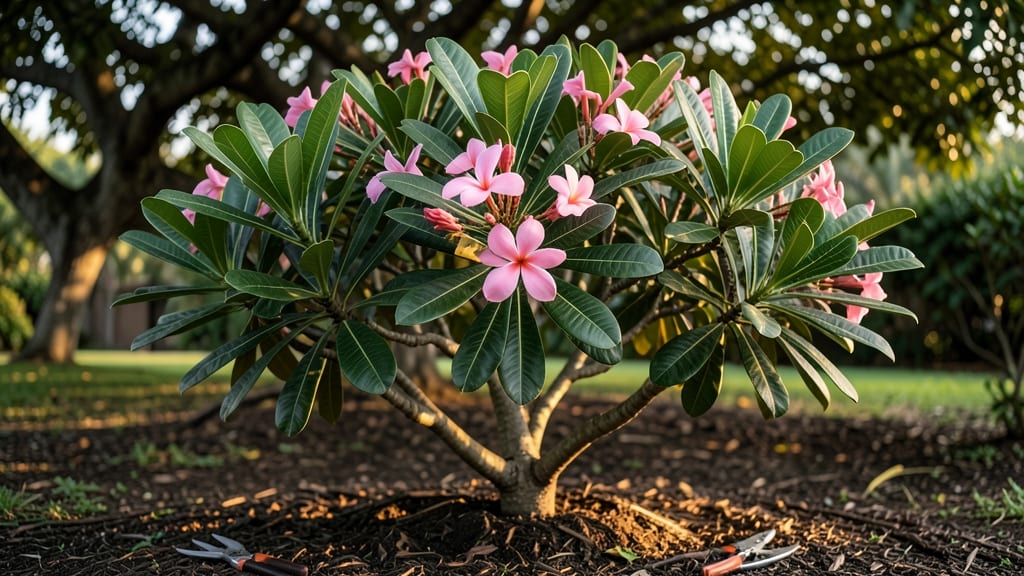
Growing a pink plumeria tree in the Pacific Northwest isn’t just possible—it’s transformative. ✨ These fragrant, cold-resistant beauties thrive year-round with the right care, turning your patio or garden into a tropical escape even when rain clouds linger.
I’ve nurtured mine through three winters now, and the secret lies in mimicking their natural coastal habitat: shelter, warmth, and just enough moisture to keep roots happy without drowning them.
The key to success starts with well-draining soil—think sandy loam mixed with perlite—and a spot where they get at least 6 hours of sunlight daily, though afternoon shade helps prevent leaf scorch in summer.
Watering is where most gardeners stumble: let the top inch of soil dry between drinks, and always use a pot with drainage holes. My tree blooms most prolifically when I prune lightly after each flush of flowers, shaping it like a small tree rather than letting it sprawl.
By late summer, you’ll be rewarded with clusters of rosy-pink blooms that perfume the air at dusk, and the leaves stay lush even when temperatures dip. The trade-off?
They’re not frost-hardy—bring potted trees indoors when nighttime temps drop below 35°F, and watch them bounce back with new growth come spring. With patience, your plumeria will become the centerpiece of your outdoor space, blooming reliably season after season.
This approach works for both container-grown and in-ground plantings in milder microclimates, like sunny south-facing walls. The biggest mistake? Overwatering or letting them sit in cold drafts. Stick with me, and your pink plumeria will outlast the typical houseplant—blooming like it’s on a Hawaiian beach, not in Seattle.
📚 In This Guide
- What you need
- Instructions
- Tips and common mistakes
- Wrapping up and next steps
What you need
- ● Pruning shears: Bypass pruners (sharp, 5–8" blades) for clean cuts on small branches. 1 pair required.
- ● Loppers: Bypass or anvil type (for thicker stems, 10–16" reach). 1 pair for medium branches.
- ● Hand pruners: Anvil-style (for dead/diseased wood). 1 pair for precision cuts.
- ● Disinfectant: 70% isopropyl alcohol or rubbing alcohol in a spray bottle. 1 bottle to sterilize tools between cuts.
- ● Gloves: Heavy-duty gardening gloves (cut-resistant, long sleeves). 1 pair to protect from thorns and sap.
- ● Pruning saw: Curved-tooth saw (for stubborn, thick branches). 1 saw for emergency cuts.
- ● Rag or paper towels: For quick cleanups. 5–10 sheets to wipe tools and hands.
- ● Weather: Choose a dry, overcast day (avoid frost or rain). Ideal temps: 50–70°F.
- ● Timing: Prune in late winter/early spring (Feb–March) or after blooming (summer).
- ○ Optional: Pruning sealant: 1 small bottle (for large cuts > ½" thick; skip if using fast-drying products).
- ● Extension pole: 1–2 poles (for high branches; 6–10 ft tall).
- ● Marking spray: 1 can (paint or chalk) to outline cuts before pruning.
- ● Compost bin: For clippings (plumeria trimmings decompose quickly!).
How to shape and care for a cold-resistant pink plumeria tree
Here’s my foolproof method for keeping your tropical plumeria thriving in cooler climates.
🌱 Step 1: Choose the Right Location and Plant
Start with a cold-resistant pink plumeria variety, like those bred for zones 9-11 with winter protection. In the Pacific Northwest, plant in a south-facing spot that gets at least 6 hours of direct sun daily—this is non-negotiable for blooms. I always check the microclimate first: spots near walls or fences can trap extra warmth in winter.
If you’re planting in the ground, dig a hole twice as wide as the root ball but only as deep. Plumeria roots spread wide but stay shallow. Amend the soil with 3 inches of compost to improve drainage—plumerias despise soggy roots. Gently remove the plant from its container and tease the roots outward if they’re circling.
☀️ Step 2: Prune for Structure and Cold Hardiness
Shape your plumeria in late winter or early spring before new growth starts. Use clean, sharp pruners to cut back leggy stems by one-third—this encourages bushier growth and more blooms. I always prune just above a leaf node or bud, never at a bare stem. Remove any dead or crossing branches first; these compete for energy and weaken the plant.
For cold protection, I wrap the main trunk with burlap or frost cloth once temperatures drop below 40°F. This simple step prevents frost cracks that can kill the plant. In extreme winters, move potted plumerias to an unheated garage or shed where temps stay above 35°F. The key is consistency—don’t let them freeze, but don’t smother them in heat either.
💧 Step 3: Water and Feed for Year-Round Blooms
Water deeply once a week in summer, letting the soil dry out 2-3 inches deep between waterings. Plumerias hate wet feet but need steady moisture during bloom season. In winter, cut back to every 2-3 weeks, only watering when the top 4 inches of soil feel dry. Overwatering in cool weather leads to root rot, which is deadly.
Feed with a balanced 10-10-10 fertilizer every 4-6 weeks during spring and summer. I mix it into the soil at half-strength to avoid burning the roots. Stop fertilizing in fall—this signals the plant to prepare for dormancy. A light mulch of 2 inches of bark chips helps insulate roots in winter while keeping moisture in summer.
✂️ Step 4: Deadhead and Protect for Winter
Deadhead spent blooms weekly to encourage more flowers. Simply pinch off the faded blossoms with your fingers or snip them with pruners. This might seem tedious, but it keeps the plant focused on producing new buds instead of seeding. I also remove any seed pods that form—they drain energy from the plant.
Before the first frost, move potted plumerias to a sheltered spot or bring them indoors. If left outside, wrap the pot in bubble wrap and cover the plant with frost cloth. In the ground, mound 4-6 inches of mulch around the base to protect roots. The goal is to keep the plant alive but dormant—it’ll reward you with a fresh flush of blooms in spring.
Tips & tricks for perfect Pacific Northwest plumeria care
Here's what I've learned after keeping these delicate beauties thriving in our chilly climate.
Sunlight Strategy: That 6 hours of direct sun is non-negotiable, but here's the trick: in the Pacific Northwest's cloudy days, supplement with a grow light for 2-3 hours daily during winter months. I place mine near a south-facing window with a timer to ensure consistent light exposure. The key is maintaining that tropical sunlight requirement even when our skies are gray.
Pruning Precision: When you're cutting back those leggy stems by one-third in Step 2, focus on removing stems that are growing inward or crossing others. I always make cuts at a 45-degree angle just above a leaf node—this promotes better healing and new growth. Avoid cutting at bare stems where no leaves or buds appear, as these won't regrow.
Winter Protection Layering: For that 40°F threshold, I double up protection by first wrapping the trunk with burlap, then covering the entire plant with frost cloth. In containers, I add an extra layer of bubble wrap around the pot itself before moving to sheltered spots. This creates an insulating barrier that maintains temperatures above 35°F even during our coldest snaps.
Watering Wisdom: The 2-3 inch dry zone between summer waterings is crucial, but here's how I test it: stick your finger about 2 inches deep—if it feels completely dry, it's time to water. In winter, I only water when the top 4 inches are dry, and I always water at the base rather than overhead to prevent fungal issues from our damp climate.
Pro Tips for Plumeria Pink Tree
- Here's what I've learned after keeping these delicate beauties thriving in our chilly climate.
- Sunlight Strategy: That 6 hours of direct sun is non-negotiable, but here's the trick: in the Pacific Northwest's cloudy days, supplement with a grow light for 2-3 hours daily during winter months.
- Pruning Precision: When you're cutting back those leggy stems by one-third in Step 2, focus on removing stems that are growing inward or crossing others.
Frequently asked questions
Got questions about your plumeria pink tree? You’re not alone—this tropical beauty needs special care, especially in the Pacific Northwest’s cooler climate. Here are answers to the most common queries to keep your tree thriving year-round!
Can a plumeria pink tree survive winter in the Pacific Northwest?
A plumeria pink tree is not cold-hardy by nature, but with proper protection, it can survive mild winters (USDA zones 10-11). In the PNW, expect to dig up and overwinter the roots in a pot or use frost blankets. If temperatures drop below 30°F (-1°C), even protected plants may suffer. Consider growing it as a container plant for flexibility!
How do I prune a plumeria pink tree for cold weather?
Pruning in late fall (before winter) helps reduce stress and encourages bushier growth in spring. Trim dead or damaged branches first, then cut back 1/3 of the foliage to minimize frost damage. Avoid heavy pruning—plumerias store energy in their roots, and aggressive cuts can weaken them. Disinfect tools with rubbing alcohol to prevent disease!
What’s the best way to overwinter a plumeria pink tree in the PNW?
For container-grown plumerias, move them to a cool, dark place (like a garage) when temps drop below 50°F (10°C). Water sparingly (every 4-6 weeks) to prevent root rot. If planted in the ground, mulch heavily (6+ inches) and wrap the trunk with burlap. Monitor for frost—even a light freeze can harm leaves, but roots are more resilient!
Why isn’t my plumeria pink tree blooming?
Plumerias need full sun (6+ hours/day) and well-draining soil to bloom. In the PNW, lack of sunlight is often the culprit—consider a south-facing window or grow lights for indoor plants. Overwatering or nutrient deficiencies (like low phosphorus) can also stunt blooms. Feed with a bloom booster in spring and summer for vibrant flowers!
Are there cold-hardy alternatives to plumerias for the PNW?
If plumerias prove too finicky, try these cold-resistant bloomers:
- Oleander (Nerium oleander) – Tolerates brief cold snaps (down to 15°F (-9°C)) but needs winter protection.
- Jasmine (Trachelospermum jasminoides) – Hardy to 0°F (-18°C) and fragrant!
- Camellia (Camellia japonica) – Thrives in PNW winters and blooms in winter/spring.
- Abelia (Abelia x grandiflora) – Drought-tolerant and blooms from summer to fall.
Each offers year-round interest with less fuss than plumerias!
Wrapping up and next steps
The plumeria pink tree is a stunning, cold-resistant addition that brings tropical charm to the Pacific Northwest—even in cooler climates! With the right pruning techniques, you’ll enjoy vibrant blooms year-round while keeping your tree healthy and thriving.
Whether you’re a seasoned gardener or just starting, this guide gives you the confidence to care for your plumeria like a pro.
Ready to transform your garden? Start by inspecting your tree this week—trim those leggy branches and shape it with love. Your future blooms will thank you! 🌸✨