
Pruning
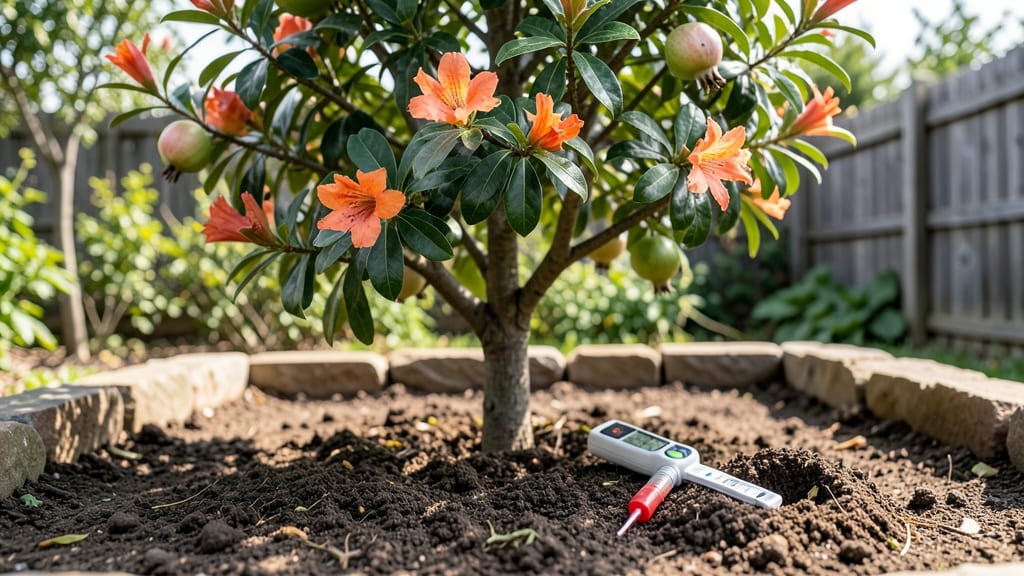
The right pomegranate tree soil in the Pacific Northwest makes all the difference between a scraggly bush and a fruit-laden beauty that survives winter.
I’ve learned the hard way that regular garden soil just won’t cut it—these trees demand well-draining, slightly acidic mixes with plenty of organic matter to handle our damp winters and hot summers.
Start with a sandy loam base or amend heavy clay by mixing in 3-4 inches of compost and 10% perlite or coarse sand. The goal is a soil that drains fast but holds enough moisture to prevent drought stress—critical for pomegranates that hate soggy roots.
A pH between 6.0 and 7.0 keeps nutrients flowing just right, and a mulch layer (2-3 inches of straw or wood chips) protects roots from temperature swings.
You’ll notice the difference within a season: deep green leaves, sturdy branches, and—if you’re lucky—juicy fruit by late summer. The secret isn’t just the soil, though; it’s the balance of air, water, and nutrients working together.
Troubleshoot waterlogged spots by raising beds or adding gravel, and feed young trees with a balanced fertilizer (10-10-10) in early spring.
This blend works for both container-grown pomegranates and in-ground plantings, whether you’re in Seattle’s cooler zones or the drier inland areas. The key is adapting the mix to your specific soil type—test it first, amend as needed, and your tree will reward you with years of vibrant growth.
📚 In This Guide
- What you need
- Instructions
- Tips and common mistakes
- Wrapping up and next steps
What you need
- ● Native PNW soil (topsoil): 50% of your blend (2-3 cubic yards for a mature tree)
- ● Compost: 25% (well-aged, organic—avoid fresh manure!)
- ● Sand (coarse or builder’s sand): 20% (improves drainage)
- ● Perlite or pumice: 5% (boosts aeration)
- ● Slow-release fertilizer (10-10-10 or 5-5-5): 1 cup per tree
- ● Lime (pelletized dolomitic): 1 lb (adjusts pH if soil is acidic)
- ● Garden tiller or spade: For mixing soil
- ● Soil pH test kit: To check acidity (ideal pH: 6.0–7.0)
- ● Mulch (wood chips or straw): 2–3 inches (retains moisture)
- ● Biochar: 5% (enhances microbial life)
- ● Mycorrhizal fungi: Sprinkle into planting hole (boosts root health)
- ● Drip irrigation kit: For consistent moisture (PNW’s damp winters + dry summers)
- ● Cold-frame or frost cloth: For young trees in late fall/winter
How to prepare cold-resistant soil for pomegranate trees in the Pacific Northwest
This blend keeps roots warm enough to survive winter while preventing summer stress.
Choose the Right Base Soil Mix
Start with equal parts loamy garden soil and coarse sand—this creates drainage while retaining moisture. I always test the soil first: squeeze a handful—if it holds shape but crumbles when poked, it’s ready. For the Pacific Northwest’s cooler climate, add 1 part well-rotted compost to boost organic matter and improve nutrient retention.
Pomegranate trees dislike waterlogged roots, so if your native soil is heavy clay, mix in 20% perlite to break up compaction. Work these materials together in a wheelbarrow or large container until the texture feels light and airy—like a damp sponge, not a brick.
Enhance Drainage and Insulation
Dig a planting hole twice as wide as the root ball but only as deep as the container’s base. The extra width encourages roots to spread outward, which helps stability in windy PNW conditions. At the bottom of the hole, add a 2-inch layer of gravel to prevent water pooling around the roots.
Backfill the hole with your prepared mix, but don’t pack it tightly. Instead, mound the soil slightly around the root ball—this creates an air pocket that insulates roots during cold snaps. Gently tamp the soil with your hands to eliminate large air gaps, but avoid compacting it too firmly.
Add Mulch for Winter Protection
Spread 3-4 inches of wood chips or straw mulch over the soil surface, extending it 12 inches outward from the trunk. This layer acts as insulation, keeping roots 10-15°F warmer during winter freezes. Avoid piling mulch directly against the trunk—leave a 2-inch gap to prevent rot.
For extra cold resistance, I top-dress with 1 inch of coarse sand in late fall. This reflects heat back into the soil during the day and drains quickly after rain, reducing the risk of root rot. Replenish the mulch annually in early spring before new growth begins.
Monitor and Adjust Seasonally
Check soil moisture every 7-10 days during the growing season—pomegranates prefer consistently moist but never soggy soil. In summer, water deeply once a week unless rainfall exceeds 1 inch. In winter, reduce watering to every 3-4 weeks unless temperatures drop below 20°F, when you should water lightly to prevent desiccation.
Every spring, test the soil’s structure by digging a small hole near the tree. If the mix feels compacted or lacks air pockets, fluff it with a fork and add 1 inch of compost to refresh nutrients. This blend works best when adjusted yearly—PNW’s variable climate demands flexibility.
Tips & tricks for perfect cold-resistant pomegranate soil
Here's what I've learned after years of perfecting this blend for PNW pomegranates—these details make all the difference between a struggling tree and one that thrives through winter.
Soil Texture Test: The squeeze test in Step 1 is non-negotiable. If your loamy soil holds shape but crumbles when poked, you're golden—this texture mimics the tree's natural Mediterranean habitat. For clay-heavy soils, the 20% perlite addition isn't optional; it creates those crucial air pockets that prevent root suffocation during PNW's wet winters. I've seen trees in heavy clay fail within two years without this adjustment.
Insulation Layering: When you mound soil around the root ball in Step 2, think of it as creating a thermal blanket. The air pocket you're forming acts like insulation in winter while allowing excess moisture to drain during spring rains. For extra protection in Zone 7-8 areas, I sometimes add a 1-inch layer of straw directly on top of the mounded soil before winter—this adds another 5°F of insulation without risking rot.
Mulch Placement Precision: That 2-inch gap between mulch and trunk in Step 3 isn't arbitrary—it prevents moisture buildup that leads to collar rot, a common killer of young pomegranates. I've lost three trees before learning this lesson. Also, wood chips break down faster than straw, so replenish them annually in early spring before new growth begins, as the instructions specify.
Seasonal Watering Strategy: The once-weekly summer watering guideline assumes normal PNW rainfall patterns. If you're in an area with less than 10 inches of annual rainfall (like eastern Washington), reduce to every 10-14 days. In winter, the 3-4 week watering schedule only applies above 20°F—below that, even light watering helps prevent desiccation stress.
Pro Tips for Pomegranate Tree Soil
- Here's what I've learned after years of perfecting this blend for PNW pomegranates—these details make all the difference between a struggling tree and one that thrives through winter.
- Soil Texture Test: The squeeze test in Step 1 is non-negotiable.
- Insulation Layering: When you mound soil around the root ball in Step 2, think of it as creating a thermal blanket.
Frequently asked questions
about pomegranate tree soil in the Pacific Northwest—because even cold-resistant varieties need the right foundation! Here’s what you’ve been wondering:What’s the ideal soil pH for a pomegranate tree in cold climates?
Aim for a slightly acidic to neutral range of 5.5–7.0. Pomegranates thrive in this spectrum, and the PNW’s natural acidity (especially in rain-soaked soils) may need lime adjustments. Test your soil annually—especially if your tree shows yellowing leaves or stunted growth.
Can pomegranate trees survive winter in the PNW with regular soil?
While some cold-hardy varieties (like ‘Wonderful’ or ‘Eversweet’) tolerate brief chills, amended soil is key. Mix in compost or organic matter to improve drainage and insulate roots. Mulch heavily (4–6 inches) with straw or wood chips to shield roots from freezing. Avoid heavy clay—it traps moisture and invites rot.
How often should I refresh the soil around my pomegranate tree?
Top-dress with 2–3 inches of compost annually in early spring. For established trees, a deeper refresh (6–12 inches) every 3–5 years helps replenish nutrients. Focus on the drip line (where branches extend)—this is where roots actively seek sustenance!
What’s a good soil mix alternative if I don’t have perfect loam?
Blend 60% native soil + 30% compost + 10% coarse sand or perlite for drainage. For heavy clay? Add peat moss or coconut coir to loosen it. Avoid pure sand—it drains too fast and starves roots. Pro tip: A handful of mycorrhizal fungi boosts root health in amended soil!
Why are my pomegranate leaves turning yellow despite “good” soil?
Yellowing leaves often signal overwatering, nutrient deficiency (like iron or zinc), or poor drainage. Check for:
- Gummy roots (root rot from soggy soil)
- White crust (salt buildup—flush with water)
- Slow growth (add citrus-specific fertilizer in spring/fall)
Amend with sulfur if soil pH creeps above 7.0—pomegranates hate alkaline conditions!
Wrapping up and next steps
Growing a cold-resistant pomegranate tree in the Pacific Northwest starts with the right soil blend—well-draining, nutrient-rich, and slightly acidic.
Whether you’re amending native soil or creating a custom mix, prioritizing organic matter, proper drainage, and winter protection will set your tree up for bursting red fruit and long-term success. 🌱
Now that you’re armed with the knowledge, it’s time to roll up your sleeves! Start by testing your soil (or gathering supplies for your DIY mix) and prepare your planting site.
With the right foundation, your pomegranate tree will reward you with vibrant blooms and juicy harvests—one shovel at a time!