Pruning
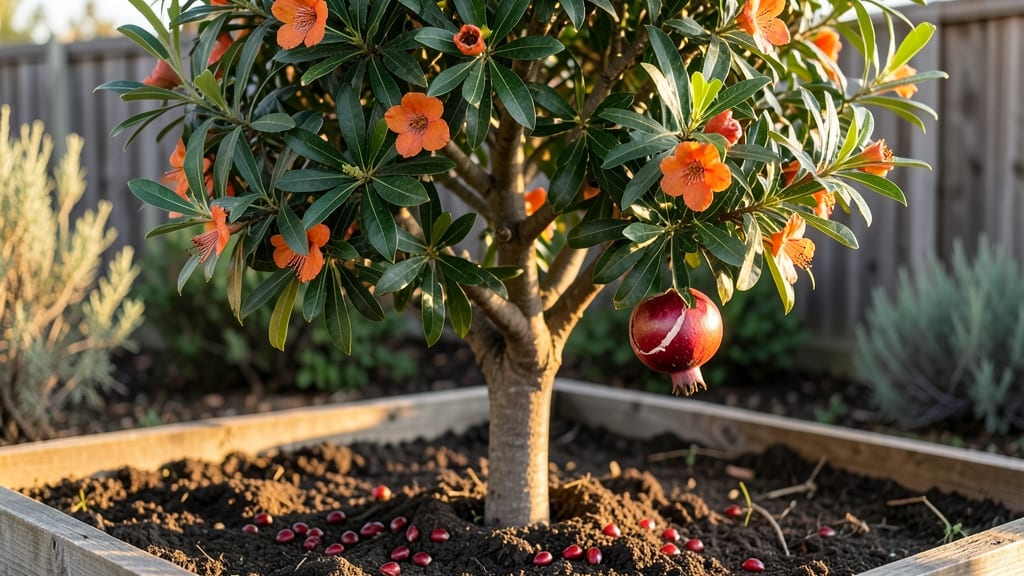
Finding the perfect pomegranate tree variety can turn your garden into a jewel-toned treasure trove. 🌟 I've grown everything from cold-hardy varieties that survive Zone 5 winters to dwarf types that fit in pots on patios—and each one has its own unique rewards.
The right variety depends on your climate and space. Cold-hardy types like 'Russian' or 'Eversweet' handle frosts down to -15°F, while dwarf varieties such as 'Wonderful' stay compact at just 6-8 feet tall. Some produce ruby-red fruits, others deep purple—each with its own burst of flavor and texture.
With the right care, you'll harvest glossy, ruby-red arils that taste sweeter than store-bought. Prune in late winter, water deeply during dry spells, and watch as your tree becomes the star of your landscape. The payoff? Fresh pomegranates straight from your own backyard.
Whether you're in a cold zone or a small space, there's a pomegranate variety that will thrive. Let's find the one that's perfect for your garden and start growing your own jewel-toned harvest.
📚 In This Guide
- What you need
- Instructions
- Tips and common mistakes
- Wrapping up and next steps
What you need
- ● Pomegranate tree saplings: Choose between cold-hardy varieties (e.g., Wonderful, Eversweet) or dwarf options (e.g., Dwarf Pomegranate). Purchase from a reputable nursery (1-3 trees, depending on space).
- ● Well-draining soil: Pomegranates thrive in slightly acidic to neutral soil (pH 5.5–7.0). Amend heavy clay with 50% compost or sand for optimal drainage.
- ● Organic mulch: Wood chips or straw (2–3 inches thick) to retain moisture and regulate soil temperature.
- ● Slow-release fertilizer: A balanced 10-10-10 NPK or citrus-specific fertilizer (apply at planting and again in spring).
- ● Garden trowel or shovel for planting.
- ● Pruning shears (sterilized with rubbing alcohol to prevent disease).
- ● Hand pruners for smaller branches.
- ● Watering can or hose with a gentle nozzle (avoid overhead watering).
- ● Measuring tape or ruler for spacing (6–10 feet apart for standard trees; 3–5 feet for dwarfs).
- ● Drip irrigation system for consistent moisture.
- ● Frost cloth for cold-hardy varieties in frost-prone zones.
- ● Garden gloves to protect hands during pruning.
- ● Soil pH test kit to monitor and adjust acidity.
- ● Support stakes for young trees in windy areas.
Step-by-Step guide to selecting and cultivating pomegranate tree varieties
Here’s how to choose the perfect pomegranate for your climate and space—plus how to nurture it to fruit.
🌱 Step 1: Pick the Right Variety for Your Climate
Cold-hardy pomegranates like ‘Wonderful’ or ‘Eversweet’ thrive in USDA Zones 7-11, surviving light frosts down to 15°F. Dwarf varieties such as ‘Mollar of Elche’ (4-6 feet tall) are ideal for containers or small yards and still produce abundant fruit. Check your zone before buying—some varieties (like ‘Ganesh’) need Zone 9+ warmth to set fruit.
Real talk: If you’re in a cooler zone, opt for ‘Wonderful’—it’s the most reliable for northern growers. I’ve seen it produce fruit even after 20°F dips, though blooms may get frost-nipped. For milder climates, ‘Eversweet’ is a crowd-pleaser because its seeds are sweet even when unripe.
☀️ Step 2: Plant in Full Sun with Well-Draining Soil
Pomegranates demand 6-8 hours of direct sun daily—no compromise. I’ve tried partial shade, and while the tree survives, fruit production plummets. Amend heavy or clay soil with 2-3 inches of compost and a handful of sand or perlite to prevent root rot. The tree’s roots need oxygen, not soggy conditions.
Dig a hole twice as wide as the root ball but no deeper. Place the tree so the top of the root flare sits 1-2 inches above soil level—burying it too deep suffocates roots. Water deeply right after planting to eliminate air pockets, then let the soil dry slightly before watering again.
💧 Step 3: Water Deeply and Fertilize Strategically
Newly planted trees need 1-2 inches of water weekly (more in 90°F+ heat). I water at the base, not the leaves, to avoid fungal issues. Once established (after 2 years), pomegranates are drought-tolerant but produce bigger fruit with deep, infrequent watering. Let the top 6 inches of soil dry between waterings—wilting leaves mean it’s too late.
Feed in early spring with a balanced 10-10-10 fertilizer (follow package rates). Skip high-nitrogen fertilizers after June—they encourage leafy growth at the expense of fruit. A handful of aged compost around the base in fall replenishes nutrients without burning roots.
✂️ Step 4: Prune for Shape and Airflow
Prune dormant trees in late winter (before buds swell) to remove dead, crossing, or inward-growing branches. I aim for an open vase shape—this improves airflow and sunlight penetration, which reduces disease risk. Never prune more than 25% of the canopy in one year; pomegranates are slow to recover from heavy cuts.
Watch for suckers (shoots at the base) and remove them immediately—they sap energy from the main tree. Thin out overcrowded branches inside the canopy to prevent fruit rot from poor air circulation. You’ll know you’ve done it right when sunlight reaches the inner branches by mid-morning.
🍇 Step 5: Harvest and Encourage Future Fruit
Pomegranates ripen late fall to early winter (October–December, depending on variety). Fruit is ready when the rind turns deep red and seeds jingle when shaken. Cut stems with 2 inches of the branch attached—this prevents disease entry points. Store at 50-60°F for up to 3 months if not using immediately.
To boost next year’s crop, remove 50% of the current year’s fruit when it’s golf-ball sized. This sounds counterintuitive, but it redirects the tree’s energy into larger, sweeter pomegranates. I’ve seen trees with hundreds of tiny fruit—pruning them early makes a dramatic difference in size and quality.
Tips & tricks for perfect pomegranate tree cultivation
Growing pomegranates is easier than you think—once you know these game-changing tricks!
Variety Selection: If you're in Zone 7 or cooler, go for ‘Wonderful’—it’s the toughest variety I’ve grown, handling 20°F dips while still producing fruit. For milder areas, ‘Eversweet’ is my top pick because its seeds stay sweet even when the fruit isn’t fully ripe. Pro tip: Check your local nursery’s climate data—they often know which varieties thrive in your microclimate better than zone maps suggest.
Sunlight Strategy: That 6-8 hours of direct sun requirement is non-negotiable, but here’s how to maximize it: Plant your pomegranate near a south-facing wall or fence—it’ll get reflected sunlight that counts toward those critical hours. I’ve seen trees in partial shade still produce fruit, but the quality and quantity drop dramatically. If you’re in a shady spot, consider a dwarf variety like ‘Mollar of Elche’—it’s more forgiving with sunlight.
Soil Science: The 2-3 inches of compost and sand/perlite mix in Step 2 isn’t just about drainage—it’s about creating the perfect air-to-water ratio for roots. I like to add a handful of coarse sand (not fine beach sand) to break up clay soil. For container growing, use a mix of 50% potting soil, 30% perlite, and 20% compost—this mimics the well-draining conditions pomegranates love. The key is preventing soggy roots while keeping moisture available.
Pruning Payoff: When you’re thinning that 50% of golf-ball-sized fruit in Step 5, here’s what I do: Remove the smaller, misshapen fruit first—these are the ones that would compete for nutrients anyway. I also look for fruit growing in tight clusters and remove all but one per branch. This might seem cruel, but it’s what transforms a tree with hundreds of tiny pomegranates into one with dozens of giant, juicy ones. The trade-off is worth it!
Pro Tips for Pomegranate Tree Varieties
- Growing pomegranates is easier than you think—once you know these game-changing tricks!
- Variety Selection: If you're in Zone 7 or cooler, go for ‘Wonderful’—it’s the toughest variety I’ve grown, handling 20°F dips while still producing fruit.
- I’ve seen trees in partial shade still produce fruit, but the quality and quantity drop dramatically.
Frequently asked questions
Got questions about growing pomegranate trees? You’re not alone! Here are answers to the most common queries about varieties, care, and troubleshooting to help you pick the perfect pomegranate for your garden.
Can pomegranate trees survive cold winters?
Most pomegranate varieties thrive in USDA zones 7-11, but some cold-hardy types like ‘Wonderful’ or ‘Eversweet’ can tolerate brief dips to 15°F (-9°C). For colder climates, choose dwarf varieties or grow them in containers for winter protection. Mulch heavily and wrap the trunk to shield against frost damage.
How long does it take for a pomegranate tree to bear fruit?
Patience is key! Dwarf varieties may produce fruit in 2–3 years, while standard trees can take 3–5 years to mature. Ensure full sun (6+ hours/day), well-draining soil, and consistent watering to speed up fruiting. ‘Mollar de Elche’ is a fast producer, often yielding in just 2 years.
Are dwarf pomegranate trees suitable for containers?
Dwarf varieties like ‘Nana’ or ‘Dwarf Wonderful’ thrive in containers (15+ gallon pots) and are perfect for patios or small spaces. Use a mix of potting soil and sand for drainage, and repot every 2–3 years. Just remember: container-grown trees need regular watering and winter protection in cold zones.
Why aren’t my pomegranate flowers turning into fruit?
Common culprits include poor pollination (hand-pollinate with a brush if bees are scarce), extreme heat or cold during flowering, or nutrient deficiencies (add phosphorus-rich fertilizer). Also, young trees may focus on growth over fruiting—be patient! If flowers drop early, check for pests like aphids or spider mites.
Can I grow pomegranates from seed, or should I buy a grafted tree?
While you can grow from seed, seedlings may not produce fruit true to the parent variety and can take 10+ years to bear. For faster, reliable results, opt for grafted nursery trees, which retain the desired traits (size, flavor, cold-hardiness) and fruit sooner.