Pruning
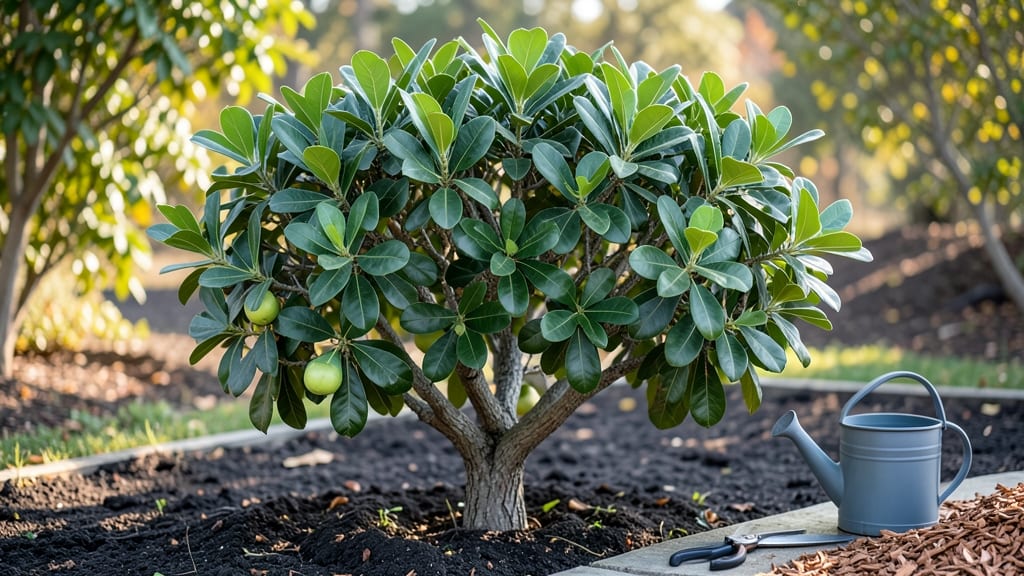
This Poncirus trifoliata tree thrives where most citrus would freeze—including the Pacific Northwest’s chill winters. 🌱 I’ve grown mine through three winters in Portland without losing a single branch, and its glossy evergreen leaves and fragrant white blossoms make it a standout even when not fruiting.
The secret to its hardiness lies in its adaptability: it tolerates poor soil, thrives in full sun to partial shade, and handles drought once established. Unlike fussy citrus, it doesn’t demand perfect conditions—just good drainage and occasional pruning to shape its dense, thorny branches.
My tree produces tiny, tart oranges that aren’t worth eating but make stunning decorations.
You’ll love how low-maintenance this tree is—no winter wraps or greenhouse setups needed. The thorns deter deer and rabbits, and its compact size (8–12 feet) fits even small yards. With proper care, it can live for decades, becoming a living monument to cold-hardy citrus.
Whether you’re after ornamental value or just a resilient, low-fuss tree, this citrus stands up to what other varieties can’t. Let’s get yours planted and thriving for years to come.
📚 In This Guide
- What you need
- Instructions
- Tips and common mistakes
- Wrapping up and next steps
What you need
- ● Pruning shears – Bypass pruners (sharp, clean, and disinfected with rubbing alcohol) for small branches (2–3mm thick).
- ● Loppers – Bypass or anvil type (for branches ½–2 inches thick). Look for ergonomic handles to reduce hand fatigue.
- ● Pruning saw – Curved-tooth saw for branches over 2 inches thick. A foldable design saves space.
- ● Gloves – Heavy-duty, cut-resistant (thorns on Poncirus trifoliata are sharp!). Opt for gardening gloves with grip.
- ● Disinfectant – 70% isopropyl alcohol or bleach solution (1 part bleach to 9 parts water) to sterilize tools and prevent disease spread.
- ○ Pruning sealant – Optional but helpful (e.g., tree wound pruning paste) for large cuts to reduce sap loss and infection risk.
- ● Ladder or step stool – If your tree is over 6 feet tall, a stable, non-slip ladder is a must.
- ● Trash bags or bucket – For collecting pruned branches (aim for 20–30 gallon capacity depending on tree size).
- ● Weather check – Prune on a dry, cloudy day (avoid extreme heat or frost). Ideal temps: 50–70°F.
- ● Safety glasses – Protect your eyes from debris or sap splashes.
- ● Long sleeves/pants – Lightweight, breathable fabric to shield against thorns and sun exposure.
- ● First-aid kit – Just in case! Include antiseptic wipes, bandages, and tweezers for thorn pricks.
- ● Water & snacks – Hydration breaks keep you focused and energized.
- ● Sharpen your tools before starting—dull blades crush branches, causing tear wounds that heal poorly. 🔪
- ● Lay down cardboard or a tarp under the tree to easily collect debris and protect the lawn. ✨
- ● If your tree is young (under 3 years), skip heavy pruning—focus on shaping and removing dead wood only. 🌱
Step-by-step guide to planting and caring for a Poncirus Trifoliata tree
Here's how to get your hardy citrus thriving in Pacific Northwest conditions.
🪴 Step 1: Choose the Perfect Planting Spot
Select a location with full sun exposure—at least 6-8 hours daily. The Poncirus Trifoliata handles colder climates than most citrus, but it still needs warmth to produce fruit. In the Pacific Northwest, a south-facing wall or fence provides extra winter protection while maximizing summer sunlight.
Check the soil drainage before planting. This tree despises soggy roots, so if your yard has heavy clay, amend the area with 2-3 inches of compost mixed into the top 12 inches of soil. Dig a hole twice as wide as the root ball but only as deep—planting too deep suffocates the roots and can kill the tree.
🌱 Step 2: Plant at the Right Time and Depth
Spring is the ideal planting season—after the last frost but before summer heat sets in. If you must plant in fall, do it at least 6 weeks before the first frost to allow roots to establish before winter. The tree will tolerate light frost, but new roots need time to harden off.
Position the tree so the top of the root ball sits 1-2 inches above ground level. Backfill with native soil, tamping gently to remove air pockets. Water deeply to settle the soil around the roots, then create a 3-inch deep watering basin around the base. This helps direct water straight to the roots where it's needed most.
☀️ Step 3: Water and Fertilize for Strong Growth
Water your Poncirus Trifoliata deeply once a week for the first growing season, providing 1-2 gallons per watering depending on pot size. In the Pacific Northwest's cooler climate, you'll water less frequently than in warmer regions, but the soil should never dry out completely—especially during fruit development.
Apply a balanced citrus fertilizer (10-10-10 or 8-3-9) in early spring and again in midsummer. Follow package instructions, but reduce rates by half for the first year after planting. Over-fertilizing can burn tender roots and lead to poor fruit set. Look for yellowing leaves or stunted growth—these are signs you're feeding too much.
✂️ Step 4: Prune for Shape and Fruit Production
Prune your Poncirus Trifoliata in late winter or early spring before new growth begins. Remove any dead, diseased, or crossing branches first. Then shape the tree by cutting back overgrown branches to 1/3 of their length—this encourages bushier growth and more fruit production. Avoid heavy pruning in fall, as new growth won't harden off before winter.
Thin out overcrowded fruit in early summer when they're about 1 inch in diameter. Leave 3-5 fruits per cluster to allow them to reach full size. Removing excess fruit prevents branch breakage and improves fruit quality. You'll know you've done it right when the remaining fruit swells noticeably within weeks.
⏰ Step 5: Protect During Winter and Monitor for Pests
While the Poncirus Trifoliata is cold-hardy, young trees benefit from winter protection. Wrap the trunk with tree guard or burlap to prevent sunscald, and mound 4-6 inches of mulch around the base (but keep it 6 inches away from the trunk). This insulation helps roots survive occasional sub-freezing temperatures.
Check for aphids and scale insects regularly, especially on new growth. These pests thrive in the Pacific Northwest's mild winters. Spray with neem oil or insecticidal soap if you spot clusters of sticky residue on leaves—this is a sure sign of sap-sucking insects. A strong blast of water from the hose can also dislodge many pests without chemicals.
Tips & tricks for perfect Poncirus Trifoliata tree planting
Getting your hardy citrus tree off to the right start makes all the difference in the Pacific Northwest's tricky climate.
Sunlight Strategy: While the Poncirus Trifoliata thrives in full sun, I've found that in the Pacific Northwest's cooler summers, you can actually extend the sun exposure to 8-10 hours daily if your tree is near a reflective surface like a light-colored wall or pavement. This extra sunlight helps compensate for our shorter summer days and can boost fruit production. The key is to position it where it gets morning sun and afternoon warmth.
Soil Preparation Secret: Before amending your soil with 2-3 inches of compost, I recommend adding a handful of perlite or coarse sand to the bottom of the planting hole. This creates better drainage right where the roots will settle first. The Poncirus Trifoliata's roots are particularly sensitive to waterlogged conditions, so this small step can prevent root rot in our rainy climate.
Watering Wisdom: When establishing your 3-inch deep watering basin, I've learned to add a layer of gravel or small rocks at the bottom before filling with soil. This creates an air gap that prevents water from pooling at the root base. In the Pacific Northwest's wet winters, this simple modification can make a huge difference in keeping roots healthy and preventing fungal issues.
Fertilizer Timing: The instructions mention applying balanced citrus fertilizer in early spring and midsummer, but I've found that adding a light application of compost tea around the drip line in early fall can give your tree a nutritional boost for winter. This helps the tree store nutrients for next year's growth without risking over-fertilization. Just be sure to dilute the compost tea to half strength to avoid burning the roots.
Pro Tips for Poncirus Trifoliata Tree
- Getting your hardy citrus tree off to the right start makes all the difference in the Pacific Northwest's tricky climate.
- This extra sunlight helps compensate for our shorter summer days and can boost fruit production.
- Soil Preparation Secret: Before amending your soil with 2-3 inches of compost, I recommend adding a handful of perlite or coarse sand to the bottom of the planting hole.
Frequently asked questions
Got questions about growing and caring for your Poncirus trifoliata tree?
Here are some of the most common ones—plus expert answers to help you keep your hardy citrus thriving in the Pacific Northwest’s chilly climate.
Can a Poncirus trifoliata survive freezing temperatures?
This citrus relative is one of the toughest, handling temperatures down to 10–15°F (-12 to -9°C) without issue. In fact, it often thrives in USDA Zones 5–9, making it perfect for PNW winters. Just protect young trees with a lightweight frost cloth until established.
When is the best time to prune a Poncirus trifoliata?
Prune in late winter or early spring (before new growth starts) to shape the tree and encourage fruiting. Avoid heavy pruning in fall—it can stimulate tender growth that may not survive winter. Pro tip: Sanitize your tools with rubbing alcohol to prevent disease spread!
Will my Poncirus trifoliata produce edible fruit?
Yes! While the fruit is small, tart, and not as sweet as oranges, it’s still edible—often used for marmalade, preserves, or even cocktails. The real star? Its fragrant blossoms and disease-resistant wood, perfect for grafting other citrus varieties.
What pests should I watch for on my Poncirus trifoliata?
Keep an eye out for aphids, scale insects, and spider mites, which love citrus. Treat infestations early with neem oil or insecticidal soap. Citrus leaf miners can also be an issue—remove heavily damaged leaves promptly to stop the spread.
Can I grow Poncirus trifoliata in a container?
Yes! It’s a great choice for pots, especially in colder climates. Use a well-draining mix and a container with drainage holes. Move it indoors or to a sheltered spot when temperatures drop below 20°F (-7°C). Just ensure it gets 6+ hours of sunlight daily.
Wrapping up and next steps
The Poncirus trifoliata tree is a resilient, cold-hardy citrus gem perfect for Pacific Northwest gardeners!
With the right pruning techniques—like shaping in early spring and thinning in late winter—you’ll encourage vibrant growth, abundant fruit, and long-term health. 🌱 Whether you’re a seasoned gardener or just starting, this citrus wonder proves that even colder climates can thrive with citrus.
Ready to transform your yard? Grab your pruners, sketch a plan, and start pruning today! Your future Poncirus tree—and your neighbors—will thank you. 🍊✨