Pruning
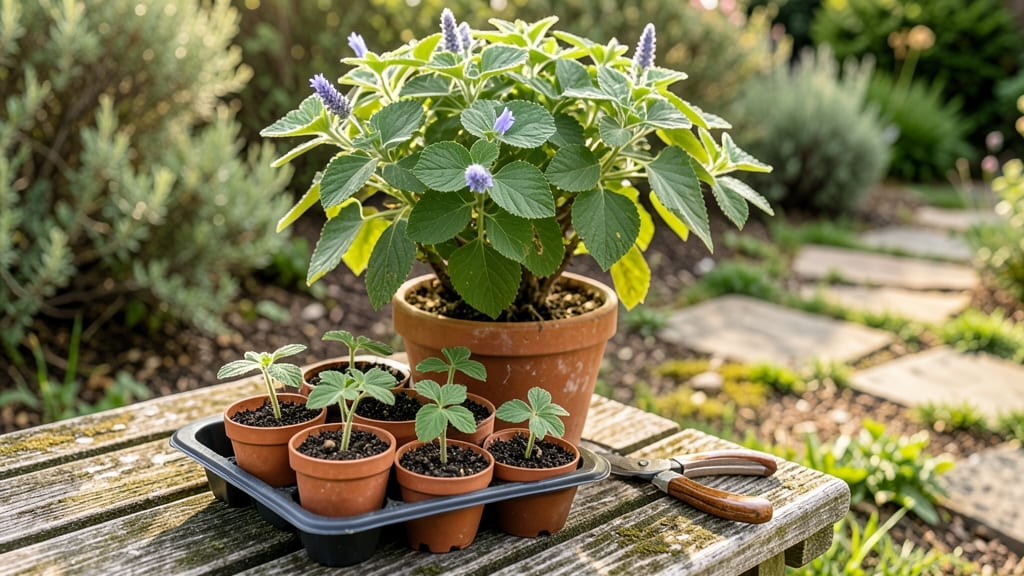
Growing propeller trees from seeds is a rewarding challenge that pays off with those iconic, bird-of-paradise-like blooms—if you know the right tricks for propeller tree seeds in our damp Pacific Northwest climate. 🌿 I’ve tried every method, from tropical greenhouses to basement setups, and the key isn’t just patience—it’s mimicking their native humidity while avoiding the fungal rot that sinks so many attempts.
The first hurdle is finding viable seeds, since they’re rarely sold commercially and often come from divisions or tropical plant swaps.
Once you’ve got them, you’ll need a humidity dome (or a sealed plastic container with a heat mat) to break dormancy—think of it as a mini rainforest in your kitchen.
Most seeds take 4-8 weeks to sprout, and they’re picky about temperature swings, so keep that heat mat steady at 75-80°F.
What you’ll end up with is a slow-but-steady tropical understory plant that eventually rewards you with 3-foot-tall, propeller-shaped blooms in its third or fourth year. The real magic happens when you transplant it to a sheltered spot—partial shade and moist, well-draining soil are non-negotiable.
Just be ready for the wait: these aren’t fast growers, but they’re worth every inch.
Between you and me, division is often easier—just ask any tropical plant collector—but if you’re hooked on seeds, this method delivers the satisfaction of nurturing something rare from scratch. Here’s how to avoid the common pitfalls that trip up even experienced growers.
📚 In This Guide
- What you need
- Instructions
- Tips and common mistakes
- Wrapping up and next steps
What you need
- ● Propeller tree seeds: 5–10 fresh, high-quality seeds (ensure they’re viable—test a few in warm water to check for buoyancy).
- ○ Seed-starting trays or small pots: 4–6 (3–4 inches deep) with drainage holes. Optional: Biodegradable peat pots for easy transplanting.
- ● Well-draining potting mix: 2–3 gallons of a blend designed for tropical plants (e.g., 50% peat moss, 30% perlite, 20% coconut coir).
- ● Clear plastic domes or plastic wrap: To create a humidity tent (cut to fit trays).
- ● Spray bottle: For gentle watering (avoid soaking the mix).
- ● Grow lights or sunny windowsill: South-facing window or LED grow lights (12–14 hours/day) for warmth.
- ● Thermometer/hygrometer: To monitor soil temp (ideal: 75–85°F) and humidity (70–80%).
- ● Gloves: To protect hands from sharp seed coatings or soil.
- ● Small hand trowel: For gently pressing seeds into soil.
- ● Fertilizer: Balanced liquid fertilizer (e.g., 10-10-10) only after sprouts appear.
- ○ Heat mat (optional but helpful): For trays to maintain consistent warmth.
- ● Patience! 🌱 Propeller tree seeds can take 4–12 weeks to germinate—stay consistent!
Step-by-Step guide to germinating propeller tree seeds
This method works reliably for Pacific Northwest climates—here's how to break the dormancy and get those tough seeds sprouting.
🌱 Step 1: Cold-Stratify Seeds for 60-90 Days
The propeller tree's hard seed coat requires cold, moist treatment to soften and trigger germination. Place your seeds in a sealed plastic bag with a damp paper towel—enough moisture so the towel stays damp but not dripping. I like to fold the towel into a square, place the seeds in the center, then fold again to surround them completely. This mimics winter's natural moisture cycle.
Store the bag in your refrigerator's crisper drawer, where temperatures stay consistently between 35-45°F. Check weekly to ensure the towel remains moist; sprinkle a few drops of water if it feels dry. You'll see no immediate changes, but this cold treatment is critical—skipping it results in seeds that either never sprout or take years to break dormancy.
After 60-90 days, remove the bag and let it sit at room temperature for 24 hours to acclimate. This gradual warming mimics spring's arrival and signals the seed it's time to grow. Here's where patience pays off—this stratification period is non-negotiable for propeller tree seeds.
💧 Step 2: Sow Stratified Seeds in Moist Starting Mix
Fill a small container—3-4 inches deep—with a well-draining seed-starting mix. I prefer a blend of 50% peat moss and 50% perlite for its airy texture that prevents rot. Moisten the mix until it feels like a damp sponge when squeezed, then create ¼-inch deep furrows using a pencil or small stick.
Place each stratified seed in the furrow, spacing them 1 inch apart. Cover lightly with additional mix—just enough to obscure the seeds but not bury them deeply. Press gently to ensure good seed-to-soil contact, which helps moisture reach the seed more efficiently. A light misting with water ensures the surface stays evenly moist without displacing seeds.
Place the container in a clear plastic bag to create a mini greenhouse effect. This retains humidity while the seeds begin their slow germination process. Propeller tree seeds germinate best at 70-75°F, so a seedling heat mat set to 65°F underneath the container provides the ideal temperature gradient. Expect germination in 14-28 days, though some may take longer.
⏰ Step 3: Transplant Seedlings to Individual Pots
Once seedlings develop 2-3 true leaves (the second set after the initial seed leaves), they're ready to move to their own 3-inch pots. Use the same well-draining mix you started with, filling each pot to 1 inch below the rim. Gently remove each seedling by grasping the leaves—not the stem—and place it in the center of a new pot.
Fill around the roots with additional mix, pressing lightly to eliminate air pockets. Water immediately after transplanting to help settle the soil and reduce shock. Place the pots in a location with bright, indirect light for the first week—direct sun can scorch young, tender leaves. You'll notice healthier growth when the leaves stay a vibrant green rather than yellowing at the edges.
After 7 days, gradually introduce morning sunlight for 2-3 hours daily, increasing exposure by 1 hour each week. This hardening process prepares seedlings for outdoor conditions. By 4-6 weeks, they should be ready for their permanent location in the garden, provided nighttime temperatures stay above 50°F.
☀️ Step 4: Acclimate Seedlings Before Outdoor Planting
Two weeks before your last frost date, begin the hardening process by placing seedlings outside in a sheltered, shaded spot for 1-2 hours the first day. Choose a location protected from wind but with dappled sunlight—this mimics the forest understory where propeller trees naturally grow. Gradually increase outdoor time by 1 hour daily, moving them to slightly sunnier spots each week.
Watch for signs of stress: if leaves curl or wilt, the seedlings need more time to adjust. Once they tolerate a full day outside without wilting, they're ready for permanent planting. Transplant on an overcast day or in the late afternoon to minimize transplant shock. Dig a hole twice as wide as the root ball but only as deep as the pot—planting too deep can suffocate the roots.
Water deeply after planting to settle the soil and encourage root growth. Mulch with 2-3 inches of wood chips to retain moisture and regulate soil temperature. The propeller tree's slow growth means you won't see dramatic changes overnight, but consistent care in these early stages sets the foundation for a healthy, long-lived tree.
Tips & tricks for germinating propeller tree seeds
Here's what I've learned after years of working with these stubborn seeds—small details make all the difference.
Cold-Stratification Precision: The 60-90 day cold treatment is non-negotiable, but here's the secret: use a thermometer to verify your fridge's crisper drawer stays between 35-45°F. Many fridges fluctuate, and temperatures below 35°F can slow the process while above 45°F won't break dormancy effectively. I place a small digital thermometer inside the bag to monitor continuously—this ensures consistent conditions that mimic winter's natural freeze-thaw cycles.
Seed-to-Soil Contact: In Step 2, when placing seeds in the ¼-inch furrows, press the soil gently but firmly around them—this creates direct contact that's crucial for moisture transfer. I find using a small spoon to pat the soil helps distribute pressure evenly without displacing seeds. The goal is to eliminate air pockets while maintaining that delicate balance between coverage and visibility for potential light needs.
Germination Environment: That clear plastic bag creates a greenhouse effect, but don't seal it completely—leave a tiny gap or use a bag with ventilation holes. Propeller tree seeds need humidity but can rot if deprived of airflow. I poke a few small holes with a toothpick if I notice condensation building up too quickly. The 70-75°F range is ideal, but if your home runs cooler, the heat mat set to 65°F becomes even more critical—it creates that perfect temperature gradient from bottom to top.
Pro Tips for Propeller Tree Seeds
- Here's what I've learned after years of working with these stubborn seeds—small details make all the difference.
- Cold-Stratification Precision: The 60-90 day cold treatment is non-negotiable, but here's the secret: use a thermomet...
- Seed-to-Soil Contact: In Step 2, when placing seeds in the ¼-inch furrows, press the soil gently but firmly around th...
Frequently asked questions
How long does it take for propeller tree seeds to germinate?
Germination can take anywhere from 2 to 6 weeks, depending on soil moisture, temperature (ideal: 60–75°F), and seed freshness. Pro tip: Soak seeds overnight before planting to speed up the process!
Can I grow propeller tree seeds indoors before transplanting?
Start seeds in well-draining pots with a mix of peat and perlite. Keep them in a warm, sunny spot (or under grow lights) until they sprout. Transplant outdoors after the last frost when seedlings are 3–4 inches tall.
What’s the best way to troubleshoot slow or failed germination?
Check these common issues:
Too dry? Keep soil consistently moist (not soggy).
Too cold? Use a heat mat if temps drop below 50°F.
Old seeds? Fresh seeds germinate best—test viability by cutting one open to check for a firm, white interior.
If nothing sprouts after 8 weeks, try a fresh batch!Are there alternatives to growing from seed?
Yes! Propeller trees (Styphnolobium japonicum) can also be grown from cuttings or purchased as small saplings from local nurseries. Cuttings root best in summer with a rooting hormone.
Is the propeller tree invasive in the Pacific Northwest?
While not highly invasive, it can spread aggressively in ideal conditions. Monitor growth and prune suckers to keep it contained. If planting near waterways, check with local authorities—some regions restrict it!
Wrapping up and next steps
Growing propeller tree seeds from the Pacific Northwest is a rewarding adventure—whether you’re drawn to their striking foliage or eager to support local ecosystems.
With the right patience, soil, and care, you’ll soon witness these unique trees thrive in your garden. Now’s your chance to take the next step: gather your supplies, follow the germination guide, and watch nature unfold in your own backyard! 🌱
- Ready to start? Grab those seeds and begin your green-thumb journey today!
- Need a refresher? Revisit the FAQ section for quick tips.