
Pruning
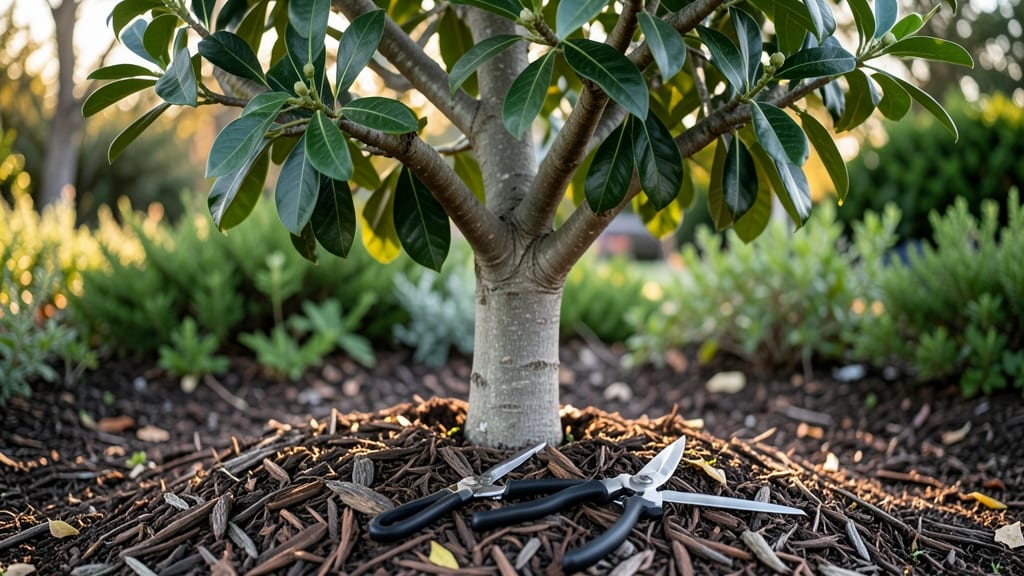
Pruning your avocado tree isn't just about shaping—it's about saving it from Pacific Northwest winters where cold snaps can turn fruit into mush. 🌿 I learned this the hard way after watching my first tree lose half its canopy to frost damage.
The right cuts now mean thicker branches that store energy better and fruit that survives down to 20°F without browning.
You’ll need sharp pruning shears, a ladder (for taller trees), and a clear day—avocado trees hate wet cuts. The best time is late winter before new growth starts, but you can do light shaping anytime.
Focus on removing dead wood first, then thin out crowded branches to let sunlight reach the center. Think of it like giving your tree a haircut that lets it breathe.
After pruning, you’ll see stronger growth by spring and fewer fruit losses come winter. The tree’s energy goes into fewer, healthier branches instead of weak ones that snap in storms.
Just avoid cutting more than 25% of the canopy at once—too much stress slows recovery. With the right shape, your avocado could produce fruit for decades.
This method works for both dwarf and standard varieties, though larger trees may need professional help for high branches. The key is consistency—prune every year to maintain that cold-resistant structure. Your tree will thank you with bigger fruit and fewer winter surprises.
📚 In This Guide
- What you need
- Instructions
- Tips and common mistakes
- Wrapping up and next steps
What you need
- ● Pruning shears: Sharp, bypass-style shears (for cuts up to ½ inch thick). Quantity: 1 pair.
- ● Loppers: For thicker branches (½ to 1½ inches). Quantity: 1 pair (with a ratchet mechanism for ease).
- ● Pruning saw: For branches over 1½ inches thick. Specs: Curved blade, non-serrated teeth.
- ● Disinfectant: 70% isopropyl alcohol or bleach solution (1 part bleach to 9 parts water) to sterilize tools between cuts.
- ● Heavy-duty gloves: Cut-resistant (e.g., mechanics’ gloves) to protect from thorns and sharp tools.
- ○ Tree wound sealant: Optional but helpful for large cuts (e.g., Tanglefoot Tree Wound Pruning Sealer).
- ● Ladder or step stool: Sturdy, extension ladder (if tree exceeds 6 feet). Safety note: Use a harness for heights over 10 feet.
- ● Trash bags: For collecting pruned branches (2–3 large bags).
- ● Timing: Prune during dormant season (late winter/early spring) for PNW’s cold-resistant growth.
- ● Weather: Choose a dry, overcast day (avoid rain or extreme wind).
- ● Safety gear: Safety glasses (to shield from debris) and long sleeves/pants.
- ● Tree health check: Inspect for pests/disease (e.g., mites, fungal spots) before pruning.
- ● Local regulations: Check if your area requires permits for large-scale pruning (rare but possible).
Step-by-Step guide to pruning your Pacific Northwest avocado tree
Here's how I shape mine for resilience against our cooler climate—no fancy tools, just smart cuts.
✂️ Step 1: Prune for Structure in Late Winter
Wait until mid-February when the tree is still dormant but the chill has passed. Cold snaps can stress fresh cuts, so timing matters. I focus on removing dead, diseased, or crossing branches first—they compete for energy and invite pests. Use sharp pruners to make clean cuts at a 45-degree angle, just outside the branch collar where it meets the trunk.
For young trees, I shape an open center by removing upward-growing branches that block light from reaching the core. Avocados need airflow to prevent fungal issues, especially in our damp winters. Look for branches growing straight up—these are prime candidates for removal. Leave 3-4 main scaffold branches spaced evenly around the trunk to form your tree's skeleton.
☀️ Step 2: Thin Canopy for Sunlight in Early Spring
Once new growth starts in March, I step back to assess sunlight penetration. Pacific Northwest skies demand we maximize light exposure—avocados need 6+ hours of direct sun daily. Thin the outer canopy by removing 25-30% of the foliage, focusing on branches that shade the center. You'll see dense clusters where light barely reaches; these are your targets.
I prioritize removing branches that grow inward or downward—they create weak wood and block airflow. Cut back to a lateral branch or bud that grows in the direction you want the tree to fill. Avoid leaving stubs; always cut just above an outward-facing bud. This ensures new growth follows your desired shape and the tree doesn't develop a weak, congested center.
🌿 Step 3: Summer Light Pruning for Fruit Production
During June and July, I do light maintenance pruning to encourage fruit development. Remove any suckers (shoots growing from the base or trunk) immediately—they drain energy from fruit production. Also trim back any branches that grew too vigorously during spring, cutting them back by one-third to promote bushier, more productive growth.
Watch for water sprouts—thin, fast-growing shoots that appear along branches. These are energy vampires. Snip them off at the base. For fruit-bearing branches, I lightly trim the tips to encourage branching out rather than long, leggy growth. You'll see new buds forming at the base of your cuts within 2-3 weeks—that's your signal the tree is responding well.
⏰ Step 4: Final Cleanup Before Winter
In November, after harvest but before the first frost, I do a final cleanup. Remove any diseased leaves, dead branches, or fruit mummies (dried fruit still clinging to the tree). These can harbor pests and fungal spores that overwinter. Sterilize your pruners with rubbing alcohol between cuts to prevent spreading disease.
I also check for any branches that grew too long during the season and prune them back to maintain the tree's shape. The goal is to enter winter with a clean, open canopy that allows sunlight to reach the ground and encourages new growth in spring. Avoid heavy pruning now—the tree needs to harden off gradually for our cold winters.
Tips & tricks for pruning your avocado tree
Timing and technique make all the difference when shaping your avocado tree for our Pacific Northwest climate—here's what I've learned after years of trial and error.
Timing Tip: The mid-February prune in Step 1 is your best chance to shape the tree's skeleton without stressing it. If you're unsure about the exact date, check for bud swell—when you see tiny green buds forming, it's time. Cold snaps after pruning can cause dieback, so avoid cutting too late in the season. I've seen trees recover from poor cuts, but the first year's growth is always weaker when pruned too late.
Tool Tip: Sharp pruners aren't just about clean cuts—they're about tree health. Dull blades tear bark and create larger wounds that invite disease. I keep a small file in my tool kit to sharpen blades between cuts. For larger branches, use loppers or a pruning saw, but always make your cut just outside the branch collar where it meets the trunk. This small detail prevents unsightly stubs that can rot over time.
Visual Cue: In Step 2 when thinning the canopy, look for branches that create a "V" shape when viewed from above—these are blocking sunlight from reaching the center. You'll also notice dense clusters where leaves touch each other; these are prime candidates for removal. Remember, you're aiming for that open vase shape that lets light and air circulate freely. I like to stand back and take photos before and after pruning to compare the difference in light penetration.
Seasonal Strategy: The summer light pruning in Step 3 is where you'll see immediate results. When you trim back vigorous branches by one-third, you're actually encouraging the tree to produce more fruit-bearing branches. Watch for those new buds forming within 2-3 weeks—this is your confirmation the tree is responding well. For water sprouts, I grab them with my fingers and snap them off rather than using pruners, which helps me identify them more quickly during my regular inspections.
Pro Tips for Pruning Avocado Tree
- Timing and technique make all the difference when shaping your avocado tree for our Pacific Northwest climate—here's what I've learned after years of trial and error.
- Timing Tip: The mid-February prune in Step 1 is your best chance to shape the tree's skeleton without stressing it.
- Tool Tip: Sharp pruners aren't just about clean cuts—they're about tree health.
Frequently asked questions
Got questions about pruning your avocado tree in the Pacific Northwest? You’re not alone! Here are answers to the most common concerns—from timing to troubleshooting—to keep your tree thriving and productive.
When is the best time to prune an avocado tree in cold climates?
The ideal time is late winter or early spring (February–March), just before new growth begins. This helps avoid frost damage while encouraging strong regrowth. Avoid heavy pruning in fall—it can stress the tree before winter. For young trees, light pruning in summer to shape the canopy is also safe.
Can I prune an avocado tree in winter if it’s already established?
Yes, but with caution! If your tree is mature and healthy, light pruning in late winter (after frost risk passes) is fine. Avoid heavy cuts—avocados are sensitive to cold stress. Focus on removing dead wood or shaping, and protect wounds with pruning sealant if temperatures dip below 20°F.
What if I accidentally prune too much? Can I fix it?
Don’t panic! If you’ve over-pruned, stop cutting and let the tree recover. Water deeply and fertilize lightly to support regrowth. Avoid pruning again for at least 6 months. Young trees bounce back faster than older ones—patience is key! For severe cases, consult a local arborist familiar with avocado care.
Will pruning my avocado tree reduce fruit production?
Not if done correctly! Proper pruning increases fruit yield by improving airflow and sunlight exposure. However, avoid heavy pruning during fruiting seasons (summer–fall). Focus on structural shaping in winter/early spring. Over-pruning at the wrong time can delay fruiting, but a balanced approach keeps your tree productive.
Are there alternatives to traditional pruning for cold-resistant avocados?
Yes! Consider selective thinning (removing only crowded or weak branches) or escalade pruning (training branches along a trellis for support). For young trees, topping (cutting the main stem to encourage bushiness) can work—but avoid it for mature trees. Always prioritize air circulation to prevent fungal issues in damp PNW climates.
Wrapping up and next steps
Pruning your avocado tree in the Pacific Northwest isn’t just about shaping—it’s about protecting and encouraging those cold-resistant fruits to thrive. By following the right techniques, you’ll promote airflow, sunlight, and stronger growth, ensuring a bountiful harvest for years to come. 🌿
Now that you’re armed with the knowledge, roll up your sleeves and get pruning! Start with a small session—even just trimming dead or crossing branches—and observe how your tree responds. Over time, you’ll master the art, and your avocado tree will reward you with delicious, homegrown fruit. Happy pruning! 🍳✨