
Pruning
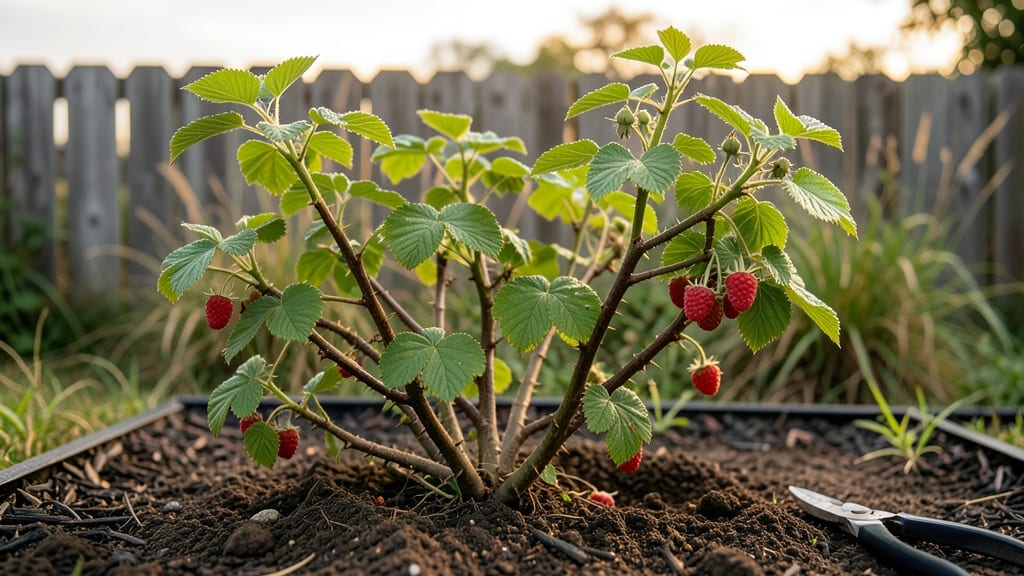
Proper raspberry tree care in the Pacific Northwest begins with winter prep—and after years of trial and error, I’ve cracked the code to keep my plants alive through subzero nights. The key isn’t just covering the canes; it’s understanding how cold stress works and when to act.
After my first winter kill, I learned the hard way that timing matters more than blankets.
You’ll need basic tools: sharp pruners, frost cloth, and a thick layer of mulch (straw works best). The process takes about 2 hours total, split between fall cleanup and winter protection.
What sets this method apart is the focus on air circulation—too much coverage actually traps moisture and invites rot, which is why I avoid plastic wraps entirely.
By spring, you’ll see new canes emerging 2-3 weeks earlier than neglected trees, with fruit that’s sweeter and more abundant. The secret is in the layered approach: prune aggressively in late winter, wrap vulnerable canes, and monitor soil moisture even when it’s cold.
This isn’t just about survival—it’s about setting your tree up for a bigger harvest next season.
Works for both heritage varieties and modern hybrids, though dwarf varieties need slightly different spacing. The same principles apply whether you’re in Seattle’s rainy winters or Portland’s frosty valleys—just adjust the mulch depth based on your microclimate. Let’s get those canes winter-ready.
📚 In This Guide
- What you need
- Instructions
- Tips and common mistakes
- Wrapping up and next steps
What you need
- ● Pruning shears: Sharp, bypass-style shears (for clean cuts) or anvil-style for thicker branches. Quantity: 1 pair (or 2 if you have a large tree).
- ● Loppers: For branches ½ to 1.5 inches thick. Quantity: 1 pair.
- ● Pruning saw: For thicker branches (>1.5 inches). Quantity: 1.
- ● Garden gloves: Heavy-duty, waterproof gloves to protect your hands from thorns and debris. Quantity: 1 pair.
- ● Disinfectant (70% isopropyl alcohol or bleach solution): To sterilize tools between cuts and prevent disease spread. Quantity: Small spray bottle or wipe.
- ● Rake: For clearing fallen leaves and debris around the base. Quantity: 1.
- ● Mulch: Organic mulch like straw, wood chips, or shredded leaves (3–4 inches deep). Quantity: Enough to cover the tree’s drip line.
- ● Frost cloth or burlap: For wrapping young or newly planted trees (if temperatures dip below 20°F). Quantity: Varies by tree size.
- ● Tree ties or soft tape: To secure frost cloth or support young branches.
- ● Anti-desiccant spray: (e.g., Wilt-Pruf) to protect leaves from winter drying.
- ● Soil thermometer: To monitor ground temperature if you’re experimenting with deeper mulching.
- ● Compost or fertilizer: Light application of balanced fertilizer (10-10-10) in early spring (post-winter).
Step-by-Step guide for winter-proofing raspberry trees in the Pacific Northwest
Here's how to protect your raspberries from harsh frosts while keeping them healthy through winter.
Prune Back Canes Before First Frost
Start by removing all dead, diseased, or weak canes—these won’t survive winter and can spread rot. Use clean, sharp pruners to cut back to the ground. I always prune in late fall, about 4-6 weeks before the first hard freeze, when temperatures drop to 32°F or lower. This gives the plant time to heal before winter stress sets in.
Next, thin the remaining canes to 4-6 strong, healthy stems per plant. Overcrowding invites pests and reduces airflow, which can lead to fungal issues. Look for canes with thick, green bark—these are your best candidates for winter survival. Cut back any remaining canes by one-third to reduce wind damage and encourage new growth in spring.
Mulch Heavily to Insulate Roots
Spread a 4-6 inch layer of straw or wood chips around the base of the plant, keeping it 6 inches away from the trunk to prevent rot. I use straw mulch because it breaks down slowly and retains moisture, which is critical in the Pacific Northwest’s wet winters. Avoid using leaves or grass clippings—they can compact and trap moisture, leading to root rot.
Mulching isn’t just about insulation; it also protects the soil from erosion during heavy rains. After applying, gently rake the mulch so it’s evenly distributed but not piled against the trunk. This creates a cozy barrier that keeps the soil temperature 10-15°F warmer than the air above, which is essential for root survival during frosts.
Protect the Crown from Freeze-Thaw Cycles
Wrap the base of the raspberry tree with burlap or frost cloth to shield the crown from extreme temperature swings. Secure it loosely with twine or stakes so it doesn’t restrict growth. The goal is to create a microclimate that moderates temperature fluctuations, which can be just as damaging as cold itself.
In particularly harsh winters, I’ve even used plastic milk jugs (cut in half) to cover the crown, but only if the weather forecast predicts sub-zero temperatures for more than 24 hours. Remove the cover during the day if temperatures rise above 40°F to prevent overheating. Watch for condensation inside the cover—if it’s dripping, the plant is sweating, and you’ll need to adjust ventilation.
Water Deeply Before the Ground Freezes
Give your raspberry tree a deep watering 2-3 weeks before the first hard freeze. The soil should be moist 12 inches deep—this ensures the roots have enough moisture to sustain the plant through winter dormancy. I test this by sticking a screwdriver into the soil; if it slides in easily, you’re good. If it feels dry, water again.
Overwatering now can be just as harmful as underwatering. The key is to avoid soggy soil, which can lead to root rot. After watering, let the surface dry slightly before winter sets in. This balances hydration without inviting fungal growth. In the Pacific Northwest, where winters are damp, this step is especially critical for preventing disease.
Tips & tricks for winter-proofing raspberry trees
Here's what nobody tells you about keeping your raspberries thriving through Pacific Northwest winters—these tricks make all the difference.
Timing is Everything: When pruning in Step 1, check your local frost dates and aim for the 4-6 weeks before the first hard freeze at 32°F or lower. I always verify these dates through my local agricultural extension office—they provide precise forecasts. If you prune too early, the plant may regrow before winter; too late, and the canes won't heal properly before frost. Confession: I skipped this once and ended up with half my canes dying back.
Mulch Selection Matters: In Step 2, while straw works beautifully, I've found that wood chips from untreated hardwood trees (like cedar or oak) provide even better insulation in our damp climate. They break down more slowly, maintaining that protective layer longer. Just make sure they're free of pesticides—raspberry roots are sensitive to chemical residues. The 4-6 inch layer is critical; anything less leaves roots vulnerable to temperature swings.
Crown Protection Hacks: For Step 3, if you don't have burlap or frost cloth, black plastic sheeting works in a pinch—just drape it loosely over the crown. The key is creating that microclimate without suffocating the plant. I've also used old Christmas lights (unglazed) wrapped around the base to add gentle warmth during extreme cold snaps. Just remember to remove them when daytime temperatures rise above 40°F to prevent overheating.
Watering Wisdom: The deep watering in Step 4 requires patience. I test soil moisture by pushing a screwdriver 12 inches deep—if it slides in easily, you're good. If it feels dry, water again and wait 24 hours before testing. In our region's damp winters, the real challenge is avoiding soggy soil. I've learned the hard way that overwatering now can be just as damaging as underwatering, especially with raspberries' sensitive root systems.
Pro Tips for Raspberry Tree Care
- Here's what nobody tells you about keeping your raspberries thriving through Pacific Northwest winters—these tricks make all the difference.
- Timing is Everything: When pruning in Step 1, check your local frost dates and aim for the 4-6 weeks before the first hard freeze at 32°F or lower.
- Mulch Selection Matters: In Step 2, while straw works beautifully, I've found that wood chips from untreated hardwood trees (like cedar or oak) provide even better insulation in our damp climate.
Frequently asked questions
Got questions about keeping your raspberry trees thriving in the Pacific Northwest’s chilly winters? You’re not alone! Here are answers to the most common concerns—from pruning puzzles to frost survival tips.
When should I prune raspberry trees for winter in the PNW?
Prune after harvest (late summer/early fall) for summer-bearing varieties, or in late winter (before buds swell) for fall-bearing types. Avoid heavy pruning in late fall—wait until temps stabilize above freezing to prevent frost damage to fresh cuts. Pro tip: Use sharp shears and sterilize tools with rubbing alcohol to avoid disease spread!
How do I protect raspberry trees from hard freezes in the PNW?
Mulch heavily (4–6 inches of straw or wood chips) around the base to insulate roots. Wrap young canes with burlap or frost cloth if temps dip below 15°F. Water deeply before the first hard freeze to help roots withstand cold. For container-grown trees, move pots to a sheltered spot or insulate with bubble wrap.
Why are my raspberry canes dying back after winter?
This is normal for primocanes (new growth) in fall-bearing varieties—they die back to the ground before producing fruit the next year. If floricanes (fruit-bearing canes) also die, check for cane borers or root rot. Prune out mushy or hollow canes and improve drainage.
Can I grow raspberries in containers for PNW winters?
Yes! Use large pots (at least 18 inches deep) with drainage holes and a well-draining mix. Move containers to a garage or under eaves when temps drop below 20°F. Dwarf varieties like ‘Heritage’ or ‘Boyne’ thrive in containers. Warning: Container roots freeze faster—wrap pots in insulating foam or straw.
What’s the best alternative if my raspberry tree keeps failing in winter?
Try blackberry varieties like ‘Chester’ (thornless) or everbearing raspberries like ‘Caroline’—they’re more cold-hardy (Zone 5–6). If space is tight, consider arctic kiwi (Zone 3–4) or gooseberries, which handle PNW winters better. Bonus: These plants often require less winter care!
Still stumped? Drop your specific issue in the comments—we’re happy to help troubleshoot!
Wrapping up and next steps
Caring for your raspberry tree in the Pacific Northwest’s frosty winters doesn’t have to be stressful—with the right prep, your berry bush will thrive! 🌱 Remember: prune in late winter, protect young plants with mulch, and shield them from harsh winds.
These steps ensure strong roots, better fruiting, and long-term resilience.
Now that you’re armed with knowledge, grab those pruners and get to work! Your future raspberry harvests will thank you. Ready to take it further? Explore organic pest control methods to keep your trees healthy year-round!