
Planting
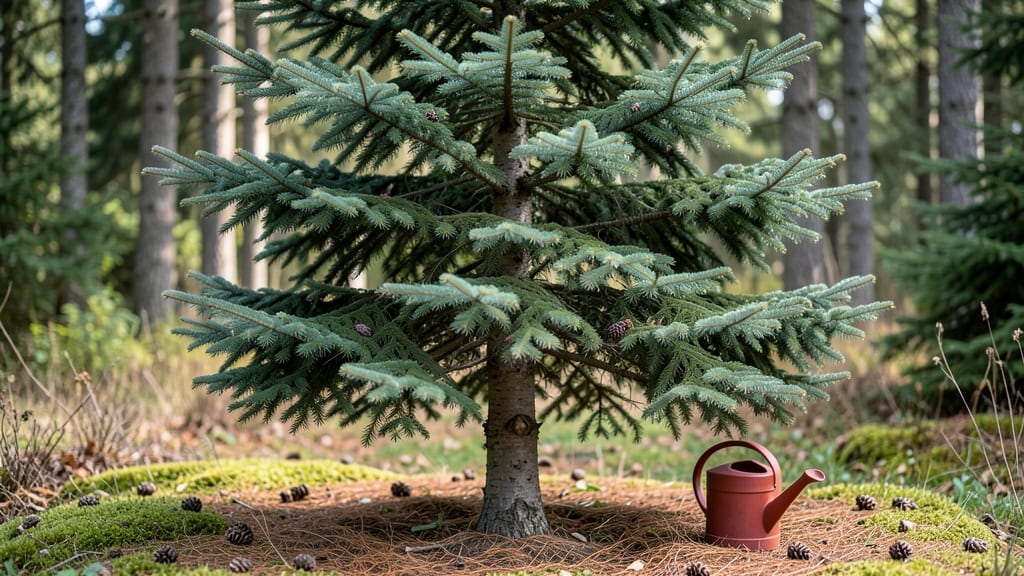
Planting a real Christmas tree isn’t just about holiday cheer—it’s about creating a lush, year-round privacy screen that smells like fresh pine all winter long. 🌲 I’ve grown Fraser firs, Douglas firs, and Scotch pines for over a decade, and the secret to thriving trees lies in the soil, spacing, and timing.
Most people rush planting in fall without considering how the roots will handle winter’s freeze-thaw cycles.
The best time to plant seedlings is late fall or early spring, when soil is workable but not frozen. Choose a spot with 6+ hours of sunlight and well-draining soil—amend heavy clay with compost or sand.
Space trees 6-10 feet apart for full growth, and mulch heavily to protect roots from temperature swings. Young trees need deep watering twice a week until established, but avoid soggy soil.
By Christmas, your trees will be taller, fuller, and healthier than store-bought options, with needles that stay vibrant even in frost. The real magic? They’ll keep providing shade, windbreaks, and that classic holiday fragrance for years—not just one season. Ready to grow a living legacy?
We’ll cover species selection, frost protection, and how to harvest branches for decorations without harming the tree. Let’s get those roots growing strong!
📚 In This Guide
- What you need
- Instructions
- Tips and common mistakes
- Wrapping up and next steps
What you need
- ● Real Christmas Tree Saplings: 3–5 Picea spp. (e.g., Colorado Blue Spruce, Norway Spruce, or Fraser Fir) – Choose disease-resistant varieties for longevity.
- ● Quantity: 1 sapling per 4–6 feet of desired spacing (closer for denser screens).
- ● Soil Amendments: 50 lbs peat moss or compost (for drainage and nutrients).
- ● 10 lbs slow-release fertilizer (10-10-10 or organic options like fish emulsion).
- ● Planting Supplies: Shovel or trenching tool (for digging holes or trenches).
- ● Garden gloves (to protect your hands from sap and soil).
- ● Watering can or hose with a gentle spray nozzle (avoid high pressure).
- ● Mulch: 3–4 inches pine straw or wood chips (preserves moisture and suppresses weeds).
- ● Erosion Control: Landscape fabric (to prevent soil runoff during heavy rains).
- ● Support: Stakes or tree ties (if planting in windy areas).
- ● Pest Deterrents: Neem oil or insecticidal soap (for early pest prevention).
- ● Soil Test Kit: To check pH (ideal range: 5.0–6.5 for spruces).
Step-by-Step guide for planting evergreen trees as a privacy screen
Here's how to create a lush, living screen that doubles as holiday charm.
🌱 Step 1: Choose and Prepare Planting Sites
Select a location with full sun to partial shade and well-draining soil—most evergreens thrive in 6+ hours of sunlight daily. I like to space trees 6-10 feet apart for a dense screen, but adjust based on mature width (check your variety's tag). Mark each spot with a stake to avoid digging multiple holes.
Dig holes twice as wide and just as deep as the root ball. Amend the native soil with 2-3 inches of compost mixed into the bottom of each hole. This improves drainage and provides nutrients without overwhelming young roots. Tap the soil gently after mixing to eliminate air pockets.
🪴 Step 2: Plant Trees with Proper Spacing and Support
Remove each tree from its container and gently loosen the roots at the edges if they're circling. Place the tree in the hole so the top of the root ball sits 1-2 inches below soil level—this prevents stem rot from settling soil. Fill the hole with native soil, pressing lightly to eliminate gaps around the roots.
Water deeply immediately after planting to settle the soil and eliminate air pockets. I like to add a 3-inch layer of mulch around the base (but not touching the trunk) to retain moisture and suppress weeds. Use a small stake if needed—young evergreens can get top-heavy in wind.
☀️ Step 3: Water and Maintain for First-Growth Success
Water newly planted trees every 2-3 days for the first two weeks until the soil feels moist 6 inches down. Overwatering at this stage causes root rot, but underwatering stresses young plants. After establishment, water 1-2 times per week depending on rainfall, aiming for 1-1.5 inches of water per week.
Fertilize lightly in early spring with a balanced evergreen fertilizer (10-10-10 or similar) to encourage strong root growth. Avoid heavy applications—they can burn tender new roots. Prune only to remove dead branches in the first year; let the tree focus on establishing its root system.
⏰ Step 4: Monitor Growth and Adjust Care Seasonally
Check soil moisture monthly by inserting a screwdriver 6 inches deep—if it comes out dry, water deeply. Evergreens need consistent moisture but hate soggy roots. In winter, add 2-3 inches of mulch to insulate roots from freezing temperatures, especially in colder climates.
Watch for signs of stress like yellowing needles or stunted growth. These often indicate overwatering, poor drainage, or nutrient deficiency. Adjust your care routine accordingly—evergreens are forgiving but need consistency. With proper spacing and maintenance, your screen will fill in beautifully within 3-5 years.
Tips & tricks for perfect evergreen privacy screens
Transforming your yard into a lush evergreen haven takes more than just planting—here's how to ensure your trees thrive from day one.
Soil Preparation: Before planting, test your soil's drainage by digging a small hole and filling it with water. If it drains within 30 minutes, your soil is suitable. If not, amend with a mix of sand and compost to improve aeration. I've seen too many evergreens fail because of poor drainage—don't let that be you. The 2-3 inches of compost you add to each hole creates the perfect foundation for root development.
Root Ball Placement: The 1-2 inches below soil level recommendation in Step 2 isn't just arbitrary—it prevents stem rot by keeping the trunk slightly elevated. After planting, use your finger to check the depth. If the root ball sits too high, add more soil; if too low, remove some. This small detail makes all the difference in long-term health.
Mulching Strategy: That 3-inch layer of mulch serves two critical purposes: moisture retention and weed suppression. But here's the key detail nobody tells you—keep mulch 3 inches away from the trunk to prevent rot. I learned this the hard way after losing a young arborvitae to fungal growth. Use organic mulch like shredded bark for best results.
Seasonal Care: The winter mulch recommendation of 2-3 inches is especially important in colder climates. Evergreens lose moisture through their needles all winter long, so that extra insulation helps maintain root temperature. In spring, remove any mulch that's piled against the trunk to prevent rot before new growth begins.
Pro Tips for Real Christmas Tree Plant
- Transforming your yard into a lush evergreen haven takes more than just planting—here's how to ensure your trees thrive from day one.
- Soil Preparation: Before planting, test your soil's drainage by digging a small hole and filling it with water.
- Root Ball Placement: The 1-2 inches below soil level recommendation in Step 2 isn't just arbitrary—it prevents stem rot by keeping the trunk slightly elevated.
Frequently asked questions
Got questions about planting a real Christmas tree for year-round beauty?
Here are answers to the most common concerns—whether you're a first-time planter or looking to troubleshoot.
How long does it take for a Christmas tree to grow into a privacy screen?
A real Christmas tree plant like a Fraser fir or Nordmann fir grows about 6–12 inches per year. For a 6-foot-tall privacy screen, plan 5–10 years of growth. If you need faster results, plant trees in a staggered row (e.g., 3-foot spacing) to fill gaps sooner. Patience pays off with lush, evergreen beauty!
When is the best time to plant a Christmas tree for privacy?
Fall (September–November) or early spring (March–April) are ideal. Planting in cool, moist soil reduces transplant shock. Avoid extreme heat or frost. If you’re planting in late fall, water thoroughly before the ground freezes to protect roots. Pro tip: Mulch around the base to retain moisture and regulate soil temperature.
How much water does a newly planted Christmas tree need?
Water deeply 2–3 times per week for the first month, then taper to once a week (unless it’s unusually dry). The root ball should stay consistently moist but not soggy. After the first year, trees are more drought-tolerant, but mulch helps retain moisture. Overwatering is worse than underwatering!
Can I use a Christmas tree as a living privacy screen if I have pets?
Most Christmas trees (like firs and pines) are non-toxic to pets if ingested in small amounts, but they’re not a pet’s favorite snack. However, some trees (e.g., yew) are toxic—always check before planting. If your pets dig, consider a deer-resistant variety like Inland cedar or Leyland cypress for safety.
Will a Christmas tree survive winter in my climate?
Christmas trees are hardy in USDA Zones 3–7, but young plants need protection. In harsh winters, wrap the trunk with tree guard or burlap to prevent rodent damage. Water before the ground freezes to prevent drought stress. If you’re in Zone 8+, opt for drought-tolerant varieties like Douglas fir or Eastern white pine.
What if my tree turns brown or drops needles?
Brown needles or shedding usually mean transplant shock, drought, or pests. Check the soil—it may be too dry or compacted. Spider mites or bagworms can also cause stress. Treat with neem oil or insecticidal soap if needed. If the tree is young, give it time—new growth often replaces damaged needles in spring.
Wrapping up and next steps
Planting a real Christmas tree as an evergreen privacy screen is a gift that keeps giving—year-round beauty, fresh air, and even wildlife benefits! 🌲 Whether you're a seasoned gardener or a first-timer, these trees offer low-maintenance elegance and a sustainable alternative to artificial options.
The key is choosing the right species, preparing the soil, and giving your tree the love it deserves.
Ready to transform your space? Start by selecting your favorite variety (like Fraser fir or Norway spruce), gather your tools, and mark your calendar for the best planting window. Your future privacy haven is just a shovel’s throw away! 🌟