
Trees
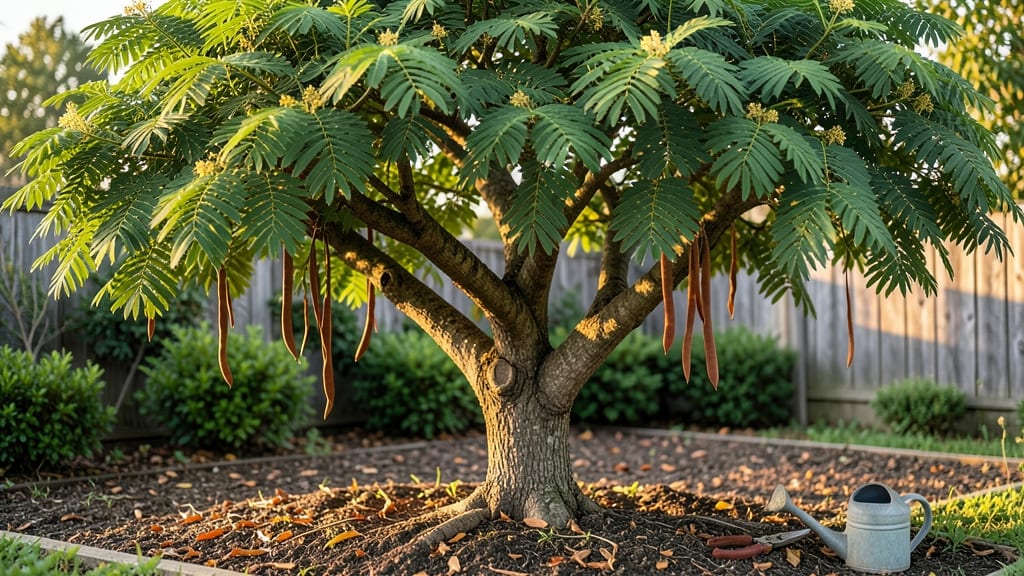
Growing a red tamarind tree in the Pacific Northwest might sound impossible—but I’ve done it, and so can you. 🌿 This tropical beauty thrives in warmer climates, but with the right care, it can survive our cooler summers and milder winters.
The key? Mimicking its native conditions while protecting it from frost.
You’ll need a large container or well-draining soil in a sheltered spot, plenty of sunlight, and consistent moisture. The tree’s dark green, compound leaves and fragrant flowers make it a stunning ornamental, while its sweet-tart fruit rewards patience.
Just be prepared for slower growth—this isn’t a fast crop, but the payoff is worth it.
By summer, you’ll see glossy new leaves and maybe even a few pods. With proper winter protection (like moving it indoors or wrapping the trunk), your tamarind can live for decades, producing fruit that’s perfect for jams, drinks, or fresh eating. The challenge is real, but so is the reward.
Whether you’re growing it for fruit, foliage, or just the adventure, this guide covers everything from planting to pruning. Let’s get started—your tamarind’s future begins now.
📚 In This Guide
- What you need
- Instructions
- Tips and common mistakes
- Wrapping up and next steps
What you need
- ● Red tamarind tree: Choose between: Seeds (if starting from scratch—requires patience!)
- ● Nursery-grown sapling (3–5 ft tall, cold-hardy varieties like ‘Copperleaf’ or ‘Perry’)
- ● Well-draining soil: Mix in compost (5–10 gallons) or peat moss (if native soil is clay-heavy). Aim for a pH of 6.0–7.5.
- ● Sunlight access: Full sun (6+ hours daily) in a sheltered spot (e.g., near a south-facing wall or fence).
- ● Watering supplies: Garden hose with soaker hose attachment (for deep watering)
- ● Watering can (for seedlings)
- ● Mulch: Wood chips or straw (2–3 inches thick) to retain moisture and regulate soil temp.
- ● Hand trowel or transplant spade (for digging holes)
- ● Pruning shears (sterilized with rubbing alcohol)
- ● Garden gloves (to protect hands from thorns)
- ○ pH test kit (optional but helpful for soil prep)
- ● Frost cloth or row cover (for young trees in early spring/fall)
- ● USDA Hardiness Zones: Plant in Zones 8–11. In the PNW (Zones 7–9), choose a microclimate (e.g., urban heat island) or use container growing for Zone 7.
- ● Space: Mature trees reach 15–25 ft tall—ensure 10+ ft of clearance from structures.
- ● Permits: Check local regulations (some areas restrict invasive species—red tamarind is not invasive in the PNW but may need approval).
Step-by-Step guide to planting and cultivating a cold-hardy red tamarind tree
Ready to grow this Pacific Northwest gem? Here's the proven method for establishing a resilient red tamarind tree that thrives in cooler climates.
🌱 Step 1: Select and Prepare the Planting Site
Choose a location with full sun exposure (at least 6-8 hours daily) and protection from harsh winter winds. Red tamarind trees tolerate cooler temperatures than many tropical species, but they still need shelter from freezing winds that can damage tender new growth. I always look for spots near south-facing walls or fences that provide natural windbreaks.
Test your soil's drainage by digging a hole and filling it with water. If it doesn't drain within 30-60 minutes, amend with 3-4 inches of coarse sand or perlite mixed into the native soil. Red tamarind trees hate soggy roots—this is the most common reason they fail in the Pacific Northwest's damp climate. The ideal soil pH should be slightly acidic to neutral (6.0-7.0).
🪴 Step 2: Plant at the Right Time and Depth
Plant your red tamarind tree in early spring, after the last frost date in your area but before new growth begins. This gives roots several weeks to establish before summer heat arrives. Dig a hole twice as wide as the root ball but only as deep as the container it came in—planting too deep suffocates the root crown and leads to rot.
Gently remove the tree from its container and loosen any circling roots with your fingers. Place it in the hole so the top of the root ball sits 1-2 inches above ground level. This slight elevation prevents water from pooling around the base during heavy rains. Backfill with the native soil you removed, tamping lightly every 4-6 inches to eliminate air pockets. Water deeply to settle the soil.
☀️ Step 3: Establish Proper Watering and Mulching Routine
Water deeply once a week during the first growing season, providing 1-2 gallons per watering depending on pot size. The goal is to encourage deep root growth—shallow watering creates weak roots that struggle in winter. You'll know you're watering correctly when the soil feels moist 6 inches down but not saturated. Overwatering is the fastest way to kill a red tamarind tree in cool climates.
Apply 3-4 inches of organic mulch (like wood chips or shredded bark) around the base, keeping it 3-4 inches away from the trunk to prevent rot. This mulch layer insulates roots in winter and retains moisture during summer droughts. Replenish mulch annually as it breaks down—this is one of the simplest ways to ensure consistent growth.
✂️ Step 4: Prune for Structure and Winter Hardiness
Prune your red tamarind tree in late winter before new growth begins. Remove any dead, diseased, or crossing branches first—these compete with healthy growth for energy. Then shape the tree by cutting back 1/3 of the longest branches to encourage bushier growth. Make cuts just above an outward-facing bud to promote proper healing and new growth direction.
In colder Pacific Northwest winters, wrap the trunk of young trees with burlap or tree guard if temperatures regularly drop below 15°F. Mature trees handle frost better, but young specimens benefit from this extra protection. Avoid heavy pruning in fall—this stimulates new growth that won't harden off before winter arrives.
Tips & tricks for cultivating a cold-hardy red tamarind tree
These proven strategies will help your Pacific Northwest red tamarind thrive where others fail.
Site Selection Insight: When evaluating sun exposure in Step 1, prioritize southern-facing slopes or areas shielded by evergreen trees—these microclimates can add crucial degrees of warmth during cool evenings. I've seen red tamarinds flourish in spots that get only 5-6 hours of direct sun when protected from afternoon shade, though the full 6-8 hours remains ideal for maximum fruit production. The key is balancing sun with wind protection; a north-facing wall with 6 hours of sun often outperforms an exposed south-facing location with 8.
Root Health Strategy: For the drainage test in Step 1, use a clear plastic cup instead of digging a hole—fill it with water and time how quickly it drains. If water remains after 60 minutes, your amendment plan of 3-4 inches of coarse sand or perlite is critical. I've found that adding a handful of perlite directly to the planting hole's bottom layer creates a natural drainage layer that prevents future soggy soil issues. This small adjustment can mean the difference between a thriving tree and one that struggles through winter.
Planting Precision: The 1-2 inches elevation for the root ball in Step 2 isn't just about rainwater pooling—it's about creating an oxygen-rich zone at the base. Use a level to ensure the tree sits perfectly straight during planting; even a slight tilt can cause uneven water distribution. I recommend marking the planting depth on your shovel handle before digging to maintain consistency, especially when planting multiple trees. This attention to detail prevents the common problem of crown rot from improper depth.
Winter Protection Hack: For young trees facing temperatures below 15°F, wrap the trunk with burlap but leave the top 6 inches uncovered—this allows heat to escape from the trunk while protecting vulnerable lower bark. I've had success using reflective tree guards painted with white latex paint; they reflect sunlight back onto the trunk during cold snaps, adding valuable warmth. This simple modification can extend your tree's hardiness by 2-3 degrees in extreme conditions.
Pro Tips for Red Tamarind Tree
- These proven strategies will help your Pacific Northwest red tamarind thrive where others fail.
- Site Selection Insight: When evaluating sun exposure in Step 1, prioritize southern-facing slopes or areas shielded by evergreen trees—these microclimates can add crucial degrees of warmth during cool evenings.
- Root Health Strategy: For the drainage test in Step 1, use a clear plastic cup instead of digging a hole—fill it with water and time how quickly it drains.
Frequently asked questions
Got questions about growing the red tamarind tree in the Pacific Northwest?
Here are some of the most common ones—and their answers—to help you get started with confidence!
How cold-hardy is the red tamarind tree?
The red tamarind (Tamarindus indica) is typically hardy to USDA Zone 9-11, but with proper winter protection (like wrapping the trunk, mulching heavily, and using frost cloth), it can survive brief dips into Zone 8b (15°F). In colder PNW areas (like Seattle or Portland), grow it in containers and move it indoors during winter or plant it near a south-facing wall for extra warmth.
Can I grow a red tamarind tree from seed?
Yes! Seeds are easy to germinate—just soak them in warm water for 24 hours, then plant them ½ inch deep in well-draining soil. Keep the soil moist and warm (70-80°F) until sprouts appear (usually 2-4 weeks). However, seed-grown trees may take 5-7 years to fruit, while grafted trees (available at nurseries) produce fruit in 3-5 years.
Why isn’t my red tamarind tree fruiting?
Red tamarinds need full sun (6+ hours daily), warm temperatures (above 60°F), and well-draining soil to fruit. Common issues include:
- Insufficient sunlight (common in PNW shade) → Move to a sunnier spot or use grow lights.
- Young age (under 3 years) → Be patient!
- Poor pollination → Hand-pollinate with a small brush if bees are scarce.
- Cold stress → Protect from frost and ensure roots stay insulated.
What’s the best soil mix for a red tamarind tree?
Red tamarinds thrive in well-draining, slightly acidic to neutral soil (pH 6.0-7.5). A mix of:
- 60% cactus/succulent soil (or sandy loam)
- 30% perlite or pumice (for drainage)
- 10% compost or worm castings (for nutrients)
Are there cold-hardy alternatives to red tamarind?
If the PNW’s winters are too harsh, consider these fruit-bearing, cold-tolerant trees:
- Hardy citrus (e.g., Yuzu or Improved Meyer lemon) – Zone 7-10 with winter care.
- Fig trees (e.g., Chicago Hardy) – Zone 5-9, drought-tolerant.
- Persimmon (Diospyros kaki) – Zone 6-9, sweet fruit.
- Pomegranate (Punica granatum) – Zone 7-11, but some varieties handle Zone 6 with protection.
Wrapping up and next steps
The red tamarind tree is a fantastic choice for Pacific Northwest gardeners seeking cold-hardy fruit with vibrant beauty and practical benefits. From its striking foliage to its edible pods and drought tolerance, this tree offers year-round rewards with minimal fuss.
Whether you're drawn to its culinary potential, ornamental appeal, or ecological perks, now’s the perfect time to plant one—your future self (and local wildlife!) will thank you.
Ready to take the next step? Start by checking your microclimate, gathering supplies, and scheduling your planting session before the first frost. Review our planting guide for a stress-free setup, and soon you’ll be harvesting your own homegrown tamarinds! 🌱✨