
Pruning
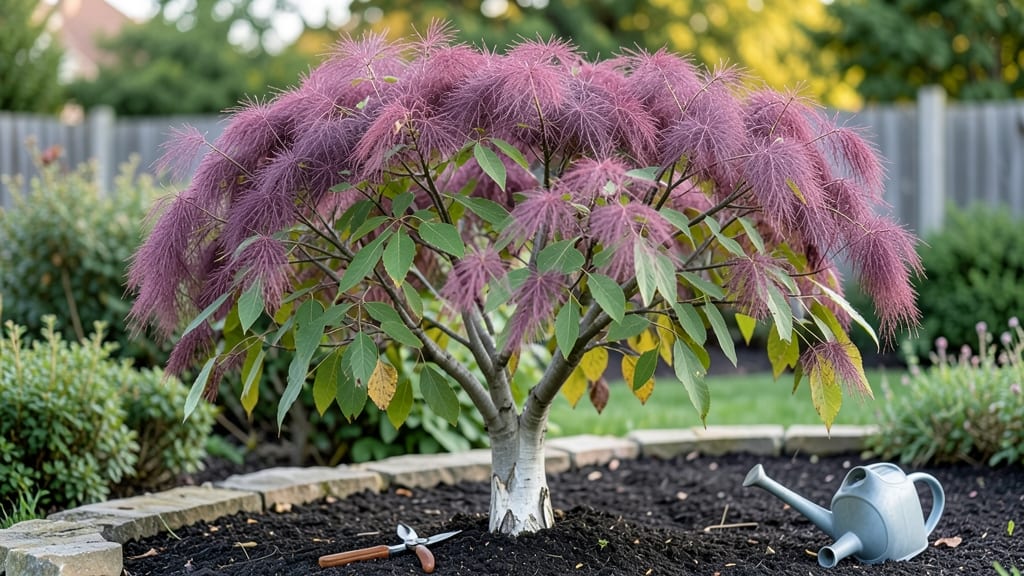
Pruning your royal smoke tree (Cotinus royalis) is the secret to keeping that frost-resistant Pacific Northwest canopy looking effortlessly dramatic year after year.
I’ve been growing mine for five seasons, and the difference between a wild, leggy shrub and a showstopper with those signature smoky plumes comes down to timing and technique—no fancy tools required. The best part?
You can shape it into a small tree or a low, airy hedge, and it thrives on neglect once established.
Here’s the thing—royal smoke trees handle pruning like a champ, but they reward precision over aggression. Start by removing dead or crossing branches in late winter or early spring before new growth begins. For a more formal look, prune lightly in summer after flowering to encourage bushier growth.
The key is to never cut more than one-third of the plant at once, or you’ll stress it out for the season. Think of it like giving your tree a haircut: confidence, not a buzz cut.
What you’ll end up with is a vibrant green shrub with those iconic cotton-candy plumes that turn pink or purple in fall—like a living art piece. The foliage stays lush even after hard frosts, and the structure holds up beautifully in windy coastal climates.
Plus, birds and pollinators adore the seed heads, turning your pruned branches into a wildlife magnet. Ready to transform that ragged-looking shrub into a standout?
Works just as well in full sun or partial shade, though the plumes get more dramatic with more sunlight. If you’re in a colder microclimate, a light mulch in winter helps protect the roots. Now, grab those shears—your tree’s next chapter starts with a single cut.
📚 In This Guide
- What you need
- Instructions
- Tips and common mistakes
- Wrapping up and next steps
What you need
- ● Pruning shears: Bypass pruners (for cuts up to ½ inch thick) – look for sharp, stainless-steel blades.
- ● Loppers: 6–8 inch bypass loppers (for branches ½–1½ inches thick).
- ● Pruning saw: Curved-tooth saw (for branches 1½+ inches thick).
- ● Extension pole: 6–10 ft telescoping pole with pruners/loppers (for high branches).
- ● Gloves: Heavy-duty, cut-resistant gloves (e.g., Mechanix or Filson).
- ● Disinfectant: 70% isopropyl alcohol or pruning sealant (to prevent disease spread).
- ● Cleanup supplies: Heavy-duty trash bags (2–3), rake, and a wheelbarrow or tarp for debris.
- ○ Ladder (optional): Fiberglass or aluminum ladder (if branches exceed 10 ft). Always use stabilizers!
- ● Weather check: Prune on a dry, calm day (avoid frost or rain within 24 hours).
- ● Safety glasses: ANSI-rated goggles (to protect from debris).
- ○ Ear protection: (Optional) For loud pruning saws.
- ● First-aid kit: Include antiseptic wipes and bandages.
- ● Water: 1–2 gallons (hydration is key for outdoor work!).
- ● Timing: Late winter to early spring (Feb–March) is ideal—before new growth.
- ● Disease prevention: Sterilize tools before and after each cut in the PNW’s damp climate.
- ● Native alternatives: If your tree is struggling, consider Pacific Ninebark (Physocarpus capitatus) for similar frost resilience.
Step-by-step guide to pruning royal smoke trees for Pacific Northwest climates
This is how I maintain healthy, frost-resistant canopies that thrive through PNW winters.
Time Your Pruning for Dormancy and Growth Cycles
Prune your royal smoke tree late winter to early spring, just as new growth begins but before buds swell. This timing ensures you remove dead wood while encouraging vigorous spring growth. In the Pacific Northwest, aim for February through March when frost risk has passed but before the tree breaks dormancy.
I always check for brown, brittle branches—these are dead and should be removed immediately. Healthy branches will still feel slightly pliable when bent. If you prune too early, you risk exposing tender new growth to late frosts. Too late, and you’ll cut back growth that’s already underway.
Remove Dead, Diseased, or Weak Branches First
Start by identifying and removing dead, diseased, or crossing branches. Dead branches snap easily when bent and have no green tissue beneath the bark. Diseased branches may ooze sap or show discoloration. Use clean, sharp pruning shears to make 45-degree cuts just outside the branch collar—the swollen area where the branch meets the trunk.
Crossing branches compete for sunlight and weaken the tree’s structure. If two branches grow toward each other, remove the smaller one at its base. I always step back after each cut to visualize the canopy’s balance. Removing these branches first opens the tree for better airflow, reducing fungal risks in the damp PNW climate.
Thin the Canopy for Light Penetration and Airflow
Next, thin the canopy by selectively removing 20-30% of the interior branches. Focus on branches growing inward or upward to improve light penetration to the center. This step is critical for royal smoke trees, which can become dense and prone to fungal issues if shaded. I look for branches that are thinner than a pencil—these are often the best candidates for removal.
Make your cuts just above a outward-facing bud or lateral branch to encourage outward growth. Avoid leaving stubs, as they invite disease. After thinning, the tree’s structure should resemble an open vase shape, allowing sunlight to reach the lower branches. This also helps prevent snow buildup in winter, which can break limbs.
Shape the Outer Canopy for Balance and Frost Resistance
Finally, shape the outer canopy by trimming back overly long or leggy branches to maintain a natural, balanced silhouette. Royal smoke trees respond well to light shaping, so avoid heavy pruning—never remove more than 25% of the tree’s foliage in one season. Focus on branches that extend beyond the desired shape or grow in an awkward direction.
I like to step back frequently to ensure the tree’s height and width stay proportional. In the PNW, where winters can be harsh, a well-shaped canopy reduces wind damage and allows snow to slide off more easily. Avoid pruning in fall, as new growth won’t harden off before winter, making it vulnerable to frost.
Clean Up and Monitor for Recovery
After pruning, collect and dispose of all cuttings to prevent disease spread. Sterilize your pruning tools with rubbing alcohol between cuts if you’re working with multiple trees. I also apply a copper fungicide to any wounds larger than ½ inch in diameter to protect against fungal infections, which thrive in the damp PNW climate.
Monitor the tree over the next few weeks for signs of stress, such as wilting or discolored leaves. Healthy new growth should appear within 4-6 weeks, signaling successful pruning. If the tree looks stressed, reduce watering slightly—royal smoke trees are drought-tolerant once established and prefer well-draining soil.
Tips & tricks for perfect royal smoke tree pruning
These practical insights will help you achieve a balanced, frost-resistant canopy that thrives in Pacific Northwest conditions.
Timing is Everything: The February through March window is critical because royal smoke trees begin their active growth cycle in early spring. If you prune too early, you risk exposing tender new growth to late frosts that can still occur in the PNW through March. Too late, and you'll cut back growth that's already underway, potentially stunting the tree's development. I've seen trees stressed by late pruning where the new growth didn't have time to harden off before winter.
Visual Branch Assessment: In Step 1, when identifying dead branches, look for three key indicators: the branch should snap easily when bent (dead wood is brittle), there should be no green tissue beneath the bark when you scrape it, and it will often have a grayish-brown color. Healthy branches will still feel slightly pliable and show green tissue when scraped. This visual assessment is more reliable than just looking for color alone, especially in the PNW's variable climate where branches can appear healthy but actually be dying from winter stress.
Canopy Thinning Strategy: When thinning the canopy in Step 3, focus on creating what arborists call an "open vase shape." This means removing branches that grow inward or upward to allow sunlight to penetrate to the center of the tree. The goal is to remove 20-30% of interior branches, but the key is to visualize how light will move through the canopy after each cut. I recommend working in sections—start at the bottom and work your way up—to maintain the tree's natural silhouette while improving airflow.
Post-Pruning Care: After completing all pruning steps, monitor the tree closely for the first 4-6 weeks. Look for signs of stress like wilting leaves or unusual discoloration, which can indicate either over-pruning or fungal infection from exposed wounds. In the damp PNW climate, it's particularly important to apply copper fungicide to any wounds larger than ½ inch in diameter. This preventive measure has saved me from dealing with fungal infections in multiple trees over the years.
Pro Tips for Royal Smoke Tree
- These practical insights will help you achieve a balanced, frost-resistant canopy that thrives in Pacific Northwest conditions.
- Timing is Everything: The February through March window is critical because royal smoke trees begin their active growth cycle in early spring.
- Healthy branches will still feel slightly pliable and show green tissue when scraped.
Frequently asked questions
Got questions about keeping your royal smoke tree thriving in the Pacific Northwest’s frosty climate?
Here are answers to the most common concerns—from timing to troubleshooting—so you can prune with confidence.
When is the best time to prune a royal smoke tree to protect it from PNW frost?
The ideal window is late winter or early spring (February–March), just as buds begin to swell but before new growth starts. Pruning too early can expose vulnerable wood to harsh frosts, while waiting too late risks stressing the tree as it prepares for spring. Pro tip: Avoid pruning in fall—dormant trees are more frost-sensitive!
How often should I prune my royal smoke tree for optimal frost resistance?
Light maintenance pruning (removing dead/diseased branches) can happen year-round, but structural pruning should occur every 2–3 years. Focus on thinning the canopy to improve air circulation—this reduces frost pockets and prevents fungal issues. Key sign: If branches rub together, prune them ASAP to avoid bark damage.
Can I prune a royal smoke tree heavily in one session, or should I do it gradually?
Heavy pruning (removing >30% of foliage) can stress the tree, especially in frost-prone areas. Spread it out: Remove 10–15% of branches per year over 2–3 sessions, with at least 3–4 weeks between cuts. This mimics natural shedding and minimizes shock. Exception: If a branch is dead or diseased, remove it immediately—even in winter.
What should I do if my royal smoke tree shows frost damage after pruning?
Frost damage often appears as brown, crispy leaves or blackened twigs. If only tips are affected, prune back to healthy green tissue. For severe damage (large branches dying), cut just above a healthy bud or lateral branch. Recovery tip: Apply a mulch ring (3–4 inches deep) around the base to insulate roots and reduce future stress.
Are there frost-resistant alternatives to royal smoke trees for the PNW?
If you love the royal smoke tree’s dramatic foliage but want extra frost hardiness, consider:
- Smokebush (Cotinus spp.) – Thrives in zones 3–8, with silvery-blue foliage.
- Ninebark (Physocarpus spp.) – Zones 3–7, drought-tolerant, and great for hedges.
- Serviceberry (Amelanchier spp.) – Zones 4–9, with edible berries and spring blooms.
Wrapping up and next steps
Pruning your royal smoke tree in the Pacific Northwest isn’t just about shaping—it’s about nurturing a frost-resistant, vibrant canopy that thrives for years. By following the right timing, tools, and techniques, you’ll encourage healthy growth, prevent disease, and keep your tree’s stunning foliage show-stopping season after season. 🌿
Ready to give your royal smoke tree the TLC it deserves? Grab your pruners, mark your calendar for late winter or early spring, and get started! Your future self—and your tree—will thank you. 🌟