Pruning
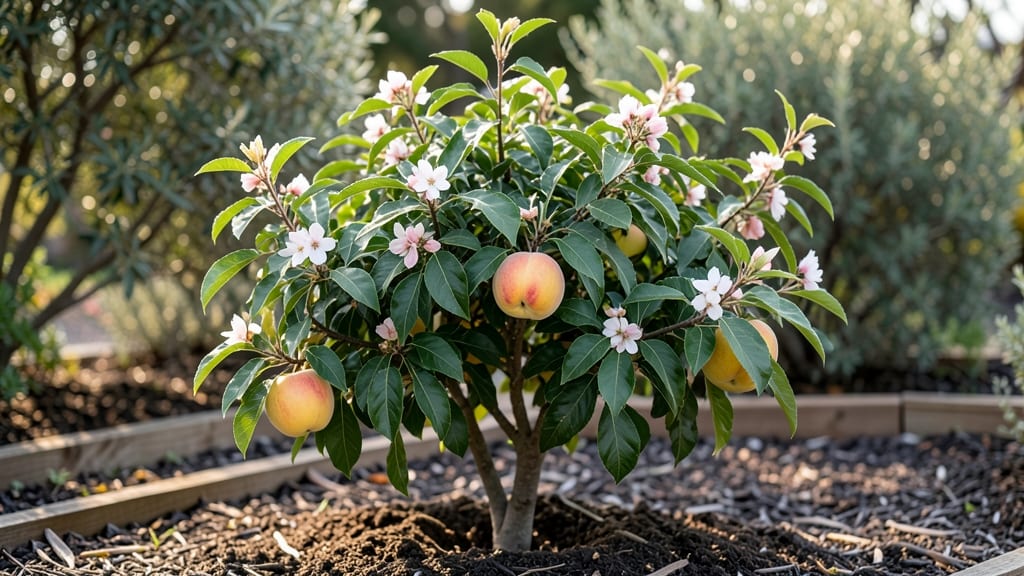
Growing a semi dwarf peach tree in the Pacific Northwest means you can enjoy homegrown fruit without sacrificing your yard space. I planted mine last spring, and now it stretches just over my garage roof—perfect for small gardens.
The key is balancing its compact size with the region’s rainy winters and mild summers.
These trees thrive with 6-8 hours of sunlight and well-drained soil, but they need winter protection from frost. My tree’s branches are wrapped in burlap now, and I’ll add a thick mulch layer soon.
The semi dwarf variety also produces fruit earlier than standard trees, so you’ll get peaches in 3-4 years instead of 6.
Pruning in late winter keeps the canopy open for airflow, which prevents fungal issues common in our damp climate. I shape it like an open vase, cutting back any crossing branches. By summer, you’ll see lush, velvety leaves and the promise of sweet, juicy peaches—right from your backyard.
Whether you’re a first-time fruit grower or expanding your orchard, this approach works for containers too. The Pacific Northwest’s unique growing season just means timing your care a little differently. Let’s get that tree thriving!
📚 In This Guide
- What you need
- Instructions
- Tips and common mistakes
- Wrapping up and next steps
What you need
- ● Pruning shears: Bypass pruners (sharp, 6–8" blades) for small branches.
- ● Loppers: 18–24" bypass loppers for thicker branches (½–1" diameter).
- ● Pruning saw: Curved-tooth saw for branches >1" thick.
- ● Disinfectant: 70% isopropyl alcohol or 10% bleach solution (1 part bleach to 9 parts water) to sterilize tools.
- ● Gloves: Heavy-duty, cut-resistant gloves (e.g., Mechanix Wear or similar).
- ○ Tree wound paint (optional but recommended): Pruning sealant (e.g., TreeHelp or Tanglefoot Tree Wound Pruning Seal) for cuts >½".
- ● Ladder or step stool: Sturdy, extendable (10–14 ft) for taller branches.
- ● Heavy-duty trash bags: 2–3 for collecting debris (13-gallon size).
- ● Water spray bottle: Small (8 oz) with soapy water to clean tools mid-pruning.
- ● Extension pole: For high branches (10–12 ft reach).
- ● Hand saw: For emergency cuts if loppers aren’t strong enough.
- ● Pruning rope: ¼" nylon rope (50 ft roll) for temporary branch support.
- ● Safety glasses: To protect from debris (especially when using a saw).
- ● Tree pruning guide: A printed or digital reference (e.g., PNW Extension’s pruning charts).
Step-by-Step year-round canopy care for semi-dwarf peach trees
Here's how to keep your Pacific Northwest peach tree thriving through every season.
🌿 Step 1: Spring Pruning for Airflow and Fruit Production
Start in late winter or early spring, just before buds swell but before new growth begins. This timing ensures you're not removing next year's fruit buds. Use sharp, clean pruning shears to make cuts at a 45-degree angle just above an outward-facing bud.
Remove any dead, diseased, or crossing branches first. These compete with healthy growth and invite pests. Next, thin out branches to improve sunlight penetration to the center of the tree. Aim for an open vase shape that lets light reach all fruit—this prevents sunburn and improves ripening. I always step back every few cuts to visualize the canopy from all angles.
For semi-dwarf trees, limit pruning to about 25% of the previous year's growth. More aggressive cuts stress the tree and delay fruiting. Watch for water sprouts (thin, upright shoots) and remove them completely—they drain energy from fruit production.
☀️ Step 2: Summer Maintenance for Canopy Health
During the growing season, focus on monitoring rather than heavy pruning. Remove any suckers that emerge from the base or graft union immediately—they divert energy from fruit development. These are the small, vigorous shoots growing outside the main trunk area.
Thin fruit clusters to 6-8 inches apart when they're about 1 inch in diameter. This ensures larger, higher-quality peaches rather than a heavy load that stresses the tree. Remove any misshapen or damaged fruit to prevent disease spread. I like to do this on a dry morning when the tree is well-watered—it's easier to handle and the cuts heal faster.
Check for signs of pests like peach tree borers or aphids. Look for sawdust-like frass near branch bases or sticky honeydew on leaves. Treat infestations immediately with horticultural oil or insecticidal soap, following label instructions carefully. The Pacific Northwest's mild summers can hide early pest activity, so I inspect weekly during peak growing months.
✂️ Step 3: Fall Cleanup and Winter Protection
After leaf drop but before hard frosts, remove all fallen leaves and debris from under the tree. This prevents fungal diseases like brown rot from overwintering. Rake up leaves and dispose of them in the trash—not the compost pile—since peach tree diseases can survive in leaf litter.
Apply a 2-3 inch layer of mulch around the tree's drip line (the area directly under the canopy). Use wood chips or straw, keeping mulch 6 inches away from the trunk to prevent rot. This insulates roots from winter temperature swings common in the Pacific Northwest's wet, cool climate. Water deeply before applying mulch to help it settle properly.
For semi-dwarf trees, consider wrapping the trunk with tree wrap or burlap if you experience freezing temperatures below 15°F. This prevents sunscald damage that can occur when winter sun warms the bark. I also prune any remaining dead wood at this time, making clean cuts to encourage healthy regrowth in spring.
⏰ Step 4: Year-Round Monitoring for Canopy Health
Check the tree's canopy monthly throughout the year for signs of stress. Look for yellowing leaves, which may indicate nutrient deficiencies or fungal issues. Semi-dwarf peach trees in the Pacific Northwest often need extra zinc or iron—apply chelated micronutrients in early spring if you notice interveinal chlorosis (yellowing between leaf veins).
Adjust watering based on seasonal needs. In summer, water 1-2 times per week providing 1-2 gallons per tree, depending on rainfall. In winter, reduce watering to once every 2-3 weeks unless you have unusually dry conditions. The goal is to keep soil consistently moist but never waterlogged—peach trees hate soggy roots.
Finally, plan your pruning schedule around the Pacific Northwest's unique climate. The region's mild winters mean you can prune later than in colder zones. I always wait until late February or early March when the risk of hard frosts has passed but before buds begin to swell. This timing gives you the longest possible window to complete pruning before the growing season begins.
Tips & tricks for perfect semi-dwarf peach tree canopy care
These practical insights will help you maintain a healthy, productive peach tree all year long in the Pacific Northwest's unique climate.
Pruning Precision: When making your 25% pruning cuts in Step 1, focus on removing branches that grow inward or cross each other. These competing branches create shaded areas that reduce fruit quality. I use a simple trick: hold your pruning shears up to the branch and visualize how sunlight will penetrate the canopy after the cut. This helps you make decisions that improve airflow and light exposure throughout the tree.
Fruit Thinning Technique: During Step 2's fruit thinning, I find it easiest to work on a dry morning when the tree is well-watered. The fruit will be firmer and less likely to bruise when you remove them. Aim to leave only the largest, healthiest peaches spaced 6-8 inches apart. This spacing gives each fruit room to grow without competing for nutrients, resulting in larger, sweeter peaches that ripen more evenly.
Winter Protection Strategy: If you're wrapping your semi-dwarf peach tree's trunk for winter protection against temperatures below 15°F, use tree wrap or burlap instead of plastic. Plastic can trap moisture against the bark, leading to rot or sunscald damage. Remove the wrap in early spring before new growth begins to prevent girdling as the trunk expands. I also recommend applying a fresh layer of mulch at this time to maintain root insulation.
Pest Monitoring: The Pacific Northwest's mild summers can make pest detection tricky. I've found that inspecting your tree weekly during peak growing months—especially looking for sawdust-like frass near branch bases—catches infestations early. Treat any signs of peach tree borers immediately with horticultural oil. For aphids, a strong spray of water often dislodges them, but follow up with insecticidal soap if needed. Early intervention prevents these pests from becoming major problems.
Pro Tips for Semi Dwarf Peach Tree
- These practical insights will help you maintain a healthy, productive peach tree all year long in the Pacific Northwest's unique climate.
- Pruning Precision: When making your 25% pruning cuts in Step 1, focus on removing branches that grow inward or cross each other.
- Fruit Thinning Technique: During Step 2's fruit thinning, I find it easiest to work on a dry morning when the tree is well-watered.
Frequently asked questions
Got questions about keeping your semi dwarf peach tree thriving in the Pacific Northwest? Here are answers to the most common ones—so you can prune with confidence!
How often should I prune a semi dwarf peach tree in PNW climates?
Prune your semi dwarf peach tree twice a year: once in late winter/early spring (before buds swell) to shape the tree and remove dead wood, and again in summer (after harvest) to thin out overcrowded branches. Avoid heavy pruning in fall—it can leave cuts vulnerable to fungal diseases like brown rot, common in PNW’s damp winters.
Can I prune a semi dwarf peach tree in winter?
Yes, but only lightly! Prune only dormant branches in late winter (January–February) when temps are above freezing. Heavy winter pruning can stress the tree and invite pests. Save major shaping for spring when new growth signals the tree’s readiness. Pro tip: Wait until after the last frost to avoid damaging tender buds.
Why are my peach tree’s leaves curling or falling off?
Curling or dropping leaves often signal stress from pests, disease, or pruning mistakes. Check for:
- Peach leaf curl (fungal disease): Treat with copper fungicide in late fall or early spring.
- Spider mites or aphids: Spray with water or neem oil.
- Over-pruning: Semi dwarf trees need 20–30% max removal per year—avoid aggressive cuts.
Do semi dwarf peach trees need staking, or can they stand alone?
Most semi dwarf peach trees don’t need staking if planted in well-draining soil with proper support. However, young trees (under 2 years) may benefit from light staking during windy PNW seasons. Use flexible ties and remove stakes as the tree matures to avoid girdling. Warning: Avoid heavy stakes that pierce the trunk!
What’s a good alternative if my peach tree keeps failing?
If your semi dwarf peach tree struggles with disease, pests, or poor fruit set in the PNW, consider these resilient alternatives:
- Dwarf apricot trees (hardier, fewer fungal issues).
- Semi dwarf plums (thrive in cooler climates, less prone to brown rot).
- Columnar peach trees (compact, easier to protect from wind/rain).
Wrapping up and next steps
Growing a semi dwarf peach tree in the Pacific Northwest is a rewarding journey that blends patience with practical care—especially when it comes to pruning.
By following seasonal guidelines, you’ll ensure a healthy, productive tree that thrives year-round. Remember, consistency is key! 🌿 Now that you’re equipped with the right tools and knowledge, why not schedule your next pruning session? Start small, observe your tree’s growth, and enjoy the sweet rewards of your efforts!