
Pruning
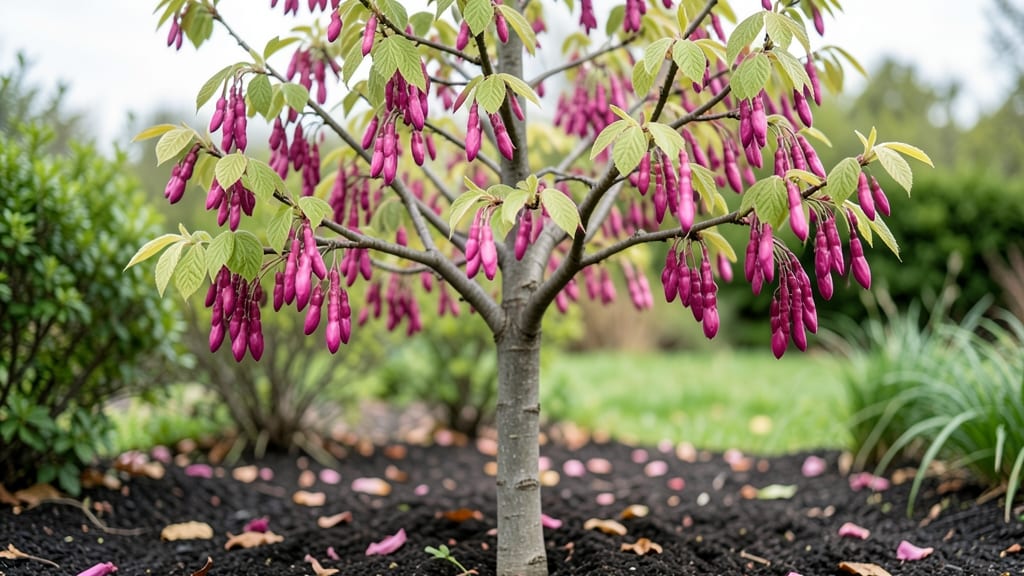
A single-stem redbud tree transforms your yard into a springtime masterpiece with its stunning pink blooms. I've learned that the secret to maintaining that elegant single-trunk form starts at planting—choosing the right spot and giving it the proper foundation makes all the difference.
The first year is critical for establishing strong roots and setting the stage for years of graceful growth.
Redbuds thrive in full sun to partial shade with well-draining soil, but they're surprisingly adaptable. My tree grows happily in a spot that gets morning sun and afternoon shade, though it will bloom more prolifically with full sun exposure.
The key is avoiding waterlogged soil—these trees hate soggy feet. Once established, they're drought-tolerant, but consistent watering during the first growing season helps them put down deep roots.
Pruning becomes your new spring ritual, shaping that single stem while encouraging abundant blooms. I time my pruning right after flowering when new growth begins—this prevents removing next year's flower buds. The goal is to maintain that clean, upright form while removing any crossing branches or suckers at the base.
With proper pruning, you'll have a tree that looks like it belongs in a botanical garden, not just your backyard.
Seasonal care keeps your redbud looking its best year-round. Summer means regular watering until roots establish, fall involves removing any dead wood, and winter protection might be needed in colder zones. The payoff comes every spring when those delicate pink flowers cover the branches like confetti.
This isn't just a tree—it's a living work of art that gets more beautiful with each passing year.
📚 In This Guide
- What you need
- Instructions
- Tips and common mistakes
- Wrapping up and next steps
What you need
- ● Pruning shears: Bypass pruners (sharp, 6–8" blades) for clean cuts on small branches.
- ● Loppers: For thicker branches (1–2" diameter), with a 10–12" handle for leverage.
- ● Pruning saw: Curved-tooth saw for stubborn, larger branches (2–3" diameter).
- ● Disinfectant: 70% isopropyl alcohol or a 10% bleach solution to sterilize tools between cuts.
- ● Rubbing alcohol wipes: For quick tool sanitization in the field.
- ● Gloves: Heavy-duty gardening gloves (cut-resistant if needed) to protect hands.
- ○ Tree tie or zip ties: (Optional but handy) For securing branches during heavy pruning.
- ● Trash bags or bucket: For collecting pruned debris (redbud branches can be composted!).
- ● Ladder or step stool: Sturdy, extendable for reaching higher branches safely.
- ● Notebook & pen: To sketch a quick map of cuts before you start.
- ● Hand pruners with a bypass blade: For precision on delicate stems.
- ● Sealing wax: Pruning sealant (like Tanglefoot Tree Wound Pruning Seal) for large cuts (controversial but some swear by it!).
- ● Pole saw: If your tree is tall and you’re avoiding ladders.
- ● Camera or phone: To document your tree’s transformation before/after!
Step-by-step pruning guide for a single-stem redbud tree
Here's how to shape your redbud into a stunning, blooming centerpiece—without sacrificing its natural beauty.
Prune Immediately After Flowering
This is the most critical timing for redbuds. Wait until all blooms have fallen—usually 4-6 weeks after peak flowering—before touching the tree. Pruning too early risks removing next year's flower buds, which form on last year's growth. Look for brown, papery seed pods as your signal that buds are already set for spring.
Start by removing any dead, diseased, or crossing branches at their point of origin. Use sharp, clean pruners to make clean cuts at a 45-degree angle, just outside the branch collar. Avoid leaving stubs—redbuds heal poorly from rough cuts. If a branch is larger than 1/4 inch in diameter, consider using loppers instead of hand pruners for cleaner cuts.
Thin the Canopy for Airflow and Light
Redbuds naturally grow with a vase-like shape, but over time, branches can become dense. Focus on removing 10-20% of the canopy to improve airflow and sunlight penetration. Start at the outer edges, cutting back branches that grow inward or rub against others. These are the first to cause damage and disease.
For thicker branches, use the thinning cut method—remove entire branches back to their origin rather than heading them. This opens up the center of the tree, allowing light to reach all foliage. Avoid removing more than one-third of the canopy in a single year, as redbuds are sensitive to heavy pruning stress. If you're unsure, err on the side of caution and remove less.
Shape for Structure and Balance
Now’s the time to refine the tree’s natural form. Step back and visualize the ideal single-stem silhouette—tapered, with a slightly wider base that narrows toward the top. Look for water sprouts (fast-growing, vertical shoots) and remove them entirely. These compete with the main structure for energy and weaken the tree’s overall shape.
For lateral branches, aim to maintain a balanced spread—no branch should dominate the others. If one branch is significantly larger or longer than its neighbors, prune it back by one-third to encourage a more even growth pattern. Redbuds respond well to light shaping, so take your time and make gradual adjustments. The goal is to enhance the tree’s natural elegance, not force an unnatural look.
Clean Up and Monitor for New Growth
After pruning, rake up and dispose of all clippings—never leave them beneath the tree. This prevents disease and pests from overwintering in the debris. Sterilize your pruners with rubbing alcohol between cuts if you’ve removed diseased branches, and store them in a dry place to prevent rust.
Over the next 4-6 weeks, watch for new growth at the pruned areas. Healthy redbuds will sprout fresh leaves within this timeframe. If you see no new growth after 8 weeks, the cuts may have been too severe, or the tree could be stressed. In this case, avoid further pruning until spring and focus on watering deeply once a week to encourage recovery.
Tips & tricks for perfect single-stem redbud tree pruning
Pruning a redbud tree properly transforms it from ordinary to extraordinary—here’s how to avoid common mistakes and elevate your tree’s beauty.
Timing is Everything: The 4-6 week window after flowering is non-negotiable for redbuds. I learned this the hard way after accidentally pruning too early and losing next year’s blooms. Watch for those brown, papery seed pods—they’re your green light to prune. This timing ensures you never cut off potential flower buds that form on last year’s growth.
Tool Selection Matters: Never use dull pruners on redbuds—they tear branches instead of making clean cuts. I always use sharp, clean pruners for branches under 1/4 inch and switch to loppers for anything thicker. Sterilize your tools with rubbing alcohol between cuts, especially if you’ve removed diseased branches, to prevent spreading pathogens.
Canopy Thinning Technique: When removing 10-20% of the canopy in Step 2, focus on the outer edges first. These branches often grow inward and create rubbing points that damage the bark. The thinning cut method—removing entire branches back to their origin—is key. This creates space for sunlight to reach all foliage, which redbuds absolutely crave for healthy growth and vibrant blooms.
Recovery Monitoring: After pruning, watch for new growth at the cut areas within 4-6 weeks. If you see nothing after 8 weeks, your cuts might have been too severe. In that case, avoid further pruning until spring and water deeply once a week. Redbuds are resilient but need time to recover, especially after significant shaping.
Pro Tips for Single Stem Redbud Tree
- Pruning a redbud tree properly transforms it from ordinary to extraordinary—here’s how to avoid common mistakes and elevate your tree’s beauty.
- Timing is Everything: The 4-6 week window after flowering is non-negotiable for redbuds.
- Tool Selection Matters: Never use dull pruners on redbuds—they tear branches instead of making clean cuts.
Frequently asked questions
Got questions about keeping your single-stem redbud tree thriving? Here are answers to the most common ones—from pruning timing to troubleshooting pesky issues.
When is the best time to prune a single-stem redbud tree?
Prune your redbud tree right after it blooms in spring (typically March–April). Avoid pruning in late summer or fall, as this can stimulate new growth that may not harden off before winter. Light shaping can be done in early spring before buds swell, but major pruning should wait until after flowering.
How much can I trim back a single-stem redbud tree?
Never remove more than 25–30% of the tree’s foliage in one season. Single-stem redbuds are delicate—aggressive pruning can stress the tree or reduce next year’s blooms. Focus on removing dead, crossing, or weak branches first. For shaping, trim selectively to maintain the tree’s natural, graceful form.
Why aren’t my redbud flowers as vibrant as last year?
Several factors could be at play:
- Over-pruning: Cutting back too much in late winter can reduce flower buds.
- Nutrient deficiency: Apply a balanced, slow-release fertilizer in early spring if the soil is poor.
- Pests/disease: Check for aphids, scale, or fungal spots on leaves/stems.
- Sunlight: Redbuds need full sun (6+ hours/day)—shady spots dull blooms.
Can I prune a single-stem redbud in winter?
Pruning in deep winter (Dec–Feb) is risky because dormant buds are vulnerable to frost damage. If you must prune, wait until late winter (Feb–early March) when temperatures stabilize above freezing. Otherwise, stick to post-bloom pruning for safety.
What’s a good alternative if my redbud tree keeps dying back?
If your single-stem redbud struggles with disease, pests, or poor site conditions, consider these low-maintenance alternatives with similar spring blooms:
- Eastern Redbud (Cercis canadensis): Hardy and adaptable (but may sucker).
- Japanese Tree Lilac (Syringa reticulata): Fragrant, multi-stemmed, and drought-tolerant.
- Korean Spice Viburnum (Viburnum carlesii): Winter-hardy with clusters of pink blooms.
- Serviceberry (Amelanchier spp.): Edible berries + spring flowers.
How do I fix “witches’ broom” growth on my redbud?
“Witches’ broom” (dense clusters of small shoots) often signals stress, pests (like spider mites), or fungal infections.
- Prune affected branches back to healthy wood in early spring.
- Inspect for pests—spray with neem oil if needed.
- Improve air circulation by thinning nearby plants.
- Fertilize lightly with compost or balanced fertilizer to reduce stress.
Wrapping up and next steps
The single-stem redbud tree is a stunning addition to any landscape, offering vibrant blooms and minimal maintenance when pruned correctly. By mastering the art of selective pruning—like removing dead branches, shaping for airflow, and encouraging new growth—you’ll keep your tree healthy, blooming beautifully year after year. 🌸
Now that you’re armed with the right techniques, roll up your sleeves and give your redbud the care it deserves! Start with a quick inspection this weekend, and watch your tree thrive with confidence. Happy pruning! ✂️