
Pruning
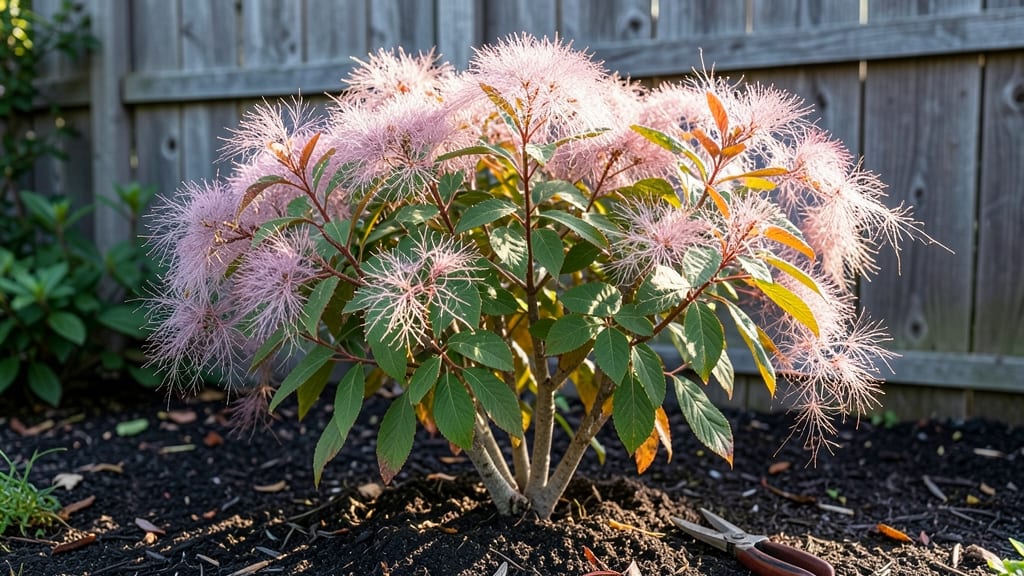
That smoke shrub tree turns your Pacific Northwest garden into a smoky haze of color—frost-proof, low-maintenance, and impossible to ignore. I’ve grown mine through three winters now, and it’s the only shrub that stays lush when others crisp at the first freeze.
The secret? Pruning it right in late winter before new growth starts.
Sunlight? Full sun or part shade—it handles both. Soil? Even the poor stuff works, though it thrives in well-draining loam. Water it deeply once a week after planting, then let it fend for itself.
The real magic happens when you shape it: cut back one-third of the oldest stems every year to keep that feathery, smoky foliage dense and vibrant.
By summer, you’ll have a cloud-like canopy that shifts from purple to gold with the seasons. Birds love the seed heads, and deer leave it alone—unlike most shrubs. The only pests to watch for are spider mites, but a strong spray of water usually clears them out.
Works as a standalone specimen, a hedge, or even in containers. Once established, it’s nearly indestructible—perfect for busy gardeners who want drama without the fuss. Let’s get yours growing strong for years to come.
📚 In This Guide
- What you need
- Instructions
- Tips and common mistakes
- Wrapping up and next steps
What you need
- ● Pruning shears: Sharp, bypass-style shears (for cuts under ½ inch). Quantity: 1 pair (or 2 if working on large branches).
- ● Loppers: For branches ½ to 2 inches thick. Quantity: 1 pair (extendable loppers help with tall trees!).
- ● Pruning saw: Curved-tooth saw for branches over 2 inches. Specs: 8–10 inches long, with a comfortable grip.
- ● Gloves: Heavy-duty, cut-resistant gloves (e.g., Fellex or Wolverine). Quantity: 1 pair.
- ● Disinfectant: 70% isopropyl alcohol or pruning sealant (to prevent disease spread). Quantity: Small spray bottle or wipe.
- ● Ladder or extension pole: Sturdy, non-slip ladder (for trees over 8 feet) or a pole saw with an extendable handle.
- ● Heavy-duty trash bags: For collecting debris. Quantity: 2–3 bags (or a wheelbarrow for bulk cleanup).
- ● Safety gear: Safety glasses (to shield from debris).
- ● Ear protection (if using a chainsaw for large branches).
- ● Long sleeves/pants (to protect from thorns or sawdust).
- ● Chainsaw: For very large branches (3+ inches). Specs: Lightweight, with a sharp chain and safety features.
- ● Pruning rope: For lowering heavy branches (e.g., 100+ feet of ¼-inch nylon rope).
- ● Tree wound dressing: (Controversial but useful for large cuts—e.g., Tanglefoot Tree Wound Pruning Seal).
- ● GPS or laser rangefinder: For precise measurements in dense canopies.
- ● First-aid kit: In case of minor cuts or scrapes.
Step-by-Step pruning for a strong smoke tree canopy
Here’s how to shape your smoke tree for resilience against Pacific Northwest frosts while keeping its signature wispy branches.
Prune in Late Winter Before New Growth Begins
Start your work in late February or early March, just as buds swell but before fresh leaves appear. This timing ensures you remove dead wood while avoiding the risk of frost damage to fresh cuts. The smoke tree’s natural dormancy makes this the ideal window—you’ll see fewer sap leaks and faster healing.
Grab your clean, sharp pruners and inspect the tree from all angles. Look for dead, crossing, or rubbing branches—these are your first targets. Remove them completely at the base, cutting just outside the branch collar where it meets the trunk. This prevents disease from entering the tree through jagged cuts.
Thin the Canopy to Improve Airflow and Light
Smoke trees thrive when their branches receive even sunlight and airflow, so aim to open up the center of the canopy. Focus on removing up to 25% of the smallest, innermost branches—these often grow weakly and compete for resources. You’ll notice they’re thinner and may have fewer leaves than the outer branches.
When thinning, make cuts just above a bud or side branch that grows outward. Avoid leaving stubs—this invites rot and weakens the tree. Step back occasionally to check your progress. The goal is to see light filtering through the center while maintaining the tree’s natural, airy silhouette.
Shape the Outer Branches for Frost Resistance
Pacific Northwest winters test smoke trees, so reinforcing their structure now pays off later. Gently guide the outer branches to grow at a 45-degree angle or higher, which helps them shed snow more easily. If a branch sags or grows too horizontally, prune it back to a stronger lateral branch or bud.
Pay special attention to the top of the tree—if it’s too dense, it can trap snow and break under weight. Lightly trim the very top to encourage a broader, more stable shape. Avoid over-pruning here; the smoke tree’s natural form is part of its charm, so focus on refinement rather than drastic changes.
Clean Up and Monitor for New Growth
After pruning, rake up all debris and dispose of it away from the tree to prevent fungal diseases. Wipe down your pruners with rubbing alcohol to sterilize them for the next use. Now, keep an eye on the tree over the next 4-6 weeks—you’ll see fresh buds swell and new leaves emerge.
If you notice any yellowing leaves or dieback in the following months, it’s likely due to over-pruning. Smoke trees are forgiving, but they respond best to moderate cuts. Water deeply after pruning to help the tree recover, especially if the weather turns dry. By next winter, your tree will stand stronger and more resilient against frost.
Tips & tricks for pruning a smoke tree for frost resistance
Pruning your smoke tree properly can make all the difference in its ability to withstand Pacific Northwest winters. Here’s what I’ve learned from years of shaping these delicate trees.
Timing is Everything: That late February to early March window is critical—don’t rush it. I’ve seen trees pruned too early develop frost cracks when unexpected cold snaps hit. Wait until buds just begin to swell, but before leaves emerge. This ensures clean cuts and minimizes sap bleeding while the tree is still dormant but ready to heal.
Branch Selection Strategy: When thinning the canopy in Step 2, prioritize branches that grow straight up or inward. These are the ones competing for sunlight and resources. I like to use the "light test"—if you can’t see sunlight filtering through the center after removing 25% of branches, you haven’t opened it up enough. This improves airflow and reduces fungal risks during wet Pacific Northwest winters.
Angle Matters for Snow Shedding: The 45-degree angle recommendation in Step 3 isn’t arbitrary. Branches at this angle naturally shed snow better than horizontal ones. If you notice branches growing too flat, prune them back to a stronger lateral branch. For the tree’s top, think "broader, not taller"—this prevents snow accumulation that could break branches during heavy winter storms.
Post-Pruning Care: The 4-6 week monitoring period is just as important as the pruning itself. I always water deeply after pruning, especially if we’re heading into a dry spell. This helps the tree recover faster. If you see yellowing leaves later, it’s usually a sign of over-pruning—smoke trees are tough but respond best to moderate cuts. A little patience goes a long way with these trees.
Pro Tips for Smoke Shrub Tree
- Pruning your smoke tree properly can make all the difference in its ability to withstand Pacific Northwest winters.
- Timing is Everything: That late February to early March window is critical—don’t rush it.
- Branch Selection Strategy: When thinning the canopy in Step 2, prioritize branches that grow straight up or inward.
Frequently asked questions
Got questions about pruning your smoke shrub tree for a frost-resistant canopy? You’re not alone!
Here are answers to the most common queries from Pacific Northwest gardeners—plus a few pro tips to keep your tree thriving.
When is the best time to prune a smoke shrub tree in the PNW?
The ideal window is late winter to early spring (February–March), just before new growth starts. This timing minimizes stress and lets the tree recover before summer heat. Avoid pruning in fall—it can stimulate tender growth that’s vulnerable to frost. For heavy pruning, spread it over 2–3 years to avoid shocking the plant.
How do I protect my smoke shrub from frost damage after pruning?
Frost resistance starts with proper pruning: Remove only dead, crossing, or overcrowded branches. Thin the canopy to improve airflow, which reduces moisture buildup (a frost magnet). For young trees or late-season pruning, apply a light layer of mulch around the base and consider burlap wraps for young stems in extreme cold snaps.
Can I shape a smoke shrub tree like a hedge, or should I leave it natural?
Smoke shrubs (Cotinus) tolerate light shaping but thrive best with natural form. If you want a hedge, prune hard in early spring and maintain it with regular trims 2–3 times per year. For a wild, layered look (their signature style), focus on selective thinning to open the canopy. Avoid shearing—it removes the feathery, smoke-like foliage that gives them their name!
What should I do if my smoke shrub’s leaves turn brown or black after pruning?
Brown/black leaves usually signal stress, often from over-pruning or fungal issues. If it’s post-pruning shock, reduce watering and avoid fertilizing until new growth appears. For fungal spots (common in damp PNW summers), prune only dry branches and sterilize tools with rubbing alcohol. If the problem persists, test for powdery mildew or leaf spot and treat with neem oil.
Are there frost-resistant alternatives to smoke shrub trees for the PNW?
If you love the dramatic foliage but want other cold-hardy options, consider:
- Ninebark (Physocarpus): Tough, layered growth; zones 3–7.
- Oakleaf Hydrangea (Hydrangea quercifolia): Frost-proof with stunning fall color; zones 5–9.
- Serviceberry (Amelanchier): Edible berries + spring blooms; zones 4–8.
- Dwarf Ninebark (Physocarpus opulifolius ‘Little Devil’): Compact, great for small spaces; zones 3–7.
Wrapping up and next steps
Mastering the art of pruning your smoke shrub tree in the Pacific Northwest isn’t just about aesthetics—it’s about building resilience against frost and fostering a thriving canopy.
By following the right techniques, timing, and tools, you’ll ensure your tree stays healthy, vibrant, and ready to face whatever winter throws its way. 🌿❄️
Ready to take the next step? Grab your pruners, mark your calendar for late winter or early spring, and start shaping your smoke shrub tree with confidence! Your future self—and your tree—will thank you.