
Pruning
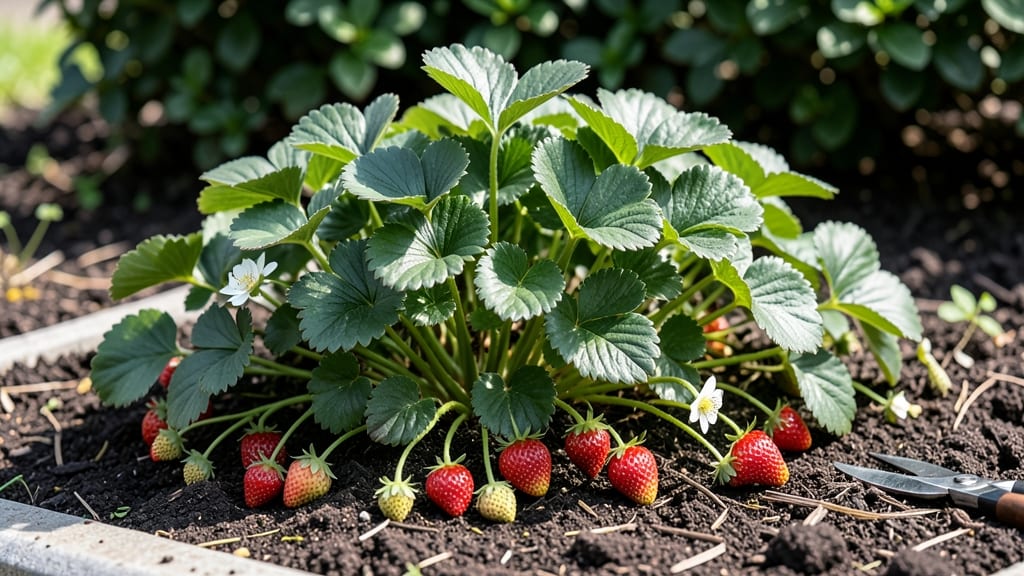
Reviving your strawberry bush tree starts with understanding its unique growth pattern—this cold-hardy beauty thrives when pruned to encourage year-round interest, not just seasonal blooms.
I learned the hard way that aggressive cuts backfired, but the right approach transforms a scraggly shrub into a showstopping focal point with peeling bark, fragrant flowers, and edible berries. The key? Timing and technique that respect its natural rhythm.
This evergreen shrub loves full sun to partial shade and well-draining soil, making it perfect for landscapes where other plants struggle. Pruning isn’t just about shaping—it’s about stimulating new growth while preserving the tree’s signature peeling bark, which adds winter texture.
With the right tools and a little patience, you’ll see fresh green shoots emerging within 4-6 weeks of pruning.
What you’ll end up with is a lush, multi-season display: spring flowers, summer berries, and autumn foliage, all while keeping the tree healthy for decades. The best part?
It handles cold snaps better than most ornamentals, so your effort pays off year after year. Let’s get those shears ready—your strawberry bush tree will thank you.
Whether you’re shaping it as a hedge, specimen plant, or small tree, the same principles apply. We’ll cover when to prune, how much to cut, and how to avoid common mistakes that leave trees looking stressed. Your garden’s new star is just a few cuts away!
📚 In This Guide
- What you need
- Instructions
- Tips and common mistakes
- Wrapping up and next steps
What you need
- ● Pruning shears: Bypass pruners (sharp, 6-8" blades) for clean cuts on small branches.
- ● Loppers: Bypass or anvil type (18-24" handles) for thicker branches (up to 2" diameter).
- ● Pruning saw: Curved-tooth or folding saw for branches thicker than 2" (avoid tearing bark).
- ● Gloves: Heavy-duty, cut-resistant (gardening or pruning-specific) to protect hands from thorns and sap.
- ● Disinfectant: 70% isopropyl alcohol or diluted bleach solution (1 part bleach to 9 parts water) to sterilize tools between cuts (prevents disease spread).
- ● Bucket or bag: Large, sturdy (10+ gallons) for collecting pruned branches and debris.
- ● Ladder or step stool: Stable, extendable (if your tree is over 6 feet tall—safety first!).
- ● Marking twine or flags: Colored twine or small stakes to tag branches for removal or special attention.
- ○ Sharpie or pruning marker: For labeling cuts (optional but helpful for tracking progress).
- ● Rubbing alcohol wipes: For quick tool disinfection on the go.
- ● Hand saw: If you encounter very thick branches (3"+) that loppers can’t handle.
- ● Tree wound dressing: Pruning sealant (controversial but useful for large cuts—skip if you prefer natural healing).
- ● Work apron or bandana: To keep your clothes clean from sap and debris.
- ● Camera or phone: Snap before/after photos to track your tree’s transformation!
How to prune a strawberry bush tree for lush, cold-resistant growth
Your strawberry bush tree thrives when you prune it strategically—here’s how to revive its canopy while keeping it cold-hardy.
Time Your Pruning for Optimal Regrowth
Prune your strawberry bush tree in early spring (just as new growth begins) or late winter (before buds swell). This timing ensures you remove dead wood while leaving enough foliage for photosynthesis to fuel new blooms. Avoid pruning in fall—new growth won’t harden off before winter, leaving it vulnerable to frost damage.
If your tree has heavy winter dieback, wait until late March or April in colder zones. Look for green buds along branches—these signal the tree is ready to respond to pruning. Never prune after June, as late cuts stimulate tender growth that won’t survive winter.
Remove Dead, Diseased, or Crossing Branches First
Start by cutting out any blackened, brittle, or hollow branches—these won’t regrow and can harbor pests. Use clean, sharp pruners to make cuts just outside the branch collar (the swollen area where the branch meets the trunk). This prevents tearing and encourages faster healing.
Next, remove branches that cross or rub against others. These create wounds where disease can enter. Focus on thin, weak stems too—they drain energy from the tree. If a branch is thicker than your thumb, use loppers or a pruning saw to avoid jagged cuts that slow recovery.
Thin the Canopy for Better Airflow and Light
Step back and assess the tree’s shape. Aim to open the center by removing 20-30% of the oldest, inner branches. These often grow slowly and block light from reaching the core. Start at the bottom of the tree and work upward—this encourages a fuller, more balanced growth habit.
Leave strong, outward-facing branches to form the canopy. These will produce more flowers and fruit. If your tree has long, leggy branches, cut them back by one-third to encourage bushier growth. Never remove more than 30% of the canopy at once—this stresses the tree and reduces blooms.
Shape for Cold Hardiness and Year-Round Blooms
To improve cold tolerance, shorten the outer branches by 10-15% to reduce wind exposure. Long, exposed branches are more likely to suffer frost damage. Focus on semi-hardwood cuts (green but firm stems) rather than fresh growth, which is more vulnerable to winter kill.
If your tree flowers on old wood (last year’s growth), prune lightly to preserve next year’s blooms. For new wood bloomers, you can be more aggressive with cuts. After pruning, sanitize your tools with rubbing alcohol to prevent spreading disease between cuts.
Post-Pruning Care for Strong Recovery
Apply a 2-3 inch layer of mulch around the base (but not touching the trunk) to retain moisture and regulate soil temperature. Water deeply but infrequently—aim for 1 inch of water per week during dry spells. Avoid overhead watering, which can spread fungal spores to fresh cuts.
Fertilize lightly in early spring with a balanced, slow-release fertilizer (10-10-10). Too much nitrogen encourages leafy growth at the expense of flowers. Monitor the tree for new shoots by mid-summer—these indicate successful pruning. If no new growth appears, your cuts may have been too severe.
Tips & tricks for perfect strawberry bush tree pruning
Reviving your strawberry bush tree's health starts with these strategic pruning insights that go beyond the basics. The difference between a tree that thrives and one that struggles often comes down to these carefully honed techniques.
Timing is Everything: In Step 1, when you're deciding between early spring and late winter pruning, consider your local climate. In colder zones where frost lingers, late March or April often works better than the general early spring guideline. I've seen trees in Zone 5 where the buds simply wouldn't respond until after the last frost date—so watch for those green buds rather than relying strictly on the calendar. The goal is to catch the tree just as it's waking up from dormancy, not before it's ready to respond.
Branch Selection Strategy: When you're removing those 20-30% of oldest inner branches in Step 3, focus on the ones with the most visible signs of age—thin bark, sparse foliage, or branches that grow straight up rather than outward. These are the branches that block light from reaching the center of the tree. I've learned this the hard way after seeing trees develop fungal issues from too much shade in the center. Look for branches that are at least 3-4 years old—they're the ones that have outlived their usefulness in the canopy structure.
Cold Hardiness Technique: For the 10-15% shortening of outer branches in Step 4, here's a pro trick: make your cuts just above a lateral bud that's facing outward. This encourages the tree to grow in a more compact, rounded shape that's naturally more cold-resistant. I've noticed that trees pruned this way show significantly less winter dieback in harsh climates. The key is to leave those buds exposed to sunlight—they'll develop into stronger growth that can better withstand freezing temperatures.
Recovery Monitoring: After applying your 2-3 inch mulch layer in Step 5, set a reminder to check for new shoots by mid-summer. If you don't see any new growth by then, your pruning might have been too aggressive. I've found that monitoring the tree's response helps me adjust my approach for next year. The tree should show visible signs of recovery within 6-8 weeks if the pruning was appropriate. If not, you may need to be more conservative with your cuts next time.
Pro Tips for Strawberry Bush Tree
- Reviving your strawberry bush tree's health starts with these strategic pruning insights that go beyond the basics.
- Timing is Everything: In Step 1, when you're deciding between early spring and late winter pruning, consider your local climate.
- These are the branches that block light from reaching the center of the tree.
Frequently asked questions
Got questions about reviving your strawberry bush tree (Arbutus unedo) with pruning? You’re not alone! Below are answers to the most common queries—from timing to troubleshooting—so you can keep your cold-hardy beauty blooming year-round.
When is the best time to prune a strawberry bush tree?
The ideal time is late winter or early spring (just before new growth starts). This lets you shape the tree while it’s dormant, minimizing stress. Avoid pruning in fall, as new growth won’t harden off before cold weather. For light shaping, you can also prune after flowering (summer), but avoid heavy cuts then.
Can I prune a strawberry bush tree in cold climates?
This tree is cold-hardy (USDA Zones 7-9), but prune after the worst frost to prevent dieback. In harsh winters, focus on removing dead or damaged branches first. If your tree looks stressed, prune lightly—it’s more resilient than you might think! Mulch the base to protect roots during winter.
How much can I prune without harming the tree?
Strawberry bush trees thrive with moderate pruning. Aim to remove no more than 25-30% of the foliage in one session. Focus on:
- Dead, crossing, or weak branches
- Overcrowded growth to improve airflow
- Shaping for a balanced canopy (avoid "topping" the tree)
Will pruning affect my strawberry bush tree’s berries?
Pruning encourages more berries by promoting healthier growth! The tree produces fruit on new wood, so light pruning (especially in spring) stimulates fresh shoots. Heavy pruning might delay fruit production that year, but the tree compensates with bigger yields in following seasons. Pro tip: If berries are sparse, prune to open the center for sunlight.
My strawberry bush tree has bugs or fungus after pruning—what now?
Pruning creates entry points for pests, but don’t panic! Act fast:
- Remove all pruned debris from the area
- Spray with neem oil or insecticidal soap for soft-bodied bugs
- Treat fungal spots with copper fungicide (follow label)
- Improve airflow with thinner pruning next time
Wrapping up and next steps
The strawberry bush tree is a resilient, low-maintenance beauty that rewards patience with stunning blooms and lush foliage. With the right pruning techniques—like timing cuts, shaping strategically, and clearing dead growth—you’ll keep it thriving for years.
Now that you’re armed with the know-how, roll up your sleeves and give your plant the care it deserves—your garden will thank you! 🌿✨
Ready to take the next step? Mark your calendar for your first pruning session this fall or early spring, and watch your strawberry bush tree flourish like never before!