
Pruning
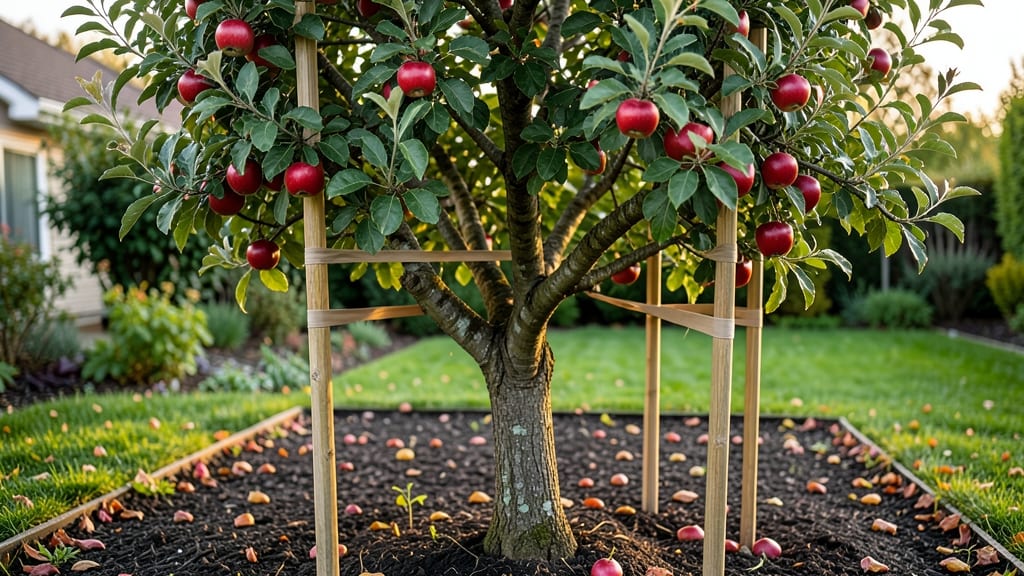
When heavy branches threaten to snap under Pacific Northwest storms, proper support isn’t just pruning—it’s saving your tree. I’ve seen mature maples and firs go from sturdy giants to tangled wrecks in one winter windstorm, but the right techniques can prevent that heartbreak.
The key is acting at the right time—whether after a storm or when you spot weak growth—and using methods that strengthen, not strangle, the tree.
You’ll need basic tools like pruning shears, tree ties (wide, soft fabric ones), and stakes (avoid metal—they rust and damage bark). For larger branches, a spreader bar helps redistribute weight without breaking.
The goal is to mimic nature: support where the tree can’t yet hold itself, but let it take over the work as it heals. My biggest mistake? Using wire ties that cut into bark—now I only use 1-inch-wide nylon straps or rubber tree ties that stretch with growth.
What you’ll end up with is a tree that stands tall through winter winds and heavy snow, with a canopy that’s stronger than before. The branches won’t sag under their own weight, and you’ll avoid the heartbreak of a split trunk or uprooted roots.
Plus, the tree will heal faster because you’re not restricting its natural movement—just giving it a temporary boost until it regains its strength.
This works for any tree in your yard—from young saplings to century-old oaks—as long as you adjust the support to the branch size. The Pacific Northwest’s wet, windy winters make this especially critical, but the same principles apply everywhere. Let’s get those branches secure before the next storm hits.
📚 In This Guide
- What you need
- Instructions
- Tips and common mistakes
- Wrapping up and next steps
What you need
- ● Pruning Shears: Sharp, bypass shears (for cuts under ½ inch in diameter). Example: Felco F-2 or Corona 2030S.
- ● Loppers: Heavy-duty, bypass loppers (for cuts ½–2 inches in diameter). Example: Felco 202 or Fiskars X27.
- ● Pruning Saw: Curved-tooth saw (for branches 2+ inches thick). Example: Felco 300 or Fiskars X7.
- ● Extension Pole: 6–12 ft. telescopic pole with saw attachment (for high branches). Example: Fiskars 34" Extendable Saw.
- ● Gloves: Heavy-duty, cut-resistant gloves (e.g., Mechanix Wear or Wagnle).
- ● Safety Goggles: ANSI-rated to protect against debris.
- ● Ladder: Sturdy, extension ladder (rated for your tree’s height + 3 ft. clearance). Example: Werner 28-ft. ladder.
- ● Disinfectant: 70% isopropyl alcohol or pruning sealant (e.g., Tanglefoot Tree Wound Pruning Seal).
- ● Heavy-Duty Bags: Contractor bags (for debris disposal).
- ○ Tree Wrap (Optional for Young Trees): Tough-Spiral or Tree Guard to protect bark from sun/scratch.
- ● Weather Check: Prune on a dry, calm day (avoid rain/snow for 24–48 hours before/after).
- ● Tree Health Assessment: Inspect branches for disease, deadwood, or pests (e.g., bark beetles common in PNW).
- ● Local Regulations: Verify if your area requires permit for large branches (>6" diameter) or protected species.
- ● First Aid Kit: Include antiseptic wipes and bandages for minor cuts.
- ● Cold-Weather Prep: Prune late winter/early spring (before buds swell) to avoid stressing trees before winter.
- ● Native Species Note: Douglas firs, maples, and cedars bleed sap heavily—prune in dormant season (Dec–Feb).
- ● Tool Sharpening: Dull blades tear wood, inviting disease. Sharpen tools before starting.
Step-by-Step guide for reinforcing tree branches in cold climates
Cold Pacific Northwest winters demand extra care for tree branches—here's how to strengthen them without damaging growth.
Assess Branch Structure and Identify Weak Points
Start by examining the tree's canopy from multiple angles, focusing on branches that show signs of stress: cracks, splits, or excessive swaying when wind gusts hit. Use a pair of binoculars if the tree is tall—this helps spot hidden weaknesses in the upper canopy that might not be visible from ground level. Look for branches that grow at sharp angles (greater than 45 degrees) from the trunk or main limbs, as these are prime candidates for splitting under snow or ice load.
Run your hand along the branch bark to feel for internal rot or soft spots. Healthy wood should feel firm with a slight springiness, while compromised wood may feel spongy or hollow. Mark these branches with colored flags or tape so you can return to them after assessing the entire tree. This systematic approach ensures you don't miss critical weak points while you're working.
Choose the Right Support Materials for Your Tree Type
For small to medium branches (under 4 inches in diameter), use flexible tree ties or stretchy fabric straps made from materials like polypropylene. These distribute weight evenly and won't cut into the bark as the branch grows. Avoid wire or metal straps—they can girdle the branch over time, creating permanent damage. For larger branches (4-8 inches), opt for wooden or plastic spreaders that cradle the branch junction from below, preventing upward pressure that causes splits.
In the Pacific Northwest's wet climate, choose materials that resist rust and rot. Stainless steel hardware or treated wood spreaders will last through multiple winters. For trees with very flexible branches (like willows or cottonwoods), consider installing temporary guy wires anchored to sturdy ground stakes. These should be installed at a 45-degree angle from the branch tip, not straight up, to prevent additional stress on the attachment point.
Install Supports at Strategic Branch Junctions
Begin by positioning supports at branch unions where two limbs meet—this is typically where 80% of structural failures occur. For vertical branches, install a spreader below the junction to prevent upward pressure. The spreader should sit just below the branch collar (the swollen area where the branch meets the trunk) and extend outward to create a V-shape that cradles the branch. This technique mimics natural branch support patterns and reduces stress on the attachment point.
When using tree ties, wrap them in a figure-eight pattern around the branch and trunk, crossing over the weak point. Leave about 2 inches of slack in each tie to accommodate seasonal swelling. For guy wires, attach them to the branch using a padded eye bolt or webbing strap, then secure the other end to a ground anchor placed at least 3 feet from the tree base. This creates a stable triangle of support that won't pull the branch outward during storms.
Monitor and Adjust Supports Through the Seasons
Check your supports every 6-8 weeks during the growing season, and again before winter sets in. Look for signs of binding (tree ties that have tightened too much) or loosening (supports that have shifted position). Adjust as needed—tree ties should remain snug but flexible, while spreaders should maintain their cradling position without pressing into the bark. In late fall, add extra support to branches that show signs of drying out or dead wood, as these are most vulnerable to winter damage.
After heavy snowfall or ice storms, inspect all supports immediately. Snow accumulation can create sudden, extreme weight that even properly installed supports may not withstand. If you notice any movement in the supports or hear cracking sounds, reinforce the area immediately. Remember that proper support isn't just about preventing damage—it's about giving your tree the best chance to recover and strengthen its natural structure over time.
Tips & tricks for strengthening tree branches in cold climates
These practical insights will help you reinforce tree branches like a pro, ensuring they withstand Pacific Northwest winters without compromising growth.
Assessment Precision: In Step 1, when examining branches, pay special attention to the growth angle—branches growing at angles greater than 45 degrees from the trunk are particularly vulnerable to splitting under snow load. Use a small protractor tool or even a DIY angle gauge made from a piece of cardboard to measure these angles accurately. This precision helps you prioritize which branches need immediate support.
Material Selection Matters: For Step 2, never underestimate the importance of material quality. While polypropylene tree ties are excellent for small branches, always check for UV resistance—cheap ties degrade quickly under Northwest sunlight. For larger branches, opt for spreaders with rubber pads at the contact points to prevent bark damage. I've seen many well-intentioned installations fail because of poor-quality materials that didn't last through one winter.
Installation Technique: When installing supports in Step 3, remember that proper tension is critical. The 2 inches of slack in tree ties should be measured when the branch is fully extended—not when it's at rest. Test this by gently pulling the branch downward before tightening the tie. This ensures you're accounting for natural branch movement during wind and snow events. For guy wires, the 45-degree angle is non-negotiable—any steeper and you risk creating additional stress points.
Seasonal Maintenance Strategy: The 6-8 week monitoring interval in Step 4 is perfect, but I recommend adding an extra check after the first heavy snowfall of the season. Snow accumulation can create sudden, extreme weight that even properly installed supports may not withstand immediately. Keep a small pruning saw on hand during these inspections—sometimes removing a small section of a compromised branch is better than waiting for a complete failure.
Pro Tips for Support Tree Branches
- These practical insights will help you reinforce tree branches like a pro, ensuring they withstand Pacific Northwest winters without compromising growth.
- Use a small protractor tool or even a DIY angle gauge made from a piece of cardboard to measure these angles accurately.
- Material Selection Matters: For Step 2, never underestimate the importance of material quality.
Frequently asked questions
Got questions about supporting and pruning tree branches in the Pacific Northwest’s chilly climate? You’re not alone! Here are some of the most common concerns—and their answers—to help you keep your trees strong and healthy.
When is the best time to prune and support branches in the PNW?
The ideal time is late winter to early spring (February–March), just before new growth begins. This timing minimizes stress on the tree and reduces disease risk. Avoid pruning in fall or during wet winters, as cold and moisture can slow healing. For heavy or damaged branches, act promptly—even in winter—to prevent further harm.
How do I know if a branch needs support, and what’s the safest way to do it?
Look for sagging, split, or leaning branches—these are red flags. Use tree ties, cables, or braces (never wire alone—it can cut into bark). For large branches, consult an arborist. Always secure supports snugly but not too tight to avoid girdling. Check supports annually, especially after storms.
Can I prune branches myself, or should I hire a pro?
Small, low branches? DIY is fine with the right tools (pruners, saw, gloves). But for large, high, or structurally critical branches, hire a certified arborist. Improper cuts can harm the tree or make it unsafe. If you’re unsure, start with 25% or less of the canopy—never remove more than that in one season.
Will pruning in cold weather hurt my tree?
Pruning in freezing temps (below 40°F) can stress the tree, but it’s better than leaving damaged branches. If you must prune in winter, do it on warmer days (above 50°F) and avoid wet conditions. Focus on removing deadwood or hazards—save major shaping for spring. Cold-hardy species (like Douglas fir or maple) tolerate winter cuts better than tender ones.
What are some alternatives to traditional pruning for weak branches?
If branches are too weak to support themselves, try:
- Thinning cuts: Remove entire small branches at the base to reduce weight.
- Cabling: Install flexible cables to redistribute weight (great for large, spreading branches).
- Bracing: Use wooden or metal supports to stabilize weak unions.
- Fertilization: Boost root health with mycorrhizal fungi or slow-release fertilizer to improve structural strength.
Wrapping up and next steps
Pruning your Pacific Northwest trees isn’t just about aesthetics—it’s a powerful investment in their long-term health and resilience. By mastering the art of supporting tree branches, you’ll ensure a stronger canopy that thrives through cold winters and stormy seasons. 🌲❄️
Ready to take action? Start by scheduling a seasonal pruning session—whether you’re tackling it yourself or hiring a pro. Small steps now will keep your trees standing tall for decades to come!