
Pruning
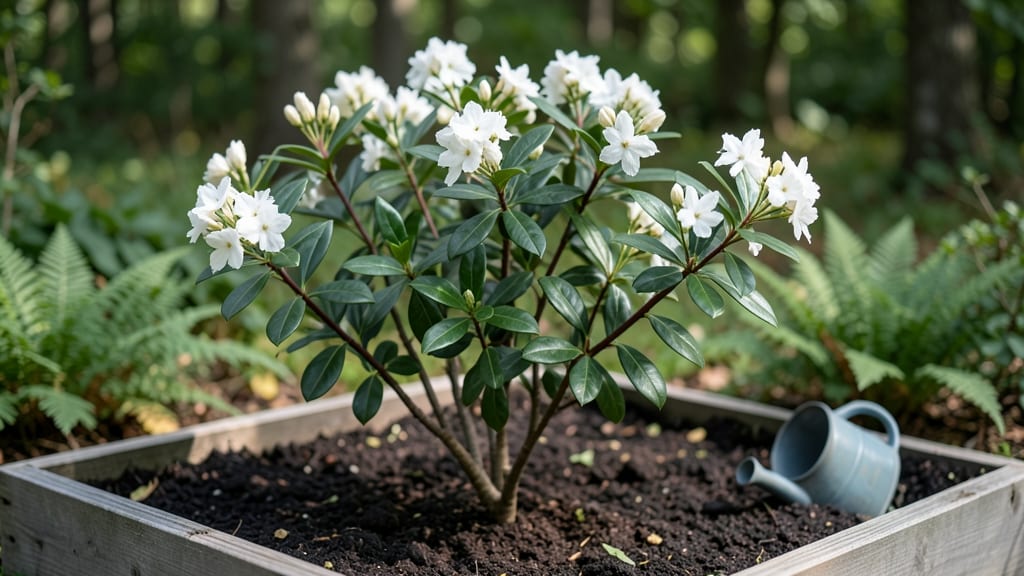
That intoxicating spring fragrance isn’t from a citrus grove—it’s your sweet mock orange tree (Philadelphus) in full bloom. 🌸 I’ve grown these for years, and they’re the easiest way to turn any yard into a fragrant paradise with almost no effort.
The key? Planting it right the first time, then letting it grow wild with minimal pruning.
Your mock orange thrives in partial shade to full sun and tolerates almost any soil as long as it drains well. In my zone 6 garden, it blooms reliably every spring with almost no care—just watering when the top inch of soil feels dry.
The real magic happens when you avoid over-pruning; these trees reward patience with clusters of fragrant white flowers that smell like orange blossoms without needing a citrus tree.
By summer, you’ll have glossy green foliage that stays lush until fall, and the tree will grow 6 to 10 feet tall depending on the variety. The best part?
Deer and rabbits usually leave it alone, making it a low-maintenance star for any landscape. Once established, it’s nearly indestructible—just give it space to spread its roots.
Perfect for small yards, cottage gardens, or even as a fragrant hedge. Here’s how to get yours growing strong from day one—no green thumb required.
📚 In This Guide
- What you need
- Instructions
- Tips and common mistakes
- Wrapping up and next steps
What you need
- ● Pruning shears: Bypass pruners (sharp, clean, and sterilized with rubbing alcohol to prevent disease). Pro tip: 💡 Opt for bypass over anvil shears for cleaner cuts!
- ● Loppers: For thicker branches (1.5"–2" diameter). Choose bypass-style loppers with a long handle for leverage.
- ○ Pruning saw: Optional but handy for branches over 2" thick. A curved-tooth saw minimizes tear-out.
- ● Garden gloves: Heavy-duty, cut-resistant gloves (e.g., mechanized or leather) to protect hands from thorns.
- ● Disinfectant: 70% isopropyl alcohol or a 10% bleach solution (1 part bleach to 9 parts water) to sterilize tools between cuts.
- ○ Pruning sealant: Optional for large cuts (e.g., tree wound dressing or pruning paste) to prevent decay.
- ● Bucket or bag: For collecting pruned branches (10–20 gallon capacity recommended).
- ● Ladder or step stool: If needed for hard-to-reach branches. Ensure it’s stable and non-slip.
- ● Timing: Prune right after flowering (late spring to early summer) to avoid cutting off next year’s blooms. Pro tip: ✨ Avoid pruning in fall/winter—sweet mock orange is late-dormant!
- ● Weather: Choose a dry, overcast day to reduce stress on the tree and prevent fungal infections.
- ● Safety gear: Safety glasses (to shield eyes from debris) and long sleeves/pants (thorns are sharp!).
- ● Tree health check: Inspect the tree for diseased or dead branches (brown, mushy, or lacking buds) before pruning.
- ● Handheld leaf blower: Clears debris from the work area post-pruning.
- ● Tree tie or zip ties: For securing supports if you’re training young branches.
- ● Notebook & pen: To sketch a simple pruning map of cuts made (helps track progress!).
- ● Compost bin: For recycling pruned branches into nutrient-rich compost.
Step-by-step guide to planting and caring for sweet mock orange trees
This fragrant favorite thrives with just a few key steps—let's get your tree off to the right start.
🌱 Step 1: Choose the Perfect Planting Spot
Sweet mock orange trees love full sun to partial shade, with at least 6 hours of sunlight daily. I always pick a location where the tree will get morning sun and afternoon shade if summers run hot in your area. The soil should drain well—these trees hate soggy roots, so avoid low spots where water pools.
Dig a hole twice as wide as the root ball but only as deep. This prevents burying the trunk too deeply, which can cause rot. Loosen the sides of the hole with your shovel so roots can spread easily into surrounding soil. Here's the thing—if your soil is heavy clay, mix in a 2-inch layer of compost at the bottom to improve drainage.
☀️ Step 2: Plant and Water for Strong Establishment
Gently remove the tree from its container and loosen any circling roots with your fingers. Place it in the hole so the top of the root ball sits 1-2 inches below soil level—this helps prevent the trunk from sinking as soil settles. Backfill with native soil, tamping lightly every 6 inches to remove air pockets.
Water deeply right after planting—10-15 gallons for a mature tree—to settle the soil and eliminate air gaps. You'll see the soil sink slightly as you water; this is normal. Mulch around the base with 2-3 inches of organic mulch, keeping it 6 inches away from the trunk to prevent rot. Water again in 7-10 days to encourage root growth into the surrounding soil.
💧 Step 3: Water and Feed for Fragrant Blooms
Sweet mock orange trees are drought-tolerant once established, but young trees need 1 inch of water weekly during the first growing season. Water at the base, avoiding the leaves to prevent fungal diseases. You'll know you're doing it right when the soil feels damp but not soggy 2 inches below the surface.
Fertilize in early spring with a balanced 10-10-10 fertilizer before new growth begins. Apply ½ pound per inch of trunk diameter, spreading it evenly in a circle around the drip line. Water immediately after to help nutrients reach the roots. Skip fall fertilization—this encourages tender new growth that won't survive winter.
✂️ Step 4: Prune for Shape and Health
Minimal pruning is all these trees need! Prune right after flowering in late spring or early summer to shape the tree and remove any dead or crossing branches. I always use clean, sharp pruners to make cuts just above a leaf node or bud. Avoid heavy pruning—this can reduce next year's blooms.
Watch for suckers growing at the base of the tree. Remove these immediately with hand pruners, as they divert energy from the main plant. If a branch looks diseased (yellowing leaves, black spots), prune it back to healthy wood. Here's where it gets fun—after pruning, your tree will put all its energy into producing those signature fragrant blooms!
⏰ Step 5: Winter Care for Next Year's Blooms
Sweet mock orange trees are hardy, but young trees benefit from mulch protection in winter. Add an extra 2-3 inches of mulch around the base in late fall, pulling it away from the trunk. This helps insulate roots during cold snaps. Water trees once in late fall if your area gets little rainfall during winter months.
Prune any winter damage in early spring before new growth begins. Look for branches with broken bark or dead twigs—these won't recover. A light pruning now encourages fresh, vigorous growth that will translate to abundant blooms by summer. Real talk: your tree's fragrance will be most intense in late spring to early summer, so plan to enjoy it then!
Tips & tricks for perfect sweet mock orange tree planting
Here's what nobody tells you about getting those signature blooms right from the start.
Location Intelligence: That 6 hours of sunlight is non-negotiable for fragrant blooms, but here's the thing—morning sun and afternoon shade is ideal in hot climates. I've seen trees in full sun wither during summer heatwaves, while those with afternoon shade thrive. Consider your microclimate: if summers run hot, prioritize that afternoon shade to prevent leaf scorch.
Root Ball Prep: Before planting, soak the root ball in water for 10-15 minutes to ensure it's fully hydrated. This helps reduce transplant shock and gets roots growing into the surrounding soil faster. I always check for circling roots—if they're severe, make 2-3 vertical cuts to encourage outward growth. This simple step prevents girdling that can strangle your tree's growth.
Mulch Mastery: That 2-3 inches of organic mulch isn't just for looks—it's a moisture and temperature regulator. I use shredded hardwood mulch because it breaks down slowly while improving soil structure over time. The key is keeping it 6 inches away from the trunk to prevent rot. Pro tip: refresh your mulch annually in spring to maintain that protective layer.
Fertilizer Timing: That early spring feeding is crucial, but here's what I've learned: apply fertilizer when you see the first signs of new growth, not just because it's spring. I test soil pH first—sweet mock orange prefers slightly acidic soil (pH 6.0-7.0). If your soil is alkaline, add sulfur to the hole before planting to create the perfect growing environment for those fragrant blooms.
Pro Tips for Sweet Mock Orange Tree
- Here's what nobody tells you about getting those signature blooms right from the start.
- Location Intelligence: That 6 hours of sunlight is non-negotiable for fragrant blooms, but here's the thing—morning sun and afternoon shade is ideal in hot climates.
- Root Ball Prep: Before planting, soak the root ball in water for 10-15 minutes to ensure it's fully hydrated.
Frequently asked questions
Got questions about growing and maintaining your sweet mock orange tree? Here are some of the most common ones—plus the answers you need to keep your fragrant beauty thriving with ease!
When is the best time to plant a sweet mock orange tree?
The ideal planting window is early spring or fall (4–6 weeks before your first frost). This gives roots time to establish before summer heat or winter cold stress. Avoid planting in mid-summer—the heat can shock tender roots. Choose a day with overcast skies to reduce transplant shock!
How much sunlight does a sweet mock orange tree need?
These trees thrive in full sun to partial shade (6+ hours of sunlight daily). While they tolerate light shade, more sun = more blooms! In hot climates, morning sun + afternoon shade prevents leaf scorch. If your tree isn’t blooming well, check its light exposure first—it might just need a sunnier spot!
Do sweet mock orange trees need frequent pruning?
Not at all! One of their biggest perks is minimal pruning. Lightly trim dead, diseased, or crossing branches in late winter or early spring (before buds swell). Avoid heavy pruning—it can reduce flowering. Pro tip: If your tree looks leggy, prune just the top 10–15% of growth to encourage bushier, more fragrant blooms.
Why aren’t my sweet mock orange flowers fragrant?
Fragrance fades if the tree is stressed (underwatered, overwatered, or in poor soil). Check these first:
- Watering: Keep soil consistently moist but not soggy (1–1.5 inches of water weekly).
- Soil: Amend heavy clay or sandy soil with compost for better drainage.
- Fertilizer: Apply a balanced, slow-release fertilizer in spring.
If the issue persists, your tree might need a sunlight adjustment (see question above!).
Are sweet mock orange trees cold-hardy? What about heat?
These trees handle USDA Zones 6–10, making them versatile for most U.S. climates. In cold zones (6–7), protect young trees with mulch (3–4 inches) in winter. In hot, dry areas (9–10), ensure deep watering and afternoon shade to prevent stress. Fun fact: Their fragrance intensifies in cooler weather—perfect for spring and fall!
Wrapping up and next steps
The sweet mock orange tree is a fragrant gem for any garden, offering low-maintenance care and stunning spring blooms with just a little pruning love.
Whether you’re a seasoned gardener or a beginner, its resilience and beauty make it a perfect addition—plus, you’ll enjoy that heavenly citrusy scent for years to come! 🌸
Ready to transform your outdoor space? Grab your pruners, pick a sunny spot, and get planting! Your garden (and nose) will thank you.