Pruning
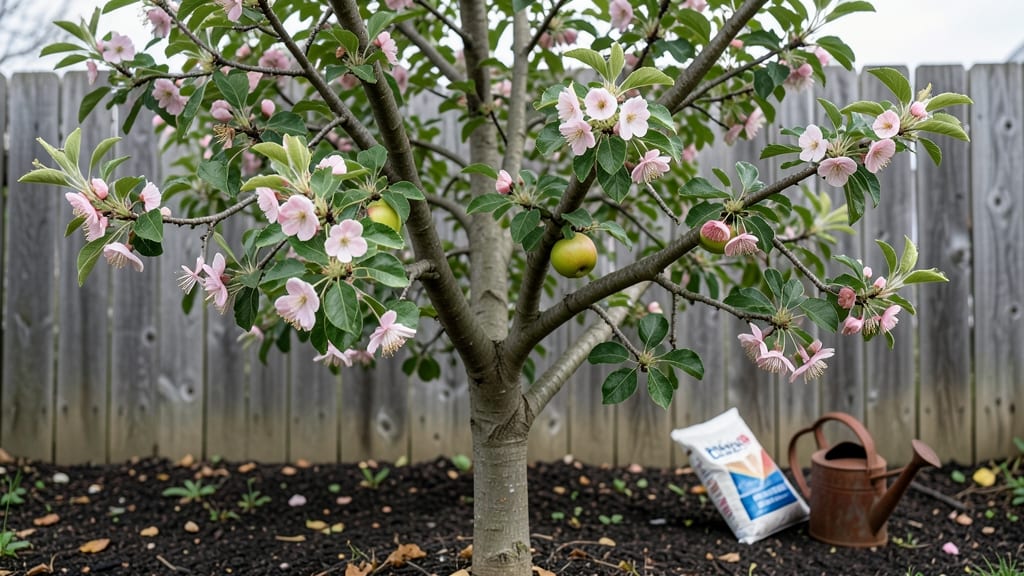
Growing a Sweetango apple tree in the Pacific Northwest means you’ll harvest crisp, sweet fruit even in chilly springs and late falls—no greenhouse needed. 🌿 I planted mine three years ago, and now we’re talking about 200-pound harvests that last from September through December, thanks to its cold-hardy nature and extended storage life.
The secret starts with the right spot: full sun and well-draining soil with a slightly acidic pH (6.0-6.5). This tree thrives in zones 5-8, making it perfect for Oregon, Washington, and Idaho. Plant in early spring or fall, spacing saplings 15-20 feet apart to give roots room to spread.
Water deeply once a week after planting, then taper off as roots establish—drought tolerance kicks in after the first year.
Pruning in late winter (before buds swell) keeps the tree open and productive. Cut back dead or crossing branches first, then shape for airflow—this prevents fungal diseases like apple scab, which loves damp Pacific Northwest summers.
By midsummer, you’ll see vibrant green leaves and tiny white blossoms that promise next year’s crop.
Harvest begins when fruit turns golden and yields slightly to gentle pressure. Store in a cool, dark place for 3-4 months—longer than most apples. The real magic?
These trees fruit heavily in their second year, so patience pays off with decades of low-maintenance harvests. Ready to plant yours?
📚 In This Guide
- What you need
- Instructions
- Tips and common mistakes
- Wrapping up and next steps
What you need
- ● Pruning shears (bypass or anvil type) – Sharp, clean blades (2-4 inch cutting capacity). Pro tip: 💡 Disinfect with rubbing alcohol between cuts to prevent disease spread!
- ● Loppers – For thicker branches (2-3 inch cutting capacity).
- ● Pruning saw – For branches thicker than 3 inches.
- ● Gloves (heavy-duty, cut-resistant) – Protects hands from thorns and rough bark.
- ● Ladder or step stool – Extendable to 10+ feet for high branches.
- ● Disposable pruning bags or bucket – Collects clippings for composting.
- ● Rubbing alcohol (70% or higher) or bleach solution – For sterilizing tools.
- ○ Permanent marker or tape – Marks branches for future reference (optional but helpful!).
- ● Hand pruners with a crimping mechanism – Reduces ragged cuts.
- ● Pole pruner – For very high branches without a ladder.
- ○ Tree wound dressing (optional) – Only use if needed for large cuts (modern research suggests minimal use).
- ● Pruning sealant (for large wounds) – Controversial, but some swear by it for extra protection.
- ● Notebook or app (e.g., "iTree" or "GrowVeg") – Tracks pruning dates and tree growth.
Step-by-Step planting for the Sweetango apple tree
Here's how to establish this cold-hardy gem for years of harvests.
🌱 Step 1: Choose the Perfect Planting Site
The Sweetango thrives in full sun—at least 6-8 hours daily—but handles partial shade better than most apple varieties. I always look for a spot with south or southwest exposure where the tree gets morning sun and afternoon shade if summers run hot. The Pacific Northwest's mild climate means you won't need to worry about afternoon sunburn like you would in hotter regions.
Check the soil drainage by digging a 12-inch deep hole and filling it with water. If it drains completely within 4-6 hours, you're good to go. Sweetango tolerates slightly acidic to neutral soil (pH 6.0-7.0), but if your soil tests acidic, add 2-3 pounds of garden lime per 100 square feet and mix it in 3-6 months before planting. This tree's shallow roots need loose, well-draining soil—don't plant in heavy clay without amending it first.
🪴 Step 2: Prepare the Planting Hole and Plant
Dig a hole twice as wide as the root ball but only as deep—planting too deep suffocates the graft union. The top of the root ball should sit 1-2 inches above ground level to prevent waterlogging. Remove the tree from its container and gently loosen any circling roots with your fingers (don't cut them—just separate them so they spread outward naturally).
Place the tree in the hole and backfill with the native soil you removed, tamping lightly every 6 inches to eliminate air pockets. Water deeply (5 gallons) to settle the soil around the roots. Here's the thing—don't add compost or fertilizer to the planting hole. The Sweetango does better when you let its roots establish without competing with sudden nutrient surges. Instead, spread 5-10 pounds of 10-10-10 fertilizer around the drip line (not touching the trunk) and water it in.
☀️ Step 3: Establish Mulch and Watering Routine
Spread 3-4 inches of wood chips or straw mulch in a 3-foot diameter circle around the tree, keeping it 6 inches away from the trunk. This mulch ring regulates soil temperature and retains moisture—critical for the Sweetango's shallow roots. Water deeply twice weekly for the first month, then taper to once weekly once the tree shows new growth. You'll know you're watering right when the soil 4 inches down stays consistently moist but not soggy.
Real talk: Overwatering is the #1 mistake with young apple trees. The Sweetango's roots rot quickly in wet soil. If your area gets consistent rain, reduce watering to every 10-14 days once established. After the first year, the tree develops deeper roots and becomes more drought-tolerant. But during the first growing season, keep that mulch moist like a well-wrung sponge—never let it dry out completely.
✂️ Step 4: Prune for Structure and Disease Prevention
Wait until late winter or early spring (just before buds swell) to prune your Sweetango. Remove any dead, damaged, or crossing branches first using clean, sharp pruners. Then shape the tree by cutting back last year's growth by 1/3 to encourage a strong framework. The Sweetango's natural vigor means it grows fast—pruning now prevents future congestion that leads to disease.
Here's where it gets fun—watch for suckers (shoots growing from the base or roots). These sap-sucking energy vampires drain the tree. Snip them off at the base immediately. Also, remove any water sprouts (vertical shoots growing from the trunk or branches). These look like tiny trees growing out of your tree, and while they might seem harmless, they compete with fruit production. After pruning, apply dormant oil spray to prevent overwintering pests from moving in.
Tips & tricks for perfect Sweetango apple tree planting
Took me years to master these secrets—here's how to avoid the rookie mistakes I made with my first Sweetango.
Sunlight Strategy: In Step 1, prioritize morning sun exposure over afternoon shade, especially in hotter microclimates. The Pacific Northwest's mild summers mean you can push the limits slightly—try a spot with 5-6 hours of morning sun and 2-3 hours of afternoon shade if needed. Just monitor leaf scorch during heatwaves, which can happen even in our region with intense summer sun.
Root Ball Rescue: When loosening circling roots in Step 2, don't be afraid to get aggressive—separate them completely so they spread outward naturally. I've seen many gardeners hesitate here, but the Sweetango's shallow roots need this freedom to establish properly. The 1-2 inch height above ground is non-negotiable—this prevents waterlogging that can kill the graft union.
Watering Wisdom: The twice-weekly watering in Step 3 is critical, but timing matters more than you'd think. Water in the early morning (before 10am) to prevent fungal issues from overnight moisture. Use a moisture meter to check that 4 inches down stays consistently moist—this is harder to judge by feel, especially in clay soils. I've lost trees to both underwatering and overwatering, and this simple tool prevents both.
Pruning Precision: In Step 4, when cutting back last year's growth by 1/3, focus on removing branches that grow inward or cross each other. These create congestion that leads to disease. I use a 3:1 ratio—remove 1 branch for every 3 that are growing outward. This opens up the canopy for better airflow and sunlight penetration, which is especially important for the Sweetango's susceptibility to fungal diseases.
Pro Tips for Sweetango Apple Tree
- Took me years to master these secrets—here's how to avoid the rookie mistakes I made with my first Sweetango.
- Sunlight Strategy: In Step 1, prioritize morning sun exposure over afternoon shade, especially in hotter microclimates.
- Root Ball Rescue: When loosening circling roots in Step 2, don't be afraid to get aggressive—separate them completely so they spread outward naturally.
Frequently asked questions
Got questions about growing and maintaining your Sweetango apple tree? You’re not alone! Here are answers to the most common inquiries from gardeners in the Pacific Northwest and beyond.
How cold-hardy is the Sweetango apple tree?
The Sweetango is a cold-hardy variety, thriving in USDA zones 4-8. It can handle winter temps down to -20°F (-29°C), making it perfect for the PNW’s chilly winters. Just ensure it’s planted in well-draining soil to avoid root rot in soggy conditions.
When should I prune my Sweetango apple tree?
Prune during late winter or early spring (before buds swell) to shape the tree and remove dead wood. For summer pruning, focus on thinning out crowded branches to improve airflow and fruit quality. Avoid heavy pruning in fall—it can stress the tree before winter.
How fast does a Sweetango apple tree grow?
Expect steady growth of 12-24 inches per year under ideal conditions. Young trees may grow faster with proper care (water, fertilizer, and sunlight). Dwarf varieties reach maturity in 3-5 years, while standard trees take 5-7 years to bear fruit.
Why aren’t my Sweetango apples ripening evenly?
Uneven ripening often stems from poor pollination or inconsistent sunlight. Ensure your tree has a compatible pollinator (like a Granny Smith) nearby. Thin fruits early to reduce competition, and prune to open the canopy for better light penetration.
Can I grow Sweetango apples in containers?
Yes! Dwarf Sweetango varieties work well in large containers (15+ gallons) with drainage holes. Use a high-quality potting mix and repot every 2-3 years. Place in full sun and water consistently—containers dry out faster than ground soil.
Wrapping up and next steps
The Sweetango apple tree is a true gem for Pacific Northwest gardeners—its cold-hardy resilience, year-round beauty, and delicious fruit make it a must-have for any orchard or backyard. Whether you're a seasoned pruner or just starting, this tree rewards your efforts with abundant harvests and stunning seasonal displays. 🍎✨
Ready to transform your space? Start small—grab your tools, review your pruning plan, and give your Sweetango the care it deserves. Before you know it, you’ll be savoring homegrown apples straight from your very own tree!