Pruning
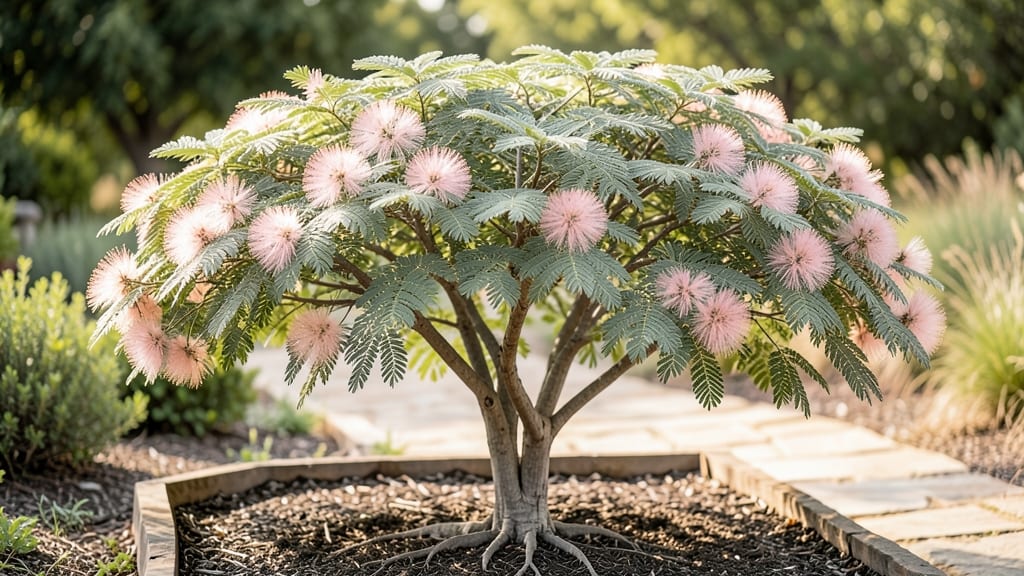
Pruning your Texas mimosa tree isn’t just about shaping branches—it’s about unlocking that signature fragrant canopy that makes this tree so special. 🌿 I’ve learned the hard way that cutting at the wrong time can strip away next year’s blooms, but with the right timing and technique, you’ll encourage lush, pink-flowered growth that fills your yard with sweet perfume.
The secret starts with understanding this tree’s love for Texas heat and drought. Plant it where it gets full sun and well-draining soil, then water deeply but infrequently—once established, it thrives on neglect.
Pruning’s best done in late winter or early spring, just as new growth begins, to avoid disturbing the delicate flower buds that form later in the season.
What you’ll end up with is a tree that stays compact, blooms prolifically, and resists pests better than unpruned specimens. The key is removing dead wood first, then thinning out crowded branches to let light and air circulate.
With each cut, you’re not just shaping the tree—you’re setting it up for a summer of showstopping blooms and that unmistakable, sweet scent.
Works for both urban yards and rural landscapes, and the same principles apply whether you’re dealing with a young sapling or a mature tree. Let’s get those shears out and shape that canopy the right way.
📚 In This Guide
- What you need
- Instructions
- Tips and common mistakes
- Wrapping up and next steps
What you need
- ● Pruning shears: Bypass pruners (sharp, 6-8 inch blades) for small branches.
- ● Loppers: 8-12 inch bypass loppers for medium-sized branches (up to 2 inches in diameter).
- ● Pruning saw: A curved-tooth pruning saw for thick branches (2+ inches in diameter).
- ● Gloves: Heavy-duty gardening gloves (cut-resistant for safety).
- ● Disinfectant: 70% isopropyl alcohol or a 10% bleach solution (for sterilizing tools between cuts).
- ● Heavy-duty trash bags: 30-gallon capacity (for collecting pruned branches).
- ● Ladder: Sturdy, extendable ladder (if your tree exceeds 6 feet in height).
- ● Safety goggles: To protect your eyes from debris.
- ○ Marking twine or tape: For identifying branches to remove (optional but helpful for planning).
- ● Tree wound dressing: Pruning sealant (controversial but useful for large cuts to prevent disease).
- ● Step stool: For shorter trees or hard-to-reach areas.
- ● Notebook & pen: To jot down notes on pruning decisions or tree health observations.
- ● Extension pole pruners: For high branches (if you prefer not to use a ladder).
- ● Mulch: Shredded bark or wood chips (to replenish mulch after pruning).
- ● Know your tree’s growth habits and seasonal cycle (Texas Mimosa blooms best after pruning in late winter/early spring).
- ● Check for diseases or pests (like mimosa webworm or powdery mildew) before pruning.
- ● Ensure the tree is healthy enough to handle pruning (avoid heavy cuts if the tree is stressed).
- ● Plan your cuts in advance—never remove more than 25% of the canopy in one session.
Step-by-step guide to pruning your Texas mimosa tree
Here's how to keep your fragrant Texas mimosa looking stunning all year.
✂️ Step 1: Prune in Late Winter to Early Spring
This is the best time to shape your Texas mimosa—before new growth begins. You'll want to remove dead, damaged, or crossing branches first, as these compete with healthy growth. Use sharp, clean pruners to make cuts just above a leaf node or bud, angled slightly downward to prevent water pooling.
Look for branches that rub against each other or grow inward—they'll eventually cause wounds and invite pests. I like to start with the outermost branches and work my way inward, giving the tree a natural, open shape. This encourages airflow and sunlight penetration, which your mimosa will thank you for with lush, fragrant foliage.
If your tree has leggy growth, prune back by one-third to encourage bushier growth. You'll see new shoots emerge within 4-6 weeks—that's your signal the tree is responding well.
✂️ Step 2: Light Summer Pruning for Shape and Health
After the initial spring pruning, your Texas mimosa will grow quickly. In late June or early July, do a light shaping pass to maintain its form. Focus on trimming back any overly long branches by 10-15% to keep the canopy balanced and prevent it from becoming top-heavy.
Watch for water sprouts—those fast-growing, vertical shoots that pop up in the center of the tree. These steal energy from the rest of the plant. Snip them off at the base immediately. You'll also want to thin out dense areas where sunlight can't reach the lower branches. A well-pruned mimosa will have a sunlit understory and fewer pest issues.
This is also a good time to harvest a few branches for bouquets if you love the fragrant foliage. Just don't take more than 20% of the tree's growth—you want to keep it thriving.
✂️ Step 3: Minimal Fall Pruning to Prepare for Winter
In October or November, before the first hard frost, do a light cleanup. Remove any branches that look diseased, discolored, or dead. The Texas mimosa is drought-tolerant but still benefits from a tidy shape heading into winter.
You can also prune back any branches that grew too vigorously during the summer, but avoid heavy pruning now—you don't want to stress the tree before dormancy. A little shaping now ensures a stronger spring flush of new growth.
If you notice brown or crispy leaves, that's normal in fall—they'll drop on their own. Don't prune healthy branches just because they look tired; the tree sheds naturally. Just remove the obviously dead wood to keep things neat.
✂️ Step 4: Post-Winter Inspection and Light Trimming
After winter, in early February, do a quick check for winter damage. Look for branches that have split, cracked, or died back from cold snaps. Prune these out immediately to prevent further harm.
This is also the time to shape up any awkward growth from the previous year. If your mimosa looks a little lopsided, now's the time to balance it out. A well-shaped tree will have even layers of branches from top to bottom, allowing sunlight to reach all parts of the canopy.
Here's the thing—Texas mimosa trees are forgiving. Even if you skip a year of pruning, they bounce back. But consistent, light pruning keeps them healthy, fragrant, and full of life for decades.
Tips & tricks for perfectly pruned Texas mimosa trees
Your Texas mimosa's fragrance and beauty depend on these simple tricks that'll keep it thriving year-round.
Tool Prep: Always sanitize your pruners with rubbing alcohol before and after use. I learned this the hard way after noticing my mimosa's cuts taking longer to heal—turns out, bacteria from previous cuts was spreading. Sterilizing your tools prevents infections and keeps your tree healthy. For larger branches, use a saw with a fine-tooth blade to avoid tearing the bark.
Seasonal Timing: The 4-6 week window after your spring pruning is critical—this is when you'll see those new shoots emerge as a sign your tree is responding well. If you notice slower growth, check your pruning cuts: they should be just above a bud or leaf node. Too high, and you'll leave a stub that can rot; too low, and you might damage the bud itself.
Water Sprout Watch: Those fast-growing water sprouts in the center of your tree are sneaky energy thieves. I've seen them pop up as early as late June, so start checking your mimosa's center every 2-3 weeks during summer. Snip them at the base immediately—they won't regrow from the cut surface, but they'll quickly drain nutrients from your tree's best branches.
Winter Damage Rescue: After winter's chill, look for branches that have split or cracked from cold snaps. These are your priority cuts in early February. Make clean cuts just outside the damaged area to remove dead wood completely. The tree will redirect its energy to healthier branches, giving you that stronger spring flush you want.
Pro Tips for Texas Mimosa Tree
- Your Texas mimosa's fragrance and beauty depend on these simple tricks that'll keep it thriving year-round.
- Tool Prep: Always sanitize your pruners with rubbing alcohol before and after use.
- Seasonal Timing: The 4-6 week window after your spring pruning is critical—this is when you'll see those new shoots emerge as a sign your tree is responding well.
Frequently asked questions
Got questions about pruning your Texas mimosa tree (Albizia julibrissin)?
You’re not alone! Whether you’re a first-time pruner or just want to keep your fragrant canopy thriving, here are answers to the most common queries.
When is the best time to prune a Texas mimosa tree?
The ideal time to prune is late winter to early spring (February–March in Texas), just before new growth begins. This timing minimizes stress on the tree and encourages healthy blooms. Light pruning can also be done in summer after flowering to maintain shape—but avoid heavy cuts then.
How much can I trim back my Texas mimosa without harming it?
You can safely remove up to 25–30% of the tree’s canopy in one session. Focus on dead, diseased, or crossing branches first, then thin out dense areas to improve airflow. Avoid over-pruning—mimosas regenerate quickly but may struggle with drastic cuts. Pro tip: Never remove more than 1/3 of the tree’s branches in a single year!
Will pruning affect the tree’s fragrant flowers?
Pruning encourages more flowers! Removing old wood and shaping the tree promotes new growth, which leads to denser, more abundant blooms. Just avoid cutting back flowering branches too aggressively—save heavy pruning for dormant seasons. Your mimosa will reward you with even more fragrant pink puffs next season!
Can I prune a Texas mimosa in summer to control its size?
Yes, but lightly! Summer pruning (June–August) helps maintain size, but avoid heavy cuts during peak heat. Focus on deadheading spent blooms and trimming wayward branches. Water the tree thoroughly after pruning to reduce stress. For major shaping, wait for cooler months.
My mimosa leaves are yellowing after pruning—what’s wrong?
Yellowing leaves are usually normal stress from pruning, especially if you cut too much at once. Ensure the tree gets consistent water and well-draining soil. If yellowing persists or spreads, check for overwatering, pests (like spider mites), or root issues. Fertilize lightly with balanced 10-10-10 in spring if needed.
Are there alternatives to Texas mimosa for fragrant shade?
If you love the fragrance but want low-maintenance options, consider:
- Crape Myrtle (Lagerstroemia) – Drought-tolerant, colorful blooms, and easy pruning.
- Anacacho Orchid Tree (Bauhinia) – Pink flowers and heat-resistant.
- Texas Mountain Laurel (Sophora secundiflora) – Fragrant purple blooms and deer-resistant.
Wrapping up and next steps
Pruning your Texas mimosa tree isn’t just about keeping its shape—it’s about unlocking its full potential for vibrant blooms and lush foliage year-round! 🌿 By following the right techniques, timing, and tools, you’ll ensure a healthy, fragrant canopy that thrives in Texas’s unique climate.
Whether you’re trimming for aesthetics, health, or growth, your efforts will pay off in stunning results.
Ready to take the next step? Grab your pruners, mark your calendar, and start planning your seasonal pruning schedule today. With a little care, your Texas mimosa will reward you with breathtaking beauty and effortless elegance! 🌸