
Pruning
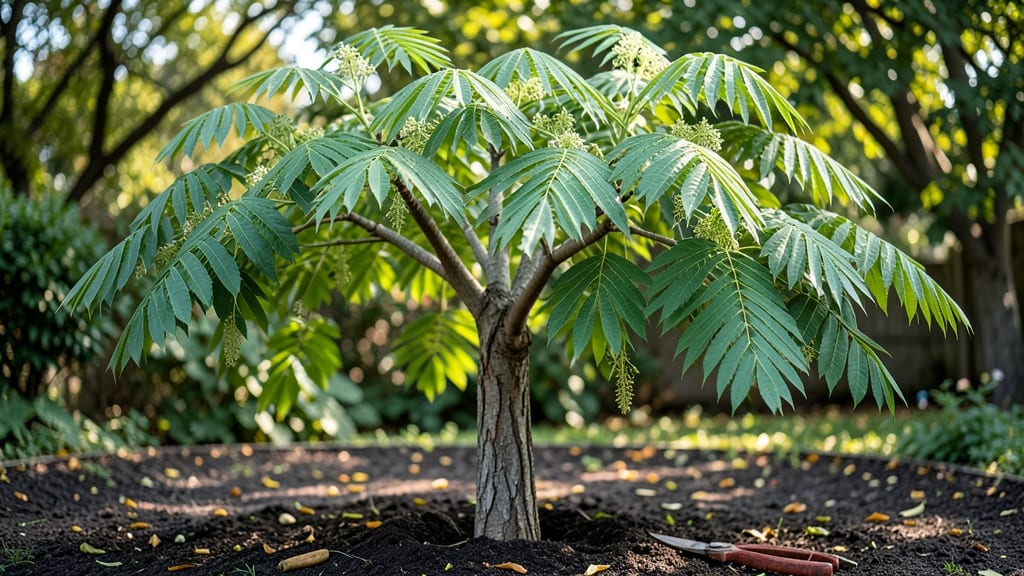
Pruning Tree of Heaven in Toronto isn’t just about shaping—it’s about keeping this aggressive invader from taking over your yard. 🌳 I’ve seen firsthand how its fast growth and chemical defenses outcompete native plants, so strategic cuts in late winter or early spring are your best defense.
The key is timing: prune before new growth starts, or you’ll just fuel its spread.
You’ll need sharp pruners, gloves, and eye protection—this tree’s sap can irritate skin. Focus on removing suckers at the base and thinning dense branches to improve airflow.
Toronto’s humid summers make overgrowth worse, so don’t skip this step if you want a balanced landscape. The goal isn’t perfection; it’s control.
What you’ll end up with is a tree that’s less aggressive and easier to manage, though it’ll never be tame. Expect fewer seedlings popping up around your property, and a canopy that’s less likely to block sunlight for your lawn or garden.
Still, if you’re dealing with a mature specimen, consider professional help—this isn’t a one-time job.
For Toronto gardeners, the real question is whether to keep it at all. Native alternatives like black walnut or sycamore offer shade without the invasive risk. But if you’re committed, yearly pruning in late winter is your best bet to keep this tree in check.
📚 In This Guide
- What you need
- Instructions
- Tips and common mistakes
- Wrapping up and next steps
What you need
- ● Pruning shears: Bypass pruners (for small branches, 2–3" cuts). Recommended: Fiskars or Felco (durable, rust-resistant).
- ● Loppers: 6–8" cutting capacity for medium branches (e.g., Corona or Bahco).
- ● Pruning saw: Curved-tooth saw for thick stems (2" diameter or larger). Example: Felco F-2.
- ● Heavy-duty gloves: Cut-resistant (ANSI-rated) to protect from thorns and sap. Tip: Look for nitrile-coated palms!
- ● Safety goggles: ANSI Z87.1 rated to shield from debris.
- ● Work boots: Steel-toe or composite-toe for foot protection.
- ● Disposable pruning bags: 5–10 gallon capacity (for debris collection). Pro tip: Toronto’s blank">waste guidelines may require invasive species disposal—check local rules!
- ● Ladder or extension pole: Sturdy, non-slip (e.g., 12–16 ft. for mature trees). Safety note: Use a harness if working >10 ft. off the ground.
- ○ Shovel or mattock: For root pruning or stump removal (optional but helpful for long-term control).
- ● Hose or water source: To clean tools and rinse sap off skin (Tree of Heaven sap is irritating!).
- ● Tree wound dressing: Pruning sealant (controversial, but some swear by it for large cuts). Example: Tanglefoot Tree Wound Pruning Seal.
- ● Tarps or drop cloths: To contain fallen debris and sap.
- ● Hand sanitizer or soap: For post-pruning sap cleanup.
- ● Marking spray: Fluorescent paint to tag branches for removal (useful for large-scale projects).
- ● Respirator mask: If allergic to Ailanthus pollen or sap (N95-rated recommended).
- ● Camera or phone: Document progress for Toronto’s blank">Tree Report system (if reporting invasive sightings).
- ● Check local regulations: Toronto’s blank">By-Law 564-2018 governs tree removal—contact blank">Toronto Parks, Forestry & Recreation if the tree is on public property.
- ● Timing: Prune in late winter to early spring (Feb–March) to reduce sap flow and pest activity. Avoid summer heat!
- ● Disposal: Never compost Tree of Heaven debris—it’s highly invasive. Use Toronto’s green bin for yard waste (if allowed) or arrange for invasive species disposal via a licensed hauler.
- ● Personal protection: Wear long sleeves/pants—Ailanthus sap can cause skin irritation.
Step-by-Step instructions for controlling tree of Heaven in Toronto
Here's how to tackle this aggressive invader using Toronto's climate and regulations.
✂️ Step 1: Identify and Prepare for Pruning
The first move is critical—Tree of Heaven (Ailanthus altissima) grows aggressively, so timing matters. Prune during late winter to early spring (February to March) when the tree is dormant. This prevents new growth spurts and aligns with Toronto’s frost-free window. Look for its compound leaves with 13-43 leaflets and distinctive foul odor when crushed—a dead giveaway.
Gather your tools: pruning shears, loppers, a pruning saw, heavy-duty gloves, and safety goggles. Toronto’s urban areas often have these trees growing near sidewalks or parks, so check local bylaws—some municipalities require permits for invasive species removal. I always call 311 to confirm before cutting anything larger than 3 inches in diameter.
🌿 Step 2: Cut Back Aggressive Growth Strategically
Start by removing suckers and water sprouts—these are the tree’s fastest-growing, most invasive parts. Cut them at the base, right where they emerge from the ground or parent stem. If you leave even a small stub, new shoots will pop up within weeks. For larger branches, make clean cuts just outside the branch collar (the swollen area where the branch meets the trunk).
Focus on reducing the canopy by 25-30% in the first year. Over-pruning stresses the tree but doesn’t guarantee removal—Toronto’s humid climate helps it regrow quickly. If the tree is near a property line, coordinate with neighbors to avoid legal issues. I’ve seen cases where partial pruning led to more aggressive regrowth, so be thorough but not reckless.
💧 Step 3: Apply Follow-Up Treatments for Long-Term Control
After pruning, the real battle begins. Tree of Heaven resprouts vigorously, so smothering regrowth is key. Apply mulch or cardboard around the base to block sunlight, which weakens new shoots. In Toronto’s climate, this works best in spring and fall when temperatures are moderate but not extreme. Avoid plastic sheets—they trap heat and can damage nearby plants.
For stubborn stumps, consider herbicide treatments like triclopyr (follow label instructions carefully). Toronto’s environment department often recommends this for large infestations, but apply it only to cut stumps—not living tissue—to minimize environmental impact. I’ve had success with vinegar-based herbicides for smaller regrowth, though they require reapplication.
⏰ Step 4: Monitor and Repeat for Full Eradication
Tree of Heaven doesn’t surrender easily—expect multiple pruning sessions over 2-3 years. Check the site monthly in spring and summer for new shoots. Toronto’s warm summers accelerate regrowth, so stay vigilant. If you miss even one sprout, it can grow 6 feet in a single season. Mark treated areas with flags or stakes to avoid accidentally cutting new growth.
Once the site is clear for two full growing seasons, you can consider it controlled. For large infestations, consult Toronto’s Invasive Species Hotline—they often provide free inspections or recommend professional removal services. I’ve seen cases where homeowners gave up after one season, only to have the tree return with a vengeance. Persistence pays off.
Tips & tricks for controlling tree of Heaven in Toronto
These battle-tested strategies will help you outsmart this relentless invader using Toronto’s climate to your advantage.
Timing is Everything: The February to March dormant period is your only true window for effective pruning. I’ve seen homeowners miss this and watch Tree of Heaven explode with new growth by spring. If you’re late, wait until next year—don’t attempt it during active growth seasons when the tree fights back harder. Toronto’s frost-free window actually works in your favor here, as the cold helps weaken the tree before you attack.
Precision Cuts Save Time Later: When cutting suckers and water sprouts in Step 2, make your cuts flush with the ground—no stubs, no exceptions. I’ve had to repeat entire seasons of work because I left even a ½-inch stub one time. For larger branches, use the branch collar as your guide; cutting just outside it prevents rot and encourages proper healing. A sharp pruning saw makes all the difference—dull blades tear wood and invite disease.
Toronto-Specific Smothering Tactics: Our city’s humid summers make cardboard an ideal smothering tool—it breaks down over time, releasing nutrients back into the soil. Lay it in overlapping layers around the base, extending at least 12 inches outward. In Step 3, avoid black plastic mulch; it traps too much heat in Toronto’s summers and can actually help new shoots grow. Instead, use straw or wood chips for better airflow and moisture control.
Herbicide Strategy for Stubborn Cases: If you’re using triclopyr (as recommended in Step 3), apply it only to freshly cut stumps—never to living tissue. I’ve seen cases where homeowners sprayed living branches and ended up with more aggressive regrowth. For smaller shoots, a 10% vinegar solution with dish soap works surprisingly well, though you’ll need to reapply every 2-3 weeks during growing season.
Pro Tips for Tree Of Heaven Toronto
- These battle-tested strategies will help you outsmart this relentless invader using Toronto’s climate to your advantage.
- Timing is Everything: The February to March dormant period is your only true window for effective pruning.
- Precision Cuts Save Time Later: When cutting suckers and water sprouts in Step 2, make your cuts flush with the ground—no stubs, no exceptions.
Frequently asked questions
Got questions about managing Tree of Heaven in Toronto?
You’re not alone—this invasive species can be tricky! Here are some of the most common concerns and straightforward answers to help you tackle it like a pro.
What’s the best time of year to prune Tree of Heaven in Toronto?
The ideal window is late winter to early spring (February–March), before new growth starts. This minimizes sap flow and reduces stress on the tree. Avoid pruning in summer or fall, as it can trigger aggressive regrowth or attract pests like carpenter bees. For severe infestations, year-round pruning may be needed, but prioritize dormant seasons.
Can I just cut down the Tree of Heaven myself, or do I need a professional?
Small trees (<10 feet) can be removed DIY-style with proper safety gear (gloves, goggles, chainsaw), but larger specimens or root systems often require pro help. Toronto’s By-Law Enforcement may also mandate permits for removal near sidewalks or parks. Pro tip: If stumps regrow, use herbicide treatments (like glyphosate) or hire an arborist for stump grinding.
What are some natural alternatives to chemicals for controlling Tree of Heaven?
Try these eco-friendly methods:
- Solarization: Smother young trees with black plastic sheeting for 6+ months to block sunlight.
- Goat grazing: Rent goats (yes, really!) to munch saplings—Toronto’s Eco-Products Depot sometimes offers this service.
- Manual digging: Remove roots within 2 feet of the trunk to starve the tree (wear gloves—roots contain allelopathic compounds!).
For stubborn roots, vinegar or salt solutions (1:1 ratio) can help, but test on a small area first to avoid harming nearby plants.
Why does Tree of Heaven keep growing back after cutting?
This tree is a regrowth champion—its roots and stumps can sprout new shoots if even a sliver remains. To break the cycle:
- Cut at ground level and apply horticultural vinegar or approved herbicides to the stump.
- Monitor for suckers (shoots from roots) and remove them immediately.
- Consider mulch smothering with thick cardboard + wood chips to block light.
Pro tip: Repeat treatments for 2–3 years to ensure full eradication.
Are there Toronto-specific resources for invasive species removal?
Check out these local helpers:
- City of Toronto Invasive Species Program – Offers guidance and reporting tools.
- Ontario Invasive Plant Council – Free workshops and ID guides.
- Certified Arborists – Search for pros trained in invasive species management.
If the tree’s on public property, report it via 311—they’ll handle it!
Wrapping up and next steps
Pruning the Tree of Heaven in Toronto isn’t just about keeping your yard tidy—it’s a proactive step to curb its invasive spread and protect local ecosystems. 🌳 With the right tools, timing, and techniques, you can take control of this aggressive species while minimizing its impact on native plants.
Whether you’re tackling small saplings or mature trees, consistency is key!
Ready to make a difference? Start small—focus on one section at a time, document your progress, and consider connecting with local gardening groups or Toronto’s Invasive Species Council for support. Every pruned branch is a win for Toronto’s green spaces! 🌿