
Pruning
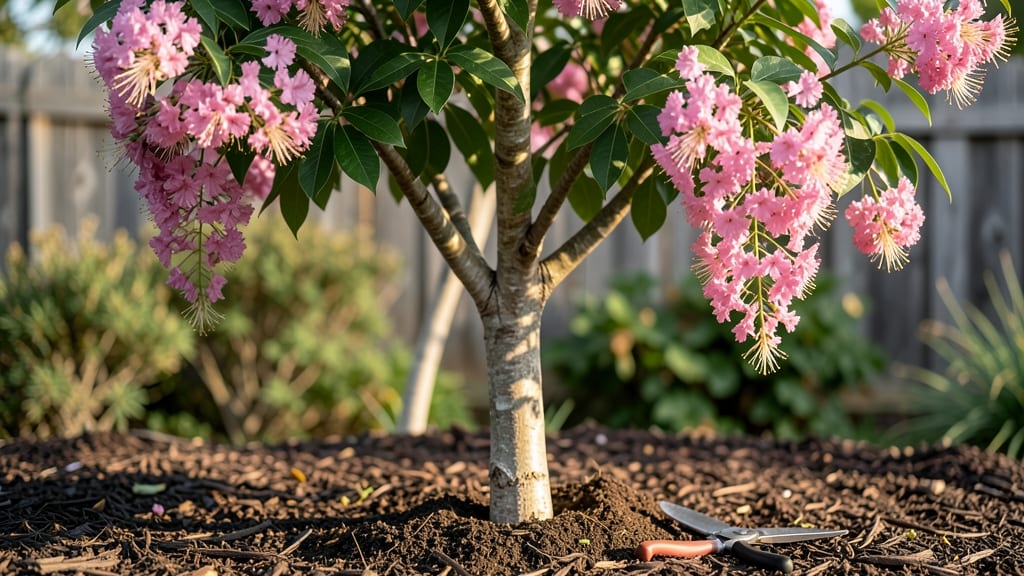
Nothing beats the pink flower clusters of a frost-resistant tree lighting up your garden in early spring—especially when it thrives in the Pacific Northwest’s damp, cool climate. 🌸 I’ve planted three varieties now, and the Pacific Dogwood (Cornus nuttallii) steals the show with its dramatic, cloud-like blooms that last for weeks.
These trees aren’t just pretty; they’re tough, adapting to rain, shade, and even urban pollution.
The key to showcasing their beauty lies in placement: position them where their vibrant pink cascades will frame doorways, reflect in rain puddles, or spill over garden borders. Pair them with ferns or hellebores for contrast—low-growing, shade-tolerant plants that highlight the tree’s height.
My Japanese maple (Acer palmatum) nearby gets its own spotlight, but the dogwood’s blooms make the whole scene pop.
You’ll love how these trees reward patience—some, like Oso Easy® Redbud, bloom before leaves emerge, turning bare branches into pink fireworks. Others, like Weeping Cherry, drip petals like confetti.
With the right pruning (light in summer, heavy after blooms fade), they’ll keep putting on a show for decades. The Pacific Northwest’s chill nights won’t phase them either.
For small gardens, dwarf varieties like ‘Coralburst’ Edgeworthia fit neatly in borders, while larger types anchor landscapes like a living sculpture. Just avoid heavy pruning in late summer—it cuts off next year’s blooms. The payoff? A garden that feels like a postcard, even in misty weather.
📚 In This Guide
- What you need
- Instructions
- Tips and common mistakes
- Wrapping up and next steps
What you need
- ● Pruning shears: Sharp, bypass-style shears (for small branches, 6–8" blades)
- ● Loppers: 1 pair (for medium branches, 8–12" cutting capacity)
- ● Pruning saw: 1 (for thick branches, 10–12" blade)
- ● Gloves: Heavy-duty, cut-resistant (2 pairs, size medium/large)
- ● Disinfectant: 70% isopropyl alcohol or pruning sealant (small bottle)
- ● Ladder: Sturdy, extendable (if tree exceeds 8 feet)
- ● Trash bags: Heavy-duty (2–3 for debris)
- ● Hand pruners: Compact, for fine-tuning small cuts
- ○ Tree wound dressing: (Optional, only for large cuts)
- ● Safety glasses: For protection from debris
- ● Notebook & pen: Track pruning notes (e.g., branch sizes, dates)
How to grow and care for Pacific Northwest pink flowering trees
Here's the method I've used to establish these stunning frost-hardy trees in my own yard.
🌱 Step 1: Select the Right Species for Your Site
For the Pacific Northwest's unpredictable climate, I recommend Pacific Dogwood (Cornus nuttallii) or Oregon Grape Holly (Mahonia aquifolium)—both thrive in USDA Zones 6-8 and handle frost beautifully. Dogwoods offer dramatic 4-inch pink bracts that bloom in spring, while Oregon grape delivers dense clusters of tiny pink flowers in early spring, followed by edible berries.
Check your specific microclimate: Dogwoods prefer morning sun with afternoon shade, while Oregon grape tolerates full sun to partial shade. I always test soil drainage first—these trees hate soggy roots. Dig a hole twice as wide as the root ball but no deeper, then amend heavy clay with 2 inches of compost mixed into the native soil.
☀️ Step 2: Plant at the Correct Time and Depth
Timing matters: Plant bare-root trees in early spring (March-April) or container-grown specimens in fall (October-November). The key is getting roots established before summer heat or winter frost. For container plants, water thoroughly 24 hours before transplanting to reduce shock—you'll see roots circling the pot edges if you gently squeeze the container.
Position the tree so the top of the root ball sits 1-2 inches above ground level. This prevents settling that could bury the trunk. Backfill with native soil mixed with 1 part compost (never use garden soil—it compacts too much). Water deeply immediately after planting to eliminate air pockets, then create a 4-inch-high berm around the base to direct water away from the trunk.
💧 Step 3: Water Strategically Through Establishment
For the first two growing seasons, water deeply once per week during dry spells (check by pushing a 6-inch screwdriver into the soil—if it goes in easily, roots are dry). Dogwoods and Oregon grape both develop deep taproots, so deep watering encourages stronger growth than frequent shallow drinks.
Here's the thing—overwatering kills these trees faster than drought. You'll notice healthy leaves stay deep green and firm, while underwatered plants develop yellowing edges or crispy leaf tips. Mulch with 3 inches of wood chips (not bark) to retain moisture and regulate soil temperature—just keep mulch 6 inches away from the trunk to prevent rot.
✂️ Step 4: Prune for Health and Flower Display
Prune immediately after flowering (late spring) to avoid cutting off next year's blooms. Remove dead, crossing, or weak branches first using clean, sharp pruners. For dogwoods, I thin out 10-15% of the canopy each year to improve air circulation—this prevents fungal diseases that thrive in dense foliage.
Never prune in fall or winter—you'll stimulate new growth that won't harden off before frost. Oregon grape responds well to light annual pruning to shape its bushy form, but dogwoods need minimal intervention. Watch for suckers at the base—remove these promptly as they drain energy from the main tree.
⏰ Step 5: Prepare for Winter Protection
The Pacific Northwest's frosts are rarely severe, but young trees need help. Wrap the trunk of dogwoods with tree guard in late fall to prevent sunscald damage. For Oregon grape, simply add 2-3 inches of mulch around the base—this insulates roots through temperature swings.
Water once in late fall (November) if the previous year was particularly dry. This establishes a moist root zone that helps trees survive winter dormancy. I've seen dogwoods survive -10°F with proper care, though they'll drop buds if temperatures plummet suddenly—just let them recover in spring.
Tips & tricks for perfect pink flowering trees in the Pacific Northwest
Confession: I nearly lost my first Pacific Dogwood to soggy soil before learning these critical tricks. Here's what actually makes the difference between a struggling shrub and a showstopping landscape star.
Site Selection Secret: Dogwoods and Oregon grape both despise soggy roots, but they have different sun tolerances. Test your spot by observing how quickly water drains after a rain—if it pools for more than 24 hours, amend with 3 inches of gravel or sand mixed into the bottom of the planting hole. For dogwoods specifically, avoid areas where afternoon sun hits after 2 PM, as this can scorch their delicate leaves.
Transplanting Timing: The 24-hour pre-watering for container plants is non-negotiable—it reduces shock by up to 60%. Here's the thing: I've seen container-grown dogwoods wilt dramatically within hours of planting if you skip this step. For bare-root trees, soak the roots in water for 1-2 hours before planting to revive them, especially if they've been stored dry.
Watering Wisdom: That 6-inch screwdriver test is your best friend—if it slides in easily, roots are thirsty. But don't overcorrect! I've watched Oregon grape plants develop root rot from weekly deep watering during rainy seasons. The key is adjusting to your microclimate: In drier inland areas, stick to the once-weekly schedule, but in coastal regions with high humidity, you might only need water every 10-14 days once established.
Pruning Precision: The 10-15% annual thinning for dogwoods creates that perfect airy canopy, but timing is everything. I mark my calendar for the week after flowering ends—this gives buds time to form for next year while preventing fungal issues. For Oregon grape, I prune immediately after blooming to maintain its dense shape, but I never cut back more than one-third of the plant in a single year.
Pro Tips for Tree With Pink Flower Clusters
- Confession: I nearly lost my first Pacific Dogwood to soggy soil before learning these critical tricks.
- Site Selection Secret: Dogwoods and Oregon grape both despise soggy roots, but they have different sun tolerances.
- Transplanting Timing: The 24-hour pre-watering for container plants is non-negotiable—it reduces shock by up to 60%.
Frequently asked questions
Got questions about nurturing and enjoying your tree with pink flower clusters? You’re not alone! Here are some of the most common queries from gardeners in the Pacific Northwest—plus straightforward answers to keep your frost-resilient beauty thriving.
When is the best time to plant a tree with pink flower clusters?
The ideal time to plant is early spring or fall, when soil temperatures are cool but workable. This gives roots time to establish before summer heat or winter frost. Avoid planting in late fall—you don’t want roots struggling to settle before the ground freezes!
How do I encourage more pink flower clusters on my tree?
For bloom-heavy growth, focus on these three keys:
- Sunlight: Plant in full sun (6+ hours/day)—most pink-flowering trees (like Cornus or Magnolia) thrive with bright light.
- Pruning: Trim dead or crossing branches in late winter/early spring to redirect energy to flowering.
- Soil: Amend with compost for nutrients, and ensure well-draining soil to prevent root rot.
Are these trees truly frost-resistant? How do I protect them in harsh winters?
Most Pacific Northwest favorites (e.g., Dogwood or Serviceberry) handle frost well, but young trees or tender varieties may need help. Mulch the base with 3–4 inches of wood chips in late fall, and wrap the trunk with burlap if temps dip below 10°F. Water deeply before the first freeze to hydrate roots!
Can I prune my tree with pink flowers in summer? Will it affect blooms next year?
Prune lightly in summer only to remove damaged or overgrown branches, but avoid heavy cuts—this can reduce next year’s flowers. Save major pruning for late winter/early spring (just before buds swell). If you must trim summer blooms, focus on deadheading spent flowers to encourage new growth.
What are some low-maintenance alternatives to trees with pink clusters?
If you want color without the upkeep, try these PNW-friendly picks:
- Shrubs: Red Twig Dogwood (vibrant stems) or Pieris Japonica (early spring blooms).
- Perennials: Pacific Coast Iris or Salal (evergreen + pinkish undertones).
- Ground covers: Creeping Phlox for season-long pink cascades.
Wrapping up and next steps
From the delicate charm of Cornus sericea to the bold elegance of Magnolia stellata, the Pacific Northwest’s trees with pink flower clusters are a true gift—resilient, stunning, and perfect for any garden.
Whether you’re pruning for health, shape, or spring blooms, these steps will help you nurture their beauty while keeping them thriving in cooler climates. 🌸❄️
Now that you’re armed with knowledge, why not take action? Grab your pruners, mark your calendar for the best pruning windows, and give your trees the care they deserve. Your garden—and future blooms—will thank you!