
Pruning
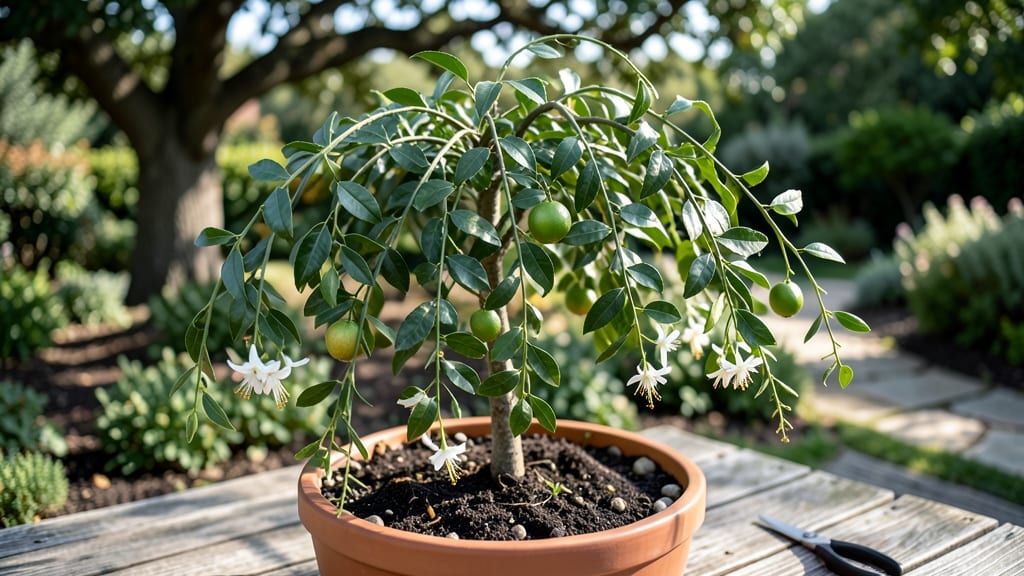
The weeping dragon orange tree transforms any space into a tropical dream with its cascading branches and glossy leaves. 🌿 I’ve pruned mine for three seasons now, and the difference between a wild, leggy plant and a graceful, productive specimen is all in the timing and technique.
This isn’t just about keeping it small—it’s about shaping those elegant drapes of foliage while encouraging blooms and fruit.
Pruning year-round keeps your tree compact, healthy, and ornamentally stunning—even in containers. You’ll need sharp bypass pruners, a clean workspace, and about 20 minutes every few months.
The key is balancing growth: trim back leggy branches in spring, shape the weeping habit in summer, and do light maintenance in fall to prep for winter. Cold snaps? Move it indoors or protect it with burlap.
By winter, you’ll see a tree that looks like it belongs in a conservatory, with velvety new growth and clusters of tiny white flowers. The fruit might be small, but the aroma alone makes it worth the effort.
And if you’re growing it for show, the contrast of bright orange fruit against the dark green leaves? Pure magic.
Works for patios, balconies, or sunny windowsills—just match the pot size to the tree’s eventual spread. Here’s how to keep it thriving all year, from first prune to last frost. Let’s get shaping!
📚 In This Guide
- What you need
- Instructions
- Tips and common mistakes
- Wrapping up and next steps
What you need
- ● Pruning shears: Bypass pruners (sharp, 6–8" blades) for clean cuts on small branches.
- ● Loppers: Bypass or anvil type (8–12" blades) for thicker branches (½"–1.5" diameter).
- ● Hand pruners: Felco or similar (for precision cuts on tiny stems).
- ● Disinfectant: 70% isopropyl alcohol or hydrogen peroxide (3%) (to sterilize tools between cuts).
- ● Rubbing alcohol wipes: Pre-moistened (for quick tool sanitization).
- ● Gloves: Garden gloves (nitrile-coated for grip and protection).
- ○ Pruning sealant: Optional but helpful (e.g., Tanglefoot Tree Wound Pruning Sealer for larger cuts >½").
- ● Bucket or tray: Small (to collect clippings for composting or disposal).
- ● Twine or zip ties: For temporary support if training new growth.
- ● Timing: Prune in late winter/early spring (just before new growth) or lightly after fruiting (avoid heavy pruning in summer).
- ● Weather: Mild, dry day (no rain forecast for 24 hours post-pruning).
- ● Safety: Wear long sleeves/pants (citrus trees can have thorns!).
- ● Research: Sketch your tree’s current shape or take photos before starting (helps visualize goals!).
Step-by-Step pruning guide for your weeping dragon orange tree
This is how I keep my dwarf citrus looking lush and productive all year—no over-trimming, just strategic cuts.
✂️ Step 1: Spring Cleanup for New Growth
Start in late winter or early spring when new growth begins but before buds swell. Remove any dead, diseased, or crossing branches first—these are your priorities. I use sterilized pruning shears to make clean cuts just above a leaf node or outward-facing bud. This prevents unsightly stubs and encourages outward growth.
Next, trim back any overly long branches by one-third to maintain the weeping shape. You'll notice the tree's natural cascade starts to form again. Avoid cutting into the trunk or main scaffold branches—these provide structural support. If you see water sprouts (thin, vertical shoots), remove them completely. These steal energy from fruit production.
☀️ Step 2: Summer Maintenance for Airflow and Fruit Bearing
Mid-summer is about light shaping, not heavy pruning. Thin out crowded branches to improve airflow—this prevents fungal issues like citrus blight. Look for areas where leaves rub together or branches grow inward. Snip these back to just above a healthy bud using your shears at a 45-degree angle to prevent water pooling.
Here's the thing—never remove more than 20% of the foliage in one session. Your tree needs leaves to photosynthesize and produce those sweet oranges. I like to do a quick once-over every 4-6 weeks during summer, just touching up any branches that look overgrown or leggy. You'll see the tree's natural weeping habit reassert itself as you encourage outward growth.
⏰ Step 3: Fall Preparation for Winter Dormancy
In late fall, focus on reducing leaf density by about 10-15% to help the tree enter dormancy more easily. Remove any yellowing or diseased leaves—these can harbor pests over winter. Cut back any overly vigorous shoots that grew during summer, trimming to just above a leaf node where new growth can emerge in spring.
This is also when I do my final shape check. Step back and look at your tree—does it still have that elegant weeping silhouette? If branches have grown too upright, make small cuts to encourage them to bend downward naturally. Avoid heavy pruning now; you want the tree to store energy for next year's fruit production. Water deeply after pruning to help the tree recover.
🌱 Step 4: Winter Pruning for Structure and Light
Winter is not the time for heavy pruning, but you can do light structural adjustments in mild winter months (when temperatures stay above 40°F). Remove any dead wood first—this is non-negotiable. Then, look for weak or crossing branches and trim them back to a strong union or outward-facing bud.
Here's what I do differently in winter: I avoid cutting back flowering wood unless absolutely necessary. Your tree's blooms will become next year's fruit. Instead, focus on opening up the center of the tree slightly to let light reach the inner branches. You'll see new growth emerge in early spring from these cuts, and the tree will reward you with even more beautiful weeping branches.
Tips & tricks for perfect weeping dragon orange tree pruning
Took me years to master these pruning secrets—here's how to keep your dwarf citrus thriving without over-trimming.
Tool Prep: Sterilize your pruning shears with rubbing alcohol between cuts, especially in Step 1 when removing dead branches. I keep a small bottle in my gardening toolkit—this prevents spreading disease between cuts. Sharp, clean tools make precise cuts that heal faster, so take 2 minutes to sharpen blades if they feel dull. This is particularly important when working with the delicate weeping branches.
Seasonal Timing: The 4-season schedule in the instructions works because it aligns with your tree's natural growth cycles. In Step 1, watch for those tiny green buds at the branch tips—they signal it's time to prune. For summer maintenance (Step 2), I set a reminder every 6 weeks to check for overcrowding. The key is consistency: those 4-6 week intervals prevent fungal issues by maintaining proper airflow without shocking the tree.
Shape Maintenance: When trimming back branches by one-third in Step 1, visualize the weeping silhouette you want. I like to step back every few cuts to check the overall shape—this prevents that "windblown" look some trees develop. For upright branches in Step 3, make small cuts just above a bud that faces outward. The tree will grow toward that bud, encouraging that elegant downward cascade.
Winter Caution: That 40°F minimum in Step 4 isn't arbitrary—citrus trees are sensitive to cold. I've learned this the hard way after seeing new cuts freeze in colder weather. If you live in a colder climate, wait until late winter when nighttime temperatures consistently stay above 40°F. For indoor trees, you can prune anytime, but avoid heavy cuts during winter dormancy—your tree needs all its energy for spring blooms.
Pro Tips for Weeping Dragon Orange Tree
- Took me years to master these pruning secrets—here's how to keep your dwarf citrus thriving without over-trimming.
- Tool Prep: Sterilize your pruning shears with rubbing alcohol between cuts, especially in Step 1 when removing dead branches.
- Seasonal Timing: The 4-season schedule in the instructions works because it aligns with your tree's natural growth cycles.
Frequently asked questions
Got questions about keeping your Weeping Dragon Orange Tree pruned and thriving? Here are some of the most common ones—plus straightforward answers to help you master year-round care!
How often should I prune my Weeping Dragon Orange Tree?
Prune your Weeping Dragon lightly every 4–6 weeks to maintain its elegant shape and encourage lush foliage. Focus on removing dead, crossing, or overgrown branches during the growing season (spring through fall). Avoid heavy pruning in winter—stick to light shaping to avoid stressing the tree. Pro tip: Use sterilized tools to prevent disease!
Can I prune my Weeping Dragon in winter?
Winter is not ideal for heavy pruning, but you can do minimal shaping to remove deadwood or weak growth. Since citrus trees are semi-dormant, avoid cutting back more than 20% of the canopy. If you must prune, wait until late winter (just before buds swell) to minimize shock. Warning: Cold snaps can stress fresh cuts—cover the tree if frost is forecasted!
What’s the best way to prune for a "weeping" look?
To enhance the weeping habit, focus on:
- Selective thinning: Remove upward-growing branches to encourage a cascading shape.
- Tip pruning: Lightly trim the tips of branches to promote bushier, drooping growth.
- Avoid over-shearing: Let natural branches drape—this defines the "weeping" aesthetic!
Will pruning affect fruit production?
Pruning can reduce fruit in the short term, but it boosts long-term health and yield by improving airflow and sunlight. If you love oranges, prune moderately—focus on removing only weak or crowded branches. For heavy fruit loads, consider thinning fruit (not pruning) to prevent branch breakage. Bonus: Smaller, sweeter oranges often result from balanced pruning!
What if my Weeping Dragon’s leaves turn yellow after pruning?
Yellowing leaves are often a sign of stress—common after heavy pruning. Check for:
- Over-pruning: Stick to <20% of the canopy per session.
- Underwatering: Increase watering slightly post-prune (but avoid soggy soil!).
- Nutrient deficiency: Fertilize with citrus-specific food 4–6 weeks after pruning.
Wrapping up and next steps
The Weeping Dragon Orange Tree isn’t just a stunning addition to your garden—it’s a low-maintenance masterpiece when you embrace year-round pruning. By mastering the art of shaping, disease prevention, and fruit optimization, you’ll unlock its full potential, blending beauty with bounty. 🌿✨
Ready to transform your dwarf citrus into a showstopper? Start small: grab your tools, schedule your first trim, and observe how your tree responds. Each snip is a step toward a healthier, more vibrant Weeping Dragon—so why wait? Your citrus paradise starts now!