
Blooming
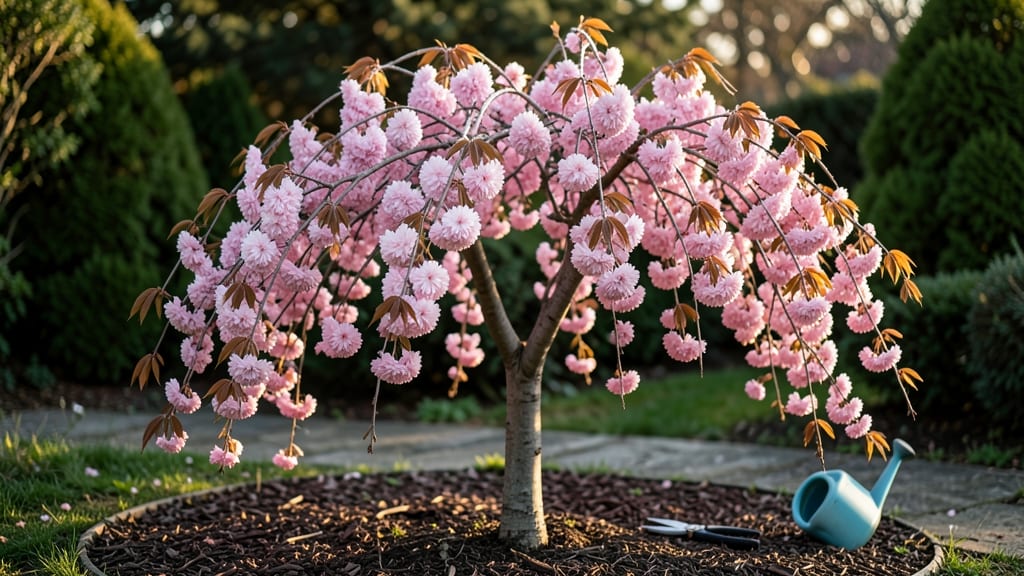
The weeping pink cherry blossom tree transforms any Pacific Northwest yard into a dreamy springtime scene. I planted mine last April, and now it's the star of the neighborhood—those cascading pink blooms against the gray skies are pure magic.
The key isn't just picking the right tree; it's understanding how to prune it for our wet winters and unpredictable frosts.
This cultivar thrives in partial shade with well-draining soil, but the real secret is winter pruning. Most gardeners cut back too late, risking frost damage to new growth. I've learned to prune in late winter when buds swell but before leaves emerge—this ensures blooms arrive earlier and last longer.
The branches need shaping too; think of it like sculpting a living waterfall.
By summer, you'll have a tree that's not just pretty but resilient. Those pink blossoms will return year after year, and the tree's natural shape means it fits perfectly in small yards or as a focal point near patios.
The best part? It attracts pollinators while keeping maintenance simple once you get the pruning rhythm right.
Whether you're a beginner or a seasoned gardener, this approach works for our climate. The tree handles our rainy winters and cool summers beautifully—just give it the right care now, and it'll reward you for decades. Let's get those branches shaped for next spring's show.
📚 In This Guide
- What you need
- Instructions
- Tips and common mistakes
- Wrapping up and next steps
What you need
- ● Pruning shears: Bypass pruners (sharp, clean, and disinfected with rubbing alcohol). Size: 6–8 inches for medium branches.
- ● Loppers: For thicker branches (up to 2 inches in diameter). Quantity: 1 pair.
- ● Hand saw: Pruning saw with a curved blade for stubborn, larger branches. Type: Bow saw or pruning saw.
- ● Garden gloves: Heavy-duty, cut-resistant gloves (PNW branches can be spiky!). Material: Leather or synthetic blend.
- ● Disinfectant: 70% isopropyl alcohol or copper-based pruning spray to prevent disease spread.
- ○ Pruning sealant: Optional but helpful for sealing large cuts (e.g., Tree Seal Tape).
- ● Extension pole: 6–10 ft telescoping pole with a saw attachment (for high branches).
- ● Bucket or bag: For collecting pruned branches (5-gallon capacity recommended).
- ● Ladder: Sturdy, non-slip ladder (8–12 ft, depending on tree height). Safety tip: Use a helper or ladder stabilizers!
- ● Timing: Prune in late winter or early spring (before buds swell) to avoid frost damage. PNW ideal window: February–March.
- ● Weather: Choose a dry, overcast day (humidity slows healing). Avoid pruning if rain is forecasted within 24 hours.
- ● Safety gear: Safety glasses and long sleeves/pants (branches can snap unexpectedly!).
- ● Tree health check: Inspect the tree for diseases (e.g., bacterial canker) or pests before pruning. Action: Treat issues first!
- ● Map of the tree: Sketch a rough outline of the tree’s structure to visualize cuts. Pro tip: Use a colored marker to mark branches to remove.
- ● Sharpener: File or pruner sharpener to maintain tool edges.
- ● Tree food: Organic fertilizer (e.g., 10-10-10) to nourish the tree post-pruning.
- ● Camera: Snap before/after photos to track progress!
- ● Compost bin: For recycling pruned branches into mulch.
Step-by-Step pruning for a thriving weeping pink cherry blossom in the PNW
Here’s how to shape your tree for stunning blooms while protecting it from our region’s chilly winters.
Prune at the Right Time to Protect Blooms
Timing is everything with cherry blossoms. Prune immediately after flowering but before new growth begins—typically in late May or early June in the Pacific Northwest. This ensures you don’t cut off flower buds for next year’s blooms, which form on last year’s wood. If you prune too early, you risk removing next season’s blossoms entirely.
Wait until the petals have fully fallen and the tree shows signs of fresh leaf growth. You’ll notice new leaves unfurling along the branches—this is your cue. Avoid pruning in fall or winter, as cold stress weakens the tree and makes it vulnerable to disease.
Remove Dead, Diseased, or Crossing Branches
Start by inspecting the tree for any branches that are dead, diseased, or rubbing against each other. Dead branches are easy to spot—they’re brown, brittle, and often snap when touched. Diseased branches may have dark spots, oozing sap, or unusual growths. Use clean, sharp pruning shears to make clean cuts at a 45-degree angle, just outside the branch collar where it meets the trunk.
Crossing branches compete for sunlight and nutrients, weakening the tree’s structure. Remove one of the branches entirely, cutting back to a healthy bud or lateral branch. Never leave stubs—this invites decay. If a branch is too thick to cut by hand, use a pruning saw. Work methodically, stepping back occasionally to assess the tree’s shape.
Thin the Canopy for Airflow and Light
The weeping habit of this tree means branches naturally droop, but dense growth can still block light and airflow. Focus on thinning the canopy by selectively removing branches that grow inward or downward. Aim to open up the center of the tree to 30-40% of its original density—this prevents fungal diseases like powdery mildew, which thrive in damp, shaded conditions.
Look for branches that grow at sharp angles or create a crowded look. Cut these back to a lateral branch or bud facing outward. Avoid over-thinning, as this can stress the tree. A well-thinned canopy ensures even sunlight exposure, which is critical for vibrant pink blooms. Step back frequently to visualize the tree’s silhouette—you want an elegant, balanced shape that highlights its weeping form.
Shape the Tree for Frost Resistance
The Pacific Northwest’s frost can damage tender new growth, so pruning to encourage a sturdy structure is key. Focus on reducing the weight of the weeping branches by shortening overly long limbs. Cut back to a strong lateral branch or bud, ensuring the remaining branch can support its own weight without sagging. This also improves air circulation, reducing frost pockets where cold air collects.
If a branch is too heavy or weak, consider removing it entirely rather than risking breakage. Avoid excessive pruning—never remove more than 25% of the tree’s foliage in one season. A gradual approach keeps the tree healthy and resilient. After pruning, apply a thin layer of dormant oil spray (if needed) to protect against overwintering pests like scale or mites.
Clean Up and Monitor for Recovery
Once pruning is complete, gather and dispose of all clippings—never leave them on the ground, as they can harbor disease. Sterilize your tools with rubbing alcohol to prevent spreading pathogens to other trees. Water the base of the tree deeply to help it recover, especially if the pruning was extensive. You’ll see new growth emerge within 4-6 weeks, signaling the tree is healing well.
Monitor the tree for signs of stress, such as yellowing leaves or wilting branches. If you notice any issues, adjust your care—mulch around the base to retain moisture and protect roots from temperature fluctuations. With proper pruning, your weeping pink cherry blossom will reward you with abundant, frost-resistant blooms for years to come.
Tips & tricks for perfect weeping pink cherry blossom pruning
Mastering the art of pruning your weeping cherry blossom means paying attention to details that make all the difference. Here’s what I’ve learned after years of shaping these delicate trees in our region’s climate.
Timing is Everything: The window between late May and early June is non-negotiable for PNW pruning. I’ve seen too many trees lose next year’s blooms because someone pruned too early. Look for fully fallen petals and those first fresh leaves unfurling—that’s your exact cue. Pro tip: Set a reminder for late May each year, because missing this window means sacrificing next spring’s pink spectacle.
Branch Angle Matters: When making those 45-degree cuts in Step 2, think about the natural growth pattern of your tree. Always cut just outside the branch collar where the branch meets the trunk—this is where the tree’s healing begins. I’ve found that making clean cuts prevents water from pooling, which can lead to rot. For thicker branches, use your pruning saw and make the cut on the underside of the branch to avoid tearing the bark.
Canopy Thinning Strategy: That 30-40% thinning target in Step 3 isn’t arbitrary—it’s about striking the perfect balance. I like to visualize removing every other inward-growing branch first, then stepping back to assess. The goal is to create a silhouette that shows off the tree’s natural weeping form while allowing sunlight to reach all branches. Think of it like opening a curtain—you want just enough light to filter through without letting in too much wind.
Frost Protection Secret: After pruning, I always check for those frost pockets where cold air collects. Focus on reducing branch weight by shortening long limbs—this helps prevent frost damage to tender new growth. And here’s what nobody tells you: If you notice any branches that look weak after pruning, consider removing them entirely rather than risking breakage during our winter storms. It’s better to lose one branch than the whole tree.
Pro Tips for Weeping Pink Cherry Blossom Tree
- Mastering the art of pruning your weeping cherry blossom means paying attention to details that make all the difference.
- Timing is Everything: The window between late May and early June is non-negotiable for PNW pruning.
- Branch Angle Matters: When making those 45-degree cuts in Step 2, think about the natural growth pattern of your tree.
Frequently asked questions
Got questions about your weeping pink cherry blossom tree?
We’ve got answers! Whether you’re a first-time grower or a seasoned gardener, these FAQs will help you keep your tree thriving—especially in the Pacific Northwest’s frosty climate.
When is the best time to prune my weeping pink cherry blossom tree?
Prune your tree late winter or early spring (before buds swell but after frost risk passes). This timing ensures you remove dead wood while avoiding late-season pruning, which can stimulate tender growth vulnerable to cold snaps. Pro tip: If you must prune later, do so before October to allow wounds to heal before winter.
How do I encourage more blooms on my weeping cherry blossom?
Blooms thrive with open airflow and balanced pruning. Thin out crowded branches to reduce disease risk and improve sunlight penetration. Avoid heavy pruning in summer—focus on shaping in winter. Bonus: Fertilize lightly in early spring with a low-nitrogen, high-phosphorus blend to support flowering.
Will my weeping cherry blossom survive PNW winters?
Yes! These trees are hardy to USDA Zones 5-8, but young trees or newly planted ones may need winter protection. Wrap the trunk with burlap or use tree guards to shield against gnawing rodents. Mulch the root zone with 3–4 inches of wood chips to insulate roots.
What should I do if my tree’s branches are drooping or dying?
Drooping branches often signal overwatering, root rot, or frost damage. First, check the soil—it should be moist but not soggy. If roots are mushy, improve drainage by amending soil with compost or sand. For frost damage, prune dead branches cleanly (use sterilized tools!) and avoid heavy pruning until spring.
Are there dwarf or alternative varieties for small spaces?
Consider ‘Akebono’ (dwarf weeping cherry) or ‘Shirofugen’ (compact, pink blooms). Both stay under 10–15 feet tall and are perfect for patios or small yards. Just ensure they get 6+ hours of sunlight daily—even dwarfs need room to breathe!
Still stumped?
Drop your question in the comments—we’re happy to help your tree blossom like a PNW dream!
Wrapping up and next steps
The weeping pink cherry blossom tree isn’t just a stunning addition to your Pacific Northwest garden—it’s a symbol of resilience and beauty. By mastering frost-proof pruning techniques, you’ll ensure vibrant blooms year after year while keeping your tree healthy and thriving.
Now’s the perfect time to roll up your sleeves and give your tree the care it deserves!
Ready to transform your outdoor space? Start by scheduling your first pruning session this fall—before winter’s chill sets in. With the right tools, knowledge, and a little patience, your weeping cherry blossom will reward you with breathtaking pink cascades for seasons to come. Happy pruning! 🌸✂️