Pruning
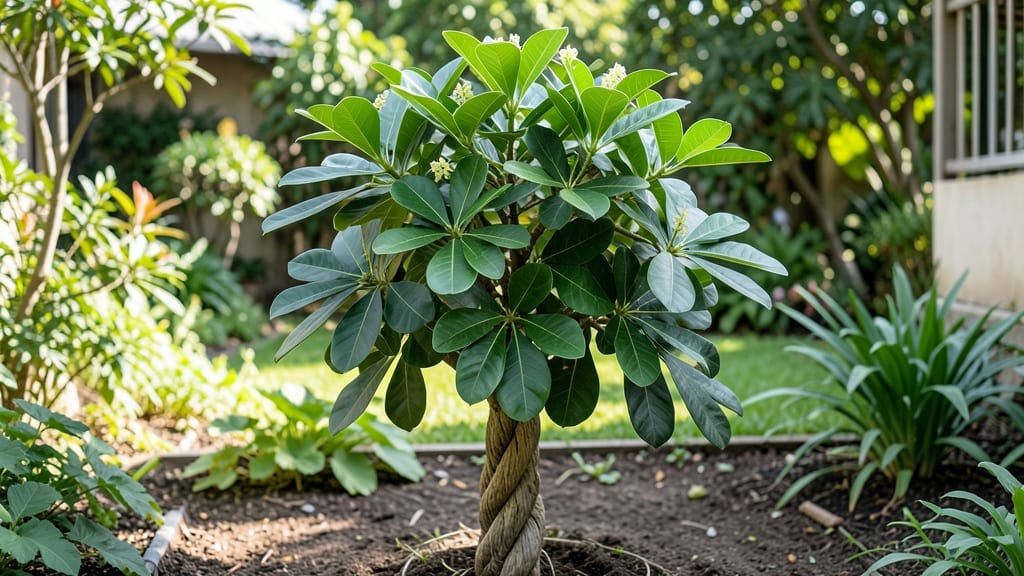
What’s a money tree?—that thriving Pachira aquatica—isn’t just a houseplant, but a symbol of luck and lush foliage, with its five-leaf clusters promising prosperity while adapting beautifully to Pacific Northwest homes with the right care. 🌿 I’ve grown mine for years, and the secret isn’t complicated: bright indirect light, occasional watering, and a little patience to watch those glossy leaves fill out.
The first time I propagated a cutting, I was surprised by how easily roots formed in water—now I share that trick to help yours grow too.
This tropical tree loves warmth but adapts well to indoor spaces, making it perfect for apartments or sunrooms where temperatures stay mild.
A well-draining potting mix and a pot with drainage holes prevent soggy roots, while occasional misting keeps the air around its leaves humid enough to mimic its native rainforest home.
Common varieties like the ‘Money Tree’ or ‘Jade Tree’ both bring that signature five-leaf charm, though some growers swear by the ‘Golden Money Tree’ for its variegated foliage.
You’ll notice new growth within weeks if you keep the soil lightly moist and avoid drafts—just don’t overwater, or those yellowing leaves will signal trouble. Pruning back leggy stems encourages bushier growth, and rotating the pot occasionally ensures even sunlight exposure.
The best part? This plant grows slowly but steadily, rewarding your care with a fuller canopy year after year, even in the damp Pacific Northwest climate.
Whether you’re starting with a cutting or a nursery plant, the key is consistency. Troubleshoot slow growth by checking light levels or root health, and remember: a happy money tree isn’t just lucky—it’s a living reminder that small, steady care yields big rewards. Ready to grow yours?
📚 In This Guide
- What you need
- Instructions
- Tips and common mistakes
- Wrapping up and next steps
What you need
- ● Money Tree Plant: 1 healthy Pachira aquatica (5–10 gallons in size, depending on maturity)
- ● Check for vibrant green leaves and no signs of pests/disease
- ● Growing Container: 1 ceramic, plastic, or fabric pot (12–18 inches in diameter) with drainage holes
- ○ Optional: Self-watering pot for low-maintenance care
- ● Potting Mix: 1 bag (1–2 cubic feet) of well-draining mix: 60% peat or coconut coir
- ● 30% perlite or pumice
- ● 10% sand or orchid bark
- ● Pro Tip: 💡 Add a handful of orchid bark for aeration!
- ● Pruning Tools: 1 pair of sterilized pruning shears (sharp, bypass-style)
- ● 1 small hand saw (for thicker branches, if needed)
- ● 1 bottle of rubbing alcohol (70%+) for sterilization
- ● Fertilizer: 1 bottle of balanced liquid fertilizer (10-10-10 or 20-20-20, diluted to half-strength)
- ○ Optional: Slow-release granular fertilizer for convenience
- ● Grow Lights: 1–2 full-spectrum LED grow lights (for winter months, 12+ hours/day)
- ● Budget Tip: 💰 Use a timer plug to automate light cycles!
- ● Humidity Tray: 1 shallow tray + pebbles (to combat dry indoor air)
- ● Fill with water and place pot on top (keep leaves off water!)
- ● Mulch: 1 bag of orchid bark mulch (for outdoor overwintering, if applicable)
- ● Basic knowledge of pruning techniques (or willingness to learn!)
- ● Access to a bright, indirect light spot (e.g., near a south-facing window)
- ● Patience for seasonal adjustments (PNW’s rainy winters vs. dry summers)
Step-by-step guide to nurturing a thriving money tree in the Pacific Northwest
Here’s how to keep your Pachira aquatica lush and healthy through our rainy, cool seasons.
🪴 Step 1: Choose the Right Pot and Soil Mix
Start with a pot that’s 2-3 inches wider than your plant’s current container—money trees grow slowly but need room to breathe. I like terracotta because it wicks away excess moisture, which is critical in our damp climate. Avoid plastic pots that trap cold and humidity.
Use a well-draining mix of 50% potting soil, 30% perlite, and 20% orchid bark. This combo mimics their tropical roots’ need for air circulation. If your soil feels dense, add a handful of coir fiber to improve drainage. Money trees hate soggy roots, so if water pools on top after watering, your mix needs more perlite.
☀️ Step 2: Position for Bright, Indirect Light
Place your money tree near a north or east-facing window—direct sun burns their glossy leaves, while our overcast days can leave them leggy. If you notice new leaves growing pale or stretched, rotate the pot a quarter turn weekly to encourage even growth.
In winter, supplement with a grow light if your home feels dim. Keep it 12-18 inches away and on for 12-14 hours daily. You’ll see leaves perk up within a week—that’s your sign the light is working.
💧 Step 3: Water with Precision (Less Is More)
Wait until the top 1-2 inches of soil feel dry before watering—stick your finger in to check. Money trees store water in their trunks, so they’d rather be underwatered than drowned. When you water, soak thoroughly until water runs out the drainage hole, then empty the saucer to prevent root rot.
In our rainy season, reduce watering to every 2-3 weeks. Yellowing leaves usually mean overwatering, while crispy edges signal underwatering. Adjust based on your home’s humidity—if your bathroom feels muggy, your money tree might too.
✂️ Step 4: Prune for Fullness and Health
Trim back leggy stems in early spring to encourage bushier growth. Cut just above a leaf node (where leaves attach) with clean scissors. You can propagate these cuttings in water—they root easily!
Remove any yellow or brown leaves immediately. These spots attract pests and signal stress. If you see brown tips, it’s usually low humidity. Mist the leaves occasionally or place a pebble tray nearby to add moisture to the air.
🌿 Step 5: Fertilize Lightly During Growth
Feed your money tree once a month from spring to fall with a balanced liquid fertilizer (10-10-10). Dilute it to half-strength—too much fertilizer burns roots. Skip fertilizing in winter when growth slows.
If you notice slow growth despite good light, your plant might need a winter rest. Reduce watering and fertilizing, and keep it in a cooler spot (around 60-65°F). It’ll bounce back in spring with fresh, vibrant leaves.
Tips & tricks for perfect money tree care
Between us, these little details make all the difference for your Pachira aquatica thriving through our Pacific Northwest seasons.
Pot and Soil Strategy: If you notice water pooling on top after watering, it’s not just about adding more perlite—it’s time to rethink your pot. Terracotta is ideal, but if you’re using a decorative container without drainage, elevate it on a saucer with pebbles and water only until it drains through the bottom. This prevents soggy roots while keeping your plant happy in our damp climate.
Lighting Hacks for Overcast Days: That 12-14 hour grow light schedule is non-negotiable in winter, but here’s the secret: position your plant within 12 inches of the light for the first week, then gradually move it back to 18 inches as leaves adjust. This prevents leaf burn while still giving them the boost they need. I’ve seen plants go from limp to perky in just 10 days with this gradual approach.
Pruning Like a Pro: When you’re trimming those leggy stems in early spring, don’t just cut at the base—look for the leaf node (that little bump where leaves attach) and cut just above it. This encourages new growth right where you want it. And here’s a bonus: those cuttings root in water faster than you’d think, so you can propagate a whole new plant from one trim!
Fertilizer Timing: That monthly feeding from spring to fall is spot-on, but here’s what nobody tells you—if you’re using a time-release fertilizer, you can actually stretch that to every 6 weeks during summer. Just make sure to dilute it to half-strength, because money trees are sensitive to salt buildup from fertilizers. Think of it like feeding a picky eater—small portions, not big feasts.
Pro Tips for Whats A Money Tree
- Between us, these little details make all the difference for your Pachira aquatica thriving through our Pacific North...
- Pot and Soil Strategy: If you notice water pooling on top after watering, it’s not just about adding more perlite—it’...
- Lighting Hacks for Overcast Days: That 12-14 hour grow light schedule is non-negotiable in winter, but here’s the sec...
Frequently asked questions
Got questions about keeping your money tree (Pachira aquatica) thriving in the Pacific Northwest’s unique climate? You’re not alone! Here are answers to the most common queries—from pruning puzzles to winter worries.
How often should I prune my money tree?
Prune your money tree lightly every 2–3 months to encourage bushier growth. Focus on removing dead leaves, leggy stems, or overcrowded branches. In the PNW’s cooler months (fall/winter), cut back only what’s necessary—over-pruning stresses the plant. Pro tip: Use clean, sharp shears to avoid tearing leaves!
Can a money tree survive PNW winters indoors?
Money trees thrive indoors year-round in the PNW, as long as they’re kept in bright, indirect light (e.g., near an east-facing window). Avoid drafts or cold spots (below 50°F/10°C). If leaves yellow or drop, it’s likely underwatering—they’re drought-tolerant but hate soggy soil. Group plants together to boost humidity!
Why is my money tree’s leaves turning yellow?
Yellow leaves usually signal overwatering or nutrient deficiency. Check the soil—it should dry out 1–2 inches deep between waterings. If roots smell rotten, repot in fresh, well-draining mix. For pale yellow leaves, feed with a balanced liquid fertilizer (diluted to half-strength) every 6–8 weeks in spring/summer.
What’s the best alternative if my money tree keeps dying?
If your money tree struggles with PNW’s low light or humidity, try these resilient alternatives:
- ZZ Plant (Zamioculcas zamiifolia): Thrives in shade and drought.
- Snake Plant (Sansevieria): Nearly indestructible and air-purifying.
- Cast Iron Plant (Aspidistra): Handles dim lighting and temperature swings.
How long does it take for a money tree to recover after pruning?
With proper care, your money tree will show new growth in 4–8 weeks post-prune. Focus on:
- Watering only when the top inch of soil is dry.
- Avoiding fertilizers for 2–3 weeks to reduce stress.
- Placing it in bright, indirect light (no direct sun).
Wrapping up and next steps
A money tree isn’t just a trendy plant—it’s a resilient, year-round investment in your space! With the right pruning tricks, you’ll keep its lush canopy thriving, even in the Pacific Northwest’s unpredictable climate. Remember: consistency is key!
Ready to take the next step? Grab your tools, schedule a quick trim session, and watch your money tree flourish. Pro tip: 🌱 Document your progress with photos—it’s the best way to track growth and celebrate wins!