Blooming
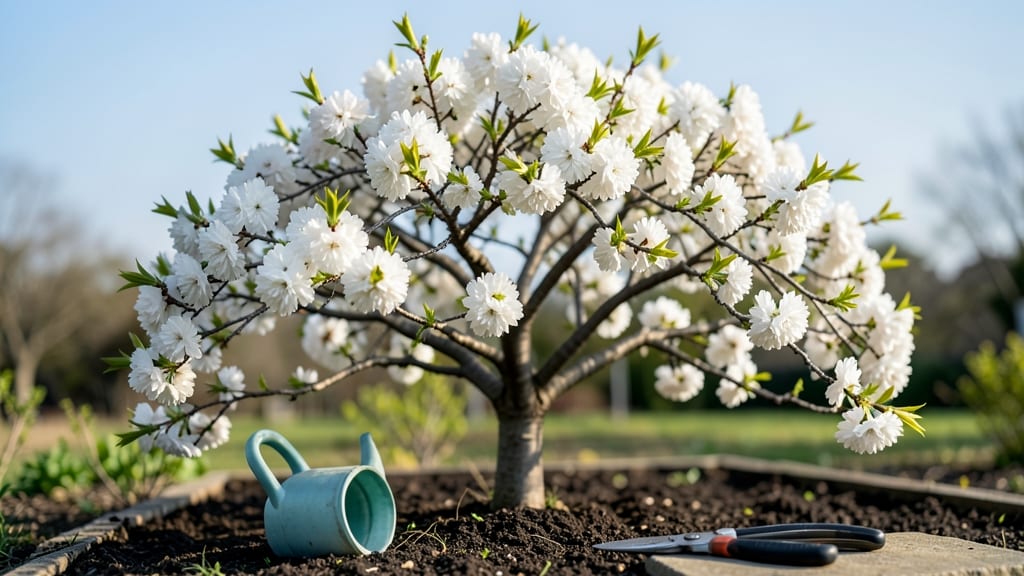
Nothing transforms a Pacific Northwest garden like a white-blooming cherry tree in full spring bloom—those cascading clouds of delicate petals turn even the drizzliest days into a postcard moment. 🌸 I planted mine near the patio, and now every morning, I sip coffee under a canopy of blossoms while the rain patters softly below.
The tree doesn’t just bloom; it performs—year-round interest from its peeling bark in winter to fiery fall foliage that rivals any maple.
The real magic happens when you pair it right. Underplant with shade-tolerant perennials like heuchera or ferns to catch the dappled light, and add a low border of bleeding heart for spring color that matches the cherry’s timing.
For height contrast, try ornamental grasses like Miscanthus or Carex, which sway gently in the breeze while the tree steals the show. This isn’t just a tree—it’s the centerpiece of a living stage.
Imagine hosting summer evenings under its shade, where the air smells like honey and rain, or arranging a few branches in a vase with wildflowers for a bouquet that lasts weeks. The blooms even attract bees and butterflies, turning your garden into a pollinator paradise.
With the right placement—near a seating area, along a pathway, or as a standalone focal point—this tree becomes the heart of your outdoor space, season after season.
Whether you choose Prunus serrulata for its dramatic double blooms or Prunus avium for its classic wild cherry charm, the key is giving it room to grow. A mature canopy can reach 25–35 feet, so plant it where it can stretch its branches without crowding your home or driveway.
The payoff? A garden that feels like a sanctuary, no matter the weather.
📚 In This Guide
- What you need
- Instructions
- Tips and common mistakes
- Wrapping up and next steps
What you need
- ● White blooming cherry tree sapling: 1 Prunus serrulata (Kwanzan or Yoshino cherry) or Prunus avium (Bing or Stella cherry) variety (ensure it’s disease-resistant for PNW climate).
- ● Size: 5–6 ft tall (for faster blooms) or 1–2 ft (for long-term growth).
- ● Planting site essentials: Well-draining loamy soil (amend with compost if needed).
- ● Full sun exposure (6+ hours/day).
- ● Space: 20–30 ft diameter (cherry trees need room to thrive!).
- ● Tools: Shovel or digging spade (for planting).
- ● Garden gloves (to protect your hands from thorns!).
- ● Pruning shears (for shaping and maintenance).
- ● Watering can or hose with gentle spray nozzle (cherry trees love consistent moisture).
- ● Mulch (2–4 inches of wood chips or pine bark to retain moisture).
- ● Soil amendments: Slow-release fertilizer (balanced 10-10-10 NPK ratio for young trees).
- ● Mycorrhizal fungi (boosts root health in PNW’s acidic soils).
- ● Support structures: Tree stakes (if planting in windy areas).
- ● Tree ties (for securing young saplings).
- ● Pest control: Neem oil spray (organic option for aphids or borers).
- ● Bird netting (if nearby birds are a nuisance).
- ● Decorative touches: Garden flags or stakes (to mark the tree’s location).
- ● Drip irrigation system (for low-maintenance watering).
How to plant and maintain a stunning white-blooming cherry tree
This Pacific Northwest favorite thrives with the right care—here’s how to cultivate its breathtaking year-round beauty.
🪴 Step 1: Choose the Perfect Planting Site and Prepare the Soil
White-blooming cherry trees like Prunus serrulata or Prunus avium varieties need full sun exposure—at least 6-8 hours daily—to produce their showstopping blossoms. In the Pacific Northwest’s mild, wet climate, avoid low-lying areas where cold air pools; instead, select a spot with good drainage and afternoon sun protection if your microclimate runs hot.
Test your soil’s pH before planting—cherry trees prefer slightly acidic to neutral soil (pH 6.0-7.0). If your soil is heavy clay, amend it with 2-3 inches of compost mixed into the top 12 inches of soil. Dig a hole twice as wide as the tree’s root ball but only as deep—planting too deep suffocates roots and invites disease.
🌱 Step 2: Plant with Care to Ensure Strong Root Establishment
Remove the tree from its container and gently tease the roots if they’re circling. Position the tree in the hole so the top of the root ball sits 1-2 inches above ground level—this prevents waterlogging during heavy winter rains. Backfill with native soil mixed with a 50/50 blend of compost to encourage microbial activity in the root zone.
Water deeply right after planting to eliminate air pockets and settle the soil. Use 10-15 gallons of water for mature trees, less for younger specimens. Mulch around the base with 3 inches of wood chips, keeping it 6 inches away from the trunk to prevent rot. This mulch layer retains moisture and regulates soil temperature—critical in the PNW’s variable climate.
☀️ Step 3: Prune for Structure and Bloom Health
Prune your cherry tree in late winter or early spring, just before buds swell but before flowers appear. Remove dead, diseased, or crossing branches first, then thin the canopy to improve airflow—this reduces fungal risks like powdery mildew, common in damp Pacific Northwest summers. Aim for an open, vase-like shape to maximize sunlight penetration.
Never prune in fall, as new growth won’t harden off before winter. If you must remove large branches, seal cuts with pruning sealant to prevent sap loss. Watch for sucker growth at the base—these compete with the main tree for nutrients and should be removed promptly with clean, sharp shears.
💧 Step 4: Water and Fertilize for Year-Round Beauty
Established cherry trees are drought-tolerant once rooted, but young trees need deep watering every 7-10 days during dry spells. Water at the drip line, not the trunk, to encourage deep root growth. In the PNW’s rainy winters, reduce watering—overly wet soil invites root rot, especially in heavy clay soils.
Fertilize in early spring with a balanced 10-10-10 or 20-20-20 formula, applying ½ pound per inch of trunk diameter. Avoid high-nitrogen fertilizers in late summer—they promote tender growth vulnerable to frost damage. Leaf analysis every 3-4 years ensures you’re addressing micronutrient deficiencies before they cause yellowing or poor blooms.
✂️ Step 5: Protect and Maintain for Longevity
Watch for cherry leaf spot or bacterial canker—common in the PNW’s humid summers. Remove infected leaves immediately and apply copper fungicide preventatively in spring. Prune out infected branches 6 inches below the lesion to prevent spread. In urban areas, monitor for aphids or scale insects—blast them off with water or use horticultural oil if needed.
Mulch annually in late winter to replenish organic matter. Avoid piling mulch against the trunk—this creates a moist environment where pests and diseases thrive. Finally, enjoy the spring blooms, summer shade, and fall foliage that make this tree a Pacific Northwest staple. With proper care, your cherry tree will reward you for decades.
Tips & tricks for perfect white-blooming cherry tree care
Transforming your Pacific Northwest garden into a stunning white-blooming cherry tree showcase starts with these essential insights—learn from the common pitfalls that can derail even the most promising plantings.
Sunlight Strategy: While the instructions highlight 6-8 hours of daily sun, here's what nobody tells you—cherry trees actually thrive with morning sun and afternoon shade in hotter microclimates. If your tree receives harsh afternoon sun, consider installing temporary shade cloth during peak summer hours (1-4 PM) to prevent leaf scorch while still maintaining those critical bloom-producing light conditions. The Pacific Northwest's variable climate means you might need to adjust based on your specific location.
Soil Science Secret: That 2-3 inches of compost recommendation is non-negotiable, but here's the pro move: mix in 1 cup of bone meal when amending heavy clay soils. The phosphorus boost encourages strong root development and vibrant blooms—something standard compost alone won't provide. Think of it as giving your tree a growth steroid during its critical establishment phase. For sandy soils, add 1-2 inches of organic matter like leaf mold instead.
Pruning Precision: When you're thinning the canopy in Step 3, aim to remove branches that cross or rub against each other—these create entry points for fungal infections. Use sharp pruning shears and make cuts at a 45-degree angle just above a outward-facing bud. This technique promotes faster healing and better growth direction. I've seen too many trees with awkward stubs that invite disease because of improper pruning angles. The key is to visualize how each cut will affect the tree's overall shape while maintaining that open vase structure.
Watering Wisdom: The 10-15 gallons recommendation for mature trees might seem excessive, but here's the thing: cherry trees develop deep taproots that need consistent moisture to reach their full potential. For young trees, water twice weekly during the first growing season to encourage root expansion. Use a soaker hose placed at the drip line to deliver water slowly and evenly—this prevents surface evaporation and directs moisture exactly where new roots are forming. The Pacific Northwest's rainy winters mean you'll need to adjust this schedule dramatically, but that deep watering habit pays off during dry summers.
Pro Tips for White Blooming Cherry Tree
- Transforming your Pacific Northwest garden into a stunning white-blooming cherry tree showcase starts with these essential insights—learn from the common pitfalls that can derail even the most promising plantings.
- Sunlight Strategy: While the instructions highlight 6-8 hours of daily sun, here's what nobody tells you—cherry trees actually thrive with morning sun and afternoon shade in hotter microclimates.
- Soil Science Secret: That 2-3 inches of compost recommendation is non-negotiable, but here's the pro move: mix in 1 cup of bone meal when amending heavy clay soils.
Frequently asked questions
Got questions about cultivating or enjoying a white blooming cherry tree in the Pacific Northwest? You’re not alone! Here are answers to the most common queries—from planting tips to seasonal care—so you can make the most of your stunning canopy.
When is the best time to plant a white blooming cherry tree in the PNW?
The ideal window is late fall or early spring (October–March), when the tree is dormant. This lets roots establish before summer heat or winter frost. Avoid planting in summer—PNW’s dry spells can stress young trees. Pro tip: Water deeply after planting and mulch to retain moisture.
How much space does a white blooming cherry tree need to thrive?
Most varieties require 20–30 feet of space for mature growth, including room for their sprawling branches. Check your tree’s tag for specifics—some dwarf cultivars (like ‘Stella Compact’) fit smaller yards (10–15 feet). Plant too close to structures or power lines? Prune aggressively or choose a smaller variety.
Why aren’t my cherry tree blooms as vibrant as they should be?
Faded or sparse blooms often signal nutrient deficiency, poor pollination, or stress. Try these fixes:
- Fertilize in early spring with a balanced 10-10-10 formula.
- Ensure pollinators visit (plant companion flowers like daffodils).
- Prune dead branches in late winter to improve airflow.
Are there low-maintenance alternatives to traditional cherry trees?
Yes! Consider these PNW-friendly, white-blooming options:
Tree
Height
Pros
Pacific Dogwood (Cornus nuttallii)
15–25 ft
Drought-tolerant, deer-resistant, stunning pink-white blooms.
Japanese Flowering Cherry (Prunus serrulata ‘Kanzan’)
20–25 ft
Proficient bloomer, compact growth, double flowers.
Mock Orange (Philadelphus spp.)
6–10 ft
Fragrant white blooms, thrives in shade, low-maintenance.
How do I protect my cherry tree from PNW’s wind and rain?
Wind and heavy rain can damage delicate branches. Take these steps:
- Stake young trees during storms (use soft ties to avoid girdling).
- Prune in late winter to reduce wind resistance—remove crossing or weak branches.
- Mulch heavily (3–4 inches) to protect roots from erosion.
- Consider a windbreak (e.g., evergreen shrubs) if your yard is exposed.
Wrapping up and next steps
The white blooming cherry tree isn’t just a seasonal spectacle—it’s a year-round investment in beauty, biodiversity, and Pacific Northwest charm. 🌸 From its delicate spring blossoms to its sturdy autumn foliage, this tree transforms any landscape into a serene, vibrant haven.
Whether you’re planting one for curb appeal, wildlife support, or simply joy, your effort will bloom into lasting rewards.
Ready to take the next step? Research local nurseries for native varieties, sketch a planting plan, or even join a community garden to share tips. Your white blooming cherry tree awaits—let’s make it grow! 🌱