Pruning
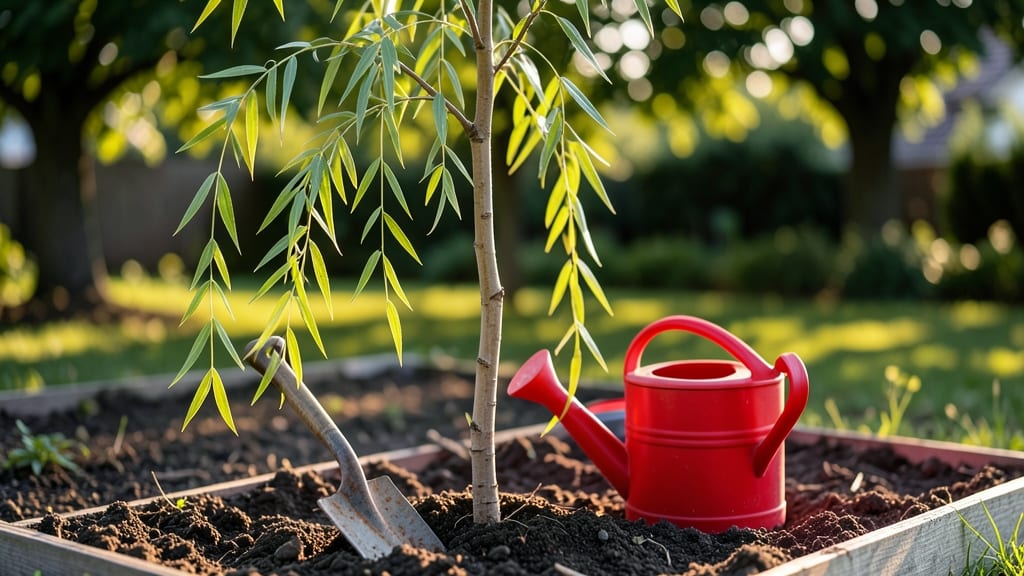
Planting a willow tree in the Pacific Northwest isn’t just about sticking a sapling in the ground—it’s about reviving that wild, resilient root system that thrives in wet soils.
I’ve learned the hard way that willows demand patience, the right spot, and a little extra care to keep their roots from wandering where they’re not wanted. The payoff?
A tree that grows faster than almost anything else, with those iconic arching branches that make every yard feel like a riverside retreat.
Start with the right variety—weeping willows for dramatic draping branches or pussy willows for early spring blooms—and dig a hole twice as wide as the root ball but no deeper.
The soil here stays damp for much of the year, so amending with compost or peat moss gives those roots the head start they need.
Space them 20-30 feet apart if you’re planting multiple trees, because willow roots spread aggressively, and you don’t want them turning your lawn into a swamp.
Watering is where most beginners trip up: willows hate soggy soil but also dry spells. After planting, keep the soil consistently moist for the first two months, then taper off to weekly deep waterings once established.
Mulch heavily to retain moisture and suppress weeds, but keep it 3-4 inches away from the trunk to avoid rot. Within a year, you’ll see those first shoots pushing through the ground, signaling the roots have found their footing.
Here’s the thing about willows—they grow fast, but they also grow everywhere. If you’re worried about roots invading your foundation or neighbor’s yard, plant them in root barriers or along property lines where their spread won’t cause drama.
With the right prep, your willow will thrive for decades, becoming the kind of tree that makes your neighborhood green with envy.
📚 In This Guide
- What you need
- Instructions
- Tips and common mistakes
- Wrapping up and next steps
What you need
- ● Willow saplings: 1–3 healthy, bare-root or container-grown willows (species like Salix lucida or Salix alba thrive in PNW climates). Choose 1–2-year-old plants for best root establishment.
- ● Rooting hormone: 1 small bottle (e.g., Rootone or Dip ‘N Grow) to boost root growth.
- ● Shovel or spade: 1 medium-sized (18–24" blade) for digging holes.
- ● Garden fork: 1 for loosening compacted soil around the planting site.
- ○ Well-draining soil mix: 1–2 bags of peat moss or compost (optional if native soil is loose).
- ● Mulch: 2–3 yards of wood chips or straw (avoid fresh bark—it can mat).
- ● Watering can or hose: With a gentle spray nozzle for hydration.
- ● Pruning shears: 1 pair (sterilized with rubbing alcohol) for trimming dead branches post-planting.
- ○ Stakes (optional but recommended): 2–3 wooden or bamboo stakes (1–2" diameter) + soft plant ties to support young trees.
- ● Mycorrhizal fungi: 1 packet to enhance root-soil symbiosis (great for clay-heavy PNW soils).
- ● Epsom salt: 1 small container (magnesium sulfate) for nutrient boost during early growth.
- ● Rain gauge: To monitor soil moisture—willows love consistent dampness!
- ● Wildlife deterrent: Chicken wire (if deer or rabbits are a threat in your area).
Step-by-step guide for planting willow trees in the Pacific Northwest
Here's how to give your willow tree the strong start it needs for thriving in our wet climate.
🌱 Step 1: Choose the Right Willow Variety and Planting Site
Willows thrive in moist soil and full sun, so select a variety suited to your space—weeping willows for dramatic branches or crack willows for sturdy growth. The Pacific Northwest's damp winters mean you'll want a site with good drainage but consistent moisture, ideally near a pond, stream, or low-lying area where roots can access water naturally.
Test your soil by digging a small hole—if water pools within an hour, your site is perfect. Avoid areas where water pools for days, as willows dislike waterlogged roots. Choose a spot with at least 8 feet of clearance from buildings or power lines, since mature willows can reach 30-50 feet tall.
🪴 Step 2: Prepare the Soil and Planting Hole
Dig a hole that's twice as wide as the root ball but no deeper—willows prefer to sit slightly higher than surrounding soil to prevent root rot. Amend the native soil with 2-3 inches of compost mixed into the bottom of the hole to improve drainage without compacting the roots.
Gently loosen the root ball of your bare-root willow before planting to encourage root spread. Place the tree in the hole so the top of the root ball sits 1-2 inches above ground level—this prevents water from pooling around the trunk. Backfill with native soil, pressing lightly to remove air pockets but not compacting too firmly.
☀️ Step 3: Water Thoroughly and Mulch for Moisture Retention
Water the newly planted willow deeply—aim for 10-15 gallons—to settle the soil and encourage roots to spread. In the Pacific Northwest, willows benefit from consistent moisture, especially during the first growing season. After watering, apply 3-4 inches of mulch (wood chips or straw) around the base, keeping it 6 inches away from the trunk to prevent rot.
Check soil moisture weekly by sticking your finger 2 inches deep—if it feels dry, water again. Willow trees in our region grow fastest when soil stays moist but not soggy. Avoid overwatering, as willows are surprisingly resilient once established.
⏰ Step 4: Prune and Protect for First-Year Growth
Prune any broken or crossing branches in early spring before new growth begins, but avoid heavy pruning—willows respond best to minimal shaping in their first year. Focus on removing only 10-20% of the canopy to reduce stress. Apply a tree guard (metal or plastic) around the trunk to protect against deer or rodent damage, especially in early spring.
Fertilize lightly in late spring with a balanced 10-10-10 formula—willows in the Pacific Northwest often grow well without extra nutrients, but a small amount helps young trees establish. Monitor for signs of stress like yellowing leaves or wilting, which can signal overwatering or poor drainage.
Tips & tricks for thriving willow trees in the Pacific Northwest
These practical insights will help you avoid common pitfalls and give your willow tree the best possible start in our unique climate.
Site Selection Wisdom: The Pacific Northwest's wet winters mean willows need a site that balances moisture and drainage perfectly. Look for areas where water pools within an hour but doesn't linger for days—this sweet spot gives roots consistent hydration without risking rot. I've found that planting near natural water features like streams or low spots works beautifully, but always verify by digging that test hole first. The 8-foot clearance rule is non-negotiable—willows grow fast, and you don't want branches interfering with your roof or power lines later.
Root Ball Preparation: Don't skip loosening the root ball before planting! This simple step encourages roots to spread outward rather than circling, which can strangle the tree as it grows. I learned this the hard way after watching a willow struggle for years with compacted roots. When placing your tree, that 1-2 inch elevation above ground level is crucial—it prevents water from pooling against the trunk, which can cause rot. Use your finger to gently press the soil around the roots; it should feel firm but not packed down like concrete.
Watering Strategy: Those 10-15 gallons of deep watering are essential for settling the soil and encouraging root spread, but timing matters too. Water immediately after planting, then again every 2-3 days for the first month to maintain consistent moisture. In our region, willows actually prefer regular light watering over occasional deep soakings—they're used to our frequent rain patterns. The weekly moisture check with your finger is your best tool; if that 2-inch depth feels dry, it's time to water again.
First-Year Protection: That 10-20% pruning guideline is perfect for first-year willows—it's just enough to remove damaged branches without stressing the tree. I recommend using clean, sharp pruners to make cuts just above a leaf node. For tree guards, plastic ones work well but check them monthly to ensure they're still protecting against rodents. And while willows often don't need fertilizer, that light 10-10-10 application in late spring gives young trees a helpful boost without overdoing it.
Pro Tips for Willow Tree Planting
- These practical insights will help you avoid common pitfalls and give your willow tree the best possible start in our unique climate.
- Site Selection Wisdom: The Pacific Northwest's wet winters mean willows need a site that balances moisture and drainage perfectly.
- Root Ball Preparation: Don't skip loosening the root ball before planting!
Frequently asked questions
Got questions about reviving your willow tree’s root system? You’re not alone! Here are some of the most common concerns—and straightforward answers—to help you plant with confidence.
When is the best time to plant a willow tree in the Pacific Northwest?
The ideal window is late fall to early spring (October through March). This timing lets roots establish before summer heat stress. Avoid planting in summer—willows hate drought, and their roots can suffer without consistent moisture. If you must plant in summer, water deeply 2-3 times per week for the first month.
Do willow trees need a special soil mix for root revival?
Willows thrive in moist, well-draining soil—they’re not picky about pH (6.0–7.5 is best). For revival, mix 50% native soil with 30% compost and 20% sand or perlite to prevent compaction. If your soil is heavy clay, amend it with leaf mold or peat moss to improve aeration.
Can I plant a willow tree too close to my house or septic system?
Absolutely avoid planting within 20–30 feet of foundations or septic lines.
Willow roots spread aggressively (up to 50 feet in ideal conditions!) and can damage pipes or lift sidewalks. For privacy screens, opt for container-grown willows or root barriers. Always check local codes—some areas restrict willow planting near water sources too!
How do I protect a newly planted willow from frost or freezing roots?
Willows are hardy but vulnerable to winter dieback in their first year. Mulch the root zone with 4–6 inches of straw or wood chips (keep mulch 3 inches away from the trunk to prevent rot). Water before the first hard freeze to hydrate roots, and wrap young trunks with burlap or tree guards if temps drop below 15°F.
What if my willow’s leaves turn yellow or wilt after planting?
Yellowing leaves often signal overwatering, root rot, or transplant shock. Check soil moisture—willows need consistently damp (not soggy) soil. If roots look mushy or smell foul, trim affected areas and repot in fresh, dry soil. For wilting, prune 1/3 of the foliage to reduce stress and keep the tree in partial shade for 2–3 weeks while it recovers.
Still stumped? Drop your question in the comments—we’re happy to help your willow thrive!
Wrapping up and next steps
Planting willow trees in the Pacific Northwest isn’t just about greening your space—it’s a chance to revive ecosystems and embrace nature’s resilience. 🌱 From selecting the right root systems to mastering soil prep and aftercare, every step strengthens your tree’s future.
Whether you’re a seasoned gardener or a curious beginner, your effort will yield beauty, shade, and even wildlife support.
Ready to take the next step? Mark your calendar for the ideal planting window (early spring or fall) and gather your tools. Then, roll up your sleeves—your willow’s journey starts with you!