
Pruning
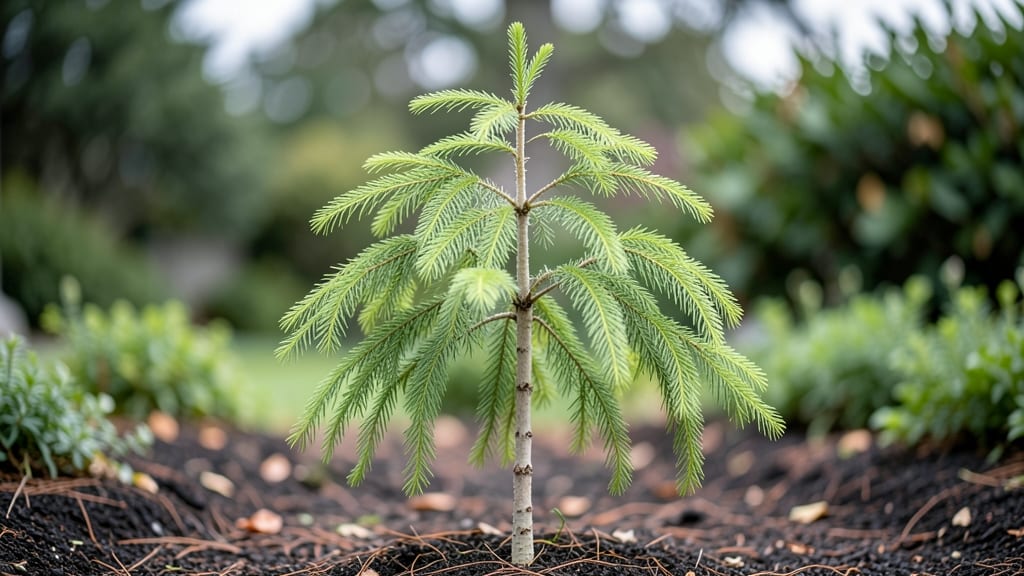
Pruning your young cypress tree isn't just about shaping—it's about preparing it to survive Pacific Northwest winters when frost can turn tender new growth to mush. ✂️ I learned this the hard way when my first cypress lost half its branches to a late-season freeze, but now I prune with purpose to build resilience from the start.
The key is timing and technique: prune in late winter or early spring before new growth begins, and always cut just above a healthy bud or branch collar. Avoid heavy pruning in fall—cypress trees need time to harden off before frost hits.
My trees now stand strong through 20-degree nights because I focus on structural integrity over aesthetics.
What you'll end up with is a tree that grows fuller, stronger, and more frost-resistant each year. The canopy thickens naturally, shade improves, and you avoid the weak, leggy growth that invites pests. Even better? Proper pruning means fewer branches to remove later when they become a hazard.
This method works for both Leyland and Italian cypress varieties, though Italian cypress benefits from slightly lighter pruning. Whether you're dealing with a 6-foot sapling or a 10-foot young tree, the principles stay the same—just scale the tools. Let's get those branches in shape!
📚 In This Guide
- What you need
- Instructions
- Tips and common mistakes
- Wrapping up and next steps
What you need
- ● Pruning shears: Bypass pruners (sharp, 6-8" blades) for clean cuts on small branches (1/4" diameter or less). Required: 1 pair.
- ● Loppers: Bypass or anvil type (8-10" blades) for medium branches (1/4"–2" diameter). Required: 1 pair.
- ● Pruning saw: Curved-tooth handsaw for thicker branches (2"+ diameter). Required: 1.
- ● Ladder: Lightweight aluminum or fiberglass (12–16 ft tall, stable base). Required if tree exceeds 6 ft.
- ● Gloves: Heavy-duty gardening gloves (cut-resistant, waterproof). Required: 1 pair.
- ● Disinfectant: 70% isopropyl alcohol or bleach solution (1 part bleach to 9 parts water) to sterilize tools between cuts. Required.
- ○ Sealing wax: Pruning sealant (optional but recommended for cuts >1" diameter to prevent disease). 1 small container.
- ● Trash bags: Heavy-duty contractor bags (30–50 gallon) for debris removal. 1–2 bags.
- ● Extension pole pruners: For high branches without a ladder (10–12 ft reach).
- ● Work boots: With ankle support for stability on uneven ground.
- ● Safety goggles: To protect against debris or sap splashes.
- ● Tree wrap: Plastic or fabric to protect the trunk from frost damage (if pruning in late fall/winter).
- ● Notebook & pen: To sketch the tree’s shape before/after pruning.
- ● Check the weather forecast: Prune on a dry, overcast day (avoid extreme heat or frost warnings).
- ● Confirm the tree’s species: Young Cupressus or Chamaecyparis varieties (Pacific Northwest favorites like Hinoki or Arizona Cypress).
- ● Assess the tree’s health: Prune only if the tree is disease-free (no wilting, discoloration, or pest activity).
- ● Gather local regulations: Some areas require permits for tree pruning over a certain height.
Step-by-Step guide to pruning young cypress trees for frost resistance
Here's how to shape your Pacific Northwest cypress for strength and winter survival.
✂️ Step 1: Time Your Pruning for Late Winter or Early Spring
Prune your young cypress tree between late February and early April—just as new growth begins but before buds fully swell. This timing lets the tree heal before summer heat arrives. Avoid pruning in fall or winter when frost damage is most likely; new cuts won’t harden properly before cold snaps.
Look for tight, brown buds along branches—this signals the tree is preparing to grow. Prune when you see these buds but before they burst open. If you wait too long, you’ll encourage leggy growth that weakens the tree’s frost resilience.
✂️ Step 2: Remove Dead, Diseased, or Crossing Branches First
Start by cutting out any dead branches (they’ll snap easily when bent) and diseased wood (look for discolored patches or fungal growth). Use clean, sharp pruning shears to make 45-degree cuts just above a healthy bud or branch collar. Never leave stubs—they invite rot and pests.
Next, remove branches that cross or rub against each other. These create wounds that weaken the tree’s defenses. Focus on the lower third of the tree first, as this area is most vulnerable to frost. Thin out crowded branches to improve airflow and sunlight penetration.
✂️ Step 3: Shape the Canopy for Frost Hardiness
Step back and visualize the tree’s natural shape. Cypress trees thrive with an open, airy canopy that sheds snow easily. Prune to create a pyramidal or rounded form, gradually narrowing the top. Avoid heavy topping—this stresses young trees and reduces winter hardiness.
Trim back no more than 25% of the tree’s foliage in one season. For young cypress, this means removing only the outermost tips of branches. Focus on overly dense areas where frost can trap moisture and damage tender new growth. Use hand pruners for small branches and loppers for thicker stems.
✂️ Step 4: Seal Cuts and Monitor for Stress
After pruning, inspect each cut for smooth, clean surfaces. If any cuts are jagged, use a pruning sealant (optional for cypress, but helpful in wet Pacific Northwest climates). Apply a thin layer to cuts larger than ½ inch in diameter to prevent disease entry.
Water the tree deeply after pruning to reduce stress. Mulch around the base with 2-3 inches of organic mulch (like shredded bark) to protect roots from temperature swings. Watch for yellowing needles or wilting in the weeks after pruning—these are signs of stress, not failure.
Tips & tricks for perfect young cypress tree pruning
Here's what I've learned after shaping dozens of cypress trees in the Pacific Northwest—these details make all the difference for frost resilience.
Timing Secret: If you're unsure about the exact window between late February and early April, use the "bud test" as your guide. Look for those tight, brown buds—when they're ready to burst but haven't yet, that's your perfect pruning time. I've seen trees pruned too early struggle with weak regrowth, while those pruned too late develop leggy branches that freeze easily in winter.
Tool Technique: For Step 2, make your cuts just above the branch collar at a 45-degree angle—this is where the tree's natural healing begins. I always clean my pruning shears with rubbing alcohol between cuts to prevent spreading disease. And here's a pro move: Wrap your cuts with a small piece of tree tape (optional but helpful) if you're in a particularly wet climate like Seattle or Portland.
Canopy Strategy: When shaping in Step 3, think "open and airy" like a forest floor. I like to remove branches from the bottom up, creating space for air to circulate. This prevents frost pockets where ice can damage tender new growth. For young cypress, I never remove more than 25% of the foliage—any more stresses the tree and reduces its ability to harden off for winter.
Post-Pruning Care: After sealing cuts, give your tree a deep watering that reaches 12 inches down. I've found that adding 2-3 inches of organic mulch (like cedar chips) helps regulate soil temperature—critical for root health during our Pacific Northwest winters. Watch for yellowing needles for about 3 weeks after pruning; this is normal stress response, not a problem.
Pro Tips for Young Cypress Tree
- Here's what I've learned after shaping dozens of cypress trees in the Pacific Northwest—these details make all the difference for frost resilience.
- Timing Secret: If you're unsure about the exact window between late February and early April, use the "bud test" as your guide.
- Tool Technique: For Step 2, make your cuts just above the branch collar at a 45-degree angle—this is where the tree's natural healing begins.
Frequently asked questions
Got questions about caring for your young cypress tree in the Pacific Northwest?
Here are some of the most common concerns—plus expert tips to keep your frost-resilient beauty thriving!
When is the best time to prune a young cypress tree?
Prune your young cypress tree in late winter or early spring (February–March) to avoid stressing it before winter dormancy. This timing promotes healthy growth and frost resilience. Skip pruning in fall—new growth may not harden before cold snaps.
How much can I trim off a young cypress tree?
Never remove more than 25% of the foliage in one session. For young trees, focus on light shaping (e.g., trimming leggy branches or crossing limbs) to maintain a natural form. Over-pruning weakens the tree and reduces its frost tolerance.
Will pruning help my cypress tree survive Pacific Northwest frosts?
Pruning correctly improves airflow and reduces ice buildup, but it’s not a frost-proof solution. Choose frost-hardy varieties (like Cupressus macrocarpa) and avoid heavy pruning in late summer—this can leave tender new growth vulnerable.
What if my young cypress tree looks sad after pruning?
Yellowing or sparse foliage post-pruning may signal stress. Ensure it’s in well-draining soil, water deeply (but avoid soggy roots), and fertilize lightly with acidic, slow-release fertilizer in spring. Most trees bounce back in 4–6 weeks!
Are there alternatives to pruning for shaping a young cypress?
Yes! Use natural growth guides like:
- Trellises or stakes to train branches (great for narrow varieties).
- Selective thinning instead of heavy cuts—remove only dead or crowded branches.
- Mulching to protect roots and retain moisture (use 3–4 inches of organic mulch).
Wrapping up and next steps
Caring for your young cypress tree in the Pacific Northwest’s chilly climate is all about patience, precision, and a little extra love! 🌲 By mastering the right pruning techniques—like removing dead branches, shaping for airflow, and protecting against frost—you’ll set your tree up for a lush, resilient canopy that thrives for years.
Remember, consistency is key, so schedule your pruning sessions at the right times and keep an eye out for signs of stress.
Now that you’re armed with the know-how, roll up your sleeves and give your tree the TLC it deserves!
Start by grabbing your tools and tackling those overgrown branches—your future frost-hardy cypress will thank you. Ready to dive in? Check out our seasonal pruning calendar for a step-by-step timeline to keep your tree in top shape year-round!