
Pruning
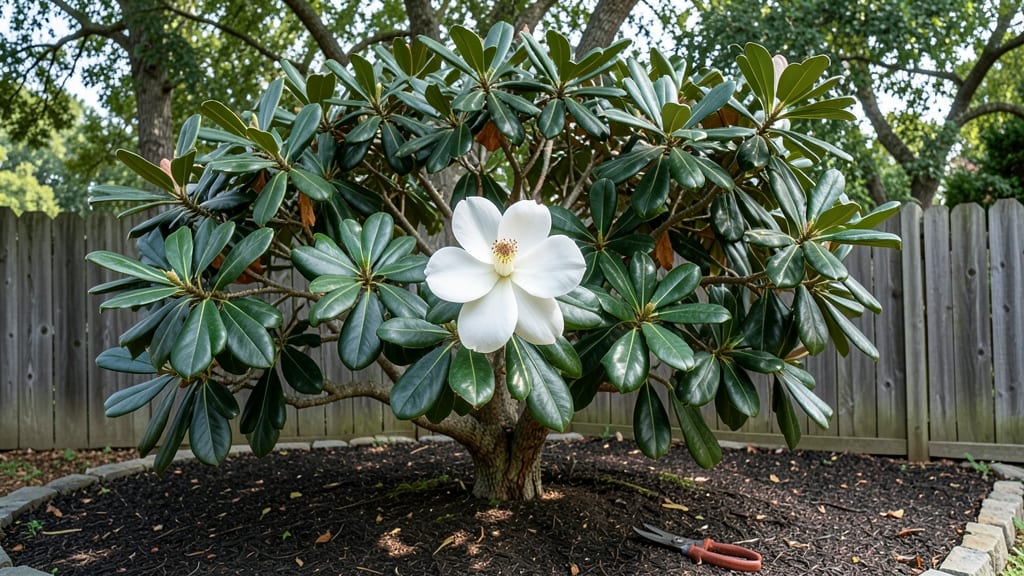
Pruning an Anna magnolia tree in the Pacific Northwest isn't just about shaping—it’s about preserving those fragrant, cup-shaped blooms that make this cultivar so special.
I’ve learned the hard way that aggressive cuts in early spring can rob you of next year’s flowers, so timing and technique matter more than most guides admit. The key is working during dormancy but avoiding late-season pruning that invites frost damage to fresh cuts.
This magnolia thrives in our damp, mild winters because of its disease-resistant nature and ability to handle partial shade, but it still needs occasional pruning to maintain airflow and prevent those heavy branches from snapping in wind or ice.
Start with a clean pair of sharp bypass pruners—dull blades tear wood, inviting infections. Focus on removing dead wood first, then thin out crowded branches to let sunlight reach the center, where new blooms form.
What you’ll end up with is a tree that looks neat and intentional without sacrificing its natural beauty. The blooms arrive earlier and more abundantly when you prune correctly, and the fragrance—sweet, almost citrusy—fills the air for weeks.
Just avoid heavy pruning after mid-summer, or you’ll risk losing next year’s flower buds entirely. The Pacific Northwest’s unpredictable frosts make this rule even more critical.
Whether you’re dealing with a young sapling or a mature specimen, the same principles apply: patience, precision, and seasonal timing. This guide will walk you through the exact steps to keep your Anna magnolia thriving year after year, with minimal stress and maximum reward.
Let’s get those branches looking intentional without sacrificing a single bloom.
📚 In This Guide
- What you need
- Instructions
- Tips and common mistakes
- Wrapping up and next steps
What you need
- ● Pruning shears: Bypass pruners (4–6-inch blades) for small branches (🔧 e.g., Felco F-2 or Corona Tools).
- ● Loppers: 18–24-inch loppers for thicker branches (1–2 inches in diameter).
- ● Pruning saw: Curved-tooth saw for branches >2 inches thick (🌲 e.g., Fiskars X7).
- ● Disinfectant: 70% isopropyl alcohol or 10% bleach solution (1 part bleach to 9 parts water) to sterilize tools between cuts.
- ● Gloves: Heavy-duty gardening gloves (🧤 e.g., Mechanix or Dr. McGill’s) to protect from thorns and sap.
- ○ Pruning sealant (optional): Tree wound dressing (🌿 e.g., Tanglefoot Tree Wound Pruning Sealer) for large cuts >2 inches in diameter.
- ● Ladder or step stool: Sturdy, extendable ladder (🪜 e.g., Little Giant or Werner) for high branches (max weight capacity: 300+ lbs).
- ● Tarp or drop cloth: 6x8-foot tarp to catch debris (🗑️ e.g., heavy-duty contractor tarp).
- ● Trash bags: 30-gallon bags for disposal of pruned branches.
- ● Work boots: Slip-resistant footwear (👟 e.g., Timberland PRO or Dr. Martens).
- ● Timing: Prune after flowering (late May–June) to avoid cutting off next year’s blooms. For frost-prone PNW areas, light shaping can occur in early spring (March) to reduce wind damage.
- ● Weather: Choose a dry, overcast day (🌤️ avoid rain or wind) to prevent sap bleeding and ensure clean cuts.
- ● Safety gear: Safety glasses (👓 e.g., Oakley or ANSI-rated goggles) to protect from debris.
- ● Tree health check: Inspect for pests (e.g., scale, borers) or disease (🚨 e.g., powdery mildew) before pruning.
Step-by-Step guide for pruning your Anna magnolia tree
This method keeps your Pacific Northwest magnolia healthy, frost-hardy, and beautifully shaped year after year.
Prune in Late Winter or Early Spring
Timing matters most for Anna magnolias. Wait until after the last frost but before buds swell—typically February through early March in the Pacific Northwest. Pruning too early risks frost damage to fresh cuts, while waiting too long stresses the tree as it prepares to bloom. Look for dormant branches with no leaves or flowers; these are ready for shaping.
I always prune on a dry, sunny day when temperatures stay above 40°F. Cold, wet conditions slow healing and invite disease. Check the forecast first—you want at least three consecutive dry days before and after pruning to ensure clean cuts.
Grab your tools and work when the tree is completely dormant. You’ll know it’s ready when branches feel hard and woody rather than slightly pliable. This ensures you’re not removing next year’s blooms or new growth.
Remove Dead, Diseased, or Crossing Branches First
Start by inspecting the tree for dead wood, diseased branches, or those rubbing together. Dead branches snap easily when bent—if a limb breaks with a dry crack, it’s dead. Diseased branches often have blackened spots, oozing sap, or fungal growth. Cut these out first to improve airflow and reduce pests.
Next, identify crossing or rubbing branches. These create wounds where bark wears away, inviting rot. Use your hand to feel for branches growing toward each other. If two limbs press against one another, the weaker one should go. Make your cuts at the branch collar—the swollen area where the branch meets the trunk—to prevent tearing.
I like to mark branches with a piece of tape before cutting. This helps me visualize the tree’s shape and ensures I don’t accidentally remove too much at once. Anna magnolias respond well to gradual shaping, so avoid heavy pruning in a single session.
Thin Out to Improve Light and Airflow
Thinning is key for a healthy Anna magnolia. Remove 10-20% of the tree’s total branches to open up the canopy. Focus on branches that grow straight up or inward, as these block light and reduce airflow. You’ll see these as vertical limbs or those growing toward the center of the tree.
When thinning, cut branches back to their outer branch collar or a strong lateral branch. Avoid leaving stubs—these invite decay. If a branch is too thick to cut cleanly with hand pruners, use a pruning saw for a smooth cut. The goal is to create an open, vase-like shape that lets sunlight reach the inner branches.
Step back frequently to check your progress. The tree should look balanced and full without dense clusters. Anna magnolias naturally grow with a rounded form, so aim to enhance that shape rather than force a rigid structure. Patience here pays off—over-pruning weakens the tree and reduces flowering.
Shape the Outer Canopy for Frost Resistance
Anna magnolias thrive in the Pacific Northwest’s frost-prone climate, but their shape affects how well they handle cold. To improve frost resistance, round out the outer edges of the canopy. This allows cold air to flow around the tree rather than settling in dense foliage.
Focus on outer branches that grow too upright or outward. Cut these back by one-third to one-half to encourage a more compact, dome-like shape. Avoid heavy cuts on young trees—these take longer to recover. For mature trees, you can be slightly more aggressive, but never remove more than 25% of the canopy in a single year.
I always check for water sprouts—fast-growing, vertical shoots that appear after pruning. These are weak and prone to frost damage. Remove them immediately by cutting at the base. A well-shaped Anna magnolia will have a strong central leader (main trunk) with evenly spaced branches radiating outward.
Clean Up and Apply Wound Dressing (Optional)
After pruning, rake up and dispose of all clippings and debris to reduce disease risk. While wound dressing (like pruning sealant) isn’t necessary for magnolias, I sometimes apply it to large cuts over ½ inch in diameter. This helps prevent moisture loss and infection during the healing process.
Water the tree deeply after pruning to reduce stress. A slow soak of 10-15 gallons spread over the root zone encourages root growth and recovery. Avoid fertilizing immediately—wait until new growth appears in spring to give the tree time to heal.
Finally, monitor the tree for new growth in the coming weeks. Healthy branches will sprout green buds by late spring. If you see yellowing leaves, wilting, or dieback, it may indicate over-pruning or stress. Adjust your approach for next year—Anna magnolias reward gentle, patient care with vibrant blooms and strong growth for decades.
Tips & tricks for pruning your Anna magnolia tree
Here's what I've learned after years of shaping these stunning Pacific Northwest trees—tricks that make all the difference between a healthy, frost-resistant magnolia and one struggling with winter damage.
Timing is Everything: The February through early March window is non-negotiable for Anna magnolias. I've seen too many gardeners prune too early and watch their fresh cuts blacken overnight when frost hits. Wait until you've had three consecutive dry days above 40°F—this gives the tree's wounds time to start sealing before any potential late frosts. I always check the extended forecast and mark my calendar with the last frost date plus 7 days as my absolute deadline.
The Branch Collar Rule: This is where most beginners go wrong. When removing branches in Step 2 or Step 3, always cut just outside the branch collar—the swollen area where the branch meets the trunk. I've made the mistake of leaving stubs, which create perfect entry points for disease. Use your pruning saw at a slight angle to avoid tearing the bark. For branches thicker than your wrist, I recommend using a three-cut method: undercut, then cut above, and finally clean up the top.
Visualizing the Shape: Before making any cuts, step back and really look at your tree's natural form. Anna magnolias have a beautiful rounded growth habit that we want to enhance, not fight. In Step 4, when shaping the outer canopy, imagine drawing an invisible dome over your tree. Any branches growing straight up or outward that break this dome should be cut back by one-third to one-half. I find it helpful to use a string or garden twine to outline this dome shape before I start pruning—it gives me a clear reference point.
Post-Pruning Care: The deep watering after pruning is often overlooked, but it's crucial. I've seen trees recover beautifully after pruning only to show signs of stress when they didn't get that 10-15 gallon deep soak. Water slowly over the root zone, not just around the trunk. This encourages the roots to grow deeper, which helps the tree handle our region's heavy winter rains. And remember, no fertilizer until you see new green buds in spring—this gives the tree time to heal without competing for nutrients.
Pro Tips for Anna Magnolia Tree
- Here's what I've learned after years of shaping these stunning Pacific Northwest trees—tricks that make all the difference between a healthy, frost-resistant magnolia and one struggling with winter damage.
- Timing is Everything: The February through early March window is non-negotiable for Anna magnolias.
- The Branch Collar Rule: This is where most beginners go wrong.
Frequently asked questions
Got questions about pruning your Anna Magnolia tree in the Pacific Northwest? We’ve got answers!
Whether you’re dealing with frost, shaping, or seasonal timing, here’s what you need to know to keep your tree thriving.
When is the best time to prune an Anna Magnolia in the PNW?
The ideal time is late winter to early spring (February–March), just before new growth begins. This timing helps avoid frost damage and encourages healthy blooms. Avoid pruning in fall, as it can stimulate tender growth that may not survive winter.
How do I protect my Anna Magnolia from frost damage?
Prune lightly in late winter to reduce stress, and avoid heavy cuts that expose wood to cold. If frost threatens, wrap young trees with burlap or use tree guards to shield them. Mulch the base with wood chips (3–4 inches deep) for insulation.
Can I prune an Anna Magnolia in summer?
Summer pruning is possible, but it’s risky—new growth may not harden off before frost. If you must prune, do so after flowering (June–July) and limit cuts to 20% of the canopy to avoid stress. Always sterilize tools to prevent disease.
What’s the best shape for an Anna Magnolia in the PNW?
Aim for an open, vase-like shape to allow sunlight and airflow, reducing frost pockets. Remove crossing branches and suckers at the base to maintain structure. Avoid over-thinning—keep at least 50% foliage for energy production.
My Anna Magnolia isn’t blooming—what’s wrong?
Lack of blooms often stems from over-pruning or poor sunlight. Ensure it gets 6+ hours of sun and prune no more than 10–15% annually. If branches are dead, remove them in late winter. Fertilize lightly in early spring with balanced 10-10-10 if soil is poor.
How do I clean pruning tools to prevent disease?
After each use, wipe blades with rubbing alcohol or soak in a 10% bleach solution for 10 minutes. Store tools in a dry place and sharpen annually. Diseased wood should be bagged and discarded, not composted.
Wrapping up and next steps
The Anna Magnolia Tree is a stunning, frost-resistant gem perfect for the Pacific Northwest’s climate—when pruned with care! 🌿 By following the right techniques, you’ll encourage vibrant blooms, strong growth, and a picturesque shape that complements your landscape.
Whether you’re trimming for aesthetics, health, or safety, remember: consistency and patience are key.
Ready to give your magnolia the love it deserves? Grab your tools, pick a clear day, and start pruning with confidence! Your tree—and your garden—will thank you. 🌸✨