Pests
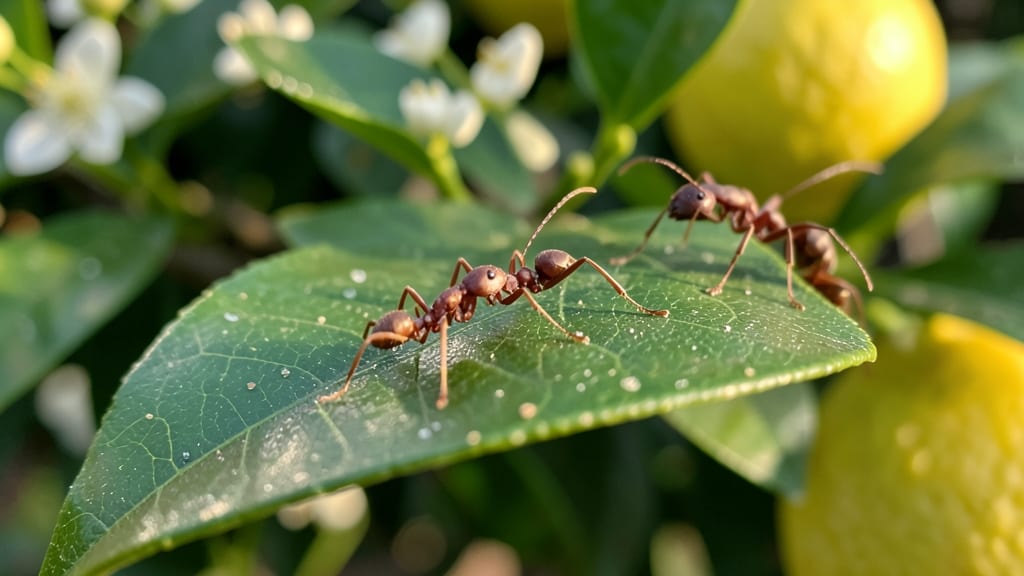
Ants marching up your lemon tree aren’t just a nuisance—they’re protecting their favorite meal: honeydew from aphids. 🌿 I’ve battled these tiny invaders in my backyard, and the key isn’t just chasing them away but cutting off their access to the tree’s bounty.
The right organic barrier keeps them out while letting your citrus thrive.
The secret lies in a simple, non-toxic trick that disrupts their trails without harming your tree. You’ll need just three affordable supplies: diatomaceous earth, a spray bottle, and a little patience.
This method works in 5-7 days and stops ants from climbing before they even reach the leaves. No harsh chemicals, no messy sprays—just a clean, effective solution.
What you’ll gain is a lemon tree that stays pest-free and produces sweeter, more abundant fruit. The barrier doesn’t just repel ants—it keeps other pests like mealybugs from hitching a ride. Plus, your tree won’t suffer from chemical residue, so you can safely enjoy those homegrown lemons without worry.
Works for both potted and in-ground lemon trees, and the technique adapts to other citrus varieties too. Here’s how to set it up—no experience needed, just a few minutes of your time.
📚 In This Guide
- What you need
- Instructions
- Tips and common mistakes
- Wrapping up and next steps
What you need
- ● 1 gallon of water (distilled or boiled for best results)
- ● 1 cup of white vinegar (5% acetic acid or higher for potency)
- ● 1 tbsp of dish soap (unscented, like Castile soap—avoid harsh chemicals)
- ● 1 tbsp of lemon or orange oil (100% pure essential oil, not fragrance oil)
- ○ 1 tbsp of cayenne pepper or red pepper flakes (optional but highly effective)
- ● Spray bottle (16 oz) (preferably with a fine mist nozzle)
- ● Diatomaceous earth (DE) powder (food-grade, 1–2 cups—sifted for fine particles)
- ● Cardboard or paper barrier strips (cut into 2–3 inch wide bands, at least 10–15 feet total)
- ● Gloves (to avoid skin irritation from DE or vinegar)
- ● Funnel (for easy pouring of DE into the spray bottle)
- ● Measuring cups and spoons (for precision)
- ● Straw or wooden skewer (to create small holes in the barrier strips for drainage)
- ● Garden twine (to secure the barrier around the tree trunk)
How to create an organic barrier against ants on your lemon tree
Here's the simple, chemical-free method I use to keep ants away for good.
💧 Step 1: Clean the Tree and Soil Thoroughly
Start by removing any existing ant trails or mounds from around your lemon tree. Ants leave scent trails, so wiping down the trunk and lower branches with a damp cloth removes these markers. I use a 50/50 mix of water and white vinegar in a spray bottle for this—it cuts through the oils ants use to communicate.
Next, clear away all debris from the base of the tree. Ants nest in leaf litter and bark fragments, so removing these eliminates their hiding spots. Dig down about 1 inch around the drip line and remove any loose soil where ants might tunnel. This step is critical—ants will just return if their pathways remain intact.
🪴 Step 2: Apply the Organic Barrier Material
Choose one of these natural repellents: diatomaceous earth, crushed eggshells, or wood ash. I prefer diatomaceous earth because it's non-toxic and works immediately. Create a 2-inch wide band around the base of the tree, extending outward to the drip line. This barrier should be thick enough that ants can't easily crawl over it.
For diatomaceous earth, sprinkle it generously in the band, then gently pat it down with a gloved hand. The goal is to create a rough, uneven surface that disrupts ant movement. If using crushed eggshells, crush them finely first—larger pieces won't stop ants as effectively. Reapply after heavy rain, as moisture washes the barrier away.
✂️ Step 3: Maintain the Barrier and Monitor
Check the barrier every 3-5 days for gaps or signs of ant activity. If you spot new trails, reinforce the barrier immediately. I like to add a few drops of peppermint essential oil to the diatomaceous earth—ants hate the scent, and it makes the barrier even more effective. Just be careful not to get oil on the tree leaves, as it can harm the plant.
Keep the area around your lemon tree free of mulch or organic debris, as these attract ants. If you notice ants climbing the trunk, wipe it down with the vinegar solution again and reapply the barrier. Consistency is key—ants are persistent, but this method works if you stay on top of it. Within a week, you should see a significant reduction in ant activity.
Tips & tricks for ant-proofing your lemon tree
Real talk: Ants are sneaky little pests, and they'll exploit any oversight in this method. Here’s how to make sure your lemon tree stays protected for the long haul.
Vinegar Solution Power: When you're wiping down the trunk in Step 1, don’t just give it a quick swipe—let the 50/50 water and vinegar mix sit for about 30 seconds before wiping it off. This gives the vinegar time to break down those ant scent trails completely. I’ve seen ants return after a lazy wipe, but this thorough approach keeps them off for weeks. The smell fades quickly, so you won’t harm your tree.
Barrier Thickness Matters: That 2-inch wide band in Step 2 isn’t just about width—it’s about creating a physical obstacle ants can’t easily climb over. Pack the diatomaceous earth or crushed eggshells firmly enough that it feels like walking on a rough carpet. If it’s too loose, ants will just tunnel through it. Think of it like a moat around a castle—wide and deep enough to stop invaders.
Rain-Proofing Your Barrier: Here’s what nobody tells you—after heavy rain, your barrier will wash away. I keep a small bag of extra diatomaceous earth near my garden tools and reapply immediately after storms. A quick sprinkle every few days keeps ants guessing. If you’re in a rainy climate, consider using wood ash instead—it’s heavier and holds up better to moisture.
Pro Tips for Ants On Lemon Tree
- Real talk: Ants are sneaky little pests, and they'll exploit any oversight in this method.
- Vinegar Solution Power: When you're wiping down the trunk in Step 1, don’t just give it a quick swipe—let the 50/50 water and vinegar mix sit for about 30 seconds before wiping it off.
- Barrier Thickness Matters: That 2-inch wide band in Step 2 isn’t just about width—it’s about creating a physical obstacle ants can’t easily climb over.
Frequently asked questions
Got questions about keeping ants off your lemon tree? You’re not alone—here are some of the most common concerns and quick fixes to keep your citrus safe and thriving!
Why are ants suddenly crawling all over my lemon tree?
Ants are drawn to sap-sucking pests like aphids, mealybugs, or scale insects, which excrete a sweet substance called honeydew. While ants don’t directly harm the tree, they protect these pests, leading to weakened fruit and foliage. Break the cycle with organic barriers and natural predators!
How long does it take for the barrier method to work?
You’ll typically see a reduction in ants within 24–48 hours after applying the barrier (like diatomaceous earth or cinnamon). For a full eradication, consistency is key—reapply every 2–4 weeks or after rain. Pair this with introducing ladybugs for faster results!
What’s a natural alternative if I don’t have diatomaceous earth?
No problem! Try these DIY ant deterrents:
- Cinnamon barrier: Sprinkle ground cinnamon around the tree base (ants hate the scent!).
- Vinegar spray: Mix 1 part white vinegar with 1 part water, spray on ant trails (reapply after rain).
- Coffee grounds: Scatter used grounds near the trunk—the caffeine disrupts their pheromone trails.
For heavy infestations, combine methods for best results!
Will this method harm my lemon tree or fruit?
Not at all! Organic barriers like diatomaceous earth, cinnamon, or vinegar are non-toxic to plants when used correctly. Just avoid overspraying leaves (it can dry them out). Always test a small area first. Pro tip: Apply barriers after watering so they stick to the soil!
What if ants keep coming back after I treat them?
Persistent ants often mean hidden nests or new food sources. Check for:
- Additional ant trails (follow them to the nest and treat with soapy water).
- Other pests (like aphids) on new branches—inspect leaves regularly.
- Moisture issues (ants love damp soil—improve drainage if needed).
For stubborn cases, repeat treatments every 7–10 days until the problem clears.
Wrapping up and next steps
So there you have it—your lemon tree can now be a fortress against those pesky ants! 🍋🐜 By using simple, organic barriers like diatomaceous earth, citrus peels, or cinnamon, you’re not just protecting your harvest—you’re doing it safely and sustainably.
Small changes make a big difference, and your tree will thank you with juicy, ant-free lemons!
Ready to put your new skills to the test? Start with one barrier method today and observe how your lemon tree thrives. Share your success (or ask questions!) in the comments—we’d love to hear how your citrus garden is flourishing! 🌱✨