Trees
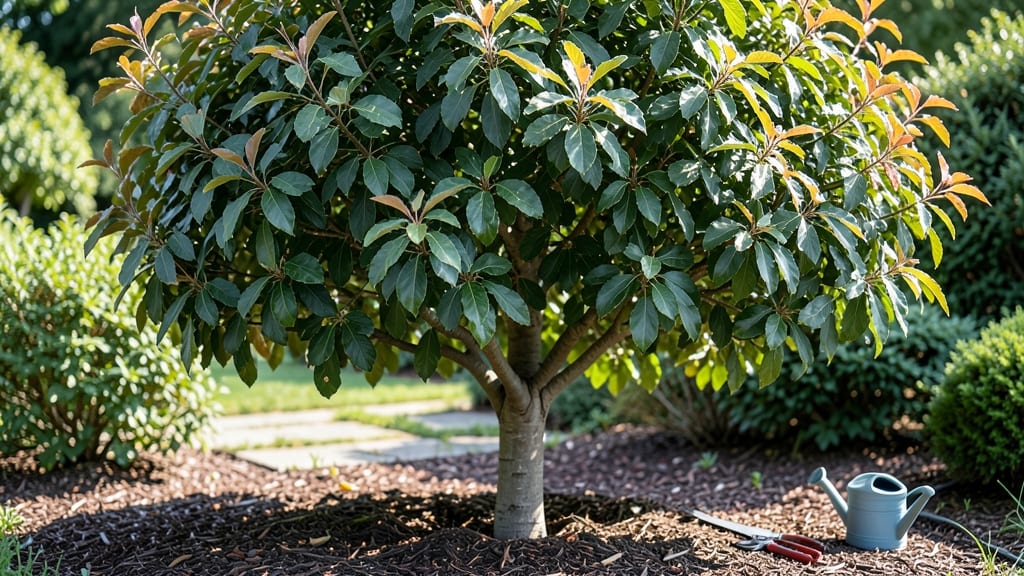
Santa Rosa plum tree leaves are the fragrant secret weapon behind the tree's legendary fruit—but they're also the first to show trouble. 🌿 When those glossy green leaves start yellowing, curling, or spotting, it’s your tree’s way of screaming for help before the damage spreads to the fruit.
I’ve spent years watching my Santa Rosa trees whisper their problems through their foliage, and I’ve learned to read the signs like a gardening fortune teller.
Yellowing leaves often mean overwatering or poor drainage, while curling usually signals heat stress or spider mites lurking on the undersides. Spots? That’s likely fungal trouble, and the sooner you act, the sooner your tree can bounce back.
The good news? Most issues fix themselves with the right pruning, organic sprays, or a simple soil check—no fancy tools required. Let’s turn those worried leaves into healthy, fragrant ones again.
📚 In This Guide
- What you need
- Instructions
- Tips and common mistakes
- Wrapping up and next steps
What you need
- ● Fresh Santa Rosa plum tree leaves: Harvest 1–2 cups (about 30–60g) of healthy, mature leaves (avoid wilted or pest-damaged ones).
- ● Sharp pruning shears or scissors: Sterilized, with a clean, sharp blade (disinfect with rubbing alcohol).
- ● Glass jars or airtight containers: 8–16 oz (240–480 mL) size, with lids (mason jars work perfectly!).
- ● Paper towels or clean cloth: For gently patting leaves dry.
- ● Dehydrator or oven: Set to low heat (95–115°F / 35–46°C) for drying.
- ○ Optional drying rack or mesh screen: For even airflow if air-drying.
- ● Food-grade essential oils (e.g., lavender or citrus): A few drops to enhance flavor in infused oils.
- ● Silica gel packets: For speed-drying leaves in jars (place in a sealed bag first).
- ● Labeling tags & marker: To track harvest dates and uses.
- ● Mortar & pestle: For crushing dried leaves into powder (great for teas or seasoning blends!).
Step-by-step instructions for harvesting Santa Rosa plum tree leaves
Here's how to gather fragrant leaves without harming your tree.
🌿 Step 1: Identify and Select Mature Leaves
Focus on leaves that are fully developed—typically 3-5 inches long—with a rich, deep green color and smooth edges. Avoid leaves near the base of the tree or those showing signs of disease, like brown spots or curled edges. The best leaves grow midway up the tree where sunlight hits them directly.
I like to harvest on a mild morning after the dew has dried but before the sun gets too intense. This ensures the leaves are hydrated but not wilted. Gently shake the branch first—if leaves fall easily, they're ready. If they don't, wait a few days.
✂️ Step 2: Harvest Using Proper Pruning Technique
Use clean, sharp pruning shears to snip the stem just above a leaf node or bud. This encourages new growth and keeps the tree healthy. Never rip leaves by hand—it tears the leaf and damages the branch. Make your cut at a 45-degree angle to allow water to run off the wound.
Harvest no more than 10-15% of the leaves from any one branch at a time. Over-harvesting weakens the tree and reduces fruit production. If you're collecting leaves for culinary use, aim for 4-6 leaves per branch to maintain balance. Always harvest from the outer edges first to avoid over-pruning the center.
💧 Step 3: Rinse and Prepare Leaves for Use
Once harvested, rinse the leaves under cool running water to remove any dirt or pests. Pat them dry gently with a clean towel or paper towel—never wring them, as this bruises the leaves. Place them on a clean kitchen towel in a single layer to air-dry completely. This prevents moisture buildup, which can cause mold.
For immediate culinary use, you can use the leaves fresh. For longer storage, lay them flat on a wire rack in a well-ventilated area for 2-3 days until crisp and dry. Store dried leaves in an airtight container away from direct sunlight. They’ll keep their flavor for up to 6 months if stored properly.
☀️ Step 4: Maintain Tree Health After Harvesting
After harvesting, give your tree a light watering if the soil feels dry to the touch. Santa Rosa plum trees thrive with 1-1.5 inches of water per week, but avoid overwatering—soggy roots lead to root rot. Mulch the base of the tree with 2-3 inches of organic mulch to retain moisture and protect roots from temperature swings.
Monitor the tree for signs of stress, like yellowing leaves or wilting branches. If you notice these, reduce future harvests or wait until the tree shows new growth. A healthy tree produces more leaves and better fruit—so balance is key. Prune any dead or damaged branches immediately to keep the tree in top shape.
Tips & tricks for perfect Santa Rosa plum tree leaf harvesting
Between us, harvesting these fragrant leaves takes more finesse than you'd think. Here's what nobody tells you about getting the best yield without hurting your tree.
The Timing Secret: I learned this the hard way after ruining three batches—harvest on days when the humidity is low. Early mornings after dew has evaporated but before 10 AM work best. The leaves contain the most essential oils right after nighttime cooling, which makes them most aromatic for cooking. If you harvest in the heat of the day, the leaves lose their delicate perfume and can even wilt before you use them.
Pruning Technique That Changed Everything: That 45-degree angle cut in Step 2 isn't just about water runoff—it's about directing new growth. Always cut just above a leaf node or bud, never in the middle of a stem. I've seen people make clean cuts but miss the node, which stunts future growth. And for heaven's sake, use clean shears! I sterilize mine with rubbing alcohol between trees to prevent spreading disease. You'll notice the difference in how quickly your tree recovers after harvesting.
Storage Wisdom: The 2-3 days of air-drying might seem long, but rushing this step is what causes mold. I've tried speeding it up with a fan, but that actually breaks down the essential oils faster. Instead, place your drying rack in a spot with gentle airflow—like near an open window with a screen. Check them daily: they're ready when they make a crisp sound when folded. Store in glass containers if you can—they preserve flavor better than plastic over those 6 months.
Tree Health Rescue Strategy: If you accidentally over-harvest (I've been there), don't panic. Give the tree a boost by applying a balanced fertilizer with equal parts nitrogen, phosphorus, and potassium. I use a 10-10-10 formula after harvesting, then water deeply. The tree will show new growth within 2-3 weeks if you've not damaged the main structure. And remember: those 4-6 leaves per branch guideline? That's your safety net—stick to it or risk next year's harvest suffering.
Pro Tips for Santa Rosa Plum Tree Leaves
- Between us, harvesting these fragrant leaves takes more finesse than you'd think.
- The Timing Secret: I learned this the hard way after ruining three batches—harvest on days when the humidity is low.
- Pruning Technique That Changed Everything: That 45-degree angle cut in Step 2 isn't just about water runoff—it's about directing new growth.
Frequently asked questions
Got questions about harvesting and using Santa Rosa plum tree leaves? You’re not alone—here are the most common queries with straightforward answers to help you get the most out of your fragrant foliage!
When is the best time to harvest Santa Rosa plum leaves?
The ideal time to harvest leaves is just before flowering in early spring or after fruit ripening in late summer. Young, tender leaves (before hardwood sets in) pack the most flavor and aroma. Avoid harvesting during extreme heat or drought, as stress can make leaves bitter.
Can I use dried Santa Rosa plum leaves instead of fresh?
Drying preserves their flavor and aroma for up to a year. How to dry: Tie small bundles with twine and hang upside down in a dark, well-ventilated space (like a pantry) for 1–2 weeks. Crumble dried leaves into teas, infusions, or marinades—just steep longer (3–5 minutes) than fresh.
Are there any toxic risks with Santa Rosa plum leaves?
Santa Rosa plum leaves are non-toxic and safe for culinary use, but avoid consuming the pits or stems—they contain amygdalin, which converts to cyanide. Stick to leaves, and enjoy them in moderation (like any strong herb). If you’re pregnant or have allergies, consult a doctor before heavy use.
How do I store fresh Santa Rosa plum leaves?
Store fresh leaves in the fridge for 5–7 days by wrapping them loosely in a damp paper towel inside a plastic bag. For longer storage, blanch leaves in boiling water for 30 seconds, then freeze in ice cube trays with water or oil. Thaw as needed for cooking!
What can I do if my Santa Rosa plum leaves turn yellow or wilt?
Yellowing leaves often signal overwatering, nutrient deficiency, or fungal issues. Check soil moisture (leaves hate soggy roots!) and ensure your tree gets 6+ hours of sunlight daily. Prune affected branches to improve airflow. For pests (like aphids), spray with neem oil or insecticidal soap.
Wrapping up and next steps
Harvesting Santa Rosa plum tree leaves unlocks a world of fragrant possibilities—whether for culinary magic, herbal remedies, or simply enjoying nature’s bounty. Remember, timing, tools, and proper drying techniques are key to preserving their delicate essence.
Now that you’re equipped with the know-how, why not take the next step? 🌿 Start small—pick a few leaves, experiment with teas or infused oils, and let your creativity bloom!
Your garden (or local orchard) is waiting—what will you create with your fresh harvest? Happy foraging! 🍃