
Trees
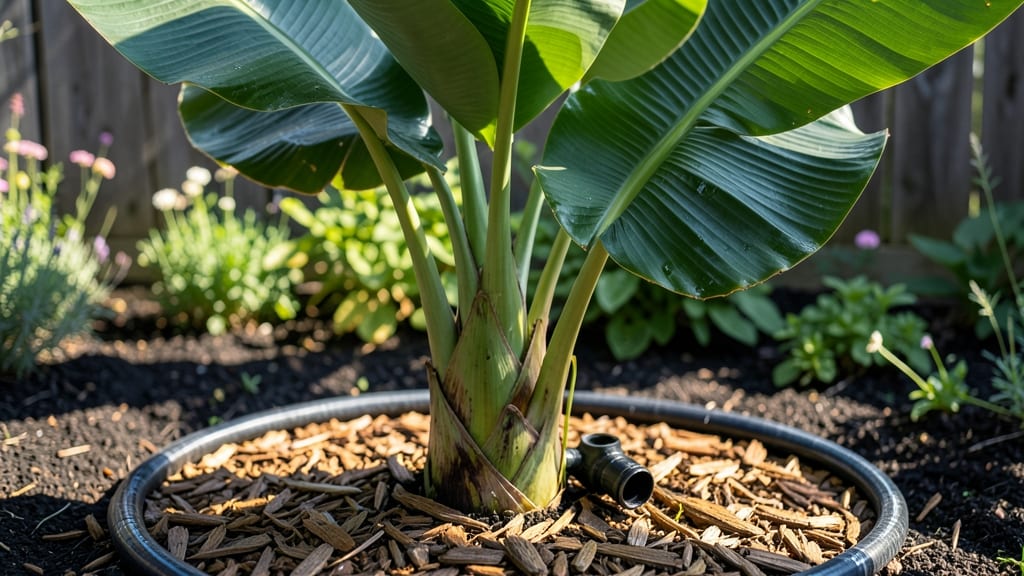
Growing banana leaf trees brings that tropical canopy right to your patio or balcony—no passport required. 🌿 I’ve watched these striking plants transform dull spaces into lush escapes, their bold foliage reaching for the sky even in small containers.
The key? Picking the right species (like the hardy Musa basjoo or the dramatic Strelitzia nicolai) and mimicking their jungle home with just a few adjustments.
You’ll need a large container (at least 15 gallons) with drainage, rich potting mix that stays moist but not soggy, and a spot where they can soak up morning sun and afternoon shade.
Most varieties thrive in zones 8-11, but with winter protection (like moving pots indoors or wrapping trunks), you can grow them as far north as zone 7. The payoff? Year-round drama with minimal fuss—just water when the top inch of soil dries and fertilize lightly during growing months.
Once established, these trees reward you with glossy, oversized leaves that sway in the breeze, plus occasional exotic blooms that smell like vanilla or look like bird-of-paradise. Prune sparingly to maintain shape, and watch for pests like spider mites—just hose them off with water.
The best part? Your neighbors will think you’ve got a secret tropical hideaway, all thanks to a few strategic containers and a little TLC.
Whether you’re in a sweltering zone or a cooler climate, we’ll cover how to keep your banana leaf tree happy through every season—no green thumb required, just enthusiasm. Let’s get those leaves growing!
📚 In This Guide
- What you need
- Instructions
- Tips and common mistakes
- Wrapping up and next steps
What you need
- ● Banana leaf tree plant: 1-3 Musa (dwarf or ornamental) or Strelitzia nicolai (giant white bird-of-paradise) nursery-grown plants (6–12" tall, potted).
- ● Note: Avoid edible banana plants (Musa acuminata) if you’re not prepared for their aggressive growth!
- ● Containers: 1-3 large, drainage-hole-equipped pots (18–24" diameter for dwarf varieties; 24–36" for Strelitzia).
- ● Material: Glazed ceramic, fiberglass, or heavy-duty plastic (avoid untreated wood).
- ● High-quality potting mix: 5–10 gallons of well-draining, peat-based mix (e.g., 60% peat moss, 20% perlite, 20% compost).
- ○ Optional: Add orchid bark (20%) for chunkiness.
- ● Fertilizer: Balanced liquid fertilizer (10-10-10 or 20-20-20) or slow-release granules (e.g., Osmocote).
- ● 1–2 tbsp per gallon of water (for liquid) or 1 cup per 5 gallons of soil (granules).
- ● Tools: Trowel or small shovel
- ○ Garden gloves (optional but recommended—banana pseudostems can be spiky!)
- ● Watering can or hose with adjustable nozzle
- ○ pH test kit (optional, for monitoring soil acidity: ideal range is 5.5–6.5)
- ● Sunlight: Minimum 6+ hours of direct sunlight daily (south-facing window, greenhouse, or patio).
- ● Temperature: Warmth-loving! Keep above 50°F (10°C); ideal range is 70–90°F (21–32°C).
- ● Humidity: 60%+ humidity (use a humidifier or pebble tray if indoors).
- ● Watering routine: Keep soil consistently moist (not soggy!)—water when top 1–2" of soil is dry.
- ● Space: Account for rapid growth—dwarf varieties may reach 6–10' tall/wide; Strelitzia can exceed 12'!
- ● 🌡️ Acclimate plants gradually to your space if moving from a nursery (harden off for 3–5 days).
- ● ✨ Line containers with landscape fabric to prevent soil loss through drainage holes.
- ● 🎯 Mulch lightly with orchid bark to retain moisture (but avoid smothering roots).
How to grow stunning banana leaf trees in containers
Here's how I've mastered growing these dramatic tropical plants indoors—no greenhouse required.
🌱 Step 1: Select the Right Variety and Container
Choose a dwarf banana variety like Musa basjoo or Musa acuminata 'Dwarf Blue'—they're perfect for containers. These stay under 6 feet tall but deliver 3-foot-wide tropical leaves that make a statement. Select a container at least 18 inches wide and deep with drainage holes (banana roots despise soggy feet). I use unglazed terra cotta because it breathes and mimics tropical soil conditions.
Fill the bottom 3 inches with orchid bark mix for drainage. This prevents root rot while allowing water to flow freely. The bark also mimics the airy, well-draining conditions banana plants thrive in naturally. Skip the heavy garden soil—it compacts and suffocates roots. Here's the thing—banana plants grow fast, so choose a container with room to expand for at least 2 years.
🌿 Step 2: Create the Ideal Tropical Soil Mix
Combine 50% peat moss, 30% coconut coir, and 20% perlite for the perfect airy, moisture-retentive mix. This replicates the loose, fibrous soil of banana's native tropical forests. I add 1 cup of worm castings per 12 inches of pot diameter—this gives the plant a slow-release nutrient boost without burning tender roots. Mix thoroughly until the texture feels light and fluffy, like a cloud.
Moisten the mix until it's damp but not dripping. You want it to hold moisture like a wrung-out sponge—banana leaves wilt dramatically when thirsty, but they also hate sitting in water. Fill the container 2 inches below the rim, leaving space for watering. Tap the container gently on the table to settle the mix without compacting it. This ensures roots can spread freely through the loose medium.
☀️ Step 3: Plant and Position for Maximum Light
Remove the plant from its nursery pot and gently tease apart the roots if they're circling. Place it in the center of your container and backfill with the prepared mix, pressing lightly around the base. The crown (where leaves meet the stem) should sit just above soil level—burying it invites rot. Water immediately after planting to settle the soil and eliminate air pockets.
Banana leaf trees need bright, indirect light for 8+ hours daily. A south or west-facing window works best, but direct midday sun can scorch leaves. If using artificial light, position full-spectrum LEDs 12-18 inches above the plant for 14 hours daily. Watch for yellowing leaves—this signals either too much sun (brown crispy edges) or not enough (pale, stretched growth). Adjust placement until you see deep green, glossy leaves with no discoloration.
💧 Step 4: Master Watering for Tropical Growth
Water when the top 2-3 inches of soil feel dry to the touch. Stick your finger in—if it comes out clean, it's time to water. Banana plants drink heavily during active growth (spring-summer) but need less in winter. I use lukewarm water to prevent shock—cold water stresses tropical plants. Always water at the base, not over leaves, to prevent fungal diseases like black leaf spot.
Drainage is critical—empty saucers 30 minutes after watering to prevent root rot. During summer, you might water every 2-3 days, but reduce to once weekly in winter when growth slows. Overwatering is the #1 killer—yellowing leaves that feel mushy? That's rot setting in. Here's the trick: Let the soil dry between waterings, even if it means slightly wilting leaves. They bounce back faster than you think.
Tips & tricks for growing stunning banana leaf trees in containers
Real talk: These tropical beauties are forgiving once you get their care routine right. Here’s how to avoid the most common pitfalls and set your banana leaf tree up for success.
Container Size Matters: That 18-inch minimum width isn’t just a suggestion—it’s non-negotiable for the first two years. I’ve seen banana plants outgrow 20-inch pots in just six months. If you’re worried about moving, choose a container with wheels or a lightweight material like glazed ceramic. The key is giving roots room to spread horizontally before they start circling, which leads to stunted growth. And trust me, you’ll notice the difference when your leaves reach that show-stopping 3-foot width.
Soil Texture is Everything: The 50-30-20 mix of peat moss, coconut coir, and perlite isn’t just arbitrary—it’s about creating that perfect balance of aeration and moisture retention. If your mix feels dense or compacted, add another 10% perlite. I’ve learned this the hard way after seeing roots suffocate in too-heavy soil. The goal is a texture that crumbles easily between your fingers, like a well-aerated cake batter. Pro tip: Add a handful of chicken grit to the mix—it helps break down organic matter and improves drainage over time.
Lighting Hacks for Indoor Growers: Those 8+ hours of bright, indirect light can be tricky indoors. If your south-facing window isn’t cutting it, supplement with a full-spectrum LED grow light positioned 12-18 inches above the plant. I’ve found that adjusting the light height as the plant grows (keeping it just above the tallest leaf) prevents leggy growth. And here’s what nobody tells you—rotate your plant weekly so all sides get even light exposure. You’ll see the difference in those glossy, symmetrical leaves.
Watering Wisdom: The finger-in-the-soil test is your best friend, but there’s a trick to it: Press your finger about 2 inches deep. If it comes out clean, water thoroughly until it drains from the bottom. The 30-minute drainage rule is critical—never let your banana tree sit in saucer water. During winter, I cut back to watering only when the top 3 inches feel completely dry, and you’ll see new growth return in spring. The secret to thriving banana leaf trees? Let them tell you when they’re thirsty.
Pro Tips for Banana Leaf Trees
- Real talk: These tropical beauties are forgiving once you get their care routine right.
- Container Size Matters: That 18-inch minimum width isn’t just a suggestion—it’s non-negotiable for the first two years.
- Soil Texture is Everything: The 50-30-20 mix of peat moss, coconut coir, and perlite isn’t just arbitrary—it’s about creating that perfect balance of aeration and moisture retention.
Frequently asked questions
Got questions about growing banana leaf trees?
You’re not alone! Here are some of the most common queries—plus straightforward answers to help you cultivate a lush, tropical canopy with confidence.
How fast do banana leaf trees grow, and how big can they get in containers?
Banana leaf trees (like Musa basjoo) grow 1–3 feet per year in ideal conditions. In containers, they typically reach 6–10 feet tall but can be pruned to manage size. Choose a 15–20 gallon pot for mature plants to prevent root-bound stress. Dwarf varieties (e.g., Musa acuminata) stay smaller—perfect for patios!
Are banana leaf trees cold-hardy? What’s the lowest temperature they tolerate?
Most banana leaf trees thrive in USDA Zones 8–11 and struggle below 25°F (-4°C). Musa basjoo is the hardiest, surviving brief dips to 15°F (-9°C), but younger plants or tropical species need winter protection. Use mulch, frost cloth, or move pots indoors for safety.
How often should I water banana leaf trees, and do they like humidity?
Water when the top 2–3 inches of soil feel dry—usually 1–2 times per week in warm weather. They love humidity (60%+ ideal) but tolerate average home conditions. Mist leaves or place the pot on a pebble tray with water to boost moisture. Yellowing leaves? Often a sign of overwatering or poor drainage.
Can I grow banana leaf trees from store-bought bananas? How do I propagate them?
Yes! Save the top 1–2 inches of a banana stem (with a few "eyes"), let it dry for 2–3 days, then plant in moist soil. Cover with a plastic bag to retain humidity. Roots take 4–8 weeks to form. For cuttings, use healthy pseudostems (the "trunk") with at least one growth node.
What pests or diseases should I watch for, and how do I treat them?
Common issues include:
- Spider mites: Wipe leaves with neem oil or a soapy water spray.
- Scale insects: Scrape off with a soft brush or use horticultural oil.
- Fungal spots: Improve airflow, avoid overhead watering, and treat with copper fungicide if needed.
- Root rot: Ensure pots have drainage holes and use well-draining soil.
Prevention? Inspect leaves weekly and keep the area clean! →
Wrapping up and next steps
Growing banana leaf trees in containers is a rewarding way to bring tropical flair to your space—whether you’re a seasoned gardener or just starting! 🌿 With the right care, these stunning plants can thrive year-round, offering lush foliage and even edible fruit.
Whether you’re drawn to their Musa basjoo elegance or the exotic allure of Musa velutina, the key is patience, consistency, and a little creativity.
Ready to take the next step? Start with one plant—experiment with containers, prune with confidence, and enjoy the journey. Who knows? Your balcony or patio might soon become the envy of the neighborhood! 🌱