
Blooming
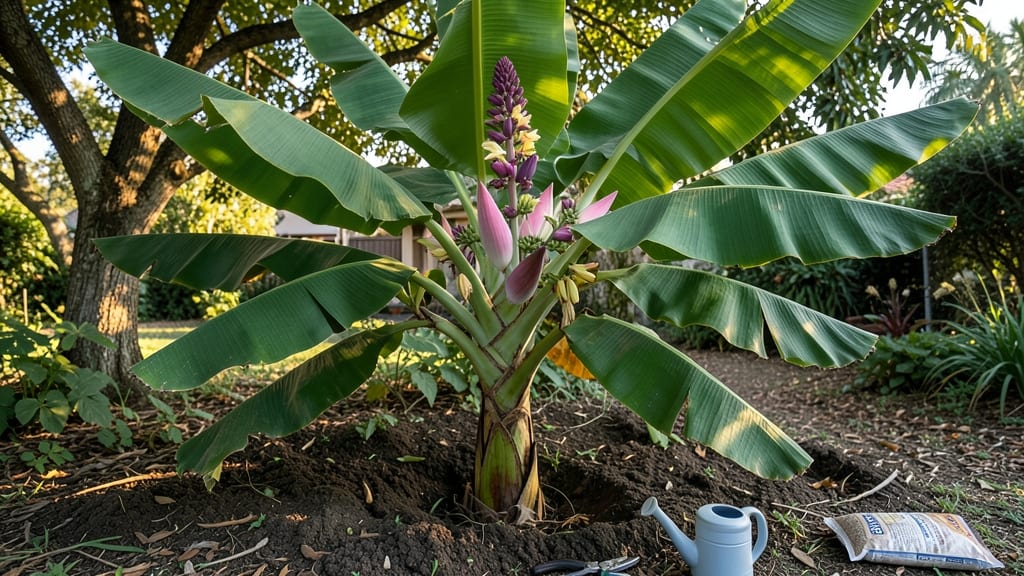
Banana trees flowering stages reveal the secret to your first homegrown harvest—if you know what to watch for. 🌱 That dramatic, foot-long flower spike isn't just showy; it's your countdown to fruit, and each stage lasts just days.
I've tracked these phases for years, and the timing is tighter than most gardeners realize.
The process starts with a tight bud that unfurls into a vibrant purple or red "hand" of tiny flowers. Within 7-10 days, the first blooms open at the bottom while new buds form above—like a conveyor belt of potential fruit.
Temperature and sunlight become critical here: too much heat can stall the process, while consistent morning sun keeps it moving.
By stage three, you'll see tiny green fingers forming where the flowers were. These develop into hands of bananas in 4-6 weeks, and their growth rate reveals everything about your tree's health.
A strong, upright hand means your plant is thriving; a drooping one signals stress from water or nutrients.
Common varieties like Cavendish and Lady Finger follow this same timeline, though Lady Finger's smaller hands mature slightly faster. The key is patience—don't rush the process by over-fertilizing or pruning too early. Once you recognize these stages, you'll predict harvests within weeks, not months.
📚 In This Guide
- What you need
- Instructions
- Tips and common mistakes
- Wrapping up and next steps
What you need
- ● Banana tree (Musa spp.) – Choose a healthy, mature plant (1–3 years old) with a pseudostem diameter of at least 10–12 inches.
- ● Pruning shears or sharp knife – Sterilized to avoid disease (e.g., 70% isopropyl alcohol).
- ● Gloves (nitrile or leather) – Protects hands from sap and sharp edges.
- ● Notebook & pen – For logging flowering stages, dates, and observations.
- ● Camera or smartphone – To document each stage (helpful for tracking trends!).
- ● pH test kit – Ensures soil pH is between 5.5–7.0 (bananas thrive in slightly acidic to neutral soil).
- ● Fertilizer (balanced or potassium-rich) – Use a 10-10-10 or 6-12-12 NPK ratio during flowering (follow label instructions).
- ● Growth regulator (e.g., ethephon) – For commercial growers only—speeds up flowering in some varieties (consult local regulations).
- ● Humidity tray or misting bottle – Maintains moisture during dry spells (banana flowers are sensitive to stress!).
- ● Support stakes or trellis – Helps heavy fruit clusters if your tree is young or top-heavy.
- ● Soil moisture meter – Ensures consistent hydration (aim for 1–1.5 inches of water per week).
Understanding your banana tree’s bloom-to-fruit journey
Watch as your banana tree transforms from a dramatic flower spike to a lush fruit bunch.
🌱 Step 1: Identify the Flower Spike (Pseudostem Stage)
The first clue your banana tree is about to flower is a new shoot emerging from the center. This isn’t a leaf—it’s the flower spike (inflorescence), wrapped tightly in a sheath. It’ll grow 6-12 inches per day under ideal conditions, so you’ll notice it shooting up rapidly. The sheath will eventually split open, revealing the banana heart—a dramatic, purple-red flower cluster.
Here’s the thing—this spike can weigh 20+ pounds when fully grown, so your tree’s trunk (pseudostem) must be at least 3-4 feet tall before flowering. If it’s smaller, the weight might snap it. Keep the soil moist but not soggy during this rapid growth phase, as the plant directs all energy into building the spike.
☀️ Step 2: Watch the Flower Open (Bloom Phase)
Once the sheath splits, the flower cluster unfurls like a purple-and-white orchid, with tiny male flowers at the top and female flowers at the base. This process takes 3-7 days, depending on temperature. The male flowers will wither first, leaving behind a dangling, thread-like structure—this is normal and signals the female flowers are now pollinating.
Real talk: You won’t need to hand-pollinate unless you’re growing rare varieties. Most banana trees rely on wind or bees for pollination. If your tree is indoors, open windows briefly during warm days to encourage pollinators. Watch for the female flowers to swell—they’ll turn from green to yellowish as they develop into fruit.
🌿 Step 3: Track Fruit Development (Hand to Bunch)
Within 2-4 weeks after flowering, the female flowers will transform into tiny green bananas, starting at the bottom of the spike and working upward. This is called the "hand" (a cluster of bananas), and it’ll grow 1-2 inches per week. The key checkpoint: When the bottom hand reaches 3-4 inches long, the entire bunch will be harvestable in 6-8 weeks, depending on the variety.
Don’t rush to harvest—wait until the top hand is still small but firm, not mushy. Overripe bananas on the tree won’t sweeten further; they’ll just spoil. If your tree is in a cooler climate, fruit development slows down. Move potted trees to a sunny, warm spot (70-85°F) to speed up ripening.
⏰ Step 4: Time the Harvest (Peak Ripeness)
The exact harvest time depends on the variety, but most bananas are ready when the top hand is still green but the bottom hands are yellowing. For dessert bananas, harvest when the stem near the bunch softens slightly—this signals starch conversion to sugar. For plantains, wait until the bunch turns fully yellow before cooking.
Here’s how to tell it’s just right: Gently twist the bunch at the base. If it snaps cleanly (not tears), it’s ready. If it resists, wait 3-5 more days. Once harvested, bananas won’t ripen further—they’ll just overripen. Place them in a paper bag with an apple to speed up ripening if needed.
💧 Step 5: Care for the Mother Plant Post-Harvest
After harvesting, the mother plant will die back—its leaves will yellow and collapse. This is normal! The energy that fueled the fruit is spent. However, suckers (new shoots) will emerge from the base within 4-8 weeks. These are your future banana trees. Choose the healthiest, largest sucker (usually the one closest to the original stem) to replace the mother plant.
Don’t overwater now—the dying pseudostem rots easily. Reduce watering to once every 10-14 days until the new sucker is 12+ inches tall, then resume normal care. This is the moment that matters: Proper sucker selection ensures your next harvest will be even bigger.
Tips & tricks for perfect banana tree flowering stages
Here's what nobody tells you about growing bananas—these tricks will help you avoid common pitfalls and maximize your harvest.
Support System: In Step 1, when that flower spike starts shooting up, you might notice your tree leaning. Confession: I skipped staking my first banana tree, and the 20-pound spike snapped it clean off. Use a bamboo stake tied loosely to the trunk as the spike emerges—this prevents the weight from breaking the pseudostem. The stake should support the spike's growth without restricting it.
Pollination Boost: During the 3-7 day bloom phase (Step 2), if you're growing indoors or in an area with few pollinators, try this: Gently shake the flower cluster each morning. The movement mimics wind pollination and helps transfer pollen from male to female flowers. For outdoor trees, plant some flowering herbs nearby—bees love them and will visit your banana tree too.
Temperature Control: The instructions mention keeping your tree at 70-85°F during fruit development (Step 3). I've found that consistency matters more than the exact temperature. Use a small space heater near potted trees during cooler evenings (but never let it blow directly on the leaves) to maintain warmth. In hot climates, provide afternoon shade to prevent sunburn on developing fruit—this is especially critical for varieties sensitive to heat stress.
Harvest Timing Secret: When checking harvest readiness in Step 4, pay attention to the stem's texture—it should give slightly when pressed near the base. I learned this the hard way after harvesting too early and getting bland-tasting bananas. For dessert varieties, aim for when about 10% of the bottom hands are yellowing. For plantains, wait until the entire bunch turns uniformly yellow—this ensures maximum starch content for cooking.
Pro Tips for Banana Tree Flowering Stages
- Here's what nobody tells you about growing bananas—these tricks will help you avoid common pitfalls and maximize your harvest.
- Support System: In Step 1, when that flower spike starts shooting up, you might notice your tree leaning.
- Pollination Boost: During the 3-7 day bloom phase (Step 2), if you're growing indoors or in an area with few pollinators, try this: Gently shake the flower cluster each morning.
Frequently asked questions
Got questions about banana tree flowering? We’ve got answers!
Whether you’re a first-time grower or a seasoned gardener, understanding the stages from bloom to fruit can be tricky. Here are some of the most common questions—and their solutions—to help you navigate the process like a pro.
How long does it take for a banana flower to turn into fruit?
After the banana tree blooms, it typically takes 3–6 months for the flower to develop into edible fruit, depending on the variety and growing conditions. Dwarf Cavendish bananas often mature faster (around 100–120 days), while larger varieties like Grand Nain may take longer. Patience is key—don’t rush it!
Why isn’t my banana tree flowering?
Banana trees often only flower once before dying (in monocrop varieties), and they need specific triggers: mature size (5–6 feet tall), warm temperatures (75–90°F), and consistent care. If your tree isn’t flowering after 1–2 years, check for:
- Insufficient sunlight (6+ hours/day)
- Poor soil drainage or nutrient deficiencies (add potassium-rich fertilizer)
- Cold drafts or stress (bananas hate sudden temperature drops!)
Can I eat the banana flower (heart) before the fruit ripens?
The banana heart (flower bud) is a delicacy in many cuisines and can be harvested before the fruit forms. It’s packed with nutrients like vitamin B6, magnesium, and antioxidants. Just remove the outer layers, cook it (boiling or stir-frying works best), and enjoy—just be sure to wear gloves (the sap can irritate skin!).
What’s the best temperature for banana flowering and fruiting?
Banana trees thrive in warm, tropical climates (75–90°F during the day, 65–75°F at night). Temperatures below 50°F can shock the tree, halting flowering or damaging buds. If you’re in a cooler zone:
- Grow in containers for easy relocation indoors during cold snaps.
- Use mulch to insulate roots.
- Choose cold-hardy varieties like Red Dacca or Ice Cream Banana.
What should I do if my banana flower wilts or turns brown?
Wilting or browning banana flowers are often signs of stress or disease. Common culprits include:
- Overwatering (root rot)—let soil dry slightly between waterings.
- Pests (aphids, thrips)—spray with neem oil or insecticidal soap.
- Fungal issues (like Sigatoka leaf spot)—remove affected leaves and apply copper fungicide.
- Sunburn—young flowers need gradual sun exposure.
Wrapping up and next steps
Understanding the banana tree flowering stages is your secret weapon for a bountiful harvest! 🌱 From the first boom to the sweet, ripe fruit, each phase plays a crucial role in what you’ll eventually enjoy.
By recognizing these stages—like the male bud, female flowers, and fruit development—you’re already one step ahead in growing healthier, more productive banana trees.
Now that you’re armed with knowledge, put it into action! 🌟 Start by monitoring your tree’s progress, adjust care as needed, and soon, you’ll be savoring homegrown bananas at their peak. Happy growing!