Trees
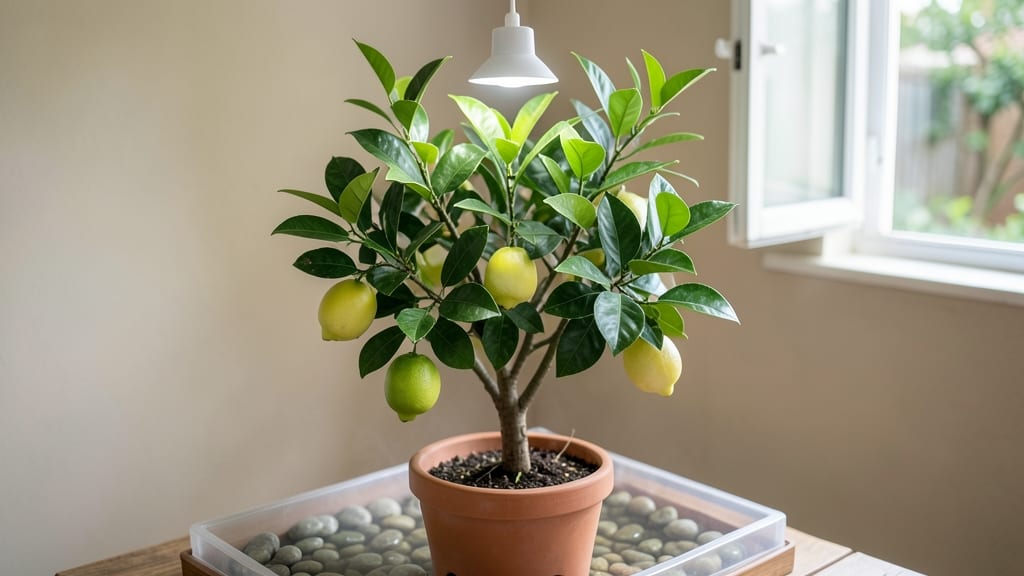
Growing fruit trees indoors means sweet rewards without a backyard—my Meyer lemon tree in the sunroom has produced fruit for three winters in a row. The key is choosing the right dwarf varieties that handle indoor life, like citrus, figs, or apples bred for small spaces.
These aren’t just houseplants; they’re real trees with real fruit potential, though they’ll need more care than their outdoor cousins.
You’ll need a 6-8 inch pot with drainage, a grow light or south-facing window for 6+ hours of sunlight, and a well-draining potting mix designed for citrus or fruit trees.
Humidity is critical—think of a pebble tray or humidifier near the tree, especially in dry winter air. Pruning isn’t just about shape; it’s about encouraging fruit production by removing crowded branches.
What you’ll get is a tree that bears fruit in 1-3 years (vs. 5+ outdoors) and keeps you in fresh lemons, figs, or apples year-round. The smell of blossoms in winter and the first bite of homegrown fruit make the effort worth it.
Just be patient—indoor trees grow slower, but with the right setup, they thrive.
This works best for small spaces, apartments, or greenhouses, but even outdoor gardeners can grow a winter tree indoors to extend the season. The biggest challenge? Pollination—hand-pollinating with a small brush works wonders for varieties like apples. Let’s get those trees fruiting!
📚 In This Guide
- What you need
- Instructions
- Tips and common mistakes
- Wrapping up and next steps
What you need
- ● Dwarf fruit tree: Choose a variety like Citrus (e.g., Meyer Lemon, Calamondin), Dwarf Apple, or Fig (3–5 years old, potted).
- ● Container: 5–15 gallon pot with drainage holes (terracotta or fabric grow bags work best).
- ● Well-draining soil: Mix 60% potting soil with 30% perlite and 10% compost (avoid garden soil!).
- ● Grow lights: Full-spectrum LED (12–16 hours/day) or a south-facing window (if natural light is strong).
- ● Fertilizer: Balanced liquid fertilizer (10-10-10 or citrus-specific) or slow-release granules.
- ● Humidity tray: Shallow tray with pebbles + water (to combat dry indoor air).
- ● Pruning tools: Small bypass pruners + rubbing alcohol (for sterilization).
- ● Self-watering pot (for consistent moisture).
- ● Soil moisture meter (to avoid over/under-watering).
- ● Pollination aid: Small brush or electric toothbrush (for hand-pollinating flowers).
- ● Tree support: Small stake or trellis (if your tree grows tall).
- ● Pest control: Neem oil or insecticidal soap (just in case!).
How to cultivate dwarf fruit trees indoors for year-round harvests
Here's the method I've refined over years of growing compact fruit trees—no greenhouse needed.
Select the Right Dwarf Variety and Container
Choose a self-pollinating dwarf variety like 'Columnar Apple', 'Patio Pear', or 'Dwarf Meyer Lemon'—these stay under 6 feet tall and thrive indoors. The root system needs room, so opt for a 20-30 gallon container with drainage holes. I use unglazed ceramic pots because they wick moisture away naturally, preventing root rot.
Fill the bottom 4 inches with gravel or expanded clay pebbles for drainage. This layer prevents waterlogging, which is the #1 killer of indoor fruit trees. The extra space also mimics outdoor root zones, letting roots breathe while holding moisture efficiently.
Prepare the Soil and Plant with Proper Technique
Use a well-draining potting mix designed for fruit trees—avoid generic garden soil, which compacts and suffocates roots. Mix in 20% perlite or pumice to improve aeration. I always add 1 part compost to the mix for organic matter, which supports microbial life essential for nutrient uptake.
Plant your dwarf tree at the same depth it was in its nursery pot. Press the soil gently around the roots to eliminate air pockets, but don't compact it. Water thoroughly until it drains from the bottom holes—this settles the soil and eliminates gaps where roots could dry out.
Position for Maximum Sunlight and Control Temperature
Place your tree within 3 feet of a south-facing window or under grow lights providing 12-14 hours of light daily. Without enough light, leaves yellow and fruit won't develop properly. If using natural light, rotate the pot quarter-turn weekly so the tree grows evenly toward all directions.
Maintain temperatures between 65-75°F during the day and 55-60°F at night. Avoid drafts from windows or vents, which cause stress. A small space heater with a thermostat can help maintain warmth in winter, but never let it exceed 80°F—high heat weakens the tree's ability to absorb nutrients.
Water and Fertilize for Optimal Growth
Water when the top 2 inches of soil feel dry—stick your finger in to check. Overwatering is worse than underwatering; soggy soil leads to root rot. I use room-temperature water to avoid shocking the roots. In winter, reduce watering by half since the tree's growth slows.
Fertilize every 4-6 weeks with a balanced organic fertilizer (10-10-10 or similar). In early spring, switch to a high-phosphorus formula to encourage flowering. Stop fertilizing in late summer to let the tree harden off before winter. Too much fertilizer late in the season leads to tender new growth that won't survive cold snaps.
Prune and Train for Shape and Fruit Production
Prune in late winter or early spring before new growth begins. Remove dead, crossing, or inward-growing branches first. Then, cut back overly long branches by one-third to encourage bushier growth. I always sterilize my pruners with rubbing alcohol to prevent disease spread.
Train the tree by tying main branches to small stakes if needed—this prevents them from bending under fruit weight. Thin out excessive fruit when they're pea-sized to ensure the remaining ones grow larger. Overloaded branches snap easily, and small fruit rarely ripens properly indoors.
Tips & tricks for perfect indoor dwarf fruit trees
Here's what I've learned after years of growing these compact fruit trees indoors without a greenhouse.
Lighting Strategy: The 12-14 hours of light requirement is non-negotiable for fruit production. If your south-facing window isn't sufficient, invest in full-spectrum LED grow lights. Position them just 6-12 inches above the tree to maximize efficiency. I've found that supplementing with grow lights during winter months prevents leaf drop and ensures consistent fruit development. For best results, use lights on a timer to maintain that critical 12-14 hour cycle.
Container Depth Matters: While the instructions mention 20-30 gallon containers, I've discovered that deeper pots (up to 36 inches) work even better for dwarf fruit trees. The extra depth encourages stronger root systems that can support fruit production. If using standard containers, add 2-3 inches of extra drainage material at the bottom beyond the specified 4 inches to create more rooting space. This modification has significantly improved my trees' ability to produce fruit indoors.
Soil Mix Optimization: The recommended 20% perlite or pumice is excellent, but I've enhanced it further by adding 10% coconut coir. This combination improves moisture retention while maintaining excellent drainage. The coconut coir also helps maintain slightly higher humidity around the roots, which mimics outdoor conditions. When mixing, sift the potting soil first to remove any large clumps that could compact and suffocate roots.
Temperature Fine-Tuning: Maintaining the 65-75°F day range and 55-60°F night range is crucial, but I've learned to watch for subtle signs of stress. If leaves start curling upward during the day, your tree is likely too hot. Conversely, if new growth appears yellowish, it's probably too cold. A simple digital thermometer placed near the tree helps monitor these fluctuations. In winter, I often move trees away from cold windows at night to maintain that 55-60°F range.
Pro Tips for Growing Fruit Trees Indoors
- Here's what I've learned after years of growing these compact fruit trees indoors without a greenhouse.
- Lighting Strategy: The 12-14 hours of light requirement is non-negotiable for fruit production.
- Container Depth Matters: While the instructions mention 20-30 gallon containers, I've discovered that deeper pots (up to 36 inches) work even better for dwarf fruit trees.
Frequently asked questions
Got questions about growing fruit trees indoors? You’re not alone—it’s a rewarding but tricky hobby! Below, we’ve tackled the most common concerns to help you get started with confidence.
What are the easiest fruit trees to grow indoors?
Dwarf varieties like Citrus (lemon, lime, or orange), Fig, Dwarf Meyer Lemon, or Apple (Columnar types) are the best bets. They adapt well to containers, need less space, and tolerate indoor light better than full-sized trees. Look for grafted trees—they fruit faster and stay compact!
How long does it take for an indoor fruit tree to bear fruit?
Patience is key! Most dwarf fruit trees take 1–3 years to produce fruit, depending on the variety and care. Citrus trees often fruit within 1–2 years, while apples or figs may take longer. Keep conditions ideal (light, water, and nutrients), and you’ll see rewards sooner.
Can I grow a fruit tree indoors without a grow light?
It’s possible, but challenging. Indoor fruit trees need 6–8 hours of bright, direct sunlight daily. A south- or west-facing window works best. If natural light is limited, supplement with a full-spectrum LED grow light (12–16 hours/day) to mimic sunlight and prevent leggy growth.
Why is my indoor fruit tree dropping leaves?
Leaf drop is usually a sign of stress—often from overwatering, underwatering, or sudden temperature changes. Check the soil moisture (top inch should be dry before watering) and ensure your tree isn’t near drafts or heating vents. Yellow leaves? It might need more light or nutrients (try a balanced fertilizer).
Can I grow more than one fruit tree in the same room?
but plan carefully! Trees need space for airflow and light. Place them near windows or under grow lights with at least 12–18 inches between containers. Avoid mixing trees with vastly different care needs (e.g., citrus + apples)—they may compete for resources or attract pests.
How do I pollinate an indoor fruit tree?
Most indoor fruit trees are self-pollinating, meaning they don’t need extra help. However, if you’re growing non-self-pollinating varieties (like some apples or pears), gently shake the branches or use a small paintbrush to transfer pollen between flowers. Do this in the morning when flowers are open!
Wrapping up and next steps
Growing fruit trees indoors isn’t just a dream—it’s a rewarding adventure that brings fresh, homegrown flavors right to your kitchen! With the right dwarf varieties, proper sunlight, and a little care, you can enjoy harvests year-round.
Whether you’re a beginner or a seasoned plant parent, this journey is packed with joy, learning, and delicious results.
Ready to take the next step? Start by choosing your favorite fruit tree, gathering your supplies, and giving it a sunny spot to thrive. Your indoor orchard awaits! 🌱🍓