
Pruning
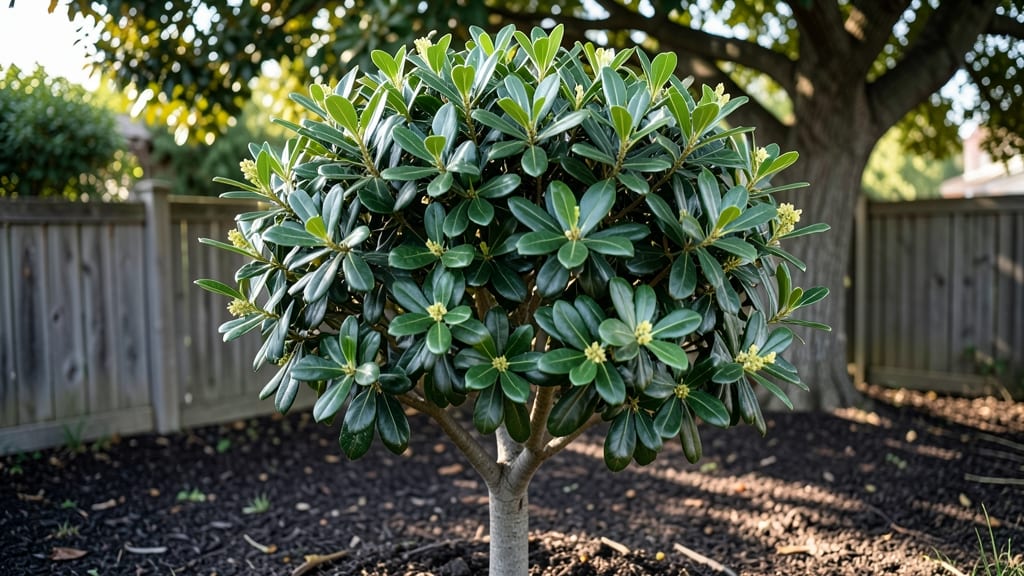
Caring for a bay leaf tree in the Pacific Northwest means mastering frost-resistant pruning that keeps it thriving year-round. 🌿 I’ve learned the hard way—after my first winter nearly killed my tree—that timing and technique make all the difference.
The key isn’t just cutting back; it’s understanding when to prune, how much to remove, and which tools to use to avoid stressing the plant.
Bay leaf trees (Laurus nobilis) love sunlight but can handle partial shade, making them versatile for both outdoor gardens and indoor pots. In the PNW’s cooler climate, they need well-draining soil and protection from harsh winds.
Water deeply but let the top inch of soil dry between waterings—overwatering is the fastest way to kill these hardy plants. Pruning in late winter or early spring (before new growth starts) encourages bushier, frost-hardier foliage.
With the right approach, your bay leaf tree will reward you with glossy, fragrant leaves for years. A well-pruned tree stays compact, resists disease, and even produces small berries that birds love. The secret?
Prune just outside the leaf nodes, avoid cutting into old wood, and never remove more than a third of the foliage at once. Patience pays off—your tree will thank you with lush, healthy growth.
Whether you’re growing yours outdoors in a sheltered spot or indoors near a sunny window, the same principles apply. The PNW’s mild winters mean you can often leave your tree outside year-round, but a little winter protection (like a frost cloth) goes a long way.
Keep an eye out for yellowing leaves—a sign of overwatering or nutrient deficiency—and adjust care accordingly.
📚 In This Guide
- What you need
- Instructions
- Tips and common mistakes
- Wrapping up and next steps
What you need
- ● Pruning shears: Bypass pruners (for small branches, 2–4 inches thick) – 1 pair (look for ergonomic handles and sharp stainless steel blades).
- ● Loppers: Bypass or anvil type (for medium branches, 4–8 inches thick) – 1 pair (extendable loppers are a game-changer for tall trees!).
- ● Pruning saw: Curved-tooth handsaw (for thick branches, 8+ inches) – 1 saw (avoid straight-tooth saws—they tear wood).
- ● Gloves: Heavy-duty gardening gloves (cut-resistant, like those with Kevlar or leather palms) – 1 pair (bay leaves can be sharp!).
- ● Disinfectant: 70% isopropyl alcohol or pruning sealant – small bottle (sterilizes tools between cuts to prevent disease).
- ● Rope or ladder: Sturdy extension ladder (for tall trees) or long-handled pruners – 1 ladder (if needed) (ensure it’s rated for your tree’s height!).
- ● Tree wound pruning paste: Speeds up healing of larger cuts (apply to branches >2 inches thick).
- ● Labeling tags: Small plastic tags + marker (if propagating cuttings or marking sections for future reference).
- ● Safety gear: Safety glasses (in case of debris) and ear protection (if using a chainsaw for very thick branches).
- ● Compost bin or bag: For collecting pruned leaves/branches (bay leaves are biodegradable but can be strong-smelling when fresh!).
- ● Frost cloth: Lightweight fabric (to protect newly pruned branches if a late frost is forecasted).
- ● Mulch: Wood chips or straw (2–3 inches thick) – spread around the base after pruning to insulate roots.
Step-by-step guide for pruning your Pacific Northwest bay leaf tree
Here's how to keep your bay tree thriving through PNW winters—with pruning that protects against frost.
✂️ Step 1: Time Your Pruning for Late Winter or Early Spring
Wait until after the last frost date in your area—typically late February to early March in the Pacific Northwest. Pruning too early risks exposing new growth to cold snaps, while waiting too long means you miss the ideal window for encouraging fresh, frost-resistant foliage. I always check my local frost calendar first to avoid cutting back when buds are still dormant.
Look for bare branches with no leaves—this signals the tree is fully dormant and ready for pruning. If you see any green shoots, wait another 2-3 weeks. The goal is to shape the tree before spring growth kicks in, which usually happens around mid-March in most PNW zones.
✂️ Step 2: Remove Dead, Diseased, or Crossing Branches First
Start by inspecting the tree for dead wood (branches that snap easily when bent) or diseased limbs (discolored, oozing sap, or fungal growth). Use sterilized pruning shears to cut these out at the branch collar—the swollen area where the branch meets the trunk. Never leave stubs; clean cuts heal faster and prevent rot.
Next, remove any branches that cross or rub against each other. These create wounds that invite pests and disease. If two branches are competing for space, keep the stronger one—the one growing at a better angle or with thicker foliage. I always step back every few cuts to visualize the tree’s new shape.
☀️ Step 3: Thin Out the Canopy for Better Airflow
Bay trees need good airflow to prevent fungal issues, especially in the damp PNW climate. Focus on thinning the inner canopy first—this means cutting back branches that grow toward the center of the tree. Aim to remove about 20-25% of the total foliage in one session to avoid shocking the plant.
Look for branches that are growing too densely. If you can’t see light filtering through to the inner leaves, it’s time to thin. Use hand pruners for smaller branches and loppers for thicker ones. Cut just outside the branch collar, and always make the cut at a 45-degree angle to shed water away from the wound.
⏰ Step 4: Shape the Tree for Frost Resistance
Bay trees handle frost better when their structure is open and air can circulate freely. After thinning, step back and assess the tree’s shape. Remove any weak or leggy growth—these are branches that stretch outward with sparse leaves. They’re more vulnerable to frost damage and don’t contribute much to the tree’s health.
If your bay tree is mature, you can also lightly prune the outer edges to encourage bushier growth. Avoid heavy pruning on older trees, as they may take longer to recover. The key is to maintain an open, vase-like shape that lets sunlight and air reach all parts of the tree. This isn’t just about looks—it’s about survival.
💧 Step 5: Post-Pruning Care for a Strong Recovery
After pruning, water the tree deeply to help it recover from the stress. The root system will need to support new growth, and a good soak ensures it’s ready. Avoid fertilizing right after pruning—wait until new growth appears, usually within 4-6 weeks. Too much fertilizer too soon can burn the roots.
Monitor the tree closely for the next few weeks. If you see yellowing leaves or wilted branches, it might be adjusting to the pruning. Don’t panic—this is normal. However, if you notice blackened leaves or mold, you may have cut too aggressively or left wounds exposed. In that case, apply a copper fungicide as a precaution.
Tips & tricks for perfect bay leaf tree pruning
Here's what nobody tells you about keeping your PNW bay tree healthy through winter—trust me, these details make all the difference.
Timing Secret: The 2-3 week buffer after seeing green shoots is your safety net. I learned this the hard way after pruning too early and watching new growth freeze in a late March cold snap. Use a local frost calendar app to set reminders for your specific zone—PNW frost dates can vary by 10 days even between nearby cities.
Tool Prep: Sterilize your pruning tools with rubbing alcohol before you start. I keep a small bottle in my gardening toolkit—this prevents spreading disease between cuts. For larger branches, use loppers with bypass blades (the scissor-like action gives cleaner cuts) rather than anvil pruners, which can crush wood and create entry points for pests.
Visual Cues for Canopy Thinning: When thinning the inner canopy, aim to create gaps where you can see sky through the branches. This isn't just about looks—it's about creating airflow pathways that prevent fungal spores from settling. I always do a "shadow test": if your hand casts a shadow on the ground when held above the canopy, you're not thinning enough.
Recovery Strategy: That 4-6 week wait before fertilizing is non-negotiable. I've seen too many gardeners rush and end up with fertilizer burn. Instead, focus on deep watering—give the tree 10-15 gallons of water (depending on size) immediately after pruning. The roots will thank you when new growth appears.
Pro Tips for Bay Leaf Tree Care
- Here's what nobody tells you about keeping your PNW bay tree healthy through winter—trust me, these details make all the difference.
- Timing Secret: The 2-3 week buffer after seeing green shoots is your safety net.
- Tool Prep: Sterilize your pruning tools with rubbing alcohol before you start.
Frequently asked questions
How cold can bay leaf trees handle in the PNW?
Most bay leaf trees (Umbellularia californica) are hardy down to 10–15°F (-12 to -9°C), making them surprisingly frost-resistant for the PNW’s mild winters. However, young trees or newly planted ones may need winter mulch or burlap wraps for extra protection during unexpected freezes.
When’s the best time to prune bay leaf trees in the PNW?
Late winter or early spring (just before new growth starts) is ideal—February to March—to avoid disturbing winter dormancy. If you’re dealing with deadwood or safety hazards, prune anytime, but avoid heavy cuts in fall, as it can stimulate tender new growth before frost.
Should I remove all the brown leaves before pruning?
Not necessarily! Bay leaf trees naturally shed some foliage, and healthy brown leaves can protect new growth. Only remove dead, diseased, or crossing branches. Focus on thinning out dense areas to improve airflow—this reduces fungal risks like anthracnose, common in PNW’s damp climate.
Can I grow bay leaf trees from cuttings instead of buying a sapling?
Bay leaf trees root easily from semi-hardwood cuttings (taken in late spring/early summer). Dip the cut end in rooting hormone, plant in moist perlite/sand mix, and keep humidity high with a plastic bag. Success rates are high—just be patient (rooting takes 4–8 weeks).
What pests should I watch for in PNW bay leaf trees?
Keep an eye out for aphids, scale insects, and spider mites—all attracted to new growth. For mild infestations, a strong water spray or neem oil works. If you spot bay leaf borers (rare but possible), prune infested branches immediately and dispose of them.
Pro Tip:
If your bay leaf tree’s leaves turn yellow or brown in PNW’s wet winters, it’s often overwatering or poor drainage. Let the soil dry slightly between waterings—bay trees prefer moist but well-drained conditions.
Wrapping up and next steps
Caring for your bay leaf tree in the Pacific Northwest’s chilly climate is totally doable with the right pruning blueprint! 🌿 By following these frost-resistant techniques—like strategic cuts, mulching, and seasonal adjustments—you’ll keep your tree thriving year-round. Remember: patience and consistency are key, and soon, you’ll be rewarded with lush, aromatic foliage.
Ready to take the next step? Grab your pruners and schedule your first trim this fall—your bay leaf tree will thank you! 🌱