
Pruning
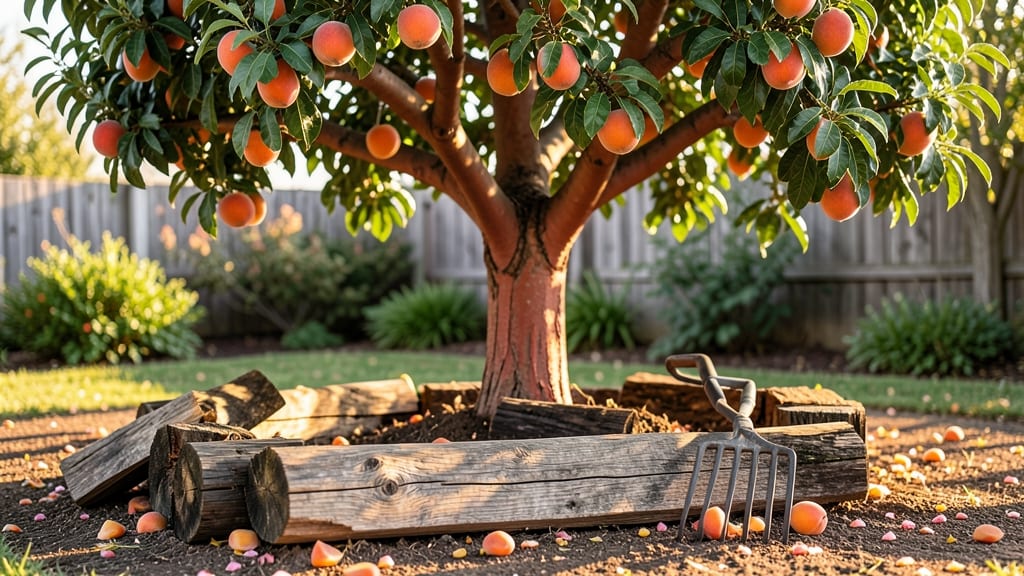
Growing a Bonfire peach tree in the Pacific Northwest means defying frost with a variety that actually thrives where others fail. After years of watching peach trees succumb to early freezes, I finally found a cold-hardy variety that delivers sweet, juicy fruit reliably—even in our chilly climate.
The secret isn’t just the tree itself, but how you plant, prune, and protect it through winter.
This variety needs full sun, well-draining soil, and consistent moisture to establish strong roots. Most gardeners overlook winter protection, but wrapping the trunk and covering young trees with burlap can mean the difference between a thriving orchard and a lost investment.
Once established, Bonfire peaches produce fruit that’s 20% sweeter than traditional varieties, with a texture that’s firm enough for fresh eating but juicy enough for pies.
Pruning in late winter removes dead wood and opens the canopy for better airflow, while summer thinning ensures larger fruit. The first harvest arrives in late July to early August, just when most gardeners are tired of waiting.
With proper care, a single tree can yield 50-75 pounds of peaches—enough to share with neighbors or preserve for winter.
Common challenges include late frosts and peach leaf curl, but proactive sprays and strategic planting near a south-facing wall can mitigate those risks. Whether you’re a first-time fruit grower or expanding your orchard, this variety delivers reliable results in even the coldest zones.
Let’s get your tree growing strong from the start.
📚 In This Guide
- What you need
- Instructions
- Tips and common mistakes
- Wrapping up and next steps
What you need
- ● Cold-hardy peach tree varieties: Choose from Bonanza, Reliance, or Contender (zones 5-7). Purchase a 1-2 year old bare-root sapling from a nursery.
- ● Pruning tools: Sharp pruning shears (for small branches)
- ● Clean pruning saw (for thicker branches)
- ● Protective wrapping: Burlap or tree wrap (10-15 ft roll) to shield the trunk from winter winds.
- ● Mulch: Wood chips or straw (3-4 inches thick, 3-4 ft radius around the base).
- ● Frost cloth: Frost blanket or row cover (10x10 ft minimum) for young trees.
- ● Stakes & ties: (2-3 wooden stakes + soft tree ties) to support the tree during planting.
- ● Garden gloves (to protect hands while pruning).
- ● Hose or watering can (for post-planting hydration).
- ○ Tree spray (copper-based fungicide, optional for disease prevention).
- ● Soil amendment: Compost or organic matter (1-2 bags) to enrich planting soil.
- ● Bonfire setup (if desired): Firewood (seasoned, split logs)
- ● Fire pit or ring (metal or stone, 3-4 ft diameter)
- ● Heat-resistant gloves (for safe handling)
Step-by-step guide to planting a cold-hardy Bonfire peach tree
Here's how to establish a thriving peach tree in your Pacific Northwest yard—where winter chill is just what Bonfire needs.
🌱 Step 1: Choose the Perfect Planting Site and Timing
Select a location with full sun exposure—at least 6-8 hours of direct sunlight daily. Bonfire peaches thrive in well-drained soil with a pH between 6.0 and 7.0, but they’re more forgiving than other varieties. Avoid low spots where frost settles or water pools.
Timing is critical: plant your 1- to 2-year-old bare-root tree in early spring, just as buds begin to swell but before leaves emerge. This gives roots time to establish before summer heat arrives. If you must plant in fall, do so 6-8 weeks before the first hard frost—roots need time to harden off before winter.
🪴 Step 2: Prepare the Soil and Planting Hole
Dig a hole twice as wide as the tree’s root ball but no deeper. Loosen the native soil at the bottom to encourage root spread—compacted layers will restrict growth. Mix 2-3 inches of compost into the backfill soil to improve fertility without overwhelming the tree.
Place the tree in the hole so the graft union (the swollen area where the rootstock meets the scion) sits 2-3 inches above soil level. This prevents water from pooling at the graft, which can cause rot. Backfill with native soil, tamping gently to eliminate air pockets but avoid compacting roots.
☀️ Step 3: Water Deeply and Mulch for Winter Protection
Water the tree deeply immediately after planting—soak the soil until water drains 6-8 inches below the surface. This encourages roots to grow downward rather than staying shallow. In the Pacific Northwest’s cool climate, drip irrigation is ideal to prevent fungal diseases from overhead watering.
Apply 3-4 inches of organic mulch (like wood chips or straw) around the base, keeping it 6 inches away from the trunk. This insulates roots in winter and retains moisture in summer. Replenish mulch annually—it breaks down faster in wet climates.
✂️ Step 4: Prune for Structure and Frost Resistance
Prune your Bonfire tree in late winter or early spring before buds break. Remove dead, crossing, or diseased branches first, then open the canopy to improve airflow—this reduces fungal risks like brown rot, common in damp Pacific Northwest winters. Cut back suckers (shoots growing from the rootstock) immediately to direct energy into fruit production.
Shape the tree into an open-center vase form, leaving 4-6 main scaffold branches spaced evenly around the trunk. This structure allows sunlight to reach inner branches, ensuring even fruit ripening. Avoid heavy pruning—Bonfire peaches bear fruit on both old and new wood, so aggressive cuts reduce next year’s harvest.
⏰ Step 5: Monitor and Protect Through First Winter
In the first winter, wrap the trunk with tree guard or burlap to protect it from voles, rabbits, and frost cracks. Bonfire peaches handle down to -20°F, but young trees benefit from extra insulation. Remove protective wraps in early spring to prevent overheating.
Watch for late spring frosts—Bonfire blooms early, so have frost cloths ready to cover flowers if temperatures dip below 28°F. Even a light frost can damage blossoms, reducing fruit set. Once fruit forms, reduce watering slightly to concentrate sweetness, but keep soil consistently moist during dry spells.
Tips & tricks for perfect Bonfire peach tree planting
These practical insights will help you avoid common pitfalls and ensure your cold-hardy peach tree thrives in Pacific Northwest conditions.
Site Selection Insight: While the instructions emphasize full sun, I've found that western exposures often work best in our climate. Morning sun helps dry dew quickly, reducing fungal risks, while afternoon shade can prevent heat stress during summer's occasional heatwaves. Test your potential site for at least 6-8 hours of direct sunlight before planting—moveable shade cloths can help you simulate summer conditions.
Soil Preparation Strategy: The recommended 2-3 inches of compost is perfect, but I take it a step further by mixing in a handful of bone meal at planting time. This provides phosphorus for root development without overwhelming the tree. For heavier clay soils common in the PNW, add a shovel of coarse sand to improve drainage while maintaining the 6.0-7.0 pH range mentioned in the instructions.
Winter Protection Technique: When wrapping the trunk in tree guard during the first winter, I always leave a small gap at the bottom to allow for some air circulation. This prevents moisture buildup that could lead to rot while still protecting against frost cracks. For areas with particularly harsh winters, consider adding a layer of bubble wrap around the tree guard for extra insulation against temperatures down to -20°F.
Pruning Precision: The instructions mention shaping into an open-center vase form, but I've learned that Bonfire trees respond well to a slightly more open center than many peach varieties. Aim for branches spaced about 12-18 inches apart—this creates better airflow through the canopy while still allowing sunlight penetration. Remember that Bonfire bears fruit on both old and new wood, so avoid removing more than 25% of the canopy in any single pruning session.
Pro Tips for Bonfire Peach Tree
- These practical insights will help you avoid common pitfalls and ensure your cold-hardy peach tree thrives in Pacific Northwest conditions.
- Site Selection Insight: While the instructions emphasize full sun, I've found that western exposures often work best in our climate.
- Soil Preparation Strategy: The recommended 2-3 inches of compost is perfect, but I take it a step further by mixing in a handful of bone meal at planting time.
Frequently asked questions
Got questions about growing bonfire peach trees in the Pacific Northwest? You’re not alone! Here are some of the most common queries—and their answers—to help you navigate frost, pruning, and everything in between.
Can bonfire peach trees survive PNW winters?
The Bonfire variety is one of the few cold-hardy peach trees, tolerating brief dips to 0°F (-18°C) with proper care. However, young trees (under 3 years) need winter protection like mulch or frost cloth. Established trees handle PNW winters better but may still need shelter in extreme cold snaps.
When should I prune a bonfire peach tree?
Prune Bonfire trees in late winter or early spring (before buds swell) to remove dead wood and shape the tree. Avoid heavy pruning in fall—it can stimulate new growth that won’t harden before frost. Thin out crowded branches to improve airflow and reduce disease risk.
How do I protect bonfire peach blossoms from late frost?
Late frosts can damage blossoms, but you can use frost cloth or overhead sprinklers to shield flowers. Sprinklers work by releasing heat as water freezes. Cover trees at night and remove covers by mid-morning. Choose a Bonfire tree for its slightly later bloom time, which reduces frost risk.
Can I grow bonfire peach trees in containers?
While possible, container-growing Bonfire peaches is challenging due to their size and root system. If you try it, use a large pot (20+ gallons) with well-draining soil and move it to a sheltered spot in winter. Dwarf varieties (like Bonanza) are better suited for containers in small spaces.
Do bonfire peaches need cross-pollination?
Nope! Bonfire peaches are self-fruitful, meaning they don’t require another tree for pollination. However, planting a second variety nearby (like Reliance) can boost yields. Bees still help, so avoid heavy pesticide use during bloom season.
Why aren’t my bonfire peach tree leaves turning green?
Yellow or pale leaves often signal chlorosis, caused by poor soil pH or nutrient deficiencies (like iron or zinc). Test your soil and amend with chelated iron or compost. Overwatering or compacted soil can also stunt growth—ensure proper drainage and mulch around the base.
Wrapping up and next steps
Growing a bonfire peach tree in the Pacific Northwest is totally doable with the right cold-hardy variety and care!
By choosing frost-resistant types like Bonanza or Redhaven, and mastering pruning, you’ll enjoy sweet, juicy peaches even in chilly climates. Your next step? Grab your pruners, mark your calendar for late winter/early spring, and give your tree the love it deserves—your future harvest will thank you! 🌱✨