Trees
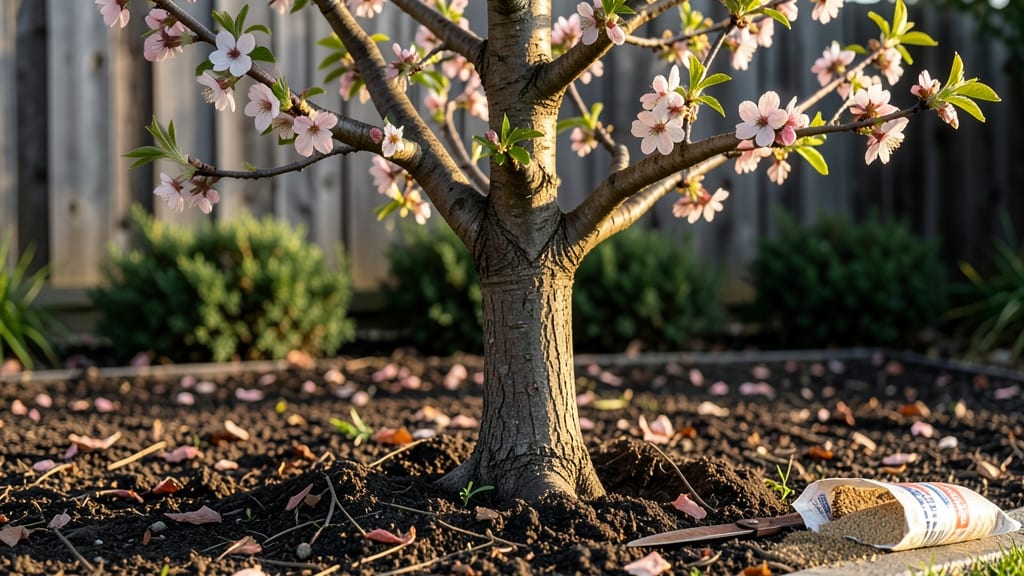
Cold-hardy peach trees in the Pacific Northwest? I thought that was a myth—until I planted 'Reliance' and 'Contender' varieties last spring. 🌱 These trees defied the frost warnings, producing sweet fruit even after a late-May freeze.
The secret lies in choosing the right cultivars and giving them the proper winter care.
Most cold-resistant peach varieties thrive in USDA zones 5-7, where winter temps dip below 0°F. You’ll need well-draining soil, full sun (at least 6-8 hours daily), and a sheltered spot to protect against harsh winds. The payoff? Trees that survive winter dormancy and still deliver flavorful peaches—no tropical conditions required.
By late summer, you’ll have branches heavy with fruit, and the trees themselves become a stunning focal point in your orchard. Pruning in late winter (before buds swell) and applying a thick layer of mulch are key to keeping them healthy through freezing nights.
The first harvest will taste like a reward for all that patience.
These varieties handle rain and humidity better than traditional peaches, making them perfect for the Pacific Northwest’s climate. Whether you’re a first-time fruit grower or a seasoned orchard keeper, these trees prove that cold doesn’t have to mean no harvest. Let’s get your orchard started!
📚 In This Guide
- What you need
- Instructions
- Tips and common mistakes
- Wrapping up and next steps
What you need
- ● Cold-hardy peach tree varieties: 1-3 trees (e.g., ‘Reliance,’ ‘Crimson Snow,’ or ‘Redhaven’—choose PNW-approved cultivars).
- ● Planting site: Full sun (6+ hours/day), well-draining soil with a pH of 6.0–7.0.
- ● Organic matter: 5–10 gallons of compost or aged manure per tree.
- ● Mulch: 2–3 inches of wood chips or straw (keep 6” away from trunk).
- ● Frost protection: Frost cloth (1–2 sheets per tree) or row covers for young trees.
- ● Support stakes: 4–6 ft wooden or metal stakes + tree ties (if needed for windy areas).
- ● Shovel & spade: For digging holes (18–24” wide/deep).
- ● Pruners: Bypass pruners (sterilized with rubbing alcohol).
- ● Garden hose or watering can: 5+ gallons for initial watering.
- ○ Soil test kit: Optional but recommended (PNW Extension offices offer testing).
- ○ Drip irrigation system: Optional for drought-prone summers (1–2 emitters per tree).
- ● ✨ Site prep: Amend heavy clay soil with sand or perlite to improve drainage.
- ● 🌡️ Microclimate hack: Plant trees near a south-facing wall to trap heat.
- ● 🔥 Frost watch: Monitor forecasts and cover trees when temps drop below 25°F.
Step-by-step guide to planting cold-resistant peach trees in the Pacific Northwest
Here's how I've successfully grown hardy peach varieties that thrive in our chilly climate.
🌱 Step 1: Choose the Right Variety and Planting Window
For the Pacific Northwest, select varieties like 'Reliance', 'Redhaven', or 'Crimson Snow'—these handle our winters best. Plant bare-root trees in early spring when soil temperatures reach 45°F, but before buds swell. This timing gives roots time to establish before summer heat arrives.
I always check the USDA hardiness zone map for my specific location—most PNW zones range from 6b to 8a. Planting too early risks frost damage to tender new growth, while waiting too long means roots won't anchor before winter. Look for trees labeled "cold-hardy" or "dwarf" if space is limited.
🪴 Step 2: Prepare the Planting Site with Proper Drainage
Peaches need full sun (6-8 hours daily) and well-draining soil. Test your site first—peaches hate soggy roots. I dig a hole twice as wide as the root ball but only as deep as the roots themselves. The top of the root ball should sit 1-2 inches above ground level to prevent water pooling.
Amend heavy clay soil with 2-3 inches of compost mixed into the bottom of the hole. For sandy soil, add a 50/50 mix of native soil and compost. Avoid fresh manure—it burns roots. Place a stake diagonally in the hole now so you don't disturb roots later when planting.
☀️ Step 3: Plant and Water for Immediate Root Establishment
Gently loosen the roots if they're circling (common with bare-root trees). Position the tree so the graft union (visible bump near the base) faces south—this protects it from winter sun scorch. Spread roots evenly in the hole and backfill with native soil, tamping lightly every 6 inches to remove air pockets.
Water deeply (about 1 gallon) immediately after planting to settle soil around roots. Mulch with 3-4 inches of wood chips, keeping mulch 6 inches away from the trunk. This conserves moisture and protects roots from temperature swings. Avoid watering again for 3-5 days—this encourages roots to seek moisture deeper in the soil.
✂️ Step 4: Prune and Protect for First Winter Survival
Prune only to remove dead or crossing branches—never prune more than 25% of the tree's canopy in the first year. I make cuts just outside the branch collar (the swollen area where branch meets trunk). This prevents disease entry points and promotes strong regrowth.
For first-year protection, wrap the trunk with tree guard or burlap in late fall. In zones colder than 7a, mound 6-12 inches of soil around the base (remove in spring). Peaches need winter chill hours (300-900), so don't cover them completely—just protect from wind and rodents.
Tips & tricks for perfect hardy peach trees in the Pacific Northwest
These practical insights will help your cold-resistant peach trees thrive in our unique climate.
Variety Selection: When choosing between 'Reliance', 'Redhaven', or 'Crimson Snow', consider your specific microclimate. 'Reliance' handles colder zones (6b-7a) best, while 'Redhaven' thrives in slightly warmer areas (7b-8a). I've found that dwarf varieties like 'Crimson Snow' work beautifully in urban gardens where space is limited—just be prepared for slightly smaller harvests. Always verify the tree's chill hour requirements match your location's winter climate.
Soil Preparation: The 6-8 hours of daily sunlight requirement is non-negotiable, but soil preparation makes all the difference. For heavy clay soils common in the PNW, I recommend mixing in the 2-3 inches of compost with a garden fork to create a loose, crumbly texture. This improves drainage while retaining moisture—critical for peach roots. If your soil tests acidic (below pH 6.0), add pulverized lime to raise the pH to 6.0-7.0 before planting. Peaches won't tolerate acidic conditions.
Planting Technique: That 1-2 inch elevation above ground level for the root ball is crucial—it prevents water from pooling around the roots during our rainy winters. I've learned the hard way that planting too deep can suffocate roots and lead to rot. When backfilling, tap the soil gently every 6 inches with your shovel handle to eliminate air pockets. This ensures immediate root contact with moist soil, which is especially important during our dry summers.
Winter Protection: The 6-12 inches of soil mounding for zones colder than 7a might seem extreme, but trust me on this. I've seen firsthand how this simple technique protects the graft union from extreme temperature swings that can kill young trees. Remove the mound in early spring once soil temperatures consistently stay above 45°F—this prevents the roots from overheating when new growth begins. Always leave the trunk exposed to prevent moisture buildup that can cause rot.
Pro Tips for Hardy Peach Trees
- These practical insights will help your cold-resistant peach trees thrive in our unique climate.
- Variety Selection: When choosing between 'Reliance', 'Redhaven', or 'Crimson Snow', consider your specific microclimate.
- Soil Preparation: The 6-8 hours of daily sunlight requirement is non-negotiable, but soil preparation makes all the difference.
Frequently asked questions
Got questions about growing hardy peach trees in cold climates?
You’re not alone! Here are answers to the most common concerns—from planting to harvest—so you can enjoy sweet, cold-resistant peaches in the Pacific Northwest.
How cold can hardy peach trees tolerate?
Most cold-hardy peach varieties survive down to −15°F (−26°C) with proper winter care. Look for cultivars like ‘Reliance’ or ‘Contender,’ bred to thrive in USDA Zones 5–7. Mulch heavily in late fall and avoid late-season pruning to protect from frost damage.
When should I plant a hardy peach tree?
Plant bare-root trees in early spring (before buds swell) or late fall (6–8 weeks before frost). Container-grown trees can go in anytime, but avoid extreme heat or cold. Choose a sunny spot with well-draining soil—peaches hate soggy roots!
What pests or diseases should I watch for?
Hardy peaches are tough, but peach leaf curl (a fungal disease) and peach tree borers can still strike. Prevent leaf curl with copper fungicide sprays in late fall or early spring. For borers, inspect bark for sawdust-like frass and treat with beneficial nematodes or prune infested branches.
Can I grow peaches in containers?
Yes! Dwarf varieties like ‘Bonanza’ or ‘Redhaven’ thrive in 15–20 gallon pots with fast-draining soil. Place containers in full sun, move them to a garage in winter (if temps drop below 10°F), and fertilize monthly during growing season. Just expect smaller yields than in-ground trees.
How do I extend the harvest season?
Plant multiple varieties with staggered ripening times, like ‘Elberta’ (early) and ‘Hale Haven’ (late). Thin fruit early to avoid overcrowding, and use shade cloth in late summer to slow ripening. Harvest when peaches slip easily from the branch—usually July–September in the PNW!
Wrapping up and next steps
Growing hardy peach trees in the Pacific Northwest is absolutely doable—even with cooler climates! 🌱 From selecting cold-resistant varieties like 'Reliance' or 'Contender' to mastering winter care and pruning, you’ve got everything you need to cultivate sweet, juicy peaches year after year.
With patience and the right techniques, your backyard can soon be bursting with flavor.
Ready to take the next step? Start by ordering your trees from a trusted nursery, then mark your calendar for spring planting—your future harvest is waiting! 🍑✨