
Container Gardens
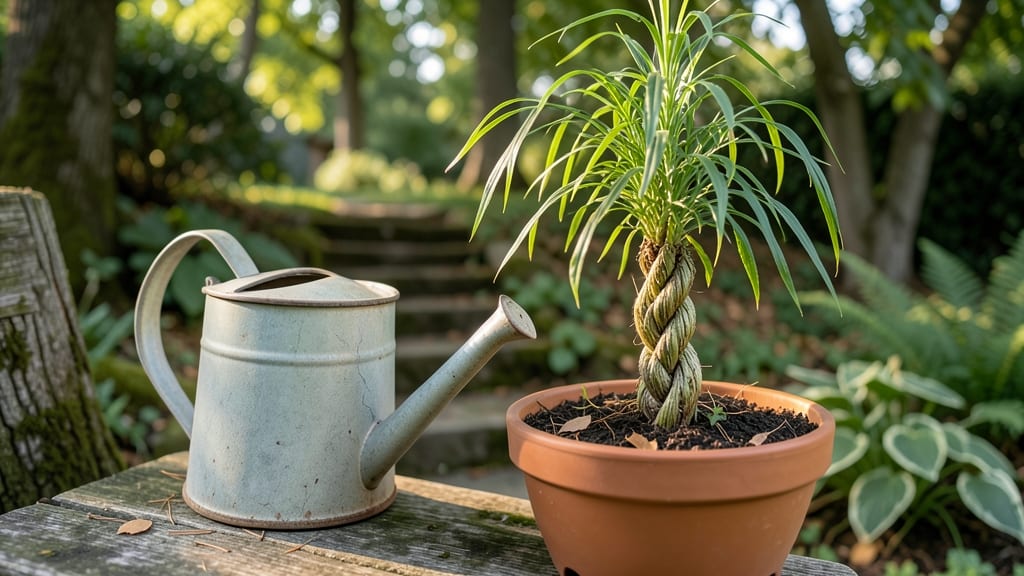
Mastering braided willow tree care in pots starts with the right setup—something I learned after my first attempt turned into a tangled mess. 🌿 These graceful trees thrive when you mimic their natural, moisture-loving habitat in containers, but they demand consistent moisture, proper drainage, and careful pruning to keep that signature braid intact.
The Pacific Northwest’s damp climate actually works in your favor here. You’ll need a 15-20 gallon pot with drainage holes, a mix of potting soil and perlite for aeration, and a spot that gets partial shade to prevent stress.
Overwatering is the #1 killer, but so is letting the roots dry out—think of it like keeping a houseplant happy, just with more drama.
By summer, you’ll see lush, arching branches that beg to be woven into that classic braid. The key is gentle training: start with three main stems, then gradually twist and secure them with soft ties as they grow.
With proper care, your braided willow will stay vibrant for years, becoming a living centerpiece that turns heads at every patio gathering.
Winter prep is where most people stumble—don’t let that be you. We’ll cover how to protect your tree from frost, adjust watering, and troubleshoot issues like yellowing leaves or root binding so you can enjoy its beauty all year round. Let’s get growing!
📚 In This Guide
- What you need
- Instructions
- Tips and common mistakes
- Wrapping up and next steps
What you need
- ● Container: A large, sturdy pot (18–24" diameter) with drainage holes. Terracotta or fiberglass works best for airflow.
- ● Potting Mix: A well-draining blend (60% garden soil, 30% perlite, 10% compost). Add sand if your mix is too dense.
- ● Braided Willow Tree: A 1–2-year-old sapling (3–5 ft tall) with healthy, flexible branches for braiding.
- ● Watering Can or Hose: With a gentle spray nozzle to avoid disturbing soil.
- ● Pruning Shears: Sharp, sterilized shears (for trimming and shaping).
- ● Gloves: Heavy-duty gardening gloves to protect from thorns and rough bark.
- ● Support Stakes: 3–4 bamboo or metal stakes (4–5 ft tall) for securing the braid.
- ● Twine or Soft Wire: Non-abrasive (jute or plastic-coated) to loosely tie branches during braiding.
- ● Fertilizer: Balanced, slow-release (10-10-10) or organic options like fish emulsion.
- ● Mulch: Wood chips or straw (2–3 inches thick) to retain moisture and regulate temperature.
- ● Self-watering pot system for low-maintenance hydration.
- ● Moisture meter to track soil hydration (PNW’s damp winters can lead to overwatering!).
- ● Decorative pot sleeves or paint to customize your container.
- ● Fungicide (like neem oil) to prevent mildew in humid PNW summers.
Step-by-Step instructions for growing braided willow trees in containers
Here’s the method I’ve perfected for keeping these graceful trees thriving in pots—especially in our damp Pacific Northwest climate.
🪴 Step 1: Choose the Right Container and Drainage Setup
Braided willows need 12-15 gallons per tree to accommodate their sprawling roots. I use fabric grow bags or heavy ceramic pots with multiple drainage holes—this prevents soggy roots, which are their biggest enemy. If your pot has only one hole, drill 2-3 more along the sides. Place a 2-inch layer of gravel or broken pottery at the bottom to create an air pocket and improve drainage.
Here’s the thing—willows hate sitting in wet feet. The Pacific Northwest’s frequent rain means your pot must dry out between waterings. If you’re using a decorative pot without drainage, nestle it inside a larger cache pot with pebbles to catch excess water. This two-pot system keeps roots happy while letting you style your outdoor space.
🌱 Step 2: Plant with Proper Soil and Staking
Fill the pot with a mix of 60% high-quality potting soil, 30% perlite or pumice, and 10% compost. Braided willows prefer moist but well-draining soil—never garden soil, which compacts and suffocates roots. Gently loosen the root ball of your young tree before placing it in the pot. The top of the root ball should sit 1-2 inches below the pot’s rim to allow for mulch and water retention.
Staking is non-negotiable for the first 6-8 weeks. Use three sturdy bamboo stakes inserted around the tree, tied loosely with soft garden twine. You’ll see why later—willows grow fast, and without support, they’ll flop over in wind or rain. Don’t cinch the twine too tight; you want to guide, not strangle, the growth. Water deeply right after planting to settle the soil around the roots.
☀️ Step 3: Position for Light and Protect from Harsh Elements
Braided willows love full sun to partial shade—6+ hours of sunlight daily is ideal. In the Pacific Northwest, this means placing them where they get morning sun and afternoon dappled light, especially in summer when direct afternoon sun can scorch leaves. If your patio or balcony only offers shade, don’t worry—they’ll tolerate 4-5 hours of sun and still grow, just more slowly.
Wind and heavy rain are the real challenges here. If your container garden is exposed, secure the pot with weighted bases or sandbags to prevent tipping. I’ve seen willows uprooted in a single storm—trust me, it’s not pretty. In winter, move pots to a sheltered spot or wrap them in burlap to protect from freezing winds. Mulch the soil surface with 2-3 inches of wood chips to insulate roots and retain moisture.
💧 Step 4: Water and Fertilize for Lush Growth
Watering is where most people go wrong. Braided willows need consistently moist soil, but they’ll die if they sit in water. Stick your finger 2 inches into the soil—if it feels dry, water deeply until it runs out the drainage holes. In summer, you might water every 2-3 days; in winter, once a week is usually enough. Overwatering causes root rot, which turns leaves yellow and mushy. Underwatering causes them to droop and crisp at the edges.
Feed your tree once in early spring with a balanced 10-10-10 fertilizer (follow the package rate for potted plants). I skip fertilizer in fall and winter—willows are slow growers in cooler months, and too much food encourages weak, leggy growth. If you notice pale yellow leaves, that’s a sign of nutrient deficiency. A monthly dose of fish emulsion in growing season keeps them vibrant without overfeeding.
✂️ Step 5: Prune and Maintain Braids Year-Round
The braided look isn’t just for show—it’s essential for the tree’s health. Every 4-6 weeks, gently untwist the braids and reweave them to encourage upward growth. Use sharp pruning shears to trim any dead, crossing, or overcrowded branches. Prune just above a leaf node (the bump where leaves grow) to promote bushier growth. If a branch looks weak, cut it back to the main trunk—willows are forgiving and will send out new shoots.
In late winter, prune back any leggy growth by one-third to encourage a fuller shape. This is also the time to check for pests like spider mites or aphids. A strong spray of water usually knocks them off, but if they persist, use neem oil (it’s safe and effective). Don’t skip this step—pests thrive on stressed willows, and once they take hold, they’re hard to eliminate.
Tips & tricks for thriving braided willow trees in containers
These practical insights will help you keep your container-grown willows looking stunning year-round, especially in our rainy Pacific Northwest climate.
Container Size Matters: That 12-15 gallon requirement in Step 1 isn't just a suggestion—it's crucial for root development. I've seen willows in undersized pots develop gnarled roots that circle the container (a condition called "pot-bound"). If you're working with a smaller pot, consider planting a younger, smaller tree to give it room to grow. The extra space prevents root competition and helps maintain that elegant braided shape over time.
Soil Mix Secrets: When creating your 60-30-10 soil blend in Step 2, don't skimp on the perlite or pumice. These ingredients create essential air pockets that prevent compaction. I like to add a handful of horticultural charcoal (optional) to the mix—it helps absorb any excess moisture from our frequent rains while improving drainage. This small addition makes a big difference in preventing root rot during our wet winters.
Light Positioning: That 6+ hours of sunlight recommendation in Step 3 is perfect for our region, but here's what nobody tells you: willows actually prefer morning sun with afternoon shade. In summer, I move my containers to get morning sun while shielding them from the intense afternoon rays that can scorch leaves. If you notice leaves curling or turning yellow, it's often a sign of too much direct afternoon sun—adjust their position accordingly.
Watering Wisdom: The 2-inch soil check in Step 4 is your best friend, but timing matters too. Water in the morning rather than evening—this gives leaves time to dry before nightfall, reducing the risk of fungal diseases in our damp climate. And here's a pro move: use a moisture meter to track soil moisture between waterings. They're inexpensive and take the guesswork out of maintaining that perfect "consistently moist" balance.
Pro Tips for Braided Willow Tree Care In Pots
- These practical insights will help you keep your container-grown willows looking stunning year-round, especially in our rainy Pacific Northwest climate.
- Container Size Matters: That 12-15 gallon requirement in Step 1 isn't just a suggestion—it's crucial for root development.
- Soil Mix Secrets: When creating your 60-30-10 soil blend in Step 2, don't skimp on the perlite or pumice.
Frequently asked questions
How often should I water a braided willow tree in a pot?
Water your braided willow daily in summer (or when the top inch of soil feels dry). Pots dry out faster than ground soil, so check moisture levels morning and evening. In winter, reduce watering to every 3–5 days unless your pot is in a windy or sunny spot. Pro tip: Use a moisture meter or stick your finger 1–2 inches deep to gauge needs.
Can braided willow trees survive winter in pots?
Yes, but they need protection! Move pots to a sheltered spot (like a garage or under an eave) before temps drop below 20°F (-7°C). Wrap the pot in bubble wrap or hessian cloth and mulch the soil with straw or leaves. If your willow is large, consider burying the pot in the ground for winter and uncovering it in spring.
When and how should I prune my braided willow tree?
Prune in late winter or early spring (before new growth starts) to shape the braids and remove dead wood. Use clean, sharp pruners and cut just above a leaf bud or branch collar. Avoid heavy pruning—willows regenerate quickly, but over-pruning can stress the tree. Bonus: Snip any suckers at the base to keep energy focused on the braids!
What’s the best pot size for a braided willow tree?
Start with a pot 12–18 inches wide and deep for young trees, then upgrade to 24+ inches as the roots grow. Braided willows have aggressive root systems, so choose pots with drainage holes and consider fabric grow bags for better airflow. Larger pots (30+ gallons) are ideal for mature trees but require heavier winter protection.
Are there alternatives to braided willow trees for pots?
If willows seem high-maintenance, try these low-maintenance container-friendly trees:
- Dwarf Japanese Maple (Acer palmatum) – Gorgeous foliage, compact size.
- Olive Tree (Olea europaea) – Drought-tolerant and long-lived.
- Dwarf Meyer Lemon (Citrus meyeri) – Fruits + fragrant leaves!
- Smokebush (Cotinus coggygria) – Dramatic purple foliage.
For a braided look, try ornamental grasses (like Miscanthus) or bamboo in smaller pots.
Wrapping up and next steps
Caring for a braided willow tree in pots is a rewarding journey—especially in the Pacific Northwest’s lush climate! With the right container size, well-draining soil, and consistent watering and pruning, your tree will thrive as a stunning focal point.
Remember, patience and observation are key; adjust care as seasons shift to keep it healthy and vibrant.
Ready to watch your braided willow flourish? Start small—pick a pot, gather supplies, and give it the love it deserves. Soon, you’ll be bragging about your container-garden masterpiece! 🌿✨