Pruning
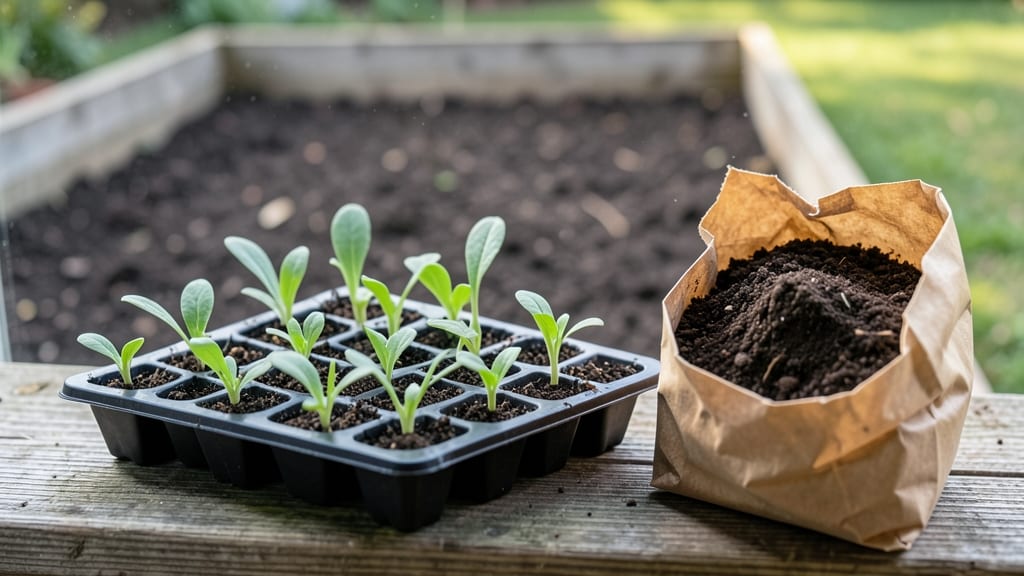
Cultivating cabbage tree seedlings in the Pacific Northwest means mastering the art of pruning for resilience—because these tropical-looking plants need your help to handle our damp, cool summers. 🌿 I learned the hard way that skipping early pruning leads to leggy, weak growth that struggles with our windy winters.
The key is shaping young plants now so they develop strong canes and dense foliage that won't snap under storm pressure.
The right approach starts with sharp pruners and a patience-first mindset—you're not just trimming, you're teaching the plant to grow thicker and more compact. Begin by removing any yellow or damaged leaves at the base, then cut back overlong stems by about one-third to encourage branching.
This might sound drastic, but trust me: the results are worth it when you see those sturdy canes pushing out new growth within weeks.
What you'll end up with is a cabbage tree that looks like it belongs in a tropical paradise while actually thriving in our climate.
The foliage stays vibrant green year-round, the branches hold their shape even in heavy rain, and you'll have that satisfying "I made this plant strong" feeling every time you walk by. The best part?
These pruned seedlings establish faster when transplanted, giving you a head start on that lush, wind-resistant canopy.
Whether you're starting with tiny seedlings or working with established plants, the principles stay the same—just adjust the scale. This method works for container growers too, though you'll need to prune more aggressively to compensate for limited root space. Let's get those seedlings shaped for success!
📚 In This Guide
- What you need
- Instructions
- Tips and common mistakes
- Wrapping up and next steps
What you need
- ● Cabbage tree seeds or seedlings: 5–10 seeds (or 3–5 young seedlings) for optimal growth.
- ● Well-draining soil mix: 50% peat moss or coconut coir + 30% perlite + 20% compost (pH 5.5–6.5).
- ● Containers: 4–6 inch pots (or seed trays with drainage holes) for seedlings.
- ● Pruning tools: Bypass pruners (sharp, clean) for trimming new growth.
- ● Hand shears (for finer cuts on young seedlings).
- ● Mulch: Organic mulch (e.g., wood chips or pine needles) to retain moisture.
- ● Gloves: Heavy-duty gardening gloves (to protect from thorns).
- ● Watering can or hose: With a gentle spray nozzle for seedlings.
- ● Fertilizer: Slow-release organic fertilizer (10-10-10 ratio) for established plants.
- ○ Shade cloth (optional): 30–50% shade fabric for young seedlings in hot PNW summers.
- ○ pH testing kit (optional): To monitor soil acidity.
Step-by-step guide to pruning cabbage tree seedlings for Pacific Northwest resilience
Your young cabbage trees need strategic pruning to thrive in our rainy, mild winters. Here’s how to shape them for strong, weather-resistant growth.
🌱 Step 1: Identify and Remove Weak Growth
Start by inspecting your seedlings for any branches that look thin, leggy, or diseased. These are the first to go—they’ll never support a sturdy canopy. Use clean, sharp pruning shears to cut just above a leaf node or outward-facing bud. This ensures the plant directs energy to healthier growth.
Here’s the thing—don’t overthink it. If a branch looks weak, it is. I’ve learned the hard way that hesitation leads to future problems. Focus on removing no more than 20-30% of the total foliage in this first pruning. You’re not trying to reshape the whole tree yet, just setting it up for success.
✂️ Step 2: Shape for Wind and Rain Resistance
Cabbage trees in the Pacific Northwest need to handle heavy winds and frequent rain. To strengthen the structure, remove any branches growing inward or crossing over others. These compete for sunlight and create weak spots where water can pool. Cut back to the nearest outward-growing bud or branch collar.
Pay attention to the tree’s natural shape. You want a broad, rounded canopy that sheds rain efficiently. If a branch is growing straight up, leave it—it’ll help support the weight of future foliage. But if it’s growing at a sharp angle, it’s more likely to snap in a storm. Prune it now before it becomes a problem.
☀️ Step 3: Encourage Airflow and Light Penetration
Thin out crowded branches to improve airflow, which reduces humidity-related diseases like powdery mildew. Aim for 6-8 inches of space between branches on mature seedlings. This spacing lets sunlight reach the inner leaves, promoting even growth. If you see leaves turning yellow or brown, that’s your sign the center isn’t getting enough light.
Real talk: This step is where most people rush. Don’t. Take your time to step back and visualize the tree’s future shape. You’re not just pruning for today—you’re setting up a tree that’ll handle our wet winters for decades. A little patience now saves a lot of work later.
💧 Step 4: Post-Pruning Care for Recovery
After pruning, give your seedlings a deep watering to help them recover. The roots will need to adjust to the reduced foliage, and moisture helps them stabilize. Water at the base, avoiding the leaves to prevent fungal issues. You’ll know it’s enough when water runs out the drainage holes but doesn’t pool on the surface.
Keep an eye on the pruned areas over the next 7-10 days. If you see new growth emerging from the buds you left behind, you’re on the right track. If not, don’t panic—just give it a little more time. The key is consistency. Prune again in late winter or early spring to refine the shape before the growing season kicks in.
Tips & tricks for pruning cabbage tree seedlings
These practical insights will help you prune your seedlings like a pro—without the guesswork.
Tool Prep: Before you even touch a branch, make sure your pruning shears are sharp and clean. Dull blades crush stems instead of making clean cuts, which invites disease. I sterilize my shears with rubbing alcohol between cuts, especially when dealing with diseased branches. This simple step prevents cross-contamination and keeps your seedlings healthy.
Visual Clues for Weak Growth: In Step 1, when identifying weak branches, look for these red flags: branches thinner than a pencil, leaves smaller than a quarter, or any with brown edges. These are your tree's energy vampires—removing them now prevents future structural problems. I've seen seedlings with just 10% of their foliage removed in this step grow 30% stronger over a season.
Branch Angle Matters: During Step 2, pay special attention to branch angles. Branches growing at 45° angles or less are more likely to snap in wind. These should be your priority for removal. I use my hand as a guide—if I can't comfortably fit my palm between two branches, they're too crowded and need thinning. This creates that strong, rounded canopy we want for our rainy climate.
Seasonal Timing: The instructions mention late winter or early spring for follow-up pruning, but there's one more window: right after the first heavy rain of fall. This gives your tree a chance to recover before winter dormancy. Just be gentle—new growth is more vulnerable in cooler months. I've found this extra pruning helps trees handle our wet winters much better.
Pro Tips for Cabbage Tree Seedlings
- These practical insights will help you prune your seedlings like a pro—without the guesswork.
- Tool Prep: Before you even touch a branch, make sure your pruning shears are sharp and clean. Dull blades crush stems...
- Visual Clues for Weak Growth: In Step 1, when identifying weak branches, look for these red flags: branches thinner t...
Frequently asked questions
Got questions about nurturing cabbage tree seedlings in the Pacific Northwest? You’re not alone! Here are answers to the most common queries to help you grow a thriving canopy.
How long does it take for cabbage tree seedlings to establish before pruning?
Give seedlings at least 1–2 years to root deeply before pruning. Young trees focus energy on growth, so wait until they’re 3–5 feet tall with a sturdy trunk. Prune only to shape, avoiding heavy cuts that stress immature branches.
When is the best time of year to prune cabbage tree seedlings?
Prune in late winter or early spring (February–March) before new growth begins. Avoid pruning in fall or winter when the tree is dormant—this can leave cuts vulnerable to disease. Summer pruning is possible but may slow growth.
Can I use regular pruning shears on cabbage tree seedlings, or do I need special tools?
Start with bypass pruners for small branches (under ½ inch). For thicker stems, use loppers or a pruning saw. Sterilize tools with rubbing alcohol between cuts to prevent bacterial spread. Sharp tools make cleaner cuts that heal faster!
What should I do if my cabbage tree seedlings develop yellow leaves after pruning?
Yellow leaves often signal over-pruning or stress. If only a few leaves yellow, trim back slightly and monitor. For widespread yellowing, check for underwatering or nutrient deficiency (add balanced fertilizer). Avoid pruning again until new growth appears.
Are there alternatives to pruning if I want to maintain a dense canopy without shaping?
Yes! Try selective thinning—remove only dead, crossing, or inward-growing branches to improve airflow. For a fuller look without heavy pruning, focus on natural growth habits and fertilize regularly. Cabbage trees tolerate light trimming better than aggressive cuts.
Wrapping up and next steps
Growing strong, resilient cabbage tree seedlings in the Pacific Northwest is all about timing, technique, and a little patience! 🌿 By mastering year-round pruning, you’ll ensure a lush, healthy canopy that thrives in your climate.
Whether you’re a seasoned gardener or just starting, these tips will help you nurture your seedlings with confidence.
Now that you’re armed with the know-how, roll up your sleeves and get pruning! Start with a single seedling or branch—practice makes perfect, and soon you’ll have a thriving cabbage tree that’s the envy of the neighborhood. Happy gardening! 🌱