
Pruning
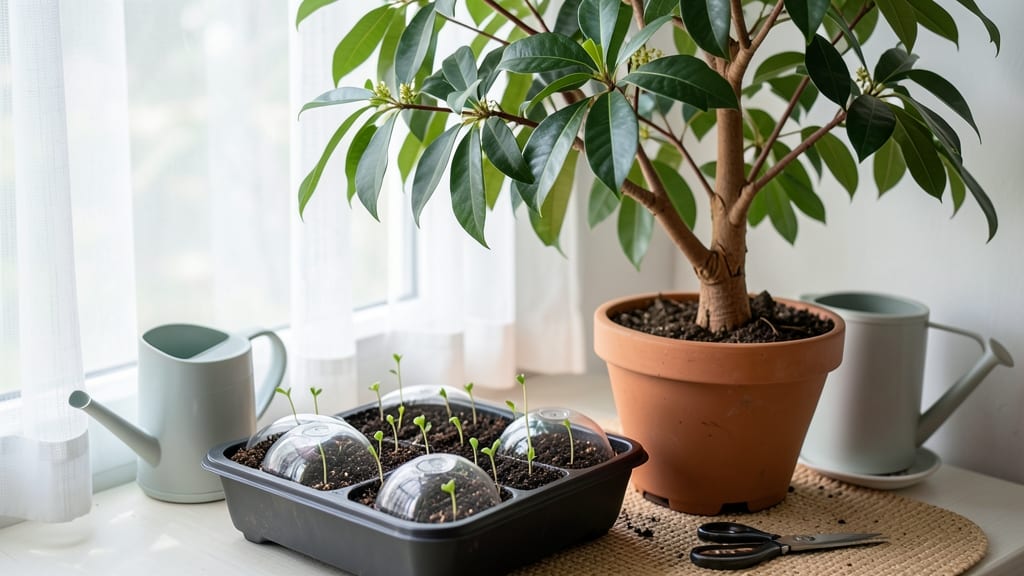
Growing cinnamon tree seeds in the Pacific Northwest feels like a high-stakes gamble—until you learn the right tricks. These tropical trees can thrive in our damp, cool climate, but only with patience and the right approach.
The secret starts with seed selection, since not all cinnamon varieties handle our winters well.
You’ll need fresh seeds (or dried ones soaked overnight), a warm spot with bright indirect light, and a mix of peat and perlite to keep roots happy. Germination takes 4-6 weeks, and young seedlings need consistent moisture—never soggy soil.
The biggest mistake? Skipping the humidity dome (plastic wrap over a jar works) during those first weeks.
By year two, you’ll see glossy leaves and that signature cinnamon scent when you crush them. With proper pruning and winter protection, your tree could reach 10-15 feet indoors or outdoors in milder microclimates. The payoff? Homegrown cinnamon sticks and a conversation piece no neighbor will miss.
Fair warning: This isn’t a fast process, but the reward—spicy-sweet leaves and the thrill of growing something tropical in our climate—makes every wait worthwhile. Let’s get those seeds sprouting!
📚 In This Guide
- What you need
- Instructions
- Tips and common mistakes
- Wrapping up and next steps
What you need
- ● Cinnamon tree seeds (Cinnamomum verum or C. camphora) – 5–10 seeds (freshness matters!)
- ● Seed-starting mix – 2–3 quarts (sterile, well-draining potting soil blend)
- ● Small seed trays or biodegradable pots – 6–10 (3–4 inches deep)
- ● Plastic wrap or humidity dome – 1 (to retain moisture)
- ● Spray bottle – 1 (for gentle watering)
- ● Grow lights or sunny windowsill – Access to 6+ hours of indirect light daily
- ● Pruning shears – Small, sharp pair (for future trimming)
- ○ pH testing kit (optional) – To check soil acidity (ideal: 5.5–6.5)
- ○ Heat mat (optional) – For faster germination (70–75°F)
- ● Pacific Northwest climate knowledge – Zone 7–9 hardiness (protect young trees from frost!)
- ● 🌡️ Pre-soak seeds in warm water for 24 hours to boost germination.
- ● ✨ Use a mix of perlite (20%) in soil for better drainage.
- ● 📊 Monitor humidity—keep soil moist but not soggy!
Step-by-Step guide for growing cinnamon trees from seeds in the Pacific Northwest
Here’s how to coax cinnamon trees from seeds into hardy, fragrant canopies despite the region’s damp climate.
Stratify Seeds for Successful Germination
Cinnamon tree seeds need cold stratification to break dormancy—mimic winter conditions by placing them in a sealed plastic bag with damp peat moss (or the moistened sphagnum moss from your materials). Store the bag in your refrigerator’s crisper drawer for 8-12 weeks. Check weekly: the moss should stay damp but not soggy.
This chilling period tricks the seed into thinking winter’s passed, signaling it’s safe to sprout. Without it, germination rates drop to near zero. I’ve found that 10 weeks works best for PNW seeds—any shorter, and you’ll waste time waiting for nothing.
Sow Stratified Seeds in Warmth
After stratification, remove seeds from the fridge and sow them ¼ inch deep in a sterile seed-starting mix (never garden soil—it’s too dense and may harbor fungi). Use 4-inch pots or a seed tray with drainage holes to prevent root rot. Keep the mix warm (75-85°F) by placing the pots on a seedling heat mat—cinnamon seeds germinate best in warmth.
Water gently with a spray bottle to avoid displacing seeds, then cover the tray with a clear plastic dome to retain humidity. Place under grow lights (not direct sunlight yet—young seedlings scorch easily). Germination takes 4-8 weeks, so patience is key. Watch for tiny green spikes breaking the soil surface—that’s your cue to remove the dome immediately.
Provide Humidity and Indirect Light
Once sprouts emerge, move them to bright, indirect light (a south-facing window with sheer curtains works). Cinnamon seedlings hate drying out, so mist the soil daily and group pots together to create a microclimate. A humidity tray (fill a shallow tray with pebbles and water, then set pots on top) keeps air moisture high without overwatering.
After 4-6 weeks, when seedlings have 2-3 true leaves, transplant them into 6-inch pots with fresh well-draining potting mix. This prevents root-bound stress. Harden off gradually by placing them outside in partial shade for 1-2 hours daily, increasing time over 10-14 days before moving to full sun.
Transition to Outdoor Hardiness
The PNW’s cool, wet summers can shock tropical cinnamon trees, so acclimate slowly. Start by placing mature seedlings in a sheltered, sunny spot (like near a south-facing wall) for 2 weeks. Water deeply once weekly, letting the top 1-2 inches of soil dry between waterings—overwatering is the #1 killer of young trees.
Once established, mulch with 2-3 inches of organic mulch (like shredded bark) to insulate roots from winter chills. Cinnamon trees thrive in USDA Zone 10-12, but with container growing, you can overwinter them indoors near a sunny window or under grow lights during PNW winters. Prune leggy growth in early spring to encourage bushier canopies.
Tips & tricks for growing cinnamon trees from seeds in the Pacific Northwest
Real talk: Growing cinnamon trees from seeds in the PNW is a marathon, not a sprint. These hard-won hacks will help you avoid the pitfalls I learned the hard way—like the batch that took three months to germinate because I skipped stratification.
Stratification Precision: The 8-12 week cold treatment is non-negotiable, but timing matters. Start stratification in early fall (October) so seeds complete their chilling by late winter. This aligns with the natural dormancy cycle of tropical seeds, which need to "think" winter has passed before they'll sprout. Use a small thermometer in your fridge to confirm temps stay between 35-40°F—any warmer and you'll waste time waiting for germination.
Heat Mat Hack: For Step 2, that 75-85°F soil temperature range is critical, but achieving it consistently can be tricky. If you don't have a heat mat, place your pots on top of your refrigerator (the coils create warm air) or use a small space heater with a thermostat set to 80°F. Just monitor closely—overheating can scorch those delicate seeds before they even sprout.
Humidity Trays Done Right: When you create your humidity tray in Step 3, fill it only halfway with pebbles and water—never submerge the pots. The goal is to raise humidity around the plants, not drown their roots. I've seen seedlings develop root rot when placed in trays with standing water. Group pots closely together to maximize humidity without needing excessive water.
Hardening Off Strategy: That 10-14 day hardening off period in Step 3 is where most PNW growers fail. Start with just 30 minutes in partial shade on day one, then increase by 30 minutes daily. Watch for wilting—if leaves droop, they're getting too much sun too soon. The key is to build resilience gradually, especially since PNW summers can swing from drizzly to scorching within hours.
Pro Tips for Cinnamon Tree Seeds
- Real talk: Growing cinnamon trees from seeds in the PNW is a marathon, not a sprint.
- Stratification Precision: The 8-12 week cold treatment is non-negotiable, but timing matters.
- Heat Mat Hack: For Step 2, that 75-85°F soil temperature range is critical, but achieving it consistently can be tricky.
Frequently asked questions
Got questions about growing cinnamon tree seeds in the Pacific Northwest? Here are some common ones—and their answers—to help you cultivate a thriving canopy.
Can cinnamon tree seeds grow in cold climates like the PNW?
Yes! While cinnamon trees (Cinnamomum verum) thrive in tropical climates, hardy varieties like Cinnamomum camphora (camphor tree) can survive mild PNW winters. Start seeds indoors 8–10 weeks before last frost, then transplant seedlings into well-draining soil after temperatures stabilize above 50°F. Pro tip: Use a greenhouse or cold frame for extra protection during early growth.
How long does it take for cinnamon tree seeds to germinate?
Germination can take 4–12 weeks—patience is key! Keep seeds in a warm (70–80°F), moist environment with indirect light. Avoid overwatering, as soggy soil can cause rot. If seeds don’t sprout within 3 months, they may be non-viable. Pro tip: Scarify seeds (lightly sand the outer layer) to speed up germination.
What’s the best soil mix for cinnamon tree seeds?
A well-draining, slightly acidic mix (pH 5.5–6.5) works best. Combine 50% peat moss or coconut coir, 30% perlite or vermiculite, and 20% compost. Avoid heavy clay soils, which can suffocate roots. For containers, ensure pots have drainage holes to prevent waterlogging. Pro tip: Add a handful of sand for extra aeration in compacted PNW soils.
Can I grow a cinnamon tree from store-bought cinnamon sticks?
Unfortunately, no—store-bought cinnamon sticks are made from dried bark, not seeds. For true cinnamon trees, source seeds from specialty nurseries or online sellers (e.g., Cinnamomum verum or C. camphora). Pro tip: If you want cinnamon flavor, try growing Cinnamomum burmannii seeds, but they’re rare and best suited for warmer climates.
Why are my cinnamon tree seedlings wilting or turning yellow?
Wilting or yellowing often signals overwatering, poor drainage, or pests. Check soil moisture—it should stay slightly damp, not soggy. Yellow leaves may also indicate nutrient deficiency (try a balanced fertilizer) or fungal issues (reduce humidity and use fungicide if needed). Pro tip: Inspect leaves for spider mites or aphids; treat with neem oil if infested.
Wrapping up and next steps
Growing a cinnamon tree in the Pacific Northwest is totally doable with the right care—and those cinnamon tree seeds could be your ticket to a fragrant, thriving canopy! 🌿 From selecting the perfect spot to mastering pruning techniques, you now have the tools to nurture a healthy, productive tree. Don’t wait—start planting or refining your pruning skills today!
Ready to take the next step? Experiment with different pruning styles or even share your progress with fellow gardening enthusiasts. Your cinnamon tree’s journey starts now—happy growing! 🌱✨