
Pruning
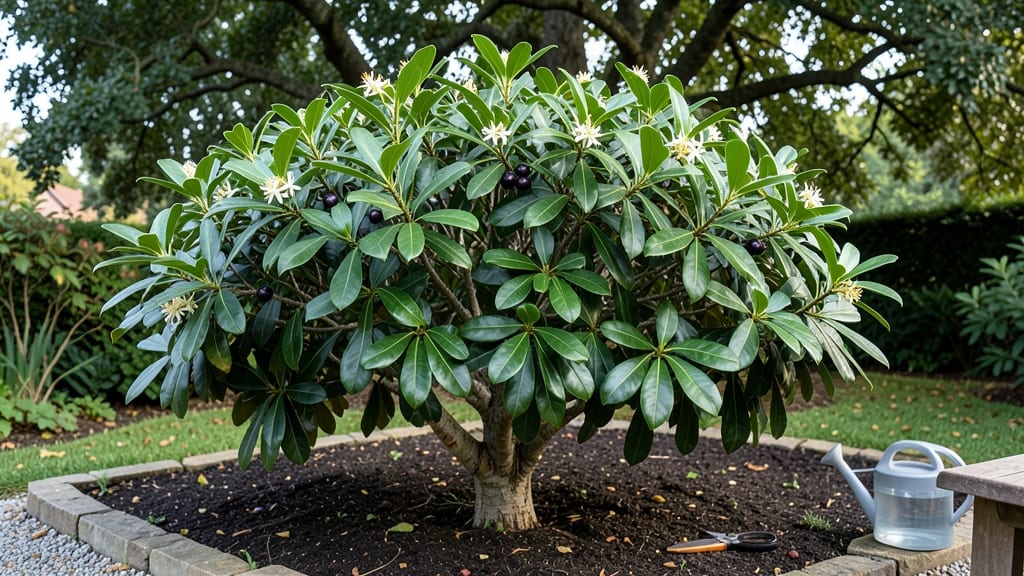
Pruning a true cinnamon tree (Cinnamomum verum) isn’t just about shaping branches—it’s about unlocking the fragrant, healthy growth that makes this tropical treasure thrive year-round.
I’ve learned the hard way that skipping pruning leads to dense, leggy growth and weaker bark harvests, but doing it right transforms your tree into a lush, productive powerhouse.
The key is timing: light trims in late winter and more aggressive shaping in early summer keep the canopy open and air flowing.
You’ll need sharp pruning shears, rubbing alcohol for sterilizing cuts, and a clear plan for your tree’s shape—whether you want a single-trunk specimen or a multi-stemmed bush.
Most pruning happens in the dormant season (January-February in warm climates) to encourage fresh spring growth, but you can also thin out crowded branches anytime the tree isn’t flowering. The goal? Remove dead wood, crossing branches, and any growth that blocks sunlight from reaching the lower canopy.
What you’ll end up with is a tree that produces thicker, more aromatic bark and stays resistant to fungal diseases that love crowded, damp foliage. The pruned branches themselves can be used for smaller harvests or propagation, so nothing goes to waste.
Plus, the open structure makes it easier to spot pests early—like those pesky scale insects that love cinnamon trees—and treat them before they take hold.
This method works for both outdoor tropical climates and large indoor containers, though container-grown trees will need more frequent pruning to control size. Whether you’re growing a 20-foot backyard specimen or a potted tree in your sunroom, the same principles apply.
Let’s get those shears out and turn your cinnamon tree into the fragrant centerpiece it’s meant to be.
📚 In This Guide
- What you need
- Instructions
- Tips and common mistakes
- Wrapping up and next steps
What you need
- ● Pruning shears: Sharp, bypass shears (for clean cuts on small branches). Size: 6–8 inches (for precision).
- ● Loppers: For thicker branches (½–1½ inches). Look for: Ratcheting or bypass loppers for ease.
- ● Pruning saw: Curved-tooth saw for branches over 1½ inches thick. Bonus: Lubricate the blade for smoother cuts!
- ● Disinfectant: 70% isopropyl alcohol or a horticultural spray to sterilize tools between cuts (prevents disease spread).
- ● Garden gloves: Heavy-duty, cut-resistant gloves (true cinnamon bark can be rough!).
- ● Twine or rubber bands: For temporary support if pruning heavy branches.
- ● Bucket or tarp: To collect clippings (compost them later—just avoid diseased wood!).
- ● Handheld leaf blower: Clears debris from the canopy post-prune.
- ● Pruning sealant: For large cuts (though true cinnamon heals well on its own).
- ● Ladder or step stool: If your tree is taller than 6 feet (safety first!).
- ● Notebook & pencil: To sketch a pruning plan before you start.
Step-by-step guide to pruning a true cinnamon tree for year-round health
Here's how to maintain a thriving cinnamon tree with strategic cuts that boost growth and flavor.
Identify the Best Time for Pruning
Prune your true cinnamon tree (Cinnamomum verum) during its dormant season, which falls between late winter and early spring—just before new growth begins. This timing minimizes stress on the tree while encouraging vigorous spring regrowth. Avoid heavy pruning during hot months, as it can expose the tree to sunburn and pest damage.
Look for visual cues like bare branches or slightly curled leaves—these signal the tree has entered dormancy. If you live in a warm climate where winters are mild, prune in early spring when daytime temperatures consistently reach 60°F. Never prune during flowering or fruit production, as this can reduce your harvest.
Remove Dead, Diseased, or Weak Branches First
Start by inspecting the tree for any branches that are dead, diseased, or crossing—these should be removed immediately. Dead branches are brittle and snap easily when bent; diseased branches may show dark spots, mold, or oozing sap. Use clean, sharp pruning shears to make cuts at a 45-degree angle, about ¼ inch above a healthy bud or lateral branch.
If a branch is too thick for shears, use a pruning saw and make the cut just outside the branch collar—the swollen area where the branch meets the trunk. Avoid leaving stubs, as they can rot and invite pests. Once you've cleared out the unhealthy branches, you'll notice the tree's structure becomes more open and airy.
Thin the Canopy to Improve Airflow and Light Penetration
Next, focus on thinning the canopy to ensure sunlight reaches the inner branches and air circulates freely. Aim to remove about 20-30% of the foliage, targeting branches that are growing inward or rubbing against others. Thin branches should be cut back to a main branch or lateral bud, never to a stub.
Here's the thing—cinnamon trees produce their best bark (the spice source) on older, thicker branches. Avoid over-pruning these mature stems, as they take years to regenerate. Instead, prioritize younger growth that's blocking light from reaching the center. You'll know you've done well when you can see light filtering through the canopy and the tree's silhouette looks balanced from all sides.
Shape the Tree for Aesthetics and Structural Integrity
Now, shape the tree to encourage a strong, upright form. Start by removing suckers—those vigorous shoots that sprout from the base or along the trunk. These compete with the main structure for nutrients. Next, shorten overlong branches by cutting back to a lateral bud that faces outward. This redirects growth away from the center, preventing a dense, tangled mess.
For a more formal look, you can also prune to maintain a rounded or vase-like shape, but avoid heavy shaping cuts. Cinnamon trees respond best to light, gradual pruning rather than drastic reshaping. Step back occasionally to check your progress—your goal is a tree that looks natural but has an open, airy structure that lets sunlight and air move freely.
Clean Up and Monitor for Recovery
After pruning, sterilize your tools with rubbing alcohol to prevent spreading disease. Collect and dispose of all pruned branches—don’t leave them on the ground, as they can harbor pests or diseases. If you have a compost pile, chop the branches into smaller pieces first to speed up decomposition.
Over the next 4-6 weeks, monitor the tree for new growth. Healthy branches should sprout fresh leaves within 2-3 weeks of pruning. If you notice yellowing leaves or wilting, it could signal over-pruning or stress—reduce watering slightly and keep the tree in bright, indirect light until it recovers. With proper care, your cinnamon tree will reward you with lush foliage and even better bark production.
Tips & tricks for pruning a true cinnamon tree
Pruning your cinnamon tree right takes patience and precision—here's how to avoid common mistakes while maximizing growth and flavor potential.
Timing is Everything: The late winter to early spring window is non-negotiable for true cinnamon trees. I've seen trees stressed beyond recovery when pruned at the wrong time—look for those telltale curled leaves as your cue. In warmer climates, wait until daytime temperatures consistently hit 60°F before you start. This timing ensures the tree enters its growth cycle with energy rather than stress.
The Right Tools Make All the Difference: Never use dull shears or saws—they tear rather than cut cleanly, leaving ragged wounds that invite disease. I keep a small bottle of rubbing alcohol handy to sterilize tools between cuts, especially when dealing with diseased branches. For thick branches, a pruning saw with a fine-tooth blade prevents splintering, which is crucial for cinnamon trees that heal slowly.
Canopy Thinning Strategy: When aiming for that 20-30% foliage reduction in Step 3, focus on branches that are growing inward or crossing others. These aren't just blocking light—they're creating microclimates that trap moisture and encourage fungal growth. I like to work from the inside out, removing the most obstructive branches first. This creates immediate improvement in airflow while preserving the tree's natural shape.
Recovery Monitoring: Those 4-6 weeks of post-pruning observation are critical. I've learned the hard way that yellowing leaves often mean over-pruning rather than disease. If you see this, back off on watering and move the tree to bright, indirect light immediately. Healthy new growth should appear within 2-3 weeks—if not, you may have been too aggressive with your cuts.
Pro Tips for True Cinnamon Tree
- Pruning your cinnamon tree right takes patience and precision—here's how to avoid common mistakes while maximizing growth and flavor potential.
- Timing is Everything: The late winter to early spring window is non-negotiable for true cinnamon trees.
- The Right Tools Make All the Difference: Never use dull shears or saws—they tear rather than cut cleanly, leaving ragged wounds that invite disease.
Frequently asked questions
Got questions about keeping your true cinnamon tree (Cinnamomum verum) healthy with the right pruning? Here are answers to the most common concerns—so you can avoid mistakes and enjoy a thriving tree year-round.
When is the best time to prune a true cinnamon tree?
The ideal window is late winter to early spring (just before new growth starts), but you can also do light pruning after flowering (summer). Avoid heavy cuts in fall—it stresses the tree. For tropical climates, prune during the dry season to minimize disease risk. Pro tip: Never prune when frost is forecasted!
How much can I trim back a true cinnamon tree at once?
Never remove more than 25-30% of the canopy in a single session—this helps prevent shock. For mature trees, focus on shaping rather than drastic cuts. If you’re reviving an overgrown tree, spread pruning over 2-3 years. Warning: Over-pruning can kill branches or reduce next year’s harvest!
What if my cinnamon tree’s leaves turn yellow after pruning?
Yellowing leaves (chlorosis) often signal nutrient stress or over-pruning. Check for:
- Too much shade (move the tree if needed).
- Underwatering (deep water 2x/week in dry climates).
- Fungal issues (trim infected branches with sterilized tools).
Can I grow a true cinnamon tree indoors? How does pruning differ?
Yes! Use a large pot (20+ gallons) with drainage and bright, indirect light. Prune indoors year-round (lightly) to control size, but avoid heavy cuts in winter when growth slows. Dust leaves regularly—true cinnamon trees hate dust buildup! For bonsai-style pruning, use concave cuts to mimic natural branch angles.
What’s the difference between pruning for harvest vs. aesthetics?
| Harvest-Focused Pruning | Aesthetic Pruning |
|---|---|
| Trim old, woody stems (3+ years) to encourage new bark growth (where cinnamon is harvested). | Shape branches for symmetry; remove crossing or dead wood. |
| Prioritize sun exposure on the tree’s lower branches to boost spice production. | Use step-cutting for cleaner, more decorative shapes. |
| Harvest after 2 years of growth—prune to leave 2-3 buds per stem. | Prune after flowering (summer) to avoid disrupting blooms. |
Fun fact: True cinnamon’s bark thickens with age—prune strategically to maximize spice yield!
Wrapping up and next steps
Pruning your true cinnamon tree doesn’t have to be a daunting task—it’s all about timing, technique, and a little patience! 🌿 By following the year-round care secrets shared here, you’ll keep your tree thriving, promote lush growth, and even boost cinnamon production.
Whether you’re trimming for shape, health, or harvest, remember: consistency is key.
Ready to take the next step? Grab your tools, schedule your pruning sessions, and watch your true cinnamon tree flourish like never before! 🌟 Happy pruning!